Aviation Cable Supplier | Low Signal Attenuation, -60℃ to 200℃ Resistance, China Factory Supply
In the high-stakes world of aerospace and aviation, every component must perform with uncompromising reliability. From commercial airliners and military jets to the rapidly expanding sectors of UAVs and eVTOLs, the nervous system of these machines—their wiring—is subject to some of the most punishing conditions imaginable. When you are searching for an Aviation Cable Supplier, you are not just looking for wire; you are looking for a guarantee of safety, data integrity, and performance under extreme stress.
This article delves into the critical technical specifications that define high-quality aerospace cables, specifically focusing on low signal attenuationand an operational temperature range of -60℃ to 200℃. We will explore why these factors are non-negotiable for modern avionics and how sourcing directly from a specialized China Factory Supplycan provide the technological edge your project needs.
The Critical Role of Low Signal Attenuation in Avionics
Signal attenuation refers to the reduction in strength of a signal as it travels through a transmission medium. In the context of aviation, where data cables connect flight control systems, navigation equipment, and communication arrays, even minor signal loss can lead to catastrophic consequences.
Modern aircraft are essentially flying data centers. They rely on high-speed data buses, such as MIL-STD-1553B and ARINC 664, to transmit critical information between computers and sensors. If the cable attenuates the signal too much, the receiving end may interpret data incorrectly, leading to latency or system failure.
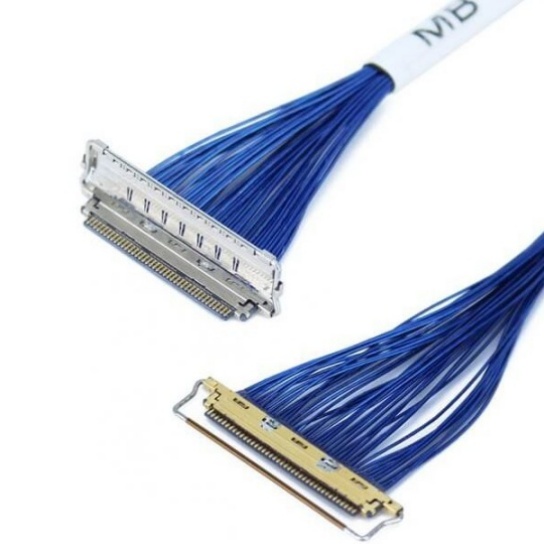
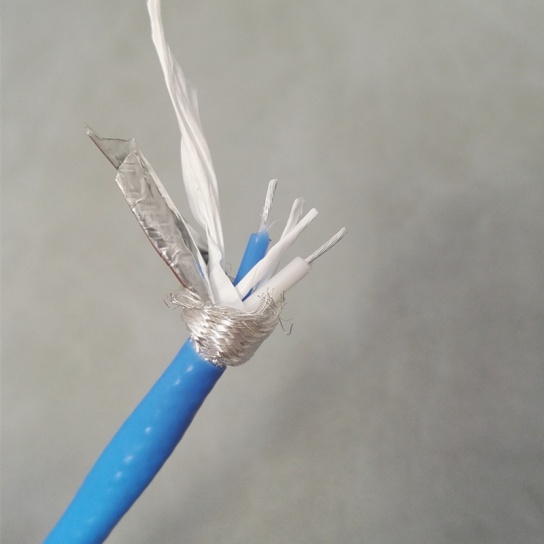
High-quality aviation cables utilize precision-engineered dielectric materials, such as PTFE (Polytetrafluoroethylene), FEP (Fluorinated Ethylene Propylene), and PFA (Perfluoroalkoxy alkane). These materials provide a stable dielectric constant across a wide frequency range. For instance, 1553B Data Bus Cablesare designed with tightly controlled impedance (typically 78 ± 3 Ω) to minimize signal reflection and ensure that data integrity is maintained over long cable runs within the fuselage.
When evaluating an Aviation Cable Supplier, it is essential to look for specifications regarding insertion loss. Superior cables will exhibit minimal dB loss even at high frequencies, ensuring that your radar, satellite communication (SATCOM), and in-flight entertainment systems operate flawlessly without requiring excessive signal amplification.
Mastering the Extremes: -60℃ to 200℃ Resistance
Aircraft operate in a vast range of thermal environments. At high altitudes, the exterior skin and unpressurized compartments can plunge to cryogenic temperatures, while areas near engines, auxiliary power units (APUs), and galley equipment can reach extreme highs.
A cable that works in a comfortable office environment will fail spectacularly in an aircraft. Standard PVC or XLPE insulation becomes brittle and cracks at low temperatures, leading to short circuits. Conversely, at high temperatures, these materials melt or deform, causing insulation breakdown.
This is why aerospace-grade cables utilize fluoropolymer insulation. These advanced materials offer:
- Cryogenic Flexibility:Remaining pliable and functional at temperatures as low as -60℃ or even -65℃, ensuring that control surfaces and sensors remain operational during cold soaking at altitude.
- High-Thermal Stability:Withstanding continuous exposure to temperatures up to 200℃ and short-term spikes even higher. This is crucial for wiring harnesses located near jet engines or within the plenums of heating systems.
Furthermore, these materials provide excellent resistance to aviation fluids, including jet fuel, hydraulic fluid (such as Skydrol), and lubricants. A cable that degrades upon contact with these chemicals is a liability. By choosing cables with robust fluid resistance, you ensure a longer service life and reduced maintenance costs.
The Advantage of Sourcing from a Specialized China Factory Supply
For decades, the aerospace supply chain was dominated by a handful of Western manufacturers. However, the landscape has shifted. Today, leading China Factory Supplyoperations have not only caught up but are setting new standards in precision manufacturing and material science.
Partnering with a direct factory supplier offers several distinct advantages:
- Engineering Expertise:Top-tier Chinese factories employ teams of engineers who understand the nuances of aerospace standards, including SAE, MIL-SPEC, and EN standards. They can provide Design for Manufacturability (DFM) support, helping you optimize cable selection for weight and space savings.
- Advanced Material Access:Factories specializing in export-grade products have direct access to high-purity oxygen-free copper and premium fluoropolymers, ensuring that the physical properties of the cable match the datasheet promises.
- Cost-Effectiveness Without Compromise:By eliminating multiple layers of distributors, you gain access to factory-direct pricing. This allows for more competitive project budgeting while still utilizing components that meet AS9100 and ISO 9001 quality management standards.
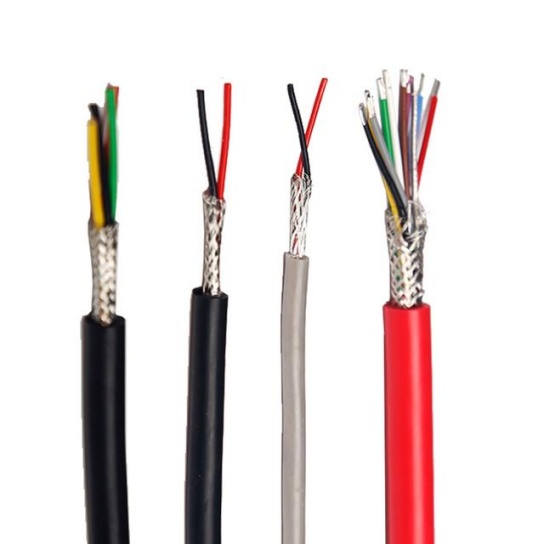
- Customization and Agility:Aerospace projects often require bespoke solutions. A direct factory can offer OEM/ODM services, creating custom cable assemblies with specific connectors, shielding configurations, and jacket colors to meet your exact blueprint requirements.
Key Applications for High-Performance Aviation Cables
Understanding where these cables are used helps in specifying the right type for your needs:
- Flight Control Systems:Require high-reliability signal cables with low attenuation to ensure pilot inputs are transmitted instantly to actuators.
- Avionics and Navigation:Demand coaxial and data cables that maintain signal integrity in the presence of significant electromagnetic interference (EMI).
- In-Flight Entertainment (IFE):High-speed data cables (Cat5e, Cat6a, HDMI) that are lightweight and low-smoke to meet cabin safety regulations.
- Engine Monitoring:High-temperature resistant cables capable of surviving the thermal and vibrational stresses near the powerplant.
Why FRS is Your Trusted Aviation Cable Partner
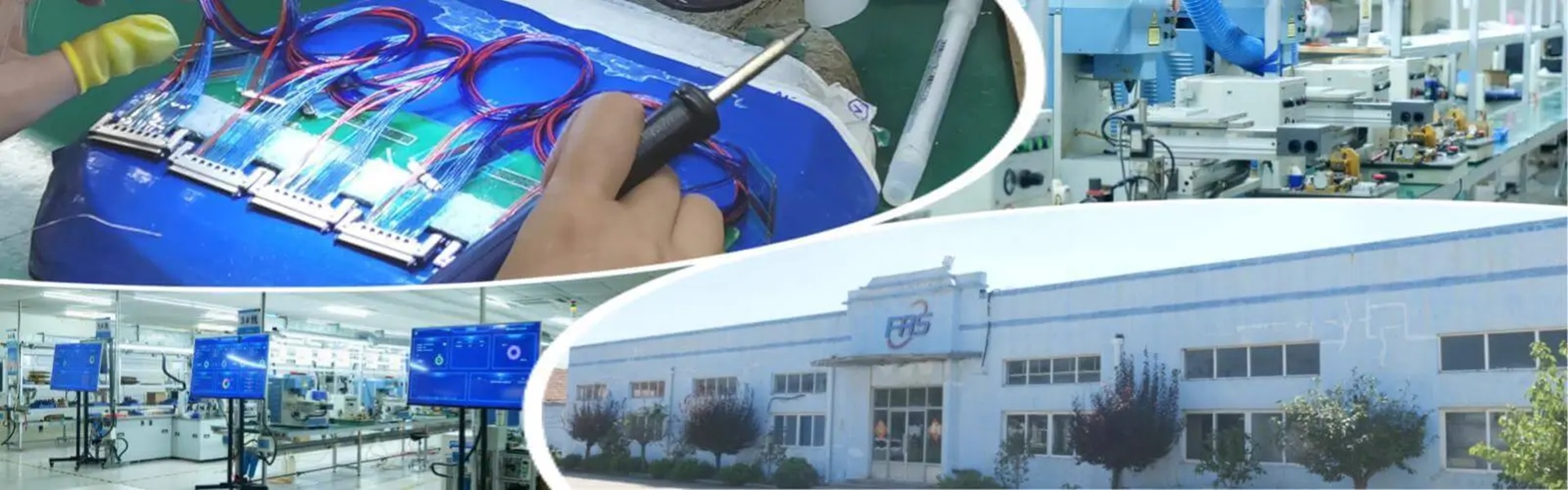
Navigating the complexities of aerospace procurement requires a partner who combines technical mastery with manufacturing excellence. FRSstands at the forefront of the industry as a premier Aviation Cable Supplier.
At FRS, we engineer our products to thrive in the world’s most demanding environments. Our extensive range includes FEP/PFA-insulated cables, MIL-STD-1553B data bus cables, and high-temperature solutions specifically designed for -60℃ to 200℃ resilience. We pride ourselves on our China Factory Supplymodel, which delivers AS9100-certified quality directly to your facility with competitive pricing and full traceability.
Whether you are designing the next generation of commercial aircraft or upgrading a military fleet, FRS provides the low-attenuation, high-durability cabling solutions that keep you flying high. Contact our engineering team today to discuss your specifications and discover how our factory-direct advantages can elevate your aerospace project.
Contact Us Right Now:
E-MAIL: sales@custom-cable-assemblies.com