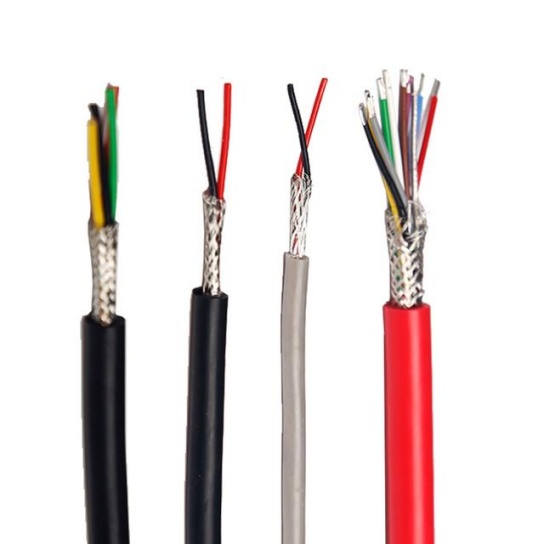
Waterproof Aviation Cable | 4-Pin/6-Pin Custom, Airport/Aircraft Use, Factory Wholesale Price
In the demanding world of aviation, where safety, reliability, and performance are non-negotiable, the quality of every component matters. From the intricate wiring of an aircraft’s avionics to the robust lighting systems on an airport runway, the cables that connect and power these systems must withstand extreme conditions. This is where the Waterproof Aviation Cablebecomes an indispensable asset. Whether you’re an aircraft manufacturer, an MRO (Maintenance, Repair, and Overhaul) provider, or an airport infrastructure developer, understanding the critical role of these specialized cables is the first step toward ensuring operational excellence. This article delves into the world of waterproof aviation cables, exploring their applications, key features like 4-pin and 6-pin configurations, and the advantages of custom solutions and factory-direct wholesale pricing.
The Critical Need for Waterproof Aviation Cables
Aviation environments are notoriously harsh. Aircraft are exposed to high-altitude temperature fluctuations, intense vibration, and potential exposure to moisture from rain, humidity, or de-icing fluids. On the ground, airport lighting and ground support equipment face similar challenges from the elements. Standard cables can fail under these conditions, leading to signal degradation, short circuits, and potentially catastrophic system failures. Waterproof aviation cables are engineered specifically to combat these threats. Their primary function is to maintain signal integrity and power continuity in the presence of moisture, ensuring that critical systems—from navigation and communication to lighting and control surfaces—operate flawlessly. The “waterproof” designation isn’t just a feature; it’s a fundamental safety requirement that protects both the equipment and, more importantly, the lives of passengers and crew.
Understanding 4-Pin and 6-Pin Configurations
One of the most common and versatile types of waterproof aviation cables are those with 4-pin and 6-pin connectors. These configurations are the industry standard for a wide array of applications due to their balance of functionality and compact design.
- 4-Pin Cables:These are typically used for applications requiring a simple, yet secure, connection for power and basic signal transmission. Common uses include certain types of LED aircraft lighting, sensor connections, and low-complexity data links. The 4-pin design is robust and easy to mate, making it a reliable choice for field repairs and installations where speed and simplicity are valued.
- 6-Pin Cables:Offering greater versatility, 6-pin cables are the go-to for more complex systems. They can handle more intricate signal arrangements, such as those needed for advanced avionics, multi-function displays, or systems requiring separate lines for power, ground, and multiple data signals. This configuration provides the necessary bandwidth for modern aircraft systems without the bulk of larger connectors.
Both 4-pin and 6-pin waterproof aviation cables are designed with precision-molded connectors and high-quality contacts to ensure a tight, corrosion-resistant seal, often meeting IP67 or IP68 ingress protection ratings. This means they can be fully immersed in water for extended periods without compromising performance.
Applications: From the Cockpit to the Tarmac
The versatility of waterproof aviation cables makes them essential across the entire aviation ecosystem.
- In the Aircraft:Inside the fuselage, these cables are the nervous system. They connect cockpit instruments, navigation systems (like GPS and transponders), communication radios, cabin lighting, and in-flight entertainment systems. Their waterproof nature is crucial in areas prone to condensation or potential fluid leaks. In the wings and tail, they are used for control surface actuators and fuel quantity sensors, where exposure to fuel vapors and moisture is a constant concern.
- On the Airport Ground:The airport environment presents its own set of challenges. Runway and taxiway lighting systems rely on durable, waterproof cables to withstand rain, snow, and the constant vibration from passing aircraft. Ground power units (GPUs) that supply electricity to parked aircraft use heavy-duty waterproof cables to ensure a safe and reliable power connection. Furthermore, baggage handling systems and security screening equipment within the terminal often incorporate these cables to ensure uninterrupted operation in a high-traffic, sometimes humid, environment.
The Power of Customization
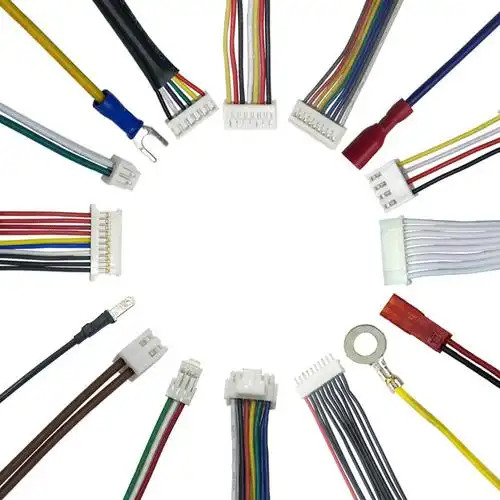
No two aviation projects are exactly alike. An aircraft manufacturer may have unique routing requirements within a new airframe, while an airport may need a specific cable length to connect a new lighting fixture. This is where customizationbecomes a game-changer. A reputable aviation cable factory doesn’t just offer off-the-shelf products; they provide tailored solutions. Customization can include:
- Specific Lengths:Eliminating excess cable clutter and ensuring a perfect fit.
- Custom Pinouts:Configuring the wiring to match the exact needs of proprietary systems.
- Specialized Jacket Materials:Using compounds that offer enhanced resistance to chemicals like Skydrol (a common aircraft hydraulic fluid) or extreme UV exposure.
- Connector Variations:Combining different connector types (e.g., a 4-pin on one end and a 6-pin on the other) to bridge different systems.
By opting for custom waterproof aviation cables, you ensure optimal performance, simplify installation, and enhance the overall reliability of your systems. It’s an investment in precision that pays dividends in reduced maintenance and increased safety.
Factory Wholesale Price: Direct Value for Your Project
Sourcing your waterproof aviation cables directly from the factory offers significant advantages, most notably in cost and quality control. By cutting out the middleman, you gain access to factory wholesale prices. This is particularly beneficial for large-scale projects, such as outfitting a new fleet of aircraft or upgrading an airport’s lighting infrastructure. Beyond cost savings, working directly with the manufacturer ensures a transparent supply chain. You have direct access to the engineering team for custom requests, and you can be confident in the quality control processes, as the factory has a vested interest in its reputation. This direct relationship fosters better communication, faster lead times for both standard and custom orders, and a deeper understanding of your specific application needs.
Choosing the Right Partner
When selecting a supplier for your waterproof aviation cables, it’s crucial to partner with a manufacturer that understands the stringent demands of the industry. Look for a factory that not only offers 4-pin and 6-pin custom solutions at wholesale prices but also demonstrates a commitment to quality through rigorous testing and adherence to industry standards. Your cables are the lifelines of your aviation systems; they deserve nothing less than the best.