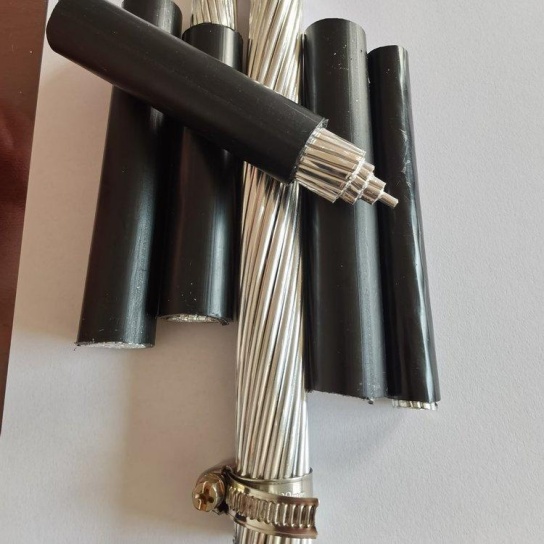
Aviation Cable | Aircraft Electrical Cables: The Complete Guide for B2B Buyers
In the world of modern aviation, the invisible network of aviation cablesacts as the central nervous system of every aircraft. Whether you are upgrading the avionics of a commercial airliner, integrating sensors into a high-altitude drone (UAV), or maintaining the complex electrical systems of a military aircraft, the quality of your aircraft electrical cablesis non-negotiable.
This guide dives deep into the specifications, standards, and selection criteria for high-performance cables, specifically focusing on high-temperature coaxial data cablesand robust power cablesdesigned to meet the rigorous demands of the aerospace industry.
Why Specialized Aviation Cables Matter
Unlike standard industrial wiring, aircraft electrical cablesmust perform flawlessly in environments that combine extreme temperature fluctuations, high vibration, exposure to aviation fluids (like Skydrol), and strict weight limitations. A failure in an aviation cablecan lead to signal loss in navigation systems or power failure in flight controls.
For B2B buyers and engineers, the priority is sourcing cables that offer:
- Signal Integrity:Ensuring data transmission is free from Electromagnetic Interference (EMI).
- Thermal Resilience:Withstanding engine heat and cold soak at altitude.
- Weight Efficiency:Reducing overall aircraft weight to improve fuel efficiency.
- Regulatory Compliance:Meeting FAAand other global aviation standards.
High-Temperature Coaxial Cables for Data Transmission
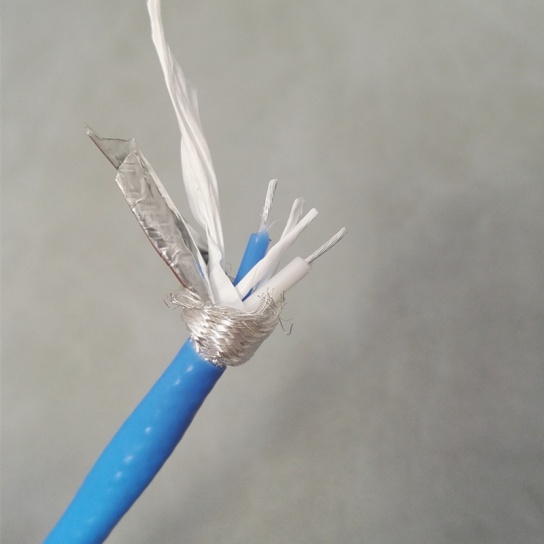
Modern aircraft rely heavily on radio frequency (RF) signals for communication, navigation (GPS, TCAS), and surveillance. High-temperature coaxial cablesare the backbone of these systems.
Key Features of Aerospace Coaxial Cables
- Impedance Stability:Typically available in 50 Ohm and 75 Ohm configurations to match system requirements .
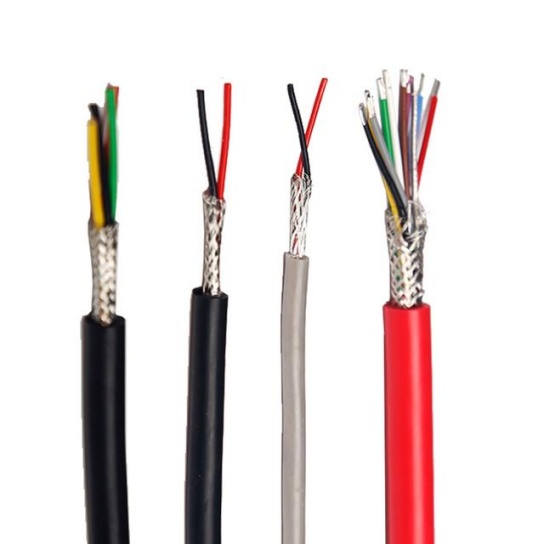
- Superior Shielding:Triple-layer or braided shielding is essential to protect sensitive data from EMI generated by the aircraft’s own systems .
- Low Attenuation:Engineered to ensure minimal signal loss over long runs within the airframe .
Temperature and Material Standards
Standard PVC cables melt at high altitudes or near engines. Aerospace coaxial cables utilize advanced fluoropolymers:
- PTFE (Polytetrafluoroethylene) & FEP (Fluorinated Ethylene Propylene):These materials offer excellent dielectric properties and can withstand temperatures ranging from -55°C to +200°C.
- PFLX & TFLX Designs:Modern lightweight variants (like PFLX and TFLX) are up to 75% lighter than traditional RG cables, providing significant weight savings without sacrificing performance .
Aircraft Power Cables: Reliability Under Load
Power distribution in aviation requires cables that can handle high currents while resisting physical stress. From commercial airlinersto military drones, power cables must be flexible yet durable.
Construction and Durability
- Conductor Material:High-strand count copper or silver-plated copper conductors ensure maximum conductivity and flexibility .
- Insulation:Materials like cross-linked ethylene tetrafluoroethylene (XT-ETFE) or specialized silicone (Flexx-Sil™) provide flame resistance and resistance to abrasion and chemicals .
- Voltage Capacity:Rated for various voltages, with specialized cables available for high-voltage electric propulsion systems currently being developed for next-gen aircraft .
Applications in Diverse Fleets
- Commercial Airliners:Used for everything from galley power to critical flight control actuators.
- Drones (UAVs):Require ultra-lightweight, high-flex cables for moving components like gimbals and motor controls .
- Military Aircraft:Must endure extreme G-forces, combat conditions, and rapid decompression cycles .
FAA Compliance and Safety Standards
For any cable to be installed in a certified aircraft, it must comply with Federal Aviation Administration (FAA)regulations. This is a critical checkpoint for procurement teams.
Essential FAA Regulations
- FAR Part 23 & 25:These sections outline the airworthiness standards for electrical systems, including cable routing, separation from flammable fluids, and fire resistance .
- Flammability Requirements:Cables must pass vertical flame tests (e.g., FAR 25.853) to ensure they self-extinguish and do not emit toxic fumes during a fire .
- Smoke Density:Low smoke and zero halogen (LSZH) characteristics are increasingly required to protect passengers and crew in the event of a cabin fire .
MIL-SPEC and Industrial Standards
Beyond the FAA, many procurement contracts require compliance with:
- MIL-DTL-17:The standard for coaxial cables .
- MIL-W-22759 / AS22759:The benchmark for high-performance hook-up wire used in airframes .
- MIL-DTL-27500:Specifications for shielded and jacketed cables .
How to Select the Right Aviation Cable
Choosing the correct aircraft electrical cableinvolves balancing electrical needs with environmental harshness. Use this checklist to guide your selection:
- Define the Environment:Is the cable in the avionics bay (controlled temp) or the engine nacelle (extreme heat)? Match the temperature rating accordingly .
- Analyze Electrical Load:Calculate voltage drop and current-carrying capacity. Remember that bundling cables together requires derating the current capacity .
- Assess Mechanical Stress:Determine if the cable will be static or subject to continuous flexing (e.g., in a drone’s wing). Choose high-flex life cables for moving parts .
- Check Shielding Needs:For data cables near heavy machinery, opt for double-shielded or braided options to prevent signal noise .
- Verify Certifications:Always request a Certificate of Compliance (CoC) and test reports to ensure the cable meets the specific FAAor MIL-SPECrequirements of your project .
Summary: Powering the Future of Flight
The selection of aviation cablesis a precision task that directly impacts flight safety and operational efficiency. By prioritizing FAA-compliant, high-temperature coaxial data cables and durable power cables, B2B buyers ensure that commercial airliners, agile drones, and robust military aircraftoperate with unmatched reliability. As aviation technology moves toward electrification and higher data speeds, partnering with a supplier who understands these rigorous standards is the key to keeping your fleet connected and powered.