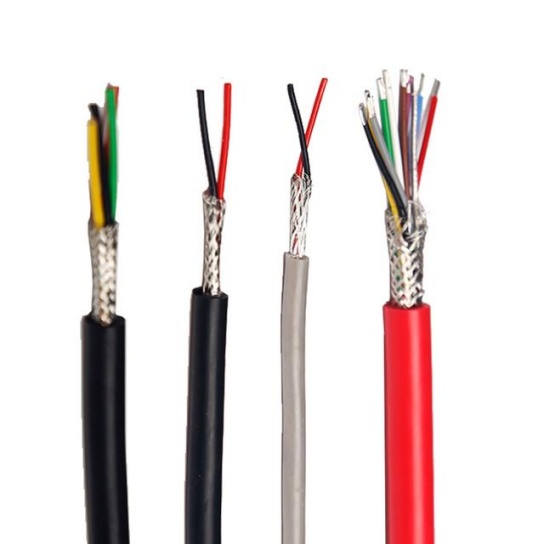
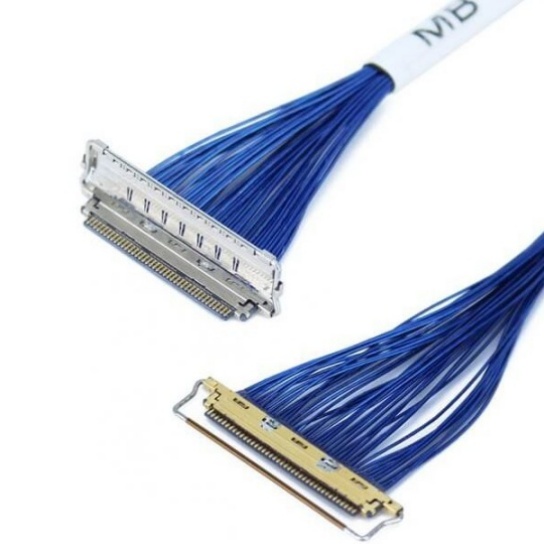
Aviation Cable Manufacturer|FRS
If you strip away the sleek fuselage, the roaring engines, and the glamour of flight, you will find the true nervous system of modern aviation: the wire and cable network. A single-aisle aircraft carries upwards of 80 kilometers of cabling, weighing as much as seven or eight passengers combined. In the relentless pursuit of fuel efficiency and performance, every gram matters. For procurement officers, aerospace engineers, and fleet managers, selecting the right aviation cable manufactureris not merely a purchasing decision; it is a strategic commitment to safety, longevity, and operational excellence.
This guide dives deep into the complexities of aerospace wiring systems, exploring the cutting-edge innovations defining the next decade and outlining the rigorous criteria you must apply when vetting a manufacturing partner. Finally, we introduce FRS, a manufacturer engineered to meet these exacting demands.
The Triple Threat: Weight, Heat, and Data Demands
The aviation environment is arguably the most punishing on earth for electrical components. Unlike industrial settings, aerospace cables must perform flawlessly in a vacuum of conflicting requirements.
First, there is the Weight Paradox. Copper, the standard conductor, is heavy. With the global push for “more electric aircraft” (MEA), the amount of wiring is increasing just as airlines demand lighter airframes to reduce CO2 emissions. Engineers are trapped between needing more power distribution cables and the imperative to save weight .
Second, Thermal Extremestest material integrity. Cables in engine nacelles or wing leading edges face temperatures soaring up to 260°C, while cargo holds plummet to -55°C. Traditional PVC insulation cracks under such thermal cycling, leading to catastrophic insulation failure .
Third, the Data Explosion. Modern cockpits and in-flight entertainment systems require massive bandwidth. Copper struggles with electromagnetic interference (EMI) in this crowded frequency environment, risking signal degradation in critical flight control systems .
Engineering the Future: Materials and Architectures
To survive these conditions, the industry is undergoing a quiet revolution. The aviation cable manufacturer of tomorrow cannot simply twist copper and plastic; they must be material scientists and systems architects.
1. The Shift to Fluoropolymers and Halogen-Free Solutions
Insulation technology has moved far beyond standard plastics. Fluoropolymers like PTFE (Teflon) and PFA are now the gold standard for high-temperature areas, offering thin walls with incredible dielectric strength. However, safety regulators are now tightening the screws on toxicity. In the event of a fire, traditional halogenated cables release dense, toxic smoke. The industry is rapidly pivoting toward Halogen-Free, Low-Smoke (HFFR) cables. These advanced materials self-extinguish and emit virtually no smoke, buying precious minutes for evacuation and protecting sensitive avionics from corrosive fumes .
2. Integrated Active Cooling for Electric Propulsion
Perhaps the most radical innovation comes from the push for electrification. NASA recently highlighted a breakthrough in “megawatt-scale” propulsion cables. Transmitting massive power to electric motors usually requires thick, heavy cables. The new solution? Integrated Active Cooling.By circulating coolant through the cable structure, manufacturers can use thinner conductors carrying higher currents without overheating. This technology promises a tenfold improvement in power-to-weight ratio, unlocking the feasibility of electric regional aircraft .
3. Fiber Optics and EMI Immunity
As airframes shift to carbon fiber composites—which do not shield electromagnetic interference naturally—aircraft are becoming more susceptible to EMI. Fiber optic cables solve this by transmitting data via light rather than electricity. They are immune to EMI, weigh a fraction of copper, and support the terabit-level speeds required for next-gen avionics .
How to Vet an Aviation Cable Manufacturer
When your supply chain impacts human lives, “good enough” is not good enough. Choosing a manufacturer requires looking past the marketing brochures and into their quality DNA.
1. Decode the Standards Maze
Aviation is awash in acronyms: MIL-DTL, EN, SAE, ISO, and AS. A competent manufacturer doesn’t just claim compliance; they live it.
- MIL-SPEC (Military Specifications):The baseline for ruggedness. Look for MIL-DTL-83420 for cable assemblies and MIL-W-22759 for hook-up wire.
- ISO 6722 / ISO 19642:These define the roadmaps for automotive-style thin-wall cables increasingly adapted for aviation.
- FAR (Federal Aviation Regulations):Specifically Part 25 for transport category airplanes, governing flammability and smoke density. A reliable partner should provide full traceability documentation for every batch, proving that raw materials meet these stringent thresholds .
2. Customization and Rapid Prototyping
Standard off-the-shelf cables rarely fit the tight confines of a modern aircraft wing or the unique geometry of a UAV. Your manufacturer must possess in-house engineering capabilities to modify shielding, adjust jacket thickness, or create custom harness configurations. Can they provide rapid prototyping? The ability to turn a CAD drawing into a physical sample quickly is critical for R&D phases .
3. Rigorous Environmental Testing
Do not take performance claims at face value. Ask about their testing lab. A top-tier facility should simulate the aircraft’s life cycle:
- Thermal Shock Chambers:Rapidly switching from extreme cold to heat.
- Salt Spray Tests:Simulating coastal or marine environments.
- Arc Tracking Resistance:Measuring how insulation reacts to electrical arcing (a critical factor in post-crash safety) .
FRS: Your Strategic Manufacturing Partner
Navigating the complexities of aerospace wiring requires a partner who combines deep technical heritage with agile manufacturing. FRSstands at the intersection of tradition and innovation, offering a comprehensive suite of solutions designed for the modern aerospace landscape.
Why FRS?
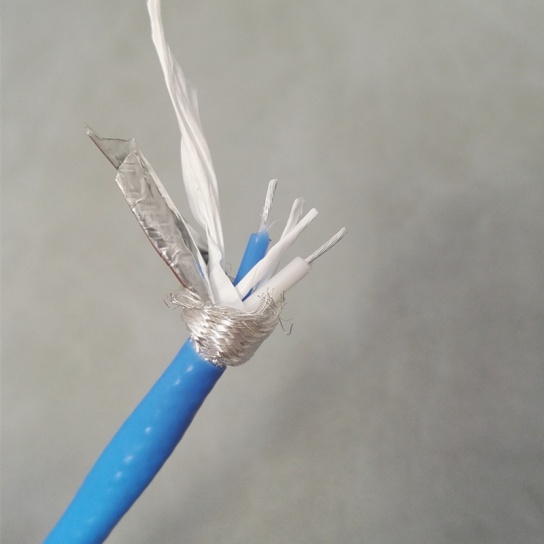
- Uncompromising Material Science:FRS specializes in high-performance fluoropolymer cables (FEP/PFA) and the latest Halogen-Free Low-Smoke (HFFR) technologies. Our cables are engineered to meet and exceed MIL, EN, and ISO standards, ensuring safety and compliance in the most demanding environments .
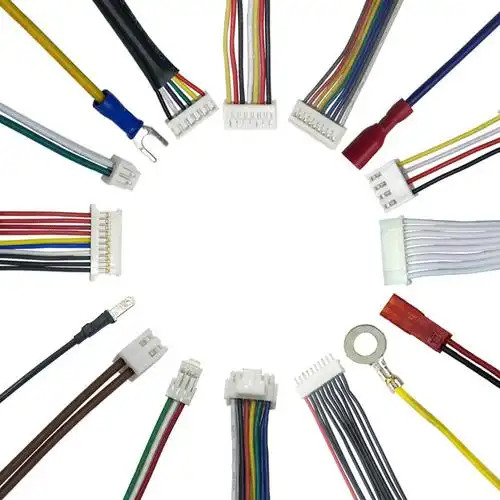
- Tailored Engineering:We understand that every aircraft is unique. FRS offers extensive customization, from specialized shielding for EMI-heavy zones to bespoke harness assemblies. Our engineering team collaborates directly with your designers to optimize cable routing and weight reduction .
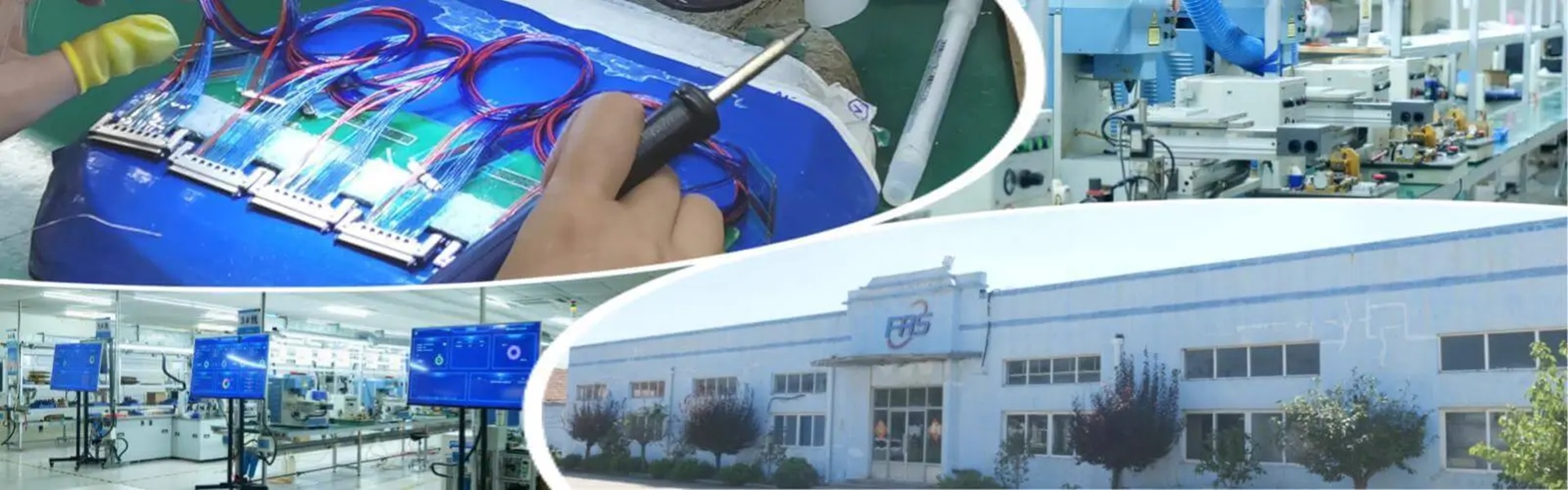
- End-to-End Quality Control:Quality is not an afterthought at FRS; it is the foundation. We maintain rigorous in-house testing protocols, ensuring dimensional accuracy, electrical integrity, and environmental resistance. With FRS, you get full traceability and the peace of mind that comes with certified reliability .
- Global Supply Chain Agility:We bridge the gap between high-quality manufacturing and responsive logistics. Whether you are an OEM ramping up production or an MRO facility needing urgent replacements, FRS delivers with speed and precision .
In the high-stakes world of aviation, your cables are the silent guardians of every flight. Choose a manufacturer that understands the gravity of that responsibility. Choose FRS—where innovation meets altitude.
Contact Us Right Now:
E-MAIL: sales@custom-cable-assemblies.com