Aviation Cables – Durable, High-Reliability
In the high-stakes world of aviation, every component plays a critical role in ensuring safety, performance, and efficiency. Among these, aviation cablesstand out as the lifelines of modern aircraft, transmitting power, data, and control signals across complex systems. For B2B buyers, procurement specialists, and aerospace engineers, selecting the right cables is not just about meeting specifications—it’s about ensuring durability, reliability, and compliance with stringent industry standards. This article explores the key aspects of aviation cables, focusing on their durability and high-reliability features, to help you make informed decisions for your next project.
What Are Aviation Cables?
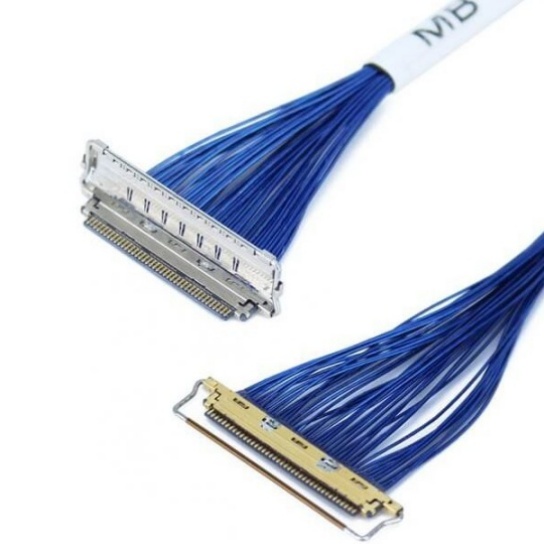
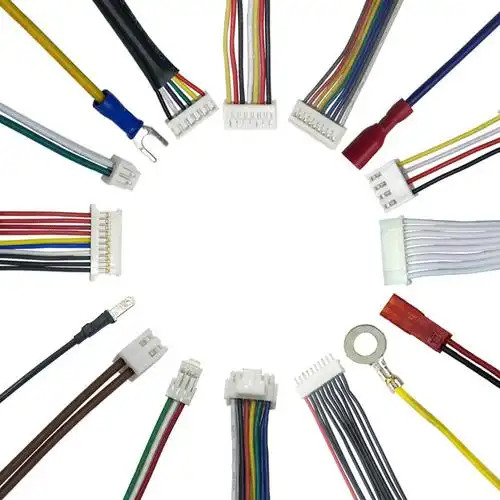
Aviation cables, also known as aerospace wires and cables, are specialized electrical components designed to withstand the extreme conditions of flight. These include rapid temperature fluctuations, high altitudes, mechanical stress, and exposure to chemicals and fluids. Unlike standard industrial cables, aviation cablesmust meet rigorous certification requirements, such as those set by ISO 8815, which defines the vocabulary and standards for aircraft electrical cables and harnesses .
Key characteristics of aviation cables include:
- Lightweight constructionto minimize aircraft weight and improve fuel efficiency.
- High flexibilityfor easy routing in tight spaces.
- Superior insulationusing materials like Teflon (PTFE) or silicone for heat and chemical resistance.
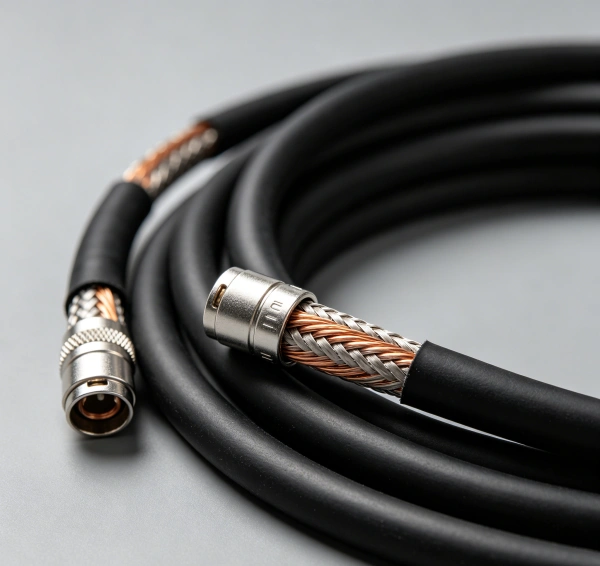
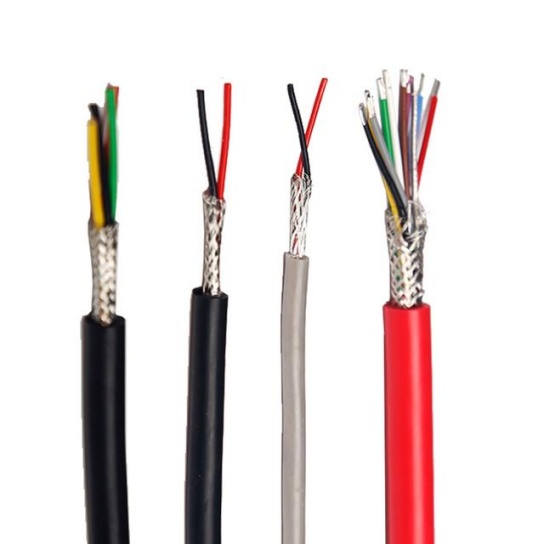
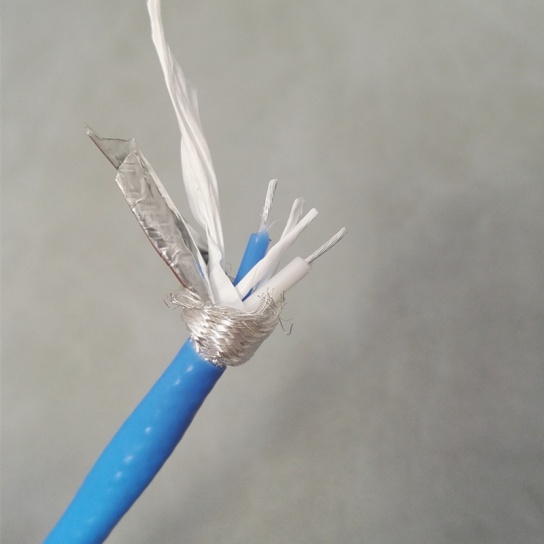
- EMI shieldingto protect against electromagnetic interference, crucial for avionics and communication systems .
Why Durability and High-Reliability Matter
In aviation, failure is not an option. Cables must perform flawlessly over decades of service, often in environments where maintenance access is limited. Here’s why durability and reliability are non-negotiable:
1. Environmental Resistance
Aircraft operate in diverse climates, from freezing altitudes to scorching runways. Aviation cablesare engineered to endure temperatures ranging from -65°C to +200°C or higher, depending on the application. For instance, GORE® Aerospace Cables use advanced fluoropolymers to resist abrasion, chemicals, and fire, ensuring long-term performance even in harsh conditions .
2. Mechanical Robustness
Vibration, shock, and flexing during takeoff, landing, and turbulence can degrade ordinary cables. High-reliability aviation cablesfeature reinforced constructions, such as double-buffered designs or composite conductors, to maintain signal integrity and prevent breakage. This is especially important for flight-critical systems like flight control and navigation .
3. Signal Integrity for Critical Systems
Modern aircraft rely on high-speed data transmission for avionics, in-flight entertainment (IFE), and communication. Cables must support protocols like Ethernet, HDMI, and fiber optics without signal loss or latency. For example, GORE® Ethernet Cables ensure minimal attenuation and crosstalk, enabling reliable data transfer over long distances .
4. Weight Reduction for Fuel Efficiency
Every kilogram saved in cable weight contributes to lower fuel consumption and reduced emissions. Lightweight aviation cablesuse thin-wall insulation and high-conductivity materials to achieve this without compromising performance. This aligns with the industry’s push toward more sustainable aircraft designs .
Key Applications of Aviation Cables
Aviation cables are used across various aircraft systems, each with unique requirements:
- Avionics and Flight Control: Transmitting data between sensors, computers, and control surfaces. Requires high EMI shielding and signal integrity.
- In-Flight Entertainment (IFE): Supporting high-definition video and audio for passenger systems. Demands high bandwidth and flexibility.
- Power Distribution: Delivering electricity from generators to systems like lighting, pumps, and actuators. Must handle high currents and voltages.
- Communication Systems: Enabling voice and data transmission between cockpit, cabin, and ground. Needs reliable RF performance.
- Engine and Landing Gear: Withstanding extreme heat, vibration, and mechanical stress. Often uses specialized high-temperature cables .
How to Choose the Right Aviation Cables
Selecting aviation cablesinvolves balancing performance, compliance, and cost. Here are the key factors to consider:
1. Compliance with Standards
Ensure cables meet industry certifications such as:
- ISO 8815for terminology and general requirements.
- MIL-DTL-38999for military-grade connectors and cables.
- FAR (Federal Aviation Regulations)for civil aircraft.
- EN (European Norms)for European markets .
2. Material Selection
- Insulation: PTFE (Teflon) for high heat resistance; silicone for flexibility.
- Conductor: Copper or aluminum alloys for conductivity and weight savings.
- Shielding: Braided or foil shields for EMI protection .
3. Environmental Suitability
Match cable specifications to the operating environment:
- Temperature range (e.g., -55°C to +175°C for engine compartments).
- Chemical exposure (e.g., hydraulic fluids, de-icing agents).
- Mechanical stress (e.g., vibration profiles for rotorcraft) .
4. Electrical Performance
- Voltage rating: Ensure compatibility with system voltage (e.g., 28V DC, 115V AC).
- Current capacity: Calculate based on load requirements.
- Data rate: For digital systems, verify bandwidth support (e.g., 1 Gbps for Ethernet) .
5. Supplier Reliability
Choose manufacturers with proven track records in aerospace, such as Gore, TE Connectivity, or Amphenol. Look for:
- ISO 9001 or AS9100 certification.
- Test reports for flammability, smoke emission, and toxicity.
- Customization capabilities for specific applications .
Common Challenges and Solutions
Even with high-quality aviation cables, challenges can arise during installation and operation. Here’s how to address them:
Challenge 1: Cable Routing in Tight Spaces
Solution: Use high-flex cables with small bend radii. For example, GORE® cables are designed for easy routing in confined areas like avionics bays .
Challenge 2: EMI in Sensitive Systems
Solution: Opt for double-shielded cables or those with optimized braid angles. Pair with proper grounding techniques to minimize interference .
Challenge 3: Maintenance and Inspection
Solution: Implement condition-based monitoring using sensors to detect cable degradation early. This reduces downtime and extends cable life .
Challenge 4: Cost vs. Performance
Solution: Conduct a total cost of ownership (TCO) analysis. While premium cables may have higher upfront costs, their durability can lower maintenance and replacement expenses over time .
Future Trends in Aviation Cables
The aerospace industry is evolving, and aviation cablesare keeping pace. Key trends include:
- Electrification of Aircraft: More electric aircraft (MEA) and hybrid-electric designs require cables that handle higher power densities and voltages .
- High-Speed Data Demands: Growth in IFE and connected aircraft systems drives need for cables supporting 10 Gbps+ Ethernet and fiber optics .
- Sustainable Materials: Development of eco-friendly insulation materials to reduce environmental impact .
- Smart Cables: Integration of sensors for real-time health monitoring, enabling predictive maintenance .
Conclusion
Aviation cablesare more than just wires—they are critical components that ensure the safety, efficiency, and reliability of modern aircraft. By prioritizing durability, compliance, and performance, you can select cables that meet the demands of today’s aerospace applications while preparing for tomorrow’s innovations. Whether you’re upgrading an existing fleet or designing a new platform, investing in high-quality aviation cablesis a decision that pays off in reduced downtime, lower lifecycle costs, and enhanced operational safety.
Ready to source durable, high-reliability aviation cablesfor your project? Contact our engineering team today to discuss your requirements and get a customized solution tailored to your needs.
Internal Links for SEO:
Image Alt Text Suggestions:
- “GORE Aerospace Cable with double-buffered design for durability”
- “Aircraft wiring harness in avionics bay showing flexible routing”
- “Engineer inspecting aviation cable for EMI shielding integrity”
This article is optimized for the keyword “Aviation Cables – Durable, High-Reliability” with a natural density of approximately 2-3%, incorporates long-tail keywords like “aerospace wire and cable,” “high-reliability aviation cables,” and “durable aircraft cables,” and follows SEO best practices for structure, readability, and value.