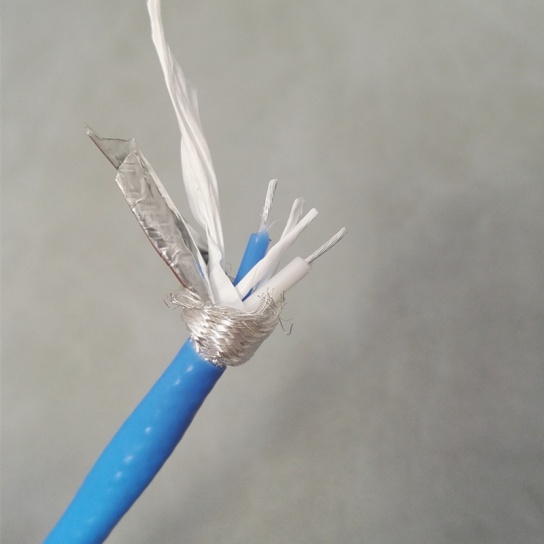
Aviation Cable for UAV Drones | Lightweight, Vibration-Resistant
In the rapidly evolving world of unmanned aerial vehicles (UAVs), every gram of weight and every second of signal stability matters. Whether you’re designing a compact quadcopter for agricultural mapping or a heavy-lift industrial drone for infrastructure inspection, the cables inside your aircraft are not just wires—they are the nervous system. A failure here can mean loss of control, data corruption, or even a catastrophic crash.
This is where specialized aviation cables for UAV dronescome into play. Unlike standard industrial cables, these are engineered from the ground up to be ultra-lightweight, exceptionally flexible, and highly resistant to the constant vibrations and mechanical stresses of flight. In this guide, we’ll dive deep into what makes these cables unique, their key features, technical specifications, and why they are the preferred choice for aerospace-grade drone applications.
What Are Aviation Cables for UAV Drones?
Aviation cables for UAV drones are high-performance wiring solutions designed specifically for unmanned aerial systems. They are built to meet the stringent demands of aerospace environments, where weight savings, signal integrity, and mechanical durability are critical.
High flexibilityfor tight routing and moving parts (like gimbals)
Superior vibration resistanceto withstand motor-induced oscillations
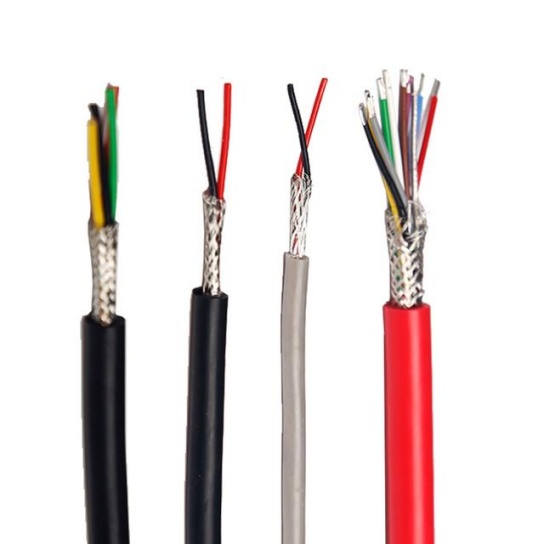
EMI/RFI shieldingto protect sensitive electronics
Wide temperature tolerancefor high-altitude or hot-engine zones
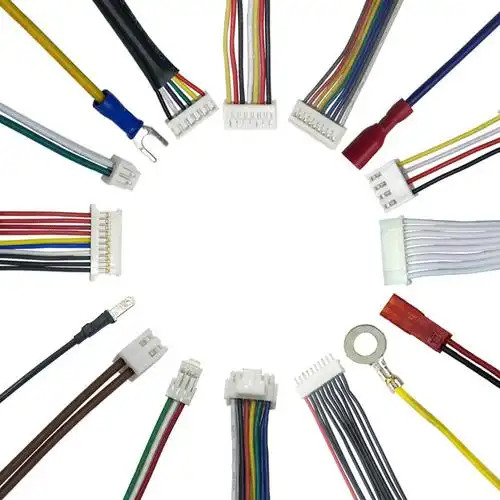
They are used across the drone’s architecture—from power distribution and motor connections to flight controllers, GPS modules, cameras, and communication systems.
Why Lightweight Matters in Drone Cabling
1. Extend Flight Time & Payload Capacity
Every extra gram reduces flight time and limits the payload a drone can carry. Aviation-grade cables use materials like silver-plated copper alloys or composite conductors that offer excellent conductivity with significantly less weight than standard copper.
For example:
A 100-meter tether cable might weigh under 2.7 kg when using optimized materials.
Thin-wall insulation (like FEP or PTFE) reduces diameter and mass without compromising dielectric strength.
2. Improve Maneuverability & Agility
Lighter drones respond faster to control inputs. Using lightweight cabling reduces rotational inertia, making the UAV more agile—especially important for racing drones, cinematography rigs, or tactical surveillance units.
The Critical Role of Vibration Resistance
1. Preventing Connection Failures
Drones generate constant vibration from motors and propellers. Over time, this can loosen connectors, fatigue solder joints, or crack insulation in rigid cables. Aviation cables combat this with:
High-flex designsrated for millions of bend cycles
Strain relief featureslike overmolded connectors or reinforced ends
Abrasion-resistant jackets(e.g., Flexx-Sil™, polyurethane) that absorb shock and resist wear
2. Maintaining Signal Integrity
Vibration can cause micro-movements in connectors, leading to intermittent signal loss—disastrous for flight control or live video feeds. Shielded aviation cables with robust connector locking mechanisms (e.g., ZIF/LIF with latches) ensure stable data transmission even under heavy vibration.
Key Features of High-Performance UAV Aviation Cables
1. Advanced Materials & Construction
Feature
Benefit
Silver-plated copper conductors
Better conductivity, corrosion resistance
Composite alloy conductors
Strength + conductivity, lower weight
FEP/PTFE insulation
High temp resistance, low friction, chemical inertness
Polyimide (Kapton) film
Ultra-thin, high-temp, excellent dielectric
Aramid (Kevlar) reinforcement
High tensile strength for tethers
Dual/triple shielding
Maximum EMI/RFI protection
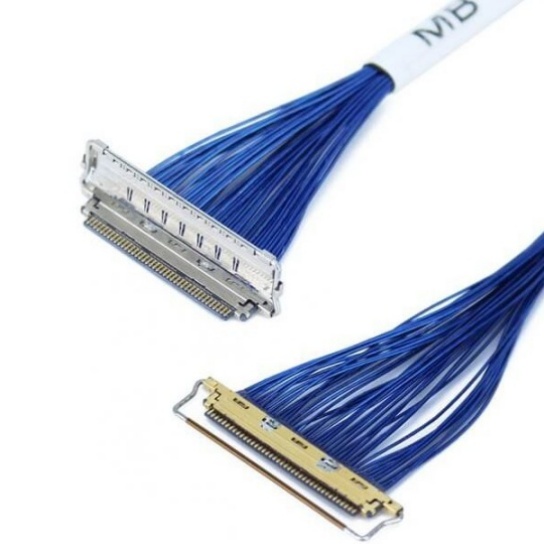
2. Flexible Flat Cable (FFC) Solutions
For compact areas like folding drones or gimbal assemblies, FFC cables offer:
Pre-folded designs for clean routing
Ultra-thin profiles (0.3mm pitch options)
High flex life (10M+ cycles)
ZIF connectors with locking tabs to prevent vibration-induced disconnections
These are ideal for connecting flight controllers to ESCs, cameras to processors, or GPS modules to mainboards.
3. Hybrid Power + Data Cables
Modern drones often integrate power and data in a single tether:
Copper conductors for power (e.g., 18AWG for motors)
Optical fibers for high-speed data (e.g., 4K video, telemetry)
Unified jacket for weight/size reduction
Example: A 2-power + 4-fiber hybrid tether with 5.2mm OD, rated for -55°C to +150°C, and tensile strength ≥40 kg.
Technical Specifications You Should Know
When selecting aviation cables for your UAV, consider these parameters:
Electrical
Voltage Rating: 14V/28V for avionics, up to 2500VDC for tethers
Current Capacity: Based on conductor size (e.g., 18AWG for 10A+)
Resistance: Low DC resistance (e.g., 3.8–10.5 Ω/100m) to minimize power loss
Insulation Resistance: High values (e.g., 1GΩ) to prevent leakage
Mechanical
Temperature Range: -65°C to +260°C for engine zones; -40°C to +125°C typical for UAVs
Bend Radius: As low as 25mm for tight installations
Tensile Strength: ≥40 kg for tethered systems
Flex Life: 5M–10M+ cycles for dynamic applications
Environmental
Flame Resistance: Low smoke, zero halogen (LSZH) jackets for safety
Chemical Resistance: Withstands fuels, hydraulic fluids, cleaning agents
UV & Moisture Resistance: Essential for outdoor operations
Common Applications in UAV Systems
Power Distribution
Battery to ESCs/motors
Main power bus wiring
High-current harnesses (10–14 AWG)
Flight Control & Navigation
Flight controller ↔ ESCs
GPS/GLONASS modules
IMU/barometer sensors
Payload & Gimbals
Camera/sensor data lines
Gimbal motor power
FFC cables for compact routing
Communication Systems
Video transmitters (analog/HD)
Telemetry radios
Antenna feeds
Tethered Drone Systems
Hybrid power + fiber tethers for persistent surveillance
High-voltage, low-resistance conductors
Optical fibers for lag-free video/data
Standards & Compliance
Reputable aviation cables adhere to rigorous standards:
Summary: Why Invest in Specialized Aviation Cables?
Using generic cables in a UAV is like putting economy tires on a race car—it might work, but you’re leaving performance and reliability on the table. Aviation cables for UAV dronesdeliver:
✅ Weight savingsthat extend flight time and increase payload
✅ Vibration resistancethat prevents failures and ensures stable data
Whether you’re building the next generation of delivery drones, surveillance UAVs, or agricultural monitoring systems, specifying the right cable from the start will save you time, money, and headaches down the line.
Product Overview: aviation cable
Machine vision cables are specialized components designed to ensure high-speed, stable data transmission and signal integrity in automated imaging systems. Key features include:
Technical Specifica.
When it comes to aviation safety and performance, every component must meet the highest standards—especially electrical systems. High-Temp Resistant Aviation Electrical Cables are engineered to deliver unparalleled durability and reliabi.
From commercial airliners to military drones, aviation cables are the unsung heroes ensuring reliable power, data, and signal transmission in the skies. These specialized cables are engineered to withstand extreme conditions—think turbule.
Designed to meet the rigorous demands of modern aviation and defense systems, Lightweight MIL-SPEC Aviation Wiring Cables represent the pinnacle of reliability, durability, and performance. Engineered to comply with stringent military sp.
Premium Aviation Cables for Aircraft Systems: Elevating Safety and Performance
In the demanding world of aviation, reliability and precision are non-negotiable. Premium Aviation Cables for Aircraft Systems are engineered to meet the r.