aviation cable factory|FRS
In the high-stakes world of aerospace engineering, every component plays a vital role in ensuring flight safety, operational efficiency, and mission success. Among these components, aviation cables are often referred to as the “nervous system” of an aircraft. They connect flight controls, avionics, lighting, sensors, and communication systems, making them indispensable to both commercial and military aviation.
For procurement managers, aerospace engineers, and OEMs, finding a reliable aviation cable factory is not just about sourcing cables—it is about securing long-term safety, compliance, and performance. This article explores the critical aspects of aviation cable manufacturing, the types of cables used in aerospace applications, industry standards, and why choosing the right factory matters. We’ll also introduce FRS Cable, a trusted name in the aviation cable manufacturing industry.
What Is an Aviation Cable Factory?
An aviation cable factory is a specialized manufacturing facility that produces high-performance cables and wiring systems designed specifically for aerospace environments. Unlike standard industrial cables, aviation cables must withstand extreme conditions such as:
- High altitude and low air pressure
- Extreme temperature variations (-65°C to +260°C)
- High vibration and mechanical stress
- Exposure to aviation fuels, hydraulic fluids, and de-icing chemicals
- Electromagnetic interference (EMI) and radio frequency interference (RFI)
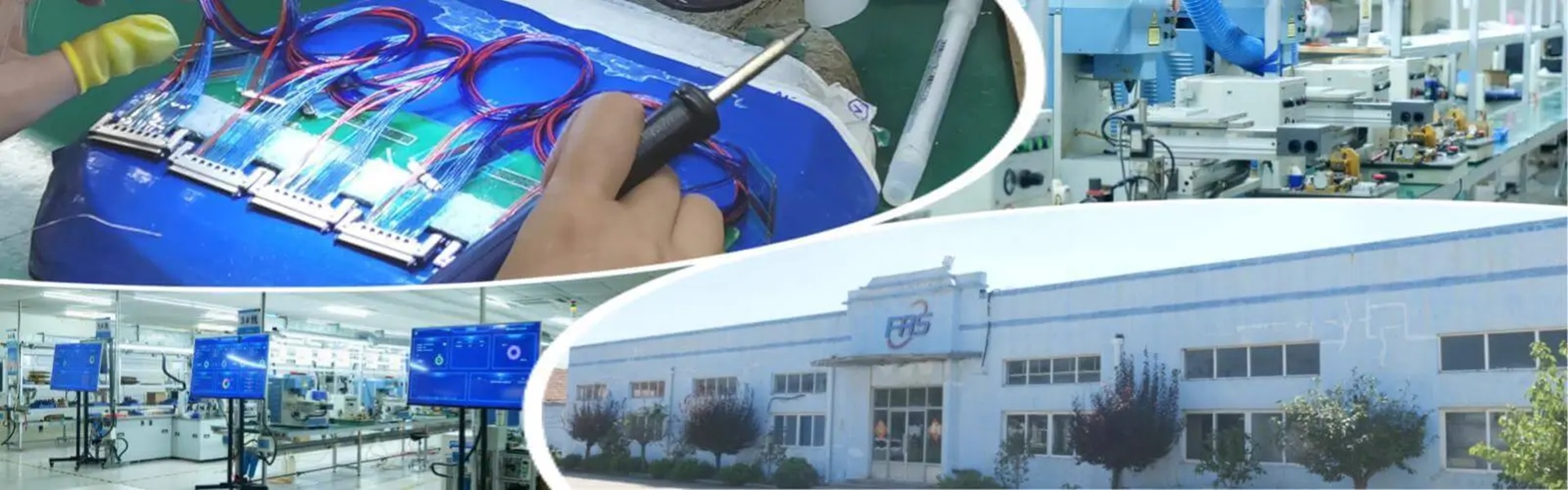
These factories are equipped with advanced machinery, cleanroom environments, and rigorous quality control systems to ensure that every meter of cable meets strict aerospace standards such as MIL-SPEC, AS9100, FAA, EASA, and GJB (China’s military standards).
Types of Aviation Cables Produced in an Aviation Cable Factory
A professional aviation cable factory typically manufactures a wide range of cable types, each engineered for specific aerospace applications. Some of the most common include:
1. FEP/PFA-Insulated Aviation Cables
Fluoropolymer-insulated cables, such as those using FEP (Fluorinated Ethylene Propylene) and PFA (Perfluoroalkoxy), are widely used in aerospace due to their superior thermal and chemical resistance. These cables offer:
- Operating temperature range from -65°C to +200°C
- Excellent dielectric properties
- Low smoke and flame propagation
- Resistance to aviation fuels and cleaning solvents
They are ideal for avionics, in-flight entertainment systems, and engine-adjacent installations.
2. MIL-STD-1553B Data Bus Cables
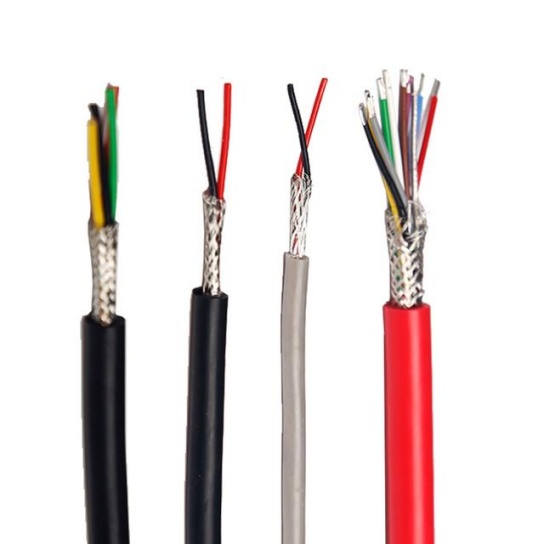
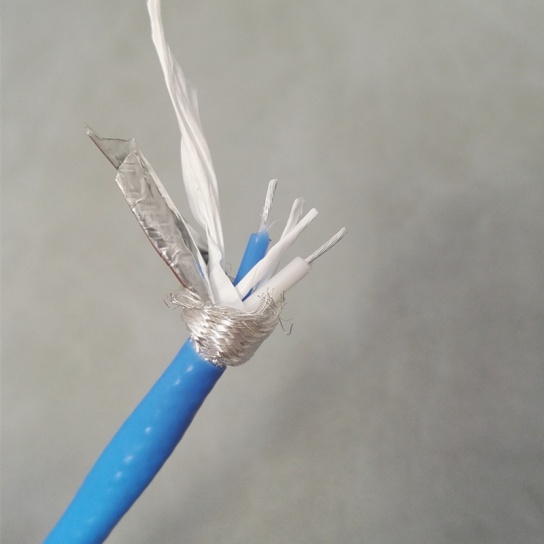
The MIL-STD-1553B data bus is the backbone of aircraft communication systems. Aviation cable factories produce dual-shielded twisted pair cables with tightly controlled impedance (78 ± 3 Ω) to ensure signal integrity. These cables are used in:
- Flight management systems
- Navigation and mission computers
- UAV data links
- Military communication networks
3. High-Temperature Aviation Cables
Engine compartments, APUs (Auxiliary Power Units), and exhaust areas require cables that can endure continuous exposure to high heat. High-temperature cables use advanced insulation materials such as PTFE, polyimide, or ceramic-filled compounds and can operate reliably at temperatures up to 260°C.
4. Coaxial and RF Cables
Radio frequency (RF) and coaxial cables are essential for radar, satellite communication, and collision avoidance systems. These cables must maintain low attenuation and high shielding effectiveness to prevent signal loss in critical operations.
5. Fiber Optic Cables
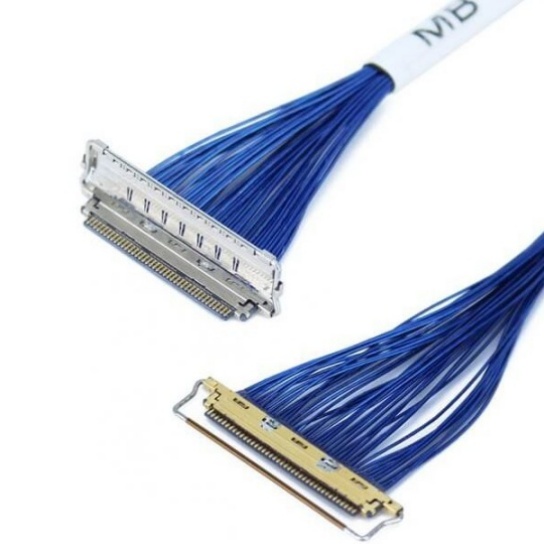
As aircraft become more digital and data-driven, fiber optic cables are increasingly used for high-speed data transmission. Aviation cable factories with cleanroom capabilities produce these cables to prevent contamination and ensure optimal light transmission.
Key Manufacturing Processes in an Aviation Cable Factory
Producing aerospace-grade cables is a complex, multi-stage process that demands precision and consistency. A top-tier aviation cable factory typically follows these steps:
1. Material Selection and Traceability
Only aerospace-approved raw materials are used. Copper conductors are often silver- or nickel-plated to enhance conductivity and corrosion resistance. Insulation materials are selected based on thermal, chemical, and electrical requirements. Full material traceability is maintained from batch to finished product.
2. Precision Extrusion and Insulation
Advanced extrusion lines apply insulation layers with micron-level accuracy. Laser-based measurement systems ensure uniform thickness and diameter, which is critical for maintaining electrical performance and meeting flammability standards.
3. Shielding and Braiding
To protect against EMI/RFI, cables are shielded using foil, braided wire, or a combination of both. Automated braiding machines ensure consistent coverage and mechanical strength.
4. Jacketing and Marking
Outer jackets are applied using materials like PTFE, FEP, or polyurethane. Laser or inkjet marking systems print identification codes, part numbers, and compliance symbols directly onto the cable for traceability.
5. Testing and Quality Control
Every batch undergoes rigorous testing, including:
- Continuity and insulation resistance tests
- Dielectric withstand voltage tests
- Time Domain Reflectometry (TDR) for impedance analysis
- Flame, smoke, and toxicity (FST) testing
- Thermal cycling and vibration simulation
Only cables that pass all tests are released with a Certificate of Conformance (CoC).
Industry Standards and Certifications
A reputable aviation cable factory must comply with a range of international and military standards. These include:
- AS9100 / EN9100: Aerospace Quality Management Systems
- MIL-SPEC: U.S. military specifications such as MIL-DTL-17, MIL-DTL-27500
- FAA / EASA: Civil aviation authority requirements
- GJB: Chinese military standards for defense applications
- DO-160: Environmental conditions and test procedures for airborne equipment
Compliance with these standards ensures that cables can perform reliably in the most demanding aerospace environments.
Why Choosing the Right Aviation Cable Factory Matters
Selecting the wrong supplier can lead to catastrophic consequences, including system failures, regulatory non-compliance, and costly recalls. Here’s why partnering with an experienced aviation cable factory is critical:
1. Safety and Reliability
Aerospace systems have zero tolerance for failure. A certified factory ensures that every cable meets or exceeds safety standards, reducing the risk of in-flight malfunctions.
2. Custom Engineering Support
Top factories offer design collaboration, helping customers optimize cable routing, weight, and performance. This is especially important for UAVs, eVTOLs, and space-constrained applications.
3. Supply Chain Stability
A reliable factory maintains multiple approved suppliers for raw materials and implements anti-counterfeiting measures. This ensures continuity of supply even during global disruptions.
4. Faster Time-to-Market
In-house testing labs and rapid prototyping capabilities allow for faster qualification and certification, helping OEMs meet tight development schedules.
5. Cost Efficiency Over Lifecycle
While aerospace cables may have a higher upfront cost, their durability and low maintenance requirements result in lower total cost of ownership over the aircraft’s lifespan.
Market Trends Driving Demand for Aviation Cables
The global aviation cable market is projected to grow from USD 4.94 billion in 2025 to USD 7.07 billion by 2030, at a CAGR of 7.4%. Several factors are driving this growth:
- Increasing aircraft production and fleet expansion
- Rise of electric and hybrid-electric aircraft
- Growing demand for in-flight connectivity and entertainment
- Modernization of military aviation fleets
- Expansion of UAV and eVTOL markets
As aircraft become more electrified and data-intensive, the demand for lightweight, high-performance, and EMI-resistant cables will continue to rise.
FRS Cable: Your Trusted Aviation Cable Factory
As a professional aviation cable manufacturer, FRS Cable specializes in producing high-performance aerospace-grade cables that meet the most stringent industry standards. With over a decade of experience, FRS serves customers across commercial aviation, defense, and space sectors.
Our Core Product Lines
- FEP/PFA-Insulated Cables: Designed for high-temperature and chemically aggressive environments.
- MIL-STD-1553B Data Bus Cables: Engineered for mission-critical data communication with superior shielding.
- High-Temperature Cables: Rated for continuous operation up to 260°C, ideal for engine and APU wiring.
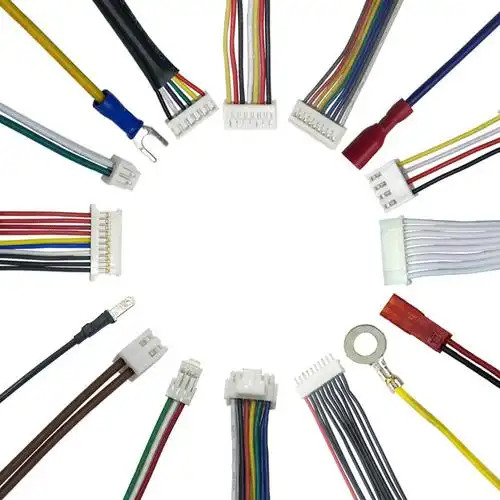
- Custom Cable Assemblies: Built to print or co-engineered for specific aerospace platforms.
Why Choose FRS Cable?
- Certified Quality: Our products are manufactured under AS9100 and GJB-compliant quality systems.
- Advanced Manufacturing: Equipped with precision extrusion, automated braiding, and laser marking systems.
- In-House Testing: Full electrical, mechanical, and environmental testing capabilities.
- Engineering Partnership: We collaborate with customers from design to certification.
- Global Reach: Serving clients in Asia, Europe, and North America with responsive support.
Whether you are developing next-generation commercial aircraft, upgrading military platforms, or building UAV systems, FRS Cable is your reliable partner for high-quality aviation cables.
Conclusion
An aviation cable factory is more than just a production facility—it is a critical partner in ensuring the safety, performance, and success of aerospace systems. From material selection and precision manufacturing to rigorous testing and certification, every step matters.
As the aerospace industry continues to evolve, the demand for advanced, lightweight, and reliable cables will only grow. By choosing a factory that combines technical expertise, certified quality, and customer-centric service, you can ensure that your aircraft systems are built on a foundation of excellence.
If you are looking for a trusted aviation cable manufacturer that understands the unique challenges of aerospace applications, look no further than FRS Cable. Contact us today to discuss your project requirements and discover how our solutions can support your mission.
Contact Us Right Now:
E-MAIL: sales@custom-cable-assemblies.com