What standards must aviation cable assembly custom comply with for aerospace use?
In the aerospace industry, where safety, reliability, and performance are non-negotiable, custom aviation cable assemblies play a critical role in ensuring the seamless operation of aircraft, spacecraft, and related systems. These assemblies are responsible for transmitting power, signals, and data between key components—from flight control systems and avionics to engine monitoring and communication devices. However, given the extreme conditions of aerospace environments—including high temperatures, intense vibrations, radiation, and pressure fluctuations—custom aviation cable assemblies cannot be designed or manufactured arbitrarily. They must adhere to a strict set of international, regional, and industry-specific standards to guarantee compliance, mitigate risks, and meet the rigorous demands of aerospace applications. This article delves into the core standards that govern custom aviation cable assemblies for aerospace use, explaining their significance, key requirements, and implications for manufacturers and buyers.
1. International Organization for Standardization (ISO) Standards
The International Organization for Standardization (ISO) develops and publishes global standards that ensure products, services, and systems are safe, reliable, and of consistent quality. For custom aviation cable assemblies, several ISO standards are foundational, as they provide a universal framework for design, materials, manufacturing, and testing.
1.1 ISO 9001: Quality Management Systems
While ISO 9001 is not specific to aviation cable assemblies, it is a mandatory requirement for almost all aerospace manufacturers. This standard specifies the criteria for a quality management system (QMS) that ensures organizations consistently provide products and services that meet customer and regulatory requirements. For custom aviation cable assembly manufacturers, compliance with ISO 9001 means implementing processes for document control, risk management, supplier evaluation, product design verification, and continuous improvement. For example, during the custom design phase, ISO 9001 requires manufacturers to document customer requirements, conduct feasibility studies, and establish design controls to prevent errors. During manufacturing, it mandates strict process monitoring and inspection to ensure each assembly meets the specified quality criteria. Compliance with ISO 9001 is often a prerequisite for obtaining other aerospace-specific certifications, making it a cornerstone of regulatory compliance.
1.2 ISO 14644: Cleanroom Standards
Aerospace cable assemblies, especially those used in spacecraft or critical avionics, are often manufactured in cleanroom environments to prevent contamination by dust, particles, or moisture—contaminants that could compromise performance or cause system failures. ISO 14644 sets the standards for cleanroom classification, air cleanliness, and contamination control. For custom aviation cable assembly manufacturers, compliance with ISO 14644 means maintaining controlled environments with specified particle counts (e.g., ISO 8 or ISO 7 cleanrooms) during manufacturing, assembly, and testing. This includes implementing air filtration systems, gowning requirements for personnel, and regular monitoring of air quality. For instance, when manufacturing custom cable assemblies for satellite communication systems, even tiny particles could interfere with signal transmission or damage sensitive components. Adhering to ISO 14644 ensures that these assemblies are free from contaminants that could impact their reliability in space.
2. Aerospace Industry Association (AIA) Standards
The Aerospace Industry Association (AIA) is a trade association representing aerospace and defense manufacturers in the United States. Its standards are widely adopted globally and focus on specific aspects of aerospace component manufacturing, including cable assemblies. Two key AIA standards for custom aviation cable assemblies are AS50881 and AS6072.
2.1 AS50881: Qualification and Performance Requirements for Cable Assemblies
AS50881 is a critical standard for custom aviation cable assemblies, as it specifies the qualification requirements, performance criteria, and testing methods for cable assemblies used in aerospace applications. This standard covers both single-conductor and multi-conductor cables, as well as shielded and unshielded assemblies. Key requirements of AS50881 include:
- Material Requirements: Specifies the types of materials that can be used for conductors, insulators, jackets, and shielding (e.g., copper conductors, fluoropolymer insulators like PTFE, and braided copper shielding). Materials must be resistant to high temperatures, chemicals, and radiation, as well as flame-retardant.
- Manufacturing Requirements: Details the processes for wire stripping, crimping, soldering, and assembly. For example, crimp connections must meet specific pull-strength requirements to ensure they do not fail under vibration or stress. Soldering processes must be controlled to prevent cold joints or solder bridges, which could cause electrical failures.
- Testing Requirements: Mandates a series of tests to verify the performance and reliability of custom cable assemblies, including continuity testing, insulation resistance testing, high-potential (hipot) testing, pull testing, and environmental testing (temperature cycling, humidity, vibration, and shock).
Compliance with AS50881 is essential for custom aviation cable assemblies used in commercial and military aircraft, as it ensures that the assemblies can withstand the harsh conditions of flight and meet the safety requirements of aerospace regulators.
2.2 AS6072: Requirements for Cable Harness Assemblies for Space Applications
For custom aviation cable assemblies designed for space applications (e.g., satellites, rockets, or space stations), AS6072 is the primary standard. This standard is more stringent than AS50881, as space environments present unique challenges, including extreme temperature variations (-270°C to 120°C), vacuum conditions, radiation, and micro-meteoroid impacts. Key requirements of AS6072 include:
- Radiation Resistance: Materials used in cable assemblies must be resistant to ionizing radiation to prevent degradation of insulators and conductors, which could lead to electrical failures.
- Outgassing Control: In vacuum environments, materials can release volatile organic compounds (VOCs), which can condense on sensitive components (e.g., optical sensors) and impair their performance. AS6072 requires materials to meet low-outgassing requirements (e.g., NASA’s SP-R-0022A standard).
- Mechanical Durability: Cable assemblies must be designed to withstand the mechanical stresses of launch (shock and vibration) and deployment in space. This includes using robust shielding and strain reliefs to prevent cable damage.
Manufacturers of custom space cable assemblies must undergo rigorous qualification testing to demonstrate compliance with AS6072, including thermal vacuum testing, radiation testing, and vibration testing simulating launch conditions.
3. Society of Automotive Engineers (SAE) Standards
The Society of Automotive Engineers (SAE) develops standards for automotive, aerospace, and commercial vehicle industries. For custom aviation cable assemblies, SAE standards focus on materials, performance, and testing, and are widely recognized by aerospace manufacturers and regulators.
3.1 SAE AS4373: Insulated Electric Wire for Aerospace Applications
While SAE AS4373 specifically applies to insulated wires (the building blocks of cable assemblies), it is a critical standard for custom aviation cable assembly manufacturers. This standard specifies the requirements for single-conductor insulated wires used in aerospace applications, including material composition, insulation thickness, temperature rating, and electrical performance. For example, SAE AS4373 classifies wires based on their temperature rating (e.g., 150°C, 200°C, or 260°C) and insulation type (e.g., cross-linked polyethylene, PTFE, or ETFE). Custom cable assemblies must use wires that comply with SAE AS4373 to ensure they can withstand the high temperatures encountered in engine compartments or other critical areas of an aircraft. Additionally, the standard requires wires to undergo testing for insulation resistance, voltage breakdown, and flame resistance.
3.2 SAE AS568: Aerospace Hydraulic Hose Fittings (Relevant for Cable Assembly Connectors)
While SAE AS568 is primarily known for hydraulic hose fittings, it also includes specifications for connectors used in aviation cable assemblies. Connectors are a critical component of cable assemblies, as they ensure secure and reliable electrical connections. SAE AS568 specifies the dimensions, materials, and performance requirements for connectors used in aerospace applications, including corrosion resistance, mating cycles, and environmental sealing. For custom aviation cable assemblies, using connectors that comply with SAE AS568 ensures compatibility with other aerospace components and prevents connection failures due to corrosion, vibration, or moisture ingress. For example, in commercial aircraft, connectors must be able to withstand repeated mating and unmating during maintenance without compromising their electrical performance.
4. European Aviation Safety Agency (EASA) and European Committee for Standardization (CEN/CENELEC) Standards
For custom aviation cable assemblies used in European-registered aircraft or spacecraft, compliance with EASA regulations and CEN/CENELEC standards is mandatory. EASA is the European Union’s aviation safety regulator, and its standards are aligned with international standards (e.g., ISO, ICAO) but may include additional requirements.
4.1 EASA Part 21: Certification of Aircraft, Products, Parts, and Appliances
EASA Part 21 sets the requirements for the certification of aerospace products, including custom aviation cable assemblies. To market a custom cable assembly in the European Union, manufacturers must obtain a Production Organization Approval (POA) from EASA, which requires compliance with strict quality management and manufacturing standards (similar to ISO 9001 and AS50881). Additionally, EASA Part 21 requires that custom cable assemblies undergo type certification to demonstrate that they meet the safety and performance requirements for their intended application. For example, a custom cable assembly designed for use in a European commercial aircraft must be certified by EASA to ensure it can withstand the operational conditions of that aircraft type.
4.2 CEN/CENELEC EN 9100: Aerospace Quality Management System
EN 9100 is the European equivalent of ISO 9001 for the aerospace industry, developed by CEN (European Committee for Standardization) and CENELEC (European Committee for Electrotechnical Standardization). This standard specifies the requirements for a quality management system tailored to the aerospace industry, including risk management, configuration control, and traceability. For custom aviation cable assembly manufacturers operating in Europe, compliance with EN 9100 is mandatory for obtaining EASA certification. EN 9100 requires manufacturers to maintain detailed records of all processes, from material procurement to final testing, to ensure full traceability of each custom cable assembly. This traceability is critical in the event of a product recall or failure, as it allows manufacturers and regulators to identify the root cause quickly.
5. Military Standards (MIL-STD) for Defense Aerospace Applications
For custom aviation cable assemblies used in military aerospace applications (e.g., fighter jets, military satellites, or unmanned aerial vehicles), compliance with U.S. Military Standards (MIL-STD) is required. These standards are more stringent than commercial standards, as military applications demand higher levels of reliability, durability, and resistance to harsh environments.
5.1 MIL-STD-461: Electromagnetic Interference (EMI) and Electromagnetic Compatibility (EMC) Requirements
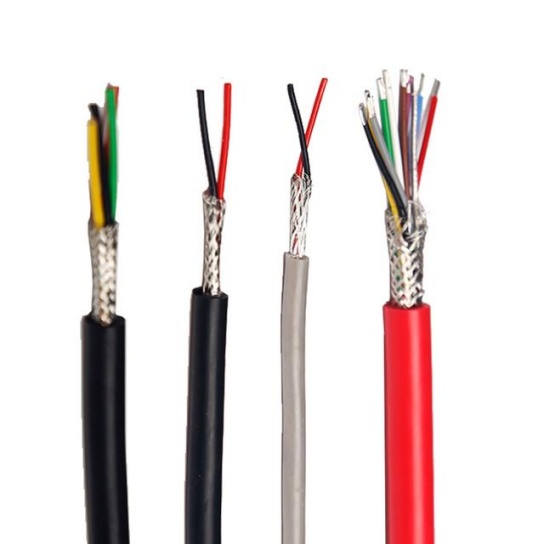
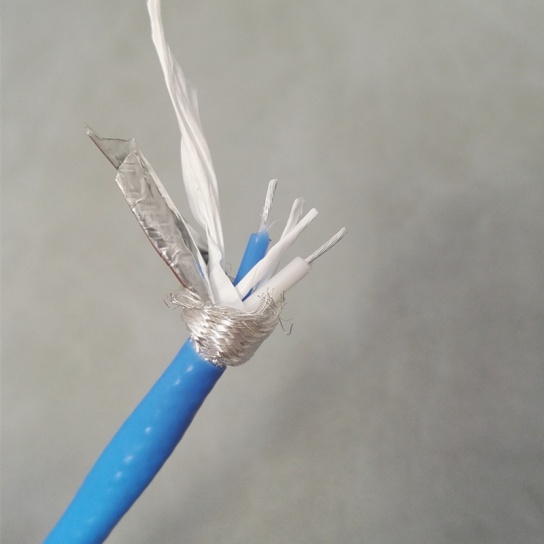
MIL-STD-461 specifies the requirements for electromagnetic interference (EMI) and electromagnetic compatibility (EMC) of aerospace and defense equipment, including custom cable assemblies. EMI can disrupt the operation of sensitive avionics and communication systems, so military cable assemblies must be designed to minimize EMI emission and susceptibility. Key requirements of MIL-STD-461 include: Shielding Requirements: Cable assemblies must use effective shielding (e.g., braided copper, foil shielding) to prevent EMI from entering or exiting the cable.EMC Testing: Custom cable assemblies must undergo EMC testing, including radiated emission testing, radiated susceptibility testing, and conducted emission testing, to demonstrate compliance with MIL-STD-461 limits.For example, a custom cable assembly used in a military fighter jet must comply with MIL-STD-461 to ensure it does not interfere with the aircraft’s radar, communication, or weapons systems.
5.2 MIL-STD-810: Environmental Engineering Considerations and Laboratory Tests
MIL-STD-810 specifies the environmental testing requirements for aerospace and defense equipment, including custom cable assemblies. This standard covers a wide range of environmental conditions, including high and low temperatures, humidity, vibration, shock, salt spray, dust, and radiation. For custom military cable assemblies, compliance with MIL-STD-810 requires rigorous testing to ensure they can withstand the extreme conditions of military operations. For example, a cable assembly used in a desert-based unmanned aerial vehicle (UAV) must undergo dust testing and temperature cycling testing to demonstrate that it can operate reliably in high temperatures and dusty environments. A cable assembly used in a naval aircraft must undergo salt spray testing to ensure resistance to corrosion from seawater.
6. Key Considerations for Compliance in Custom Aviation Cable Assembly
Complying with the aforementioned standards is not a one-time task but an ongoing process that requires manufacturers to integrate standard requirements into every stage of the custom cable assembly design and manufacturing process. Here are some key considerations for ensuring compliance:
6.1 Partner with a Qualified Manufacturer
When sourcing custom aviation cable assemblies, it is critical to partner with a manufacturer that has the necessary certifications (e.g., ISO 9001, EN 9100, AS50881) and experience in aerospace applications. A qualified manufacturer will have a deep understanding of the relevant standards and can guide you through the custom design process to ensure compliance.
6.2 Define Clear Requirements Upfront
Before starting the custom design process, clearly define the intended application of the cable assembly (e.g., commercial aircraft, military satellite, space station) and the environmental conditions it will encounter. This will help the manufacturer select the appropriate materials, design features, and testing methods to meet the relevant standards.
6.3 Conduct Rigorous Testing
Testing is a critical component of compliance. Ensure that the custom cable assembly undergoes all required tests (e.g., continuity, hipot, vibration, temperature cycling) as specified by the relevant standards. Request test reports from the manufacturer to verify compliance.
6.4 Maintain Traceability
Traceability is required by most aerospace standards (e.g., EN 9100, MIL-STD). Ensure that the manufacturer maintains detailed records of all materials used, manufacturing processes, and testing results for each custom cable assembly. This will allow for easy identification and recall if necessary.
Conclusion
Custom aviation cable assemblies for aerospace use must comply with a complex set of international, regional, and industry-specific standards. These standards—including ISO 9001, AS50881, AS6072, SAE AS4373, EASA Part 21, and MIL-STD—are designed to ensure the safety, reliability, and performance of cable assemblies in the extreme conditions of aerospace environments. Compliance with these standards requires a collaborative effort between manufacturers and buyers, involving careful material selection, rigorous design control, thorough testing, and detailed traceability. By understanding and adhering to these standards, manufacturers can produce custom aviation cable assemblies that meet the rigorous demands of the aerospace industry, while buyers can ensure that the assemblies they source are safe, reliable, and fit for purpose. In an industry where failure is not an option, compliance with these standards is not just a regulatory requirement but a commitment to safety and excellence.