What standards do China’s aviation cable suppliers need to meet for global markets?
The global aviation industry is built on the cornerstone of safety, reliability, and compliance. As a major player in the global supply chain, China’s aviation cable suppliers are increasingly sought after by international aerospace manufacturers, airlines, and defense contractors. However, accessing global markets requires adhering to a complex web of international standards, technical specifications, and quality certifications. Aviation cables, which serve as the “nervous system” of aircraft, satellites, and aerospace equipment, must operate flawlessly in extreme environments—including high and low temperatures, vacuum, strong radiation, and intense vibration. This article delves into the key standards that China’s aviation cable suppliers must meet to compete effectively and gain trust in the global marketplace.
1. Core International Aviation Cable Standards
Global aviation markets are dominated by two primary sets of regional standards: U.S. military standards (MIL) and European EN/ASD-STAN standards. These standards define the technical requirements for cable materials, design, performance, and testing, ensuring compatibility and safety across international aerospace platforms.
1.1 U.S. Military Standards (MIL Standards)
The United States is a critical market for aviation components, and compliance with U.S. military standards (MIL) is often a prerequisite for supplying to U.S. aerospace companies and the U.S. Department of Defense. Two of the most influential MIL standards for aviation cables are:
- MIL-W-22759: This standard specifies requirements for fluoropolymer-insulated, lightweight, high-temperature aviation cables. Widely used in aircraft power and signal transmission systems, cables meeting MIL-W-22759 must withstand operating temperatures ranging from -65°C to 200°C and exhibit excellent resistance to chemical corrosion and radiation. The standard also mandates strict controls on conductor material, insulation thickness, and electrical performance to ensure reliability in harsh aerospace environments.
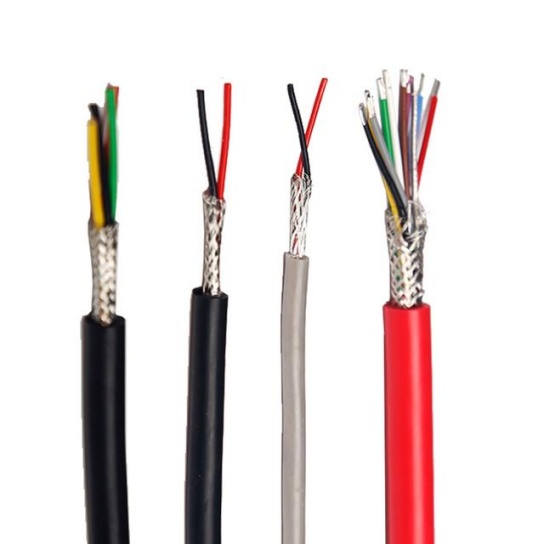
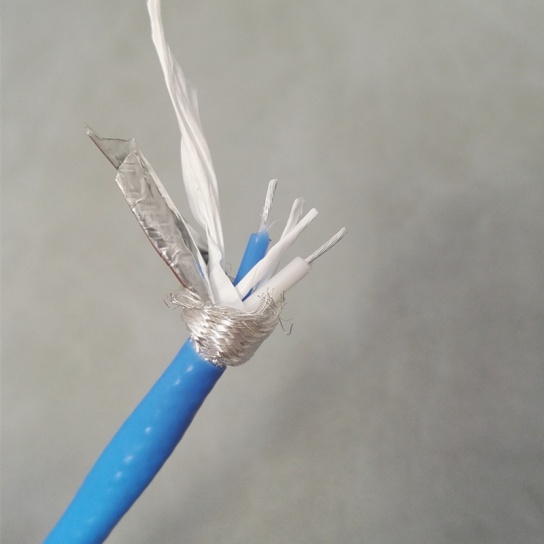
- MIL-C-27500: Focused on multi-core shielded aviation cables, MIL-C-27500 is essential for signal integrity in avionics systems, including navigation, communication, and flight control systems. The standard requires effective electromagnetic shielding to prevent interference from other on-board electrical components, as well as durability against abrasion and mechanical stress. Cables certified to MIL-C-27500 are designed to maintain signal clarity even in high-vibration scenarios, such as during takeoff and landing.
In addition to these product-specific standards, suppliers targeting the U.S. market must also comply with regulations from the U.S. Federal Aviation Administration (FAA). The FAA’s Title 14 of the Code of Federal Regulations (CFR) § 25.689, for example, mandates that all aircraft cable systems—including cables, fittings, and splices—must be approved and designed to prevent hazardous tension changes under operating conditions and temperature variations. For repairs or modifications to cables installed on U.S.-registered aircraft, the FAA may accept design data approved by the European Aviation Safety Agency (EASA) under specific bilateral agreements, but direct compliance with FAA standards remains the most straightforward path to market access.
1.2 European EN/ASD-STAN Standards
Europe’s aviation sector, governed by EASA, relies on EN (European Norm) and ASD-STAN (Aerospace and Defence Industries Association of Europe Standardization) standards. Key standards for China’s aviation cable suppliers include:
- EN 2267: This standard specifies requirements for fire-resistant, low-smoke, halogen-free (LSHF) aerospace cables. A critical safety requirement in European aircraft, LSHF cables emit minimal smoke and toxic gases in the event of a fire, protecting passengers and crew and ensuring visibility for emergency evacuation. EN 2267 also mandates high temperature resistance and mechanical durability, making these cables suitable for use in cabin systems, engine compartments, and other high-risk areas.
- EN 3475: Focused on cables for aerospace electrical systems, EN 3475 defines performance criteria for conductor resistance, insulation resistance, and voltage withstand capabilities. The standard also includes strict testing requirements for environmental adaptability, such as resistance to extreme temperatures, humidity, and chemical fluids commonly found in aircraft.
EASA certification is a key milestone for suppliers looking to enter the European market. EASA’s Part 21 regulations govern the approval of aerospace components, including cables, and require suppliers to demonstrate compliance with all relevant EN/ASD-STAN standards through rigorous testing and documentation. Like the FAA, EASA has bilateral agreements with other aviation authorities, facilitating cross-border acceptance of certified components, but direct compliance with European standards is essential for mainstream market access.
1.3 International Electrotechnical Commission (IEC) Standards
While regional standards dominate, the International Electrotechnical Commission (IEC) provides global benchmarks that are widely recognized and adopted by many countries. For aviation cables, IEC 60502 is a key standard, specifying requirements for power cables with extruded insulations for rated voltages from 1 kV to 30 kV. This standard is particularly relevant for airport ground lighting systems and auxiliary aerospace equipment, where reliable power transmission is critical. IEC 60502 covers conductor material, insulation thickness, sheath properties, and testing methods, ensuring consistency across international markets.
2. Quality Management System Certifications
Beyond product-specific standards, global aviation customers require suppliers to implement robust quality management systems (QMS) that ensure consistent product quality and continuous improvement. The most widely recognized QMS certification for the aerospace industry is AS9100.
2.1 AS9100 Certification
AS9100 is an aerospace-specific quality standard based on ISO 9001, with additional requirements for safety, reliability, and regulatory compliance. Developed by the International Aerospace Quality Group (IAQG), AS9100 is mandatory for most aerospace manufacturers and suppliers worldwide. The standard covers all aspects of the supply chain, from design and development to production, installation, and service. Key requirements of AS9100 include:
- Risk management: Identifying and mitigating risks throughout the product lifecycle, including supply chain risks such as raw material shortages or non-compliant components.
- Configuration management: Maintaining control over product designs and modifications to ensure consistency and traceability.
- Traceability: Tracking all components and materials from raw material suppliers to the final product, enabling quick recall or investigation in the event of a quality issue.
- Continuous improvement: Implementing processes to monitor and improve product quality and customer satisfaction.
To obtain AS9100 certification, suppliers must undergo an in-depth audit by an accredited third-party registrar. Certification is not permanent; suppliers must be re-audited annually to maintain compliance, ensuring that their QMS remains effective and up-to-date with the latest industry requirements. Many global aerospace companies, such as Prysmian, TE Connectivity, and Carlisle Interconnect, require their suppliers to hold AS9100 certification as a basic qualification criterion.
2.2 Complementary QMS Certifications
In addition to AS9100, some global customers may require supplementary certifications, such as:
- ISO 14001: An environmental management system standard that demonstrates a supplier’s commitment to reducing environmental impact, such as minimizing waste from production processes.
- OHSAS 18001 (now ISO 45001): An occupational health and safety standard that ensures safe working conditions for employees, a key consideration for responsible aerospace customers.
- NADCAP Certification: For suppliers involved in specialized processes such as heat treatment, welding, or non-destructive testing, NADCAP (National Aerospace and Defense Contractors Accreditation Program) certification provides additional assurance of process quality and compliance.
3. Product-Specific Performance and Safety Requirements
In addition to meeting regional and international standards, China’s aviation cable suppliers must address specific performance and safety requirements tailored to different aviation applications. These requirements are often more stringent than general industrial standards, reflecting the critical role of cables in aircraft safety.
3.1 Environmental Adaptability
Aviation cables operate in some of the most extreme environments on Earth, from the freezing temperatures of high-altitude flight to the high heat of engine compartments. Global customers require cables to meet strict environmental performance criteria, including:
- Temperature resistance: Cables must withstand operating temperatures ranging from -65°C to 260°C (depending on the application) without degradation of insulation or conductor performance.
- Vibration and shock resistance: Cables must maintain structural integrity and electrical performance under intense vibration (common during takeoff, landing, and turbulence) and shock loads (such as hard landings or equipment failures).
- Radiation resistance: For aerospace applications such as satellites or space shuttles, cables must resist the effects of ionizing radiation, which can degrade insulation materials over time.
- Chemical resistance: Cables must withstand exposure to aviation fluids such as jet fuel, hydraulic fluids, and cleaning agents without swelling, cracking, or losing performance.
3.2 Safety Requirements
Safety is paramount in the aviation industry, and cables must meet strict safety standards to minimize the risk of fire, electrical failure, or other hazards. Key safety requirements include:
- Fire resistance and flame retardancy: Cables must resist ignition and prevent the spread of fire. Low-smoke, halogen-free (LSHF) insulation is increasingly required to reduce smoke density and toxic gas emissions in the event of a fire, as specified in EN 2267 and other regional standards.
- Electrical safety: Cables must meet strict limits for electrical resistance, capacitance, and dielectric strength to prevent short circuits, electric shocks, or signal interference. For high-voltage applications such as airport lighting systems, cables must withstand voltage surges and maintain insulation integrity under normal and abnormal operating conditions.
3.3 Lightweight and Miniaturization Requirements
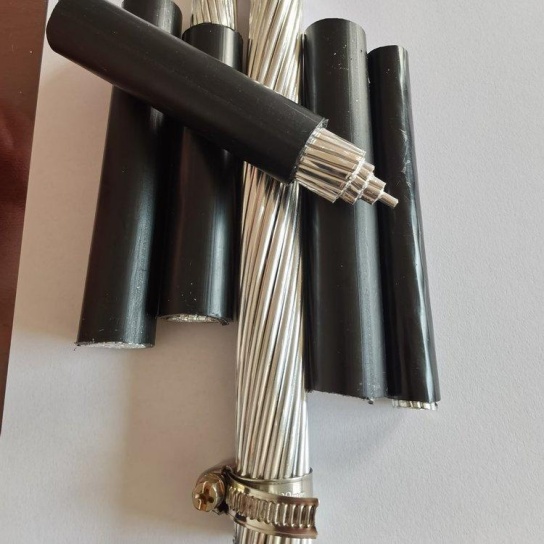
Aircraft weight is a critical factor in fuel efficiency and performance. Global aviation customers increasingly demand lightweight, miniaturized cables that reduce overall aircraft weight without compromising performance. This requires the use of advanced materials such as high-strength aluminum alloys, lightweight fluoropolymers, and composite insulations. For example, MIL-W-22759 cables are designed to be lightweight while maintaining high temperature resistance, making them ideal for modern fuel-efficient aircraft.
3. China’s Domestic Standards and Global Alignment
China’s aviation industry has its own set of domestic standards, such as the GJB (Guojia Junyong Biaozhun, National Military Standard) series and QJ (Qingjian Biaozhun, Aerospace Standard) series. GJB 773, for example, specifies requirements for aerospace cables used in Chinese military and civilian aircraft. While these standards are essential for supplying to the Chinese domestic market, global customers typically require compliance with international standards such as MIL, EN, or IEC in addition to domestic certification.
To enhance global competitiveness, many Chinese aviation cable suppliers are aligning their domestic standards with international benchmarks. For example, China’s GB/T 19666-2008 standard for fire-resistant cables incorporates elements of EN 50200-2015, ensuring compatibility with European safety requirements. This alignment not only facilitates access to global markets but also improves the quality of cables supplied to the domestic market.
4. Key Considerations for China’s Aviation Cable Suppliers
Meeting global standards is a complex and long-term process that requires significant investment in technology, testing, and certification. For China’s aviation cable suppliers, the following considerations are critical to success in global markets:
- Invest in testing and certification capabilities: Compliance with international standards requires rigorous testing, such as high-temperature testing, flame resistance testing, and electromagnetic compatibility (EMC) testing. Suppliers should invest in in-house testing facilities or partner with accredited third-party labs to ensure timely and accurate testing results.
- Build a robust supply chain: The quality of raw materials (such as fluoropolymers, special alloys, and shielding materials) directly impacts cable performance. Suppliers should partner with reliable raw material suppliers that meet international standards, ensuring traceability and consistency.
- Stay updated on standard revisions: International aviation standards are regularly updated to reflect advances in technology and changes in regulatory requirements. Suppliers must stay informed of these revisions and update their products and processes accordingly to maintain compliance.
- Focus on customer-specific requirements: In addition to general standards, many global customers have specific requirements tailored to their unique applications. Suppliers should work closely with customers to understand these requirements and develop customized solutions that meet both standard and customer-specific needs.
Conclusion
Accessing global aviation markets requires China’s aviation cable suppliers to meet a diverse set of international standards, including U.S. MIL standards, European EN/ASD-STAN standards, and IEC standards. In addition to product-specific requirements, suppliers must implement robust quality management systems such as AS9100 and demonstrate compliance with strict environmental, safety, and performance criteria. While the path to compliance is challenging, it offers significant rewards: access to a global customer base, increased competitiveness, and enhanced brand reputation.
As the global aviation industry continues to grow and evolve, the demand for high-quality, compliant aviation cables will only increase. China’s aviation cable suppliers that invest in meeting international standards, building strong supply chains, and focusing on customer needs will be well-positioned to succeed in the global marketplace. By adhering to these standards, they not only contribute to the safety and reliability of the global aviation industry but also drive the growth of China’s aerospace manufacturing sector on the world stage.