What is the core advantage of Micro Coaxial Cable as a high temperature aviation cable (-55℃ to 260℃)
The aviation industry operates in one of the harshest and most demanding environments on the planet. From the extreme cold of high-altitude flight (where temperatures can plummet to -55℃) to the intense heat generated by engine compartments and avionics systems (reaching up to 260℃), every component onboard must meet rigorous performance standards to ensure safety, reliability, and operational efficiency. Among these critical components, high temperature aviation cables are the lifeline of the aircraft’s electrical system, transmitting vital signals and power between key systems such as navigation, communication, and flight control. In recent years, Micro Coaxial Cable has emerged as a preferred choice for high temperature aviation applications within the -55℃ to 260℃ range. But what sets it apart? This article delves into the core advantages of Micro Coaxial Cable as a high temperature aviation cable, exploring why it has become an indispensable solution for modern aerospace engineering.
1. Exceptional Thermal Stability Across the -55℃ to 260℃ Range
The most fundamental requirement for any high temperature aviation cable is the ability to maintain performance under extreme temperature fluctuations, and this is where Micro Coaxial Cable excels. Unlike traditional cables that may degrade, crack, or lose conductivity when exposed to temperatures beyond their limits, Micro Coaxial Cable is engineered with advanced materials specifically selected for their thermal resilience.
At the lower end of the spectrum (-55℃), the insulation and jacket materials of Micro Coaxial Cable remain flexible and do not become brittle. This flexibility is crucial in aviation, where cables are often routed through tight spaces and must withstand vibration and movement without breaking. Brittle insulation can lead to cracks, which expose the conductive core and increase the risk of short circuits— a catastrophic failure in an aircraft’s electrical system. Micro Coaxial Cable’s ability to retain flexibility at -55℃ ensures consistent signal transmission and structural integrity even in the coldest high-altitude conditions.
At the upper limit (260℃), Micro Coaxial Cable’s materials resist thermal oxidation and degradation. The conductors, typically made of high-purity copper or copper alloys, maintain their conductivity without significant resistance increase, which is essential for efficient power transmission and signal clarity. The insulation, often composed of fluoropolymers such as PTFE (Polytetrafluoroethylene) or FEP (Fluorinated Ethylene Propylene), has a high melting point and does not melt or emit toxic fumes at 260℃. This not only preserves the cable’s performance but also enhances safety by reducing the risk of fire or toxic gas release in the event of extreme heat exposure— a critical consideration in aviation where passenger and crew safety is paramount.
2. Superior Signal Integrity for Critical Aviation Systems
Modern aircraft rely on a complex network of avionics systems that require high-speed, low-noise signal transmission. Navigation systems, radar, satellite communication, and flight control systems all depend on clear, uninterrupted signals to function correctly. Micro Coaxial Cable’s design gives it a distinct advantage in maintaining signal integrity, even in the harsh thermal environment of -55℃ to 260℃.
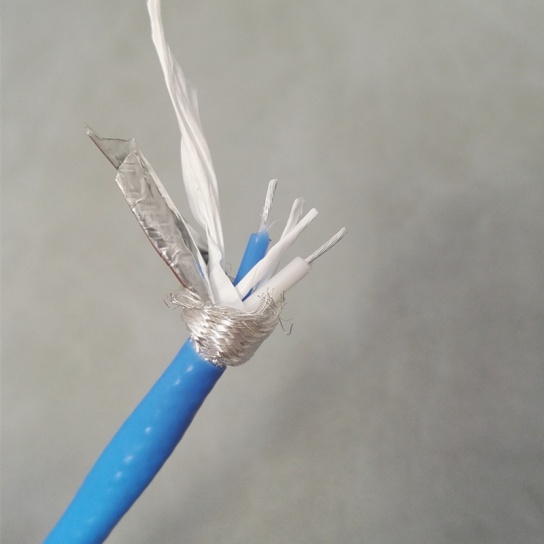
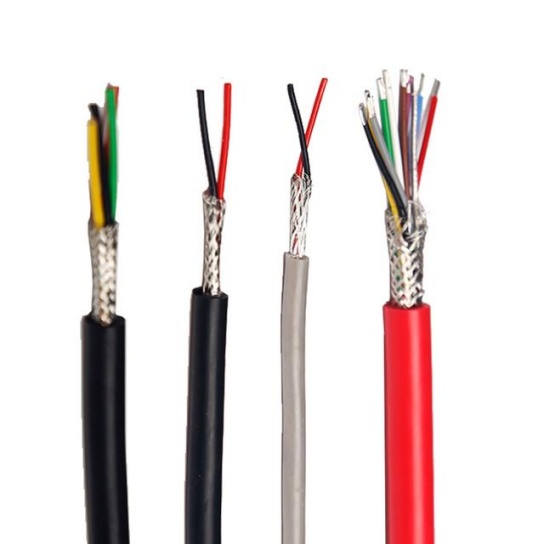
The coaxial structure— consisting of a central conductor, dielectric insulation, a metallic shield, and an outer jacket— is inherently resistant to electromagnetic interference (EMI) and radio frequency interference (RFI). In aviation, EMI/RFI can come from a variety of sources, including nearby electrical components, radar systems, and even external signals. The metallic shield of Micro Coaxial Cable acts as a barrier, preventing external interference from disrupting the signal and also containing the internal signal to avoid interfering with other systems. This shielding is particularly effective at high temperatures, as the materials used (such as tinned copper or aluminum) do not degrade or lose their shielding effectiveness at 260℃.
Additionally, the micro-sized design of the cable minimizes signal loss. The small diameter of the central conductor and dielectric insulation reduces capacitance and inductance, which are major contributors to signal attenuation at high frequencies. This is critical for high-speed data transmission in modern avionics, such as Ethernet-based systems used for in-flight entertainment and communication. Even under extreme temperature fluctuations, the stable dielectric properties of Micro Coaxial Cable ensure that signal loss remains low, guaranteeing that critical data reaches its destination accurately and in real time.
3. Compact and Lightweight Design, Ideal for Aviation Weight Constraints
Weight is a primary concern in aviation design. Every extra pound adds to fuel consumption, reduces range, and increases operational costs. Micro Coaxial Cable’s compact and lightweight design makes it an ideal solution for high temperature aviation applications, where space and weight are at a premium.
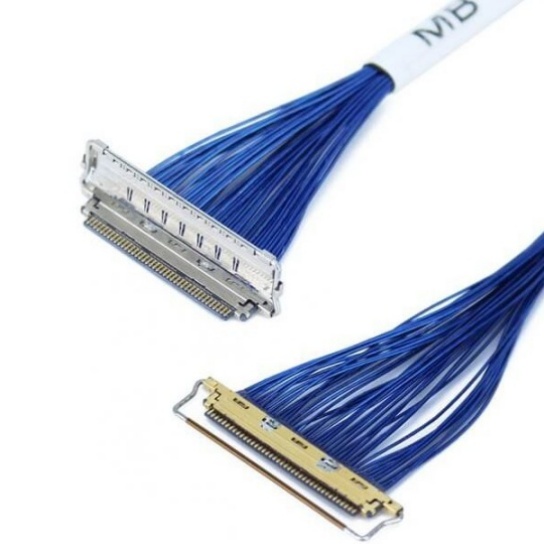
Compared to traditional high temperature cables, Micro Coaxial Cable has a significantly smaller diameter. This allows it to be routed through tight spaces in the aircraft’s fuselage, engine compartments, and avionics bays— areas where larger cables would be impractical or impossible to install. The small size also enables more cables to be installed in a given space, supporting the growing number of electrical systems in modern aircraft without increasing the overall volume of the wiring harness.
In addition to being compact, Micro Coaxial Cable is lightweight. The use of high-strength, lightweight materials (such as thin-gauge copper conductors and fluoropolymer insulation) reduces the overall weight of the wiring harness. For example, a typical Micro Coaxial Cable used in aviation may weigh up to 30% less than a traditional cable with similar performance characteristics. This weight reduction translates to significant fuel savings over the lifetime of an aircraft, making Micro Coaxial Cable a cost-effective choice for airlines and aircraft manufacturers.
4. Excellent Mechanical Durability for Aviation Environments
Aviation cables are subjected to more than just extreme temperatures; they also face constant vibration, mechanical stress, and exposure to harsh chemicals (such as hydraulic fluids and fuel). Micro Coaxial Cable is engineered to withstand these mechanical challenges, ensuring long-term reliability in even the most demanding aviation environments.
The construction of Micro Coaxial Cable includes a robust outer jacket that provides mechanical protection. This jacket, often made of abrasion-resistant fluoropolymers or high-temperature elastomers, resists damage from friction, impact, and exposure to chemicals. Unlike traditional jackets that may crack or peel under vibration, the jacket of Micro Coaxial Cable remains flexible and intact, protecting the internal conductor and shield from damage.
Additionally, the stranded central conductor of Micro Coaxial Cable enhances its flexibility and fatigue resistance. Stranded conductors are made up of multiple small wires twisted together, which allows the cable to bend and flex without breaking, even after repeated cycles of movement. This is particularly important in areas of the aircraft that experience high vibration, such as near the engine or landing gear. The stranded design also ensures that the conductor maintains its conductivity even if some of the individual wires are damaged, providing an extra layer of reliability.
5. Compliance with Strict Aviation Industry Standards
The aviation industry is governed by some of the strictest safety and performance standards in the world, such as those set by the Federal Aviation Administration (FAA), European Union Aviation Safety Agency (EASA), and SAE International. Micro Coaxial Cable designed for high temperature aviation applications (-55℃ to 260℃) is fully compliant with these standards, ensuring that it meets the rigorous requirements for use in commercial, military, and general aviation aircraft.
Compliance with these standards includes testing for thermal performance, flame resistance, smoke emission, and mechanical durability. For example, SAE AS4087, a standard for coaxial cables used in aircraft, specifies requirements for temperature range, insulation resistance, and shielding effectiveness. Micro Coaxial Cable manufacturers subject their products to rigorous testing to ensure compliance with these standards, providing aircraft manufacturers and operators with the confidence that the cables will perform reliably in critical applications.
Furthermore, many Micro Coaxial Cables are certified for use in flame-retardant and low-smoke applications. In the event of a fire, these cables emit minimal smoke and toxic gases, which is essential for maintaining visibility and protecting passengers and crew during an emergency evacuation. This compliance with safety standards is not just a regulatory requirement but also a key advantage that sets Micro Coaxial Cable apart from non-compliant alternatives.
6. Versatility Across a Wide Range of Aviation Applications
Another core advantage of Micro Coaxial Cable as a high temperature aviation cable is its versatility. It is suitable for a wide range of applications within the aircraft, from engine compartment wiring (exposed to 260℃) to cabin electronics (exposed to -55℃ at high altitude). This versatility eliminates the need for multiple types of cables, simplifying the wiring design and reducing inventory costs for aircraft manufacturers.
Some of the key applications of Micro Coaxial Cable in aviation include:
- Engine control systems: Exposed to extreme heat and vibration, requiring high temperature resistance and mechanical durability.
- Navigation and radar systems: Requiring high signal integrity to ensure accurate positioning and communication.
- Flight control systems: Critical for safe operation, requiring reliable signal transmission and resistance to EMI/RFI.
- In-flight entertainment and communication systems: Requiring high-speed data transmission and compact design.
- Military aviation applications: Exposed to harsh environments and requiring rugged performance and compliance with military standards.
This versatility makes Micro Coaxial Cable a one-stop solution for many of the high temperature wiring needs of modern aircraft, reducing complexity and improving the overall reliability of the electrical system.
Conclusion
In the demanding world of aviation, where safety, reliability, and performance are non-negotiable, Micro Coaxial Cable stands out as an exceptional choice for high temperature applications within the -55℃ to 260℃ range. Its core advantages— including exceptional thermal stability, superior signal integrity, compact and lightweight design, excellent mechanical durability, compliance with strict industry standards, and versatility across applications— make it an indispensable component in modern aircraft electrical systems.
As the aviation industry continues to evolve, with the development of more advanced avionics systems and the push for greater fuel efficiency, the demand for high-performance high temperature cables like Micro Coaxial Cable will only grow. Whether in commercial airliners, military jets, or general aviation aircraft, Micro Coaxial Cable delivers the reliability and performance needed to keep aircraft flying safely and efficiently, even in the harshest environmental conditions.