What is halogen free low smoke aviation cable and its core advantages?
In the aviation industry, where safety, reliability, and compliance with strict regulations are non-negotiable, every component plays a critical role in ensuring the smooth and secure operation of aircraft. Among these components, aviation cables are the lifeline of communication, power transmission, and control systems, connecting various parts of the aircraft from the cockpit to the engine and beyond. In recent years, halogen free low smoke (HFLS) aviation cables have emerged as a preferred choice for modern aircraft, replacing traditional halogen-containing cables. But what exactly is a halogen free low smoke aviation cable, and why has it become indispensable in the aviation sector? This article delves into the definition, key characteristics, and core advantages of HFLS aviation cables, providing valuable insights for professionals in the aviation industry, engineers, and anyone seeking to understand the critical role of these cables in air safety.
1. What is Halogen Free Low Smoke (HFLS) Aviation Cable?
To understand halogen free low smoke aviation cables, we first need to break down the key terms: “halogen free” and “low smoke.” Halogens are a group of chemical elements including fluorine, chlorine, bromine, iodine, and astatine. Traditional cables often use halogen-containing materials (such as polyvinyl chloride, PVC) as insulators and sheaths because they are cost-effective and have good flame-retardant properties. However, when these halogen-containing cables burn, they release toxic and corrosive gases (such as hydrogen chloride, hydrogen bromide) and dense smoke.
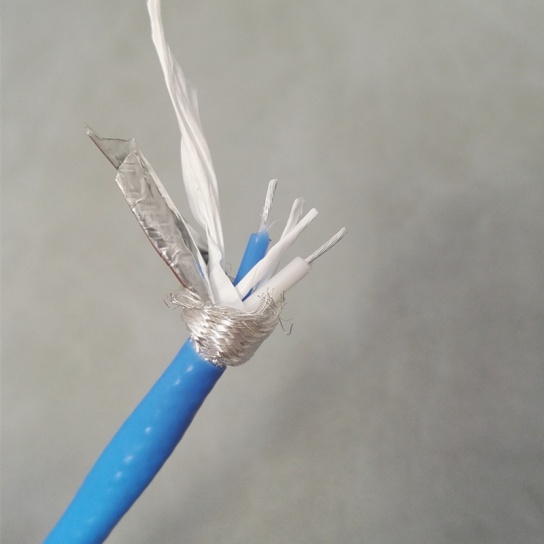
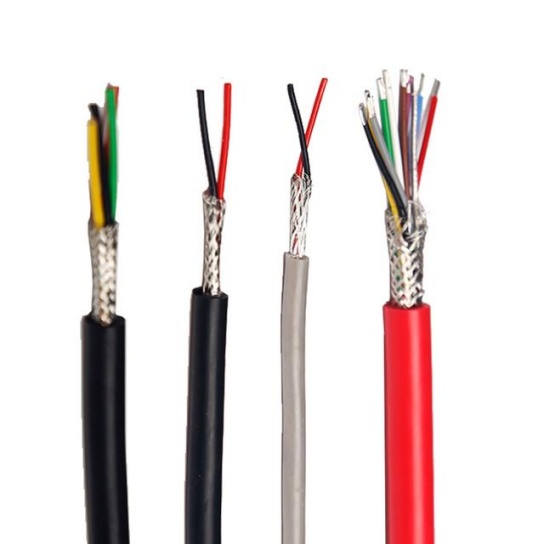
Halogen free low smoke aviation cables, as the name suggests, are cables designed specifically for aviation applications that do not contain halogen elements in their insulation and sheath materials. Instead, they use halogen-free polymers such as cross-linked polyethylene (XLPE), ethylene propylene rubber (EPR), or thermoplastic elastomers (TPE) that are formulated to be flame-retardant. The “low smoke” feature means that when these cables are exposed to fire, they produce significantly less smoke compared to traditional halogen-containing cables. Additionally, HFLS aviation cables must meet the stringent performance requirements of the aviation industry, including resistance to high temperatures, vibration, moisture, oil, and other harsh environmental conditions encountered during flight.
Unlike standard industrial or commercial cables, aviation cables (including HFLS types) undergo rigorous testing and certification processes to comply with international standards such as those set by the International Civil Aviation Organization (ICAO), the Society of Automotive Engineers (SAE), and the European Union Aviation Safety Agency (EASA). These standards specify strict criteria for flame resistance, smoke density, toxicity, electrical performance, and mechanical durability, ensuring that HFLS aviation cables can withstand the extreme conditions of the aviation environment.
2. Core Advantages of Halogen Free Low Smoke Aviation Cables
The adoption of halogen free low smoke aviation cables in modern aircraft is driven by their numerous core advantages, which directly address the critical safety and operational needs of the aviation industry. Below are the key benefits that make HFLS aviation cables superior to traditional halogen-containing cables:
2.1 Enhanced Fire Safety: Reduced Toxicity and Smoke Emission
Fire is one of the most catastrophic risks in aviation, and the behavior of cables during a fire can have a decisive impact on the safety of passengers and crew. Traditional halogen-containing cables, when burned, release large amounts of toxic and corrosive halogenated gases. These gases are not only harmful to human health—causing respiratory irritation, poisoning, or even death—but also corrosive to aircraft equipment, including electronic systems, engines, and structural components. The dense smoke produced by burning halogen-containing cables also reduces visibility, making it difficult for crew to navigate the aircraft, evacuate passengers, or perform emergency procedures.
Halogen free low smoke aviation cables eliminate these risks by not containing halogen elements. When exposed to fire, they release only small amounts of non-toxic, non-corrosive gases (primarily water vapor and carbon dioxide) and minimal smoke. This significantly improves visibility in the event of a fire, allowing crew to execute emergency protocols more effectively and increasing the chances of successful evacuation. Additionally, the absence of corrosive gases protects critical aircraft equipment from damage, which is crucial for maintaining the aircraft’s operational capabilities during an emergency and reducing repair costs after an incident.
Numerous tests have validated the fire safety performance of HFLS cables. For example, according to the SAE AS 4074 standard (a key standard for aviation cables), HFLS cables must meet strict limits on smoke density (measured using the NBS smoke chamber method) and toxicity (measured by analyzing the composition of combustion gases). These tests confirm that HFLS aviation cables pose a much lower risk to human life and aircraft systems in fire scenarios compared to traditional cables.
2.2 Compliance with Strict Aviation Regulations
The aviation industry is one of the most heavily regulated sectors in the world, with international and regional authorities imposing strict standards to ensure air safety. In recent years, there has been a global trend toward mandating the use of halogen free low smoke materials in aircraft components, including cables. For example, the European Union’s REACH (Registration, Evaluation, Authorization, and Restriction of Chemicals) regulation restricts the use of certain hazardous substances, including halogens, in aviation materials. Similarly, the ICAO and SAE have updated their standards to prioritize the use of HFLS cables in new aircraft designs and retrofits of older aircraft.
By using halogen free low smoke aviation cables, aircraft manufacturers, airlines, and maintenance companies can ensure compliance with these regulations, avoiding legal penalties and reputational damage. Moreover, compliance with these standards is often a prerequisite for participating in global aviation markets, making HFLS cables a necessary investment for aviation industry players.
2.3 Superior Mechanical and Environmental Durability
Aircraft operate in extremely harsh environments, including wide temperature fluctuations (from -55°C to 125°C or higher), high levels of vibration, exposure to moisture, oil, fuel, and UV radiation. Traditional halogen-containing cables often struggle to withstand these conditions, leading to premature degradation, insulation cracking, and electrical failures. Halogen free low smoke aviation cables, however, are formulated with high-performance polymers that offer superior mechanical and environmental durability.
For example, cross-linked polyethylene (XLPE) used in HFLS cables has excellent thermal stability, allowing it to maintain its properties even at high temperatures. Ethylene propylene rubber (EPR) provides superior resistance to ozone, UV radiation, and chemicals, making it ideal for use in external aircraft components. Additionally, HFLS cables are designed to be flexible and resistant to vibration, ensuring that they can withstand the constant movement of aircraft parts without suffering from fatigue or breakage.
This durability translates to a longer service life for HFLS aviation cables, reducing the frequency of maintenance and replacement. This not only lowers operational costs for airlines but also improves the reliability of aircraft systems, reducing the risk of in-flight failures that could compromise safety.
2.4 Improved Electrical Performance
In modern aircraft, which rely heavily on advanced electronic systems for navigation, communication, and control, the electrical performance of cables is critical. Halogen free low smoke aviation cables offer superior electrical properties compared to traditional halogen-containing cables. For example, the halogen-free insulation materials used in HFLS cables have lower dielectric loss and higher insulation resistance, which means that they can transmit electrical signals more efficiently with minimal interference or power loss.
This is particularly important for high-frequency communication systems and data transmission networks in aircraft, where signal integrity is essential. HFLS cables also have good flame-retardant properties without the need for halogen additives, which can degrade electrical performance. By maintaining stable electrical performance even in harsh conditions, HFLS cables ensure that aircraft electronic systems operate reliably, supporting the safe and efficient operation of the aircraft.
2.5 Environmental Friendliness
In addition to safety and performance benefits, halogen free low smoke aviation cables are also more environmentally friendly than traditional halogen-containing cables. Halogenated materials are persistent in the environment and can cause harm to ecosystems when cables are disposed of. HFLS cables, on the other hand, are made from non-hazardous materials that are easier to recycle and have a lower environmental impact throughout their lifecycle.
Many aviation industry players are increasingly focusing on sustainability and reducing their environmental footprint, and the use of HFLS cables aligns with these goals. By choosing HFLS cables, aircraft manufacturers and airlines can contribute to a more sustainable aviation industry while also complying with evolving environmental regulations.
3. Applications of Halogen Free Low Smoke Aviation Cables in Aircraft
Halogen free low smoke aviation cables are used in a wide range of applications within aircraft, covering both commercial and military aviation. Some of the key applications include:
- Flight Control Systems: These cables transmit signals between the cockpit and the aircraft’s control surfaces (such as ailerons, elevators, and rudders), ensuring precise and reliable control of the aircraft. The high reliability and low smoke emission of HFLS cables are critical in this application, as a failure could lead to loss of control.
- Avionics Systems: Avionics systems, including navigation, communication, and surveillance equipment, rely on HFLS cables for data transmission and power supply. The superior electrical performance of HFLS cables ensures that these systems operate accurately, even in the presence of electromagnetic interference (EMI) and harsh environmental conditions.
- Power Distribution Systems: HFLS cables are used to distribute electrical power from the aircraft’s generators to various systems, including lighting, air conditioning, and landing gear. Their high thermal stability and flame resistance make them ideal for use in power distribution systems, where overheating can pose a significant risk.
- Cabin Systems: In the aircraft cabin, HFLS cables are used in in-flight entertainment systems, passenger information systems, and lighting. The low smoke and toxicity of these cables ensure the safety of passengers and crew in the event of a fire in the cabin.
- Engine and Auxiliary Power Units (APUs): The engine and APU compartments are exposed to high temperatures, vibration, and oil, making HFLS cables with superior thermal and chemical resistance essential for powering and controlling these critical components.
4. Conclusion
Halogen free low smoke aviation cables are a critical innovation in the aviation industry, designed to address the sector’s strict safety, reliability, and regulatory requirements. By eliminating halogen elements and reducing smoke emission, these cables significantly enhance fire safety, protecting passengers, crew, and aircraft systems in the event of a fire. Their superior mechanical durability, environmental resistance, and electrical performance ensure that they can withstand the harsh conditions of aviation operations, while their compliance with global regulations makes them a necessary choice for aviation industry players.
As the aviation industry continues to evolve, with a growing focus on safety, sustainability, and advanced technology, the demand for halogen free low smoke aviation cables is expected to increase further. Whether in new aircraft designs or retrofits of older models, HFLS cables are set to remain a key component in ensuring the safe and efficient operation of aircraft worldwide. For professionals in the aviation industry, understanding the definition and core advantages of HFLS aviation cables is essential for making informed decisions about component selection, maintenance, and compliance.