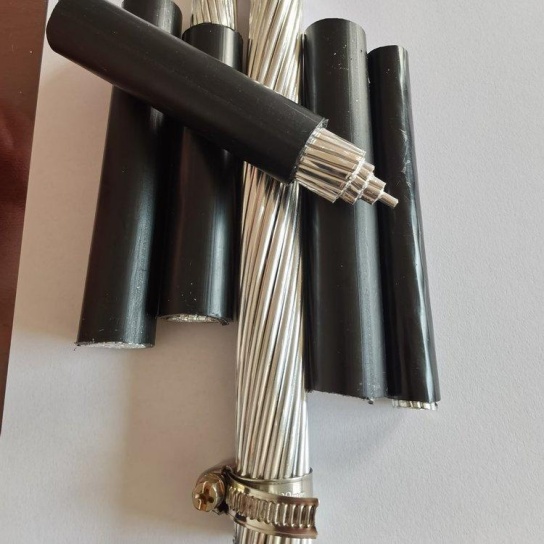
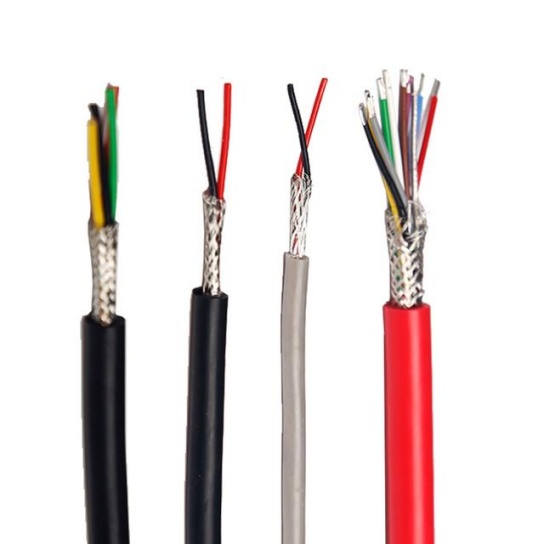
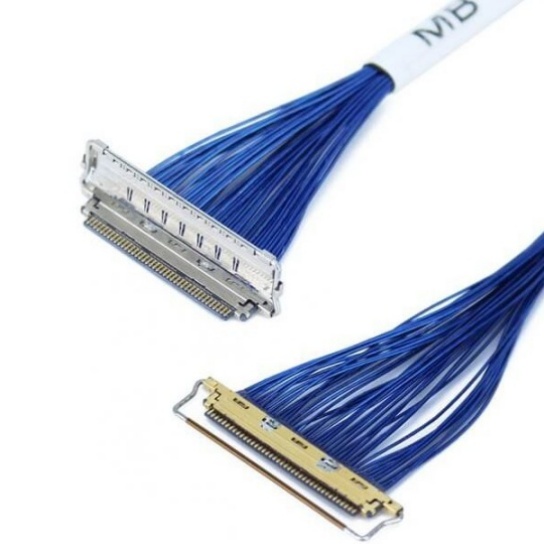
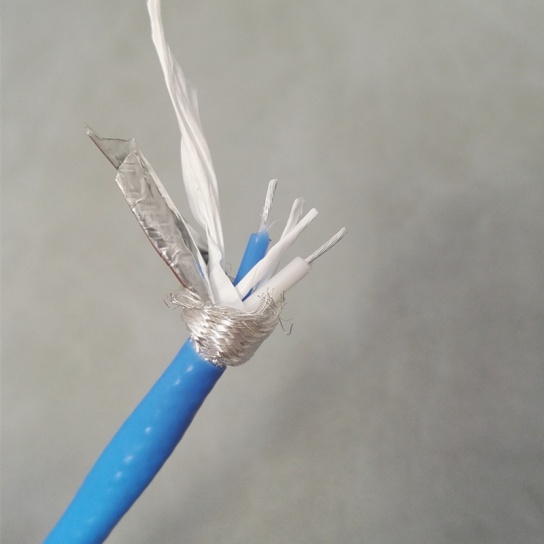
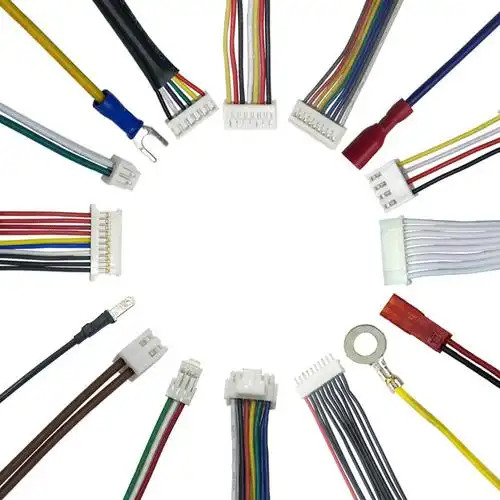
In aerospace, flexible aviation cable for airframerefers to hook-up wires and multi-conductor cables engineered to withstand the aircraft’s harsh environment. They are used for critical systems like power distribution, lighting, avionics, and flight controls throughout the fuselage and wings.
These cables are designed to be routed through tight spaces and areas with vibration. They must maintain performance in conditions including:
Wide Temperature Range:From -65 °C to +200 °C, depending on the insulation.
High Vibration & Flexing:Especially near flight control surfaces and moving structures.
Harsh Fluids:Resistance to jet fuel, lubricants, and hydraulic fluids.
EMI/EMC Requirements:Often requiring shielding for data and signal integrity.
The most common family is based on MIL‑W‑22759 / SAE AS22759specifications, known for high reliability and performance in demanding aerospace applications.
Key Construction Features
Conductor
Material:High-strength copper alloy, plated for specific needs:
Silver-plated:Lowest resistance, for high-temp/high-frequency use.
Nickel-plated:Superior corrosion and high-temp resistance, for engine bays.
Tin-plated:Cost-effective for general-purpose airframe wiring.
Stranding:Many fine strands provide the flexibility needed for tight-radius bends and vibration resistance.
Insulation
The choice of insulation defines the cable’s electrical and thermal performance. Key types include:
Insulation Type
Key Features
Typical Ratings
Common Specs
PTFE
Excellent high/low-temp stability, chemical resistance, low dielectric loss.
Up to 260°C, 600-1000V.
M22759/9, /10, /11, /12
ETFE
Tough, abrasion-resistant, good chemical/solvent resistance, easier to process.
Up to 150°C, 600V.
M22759/16
PTFE Tape + Polyimide
Enhanced high-temp performance and mechanical toughness.
Up to 260°C, 600V.
M22759/82
Table: Common insulation types for flexible aviation cable for airframe.
Voltage Rating & Wall Thickness
AS22759 defines three wall thicknesses, correlating to voltage ratings:
Thin Wall:~250 V
Standard Wall:~600 V
Thick Wall:~1000 V
Shielding & Jacketing
Shielding:Essential for data/signal cables (e.g., CAN Bus, Ethernet) to ensure signal integrity. Options include braided shields, foil shields, or combinations.
Jacket:A fluoropolymer jacket provides additional mechanical protection, chemical resistance, and in some cases, a fire-resistant outer layer.
Table: Key differences between hook-up wire and control cable.
How to Select the Right Flexible Aviation Cable
Define the Environment:Match the cable’s temperature rating to the zone (e.g., 260°C near engines, 150°C for general use).
Verify Voltage & Current:Ensure the voltage rating exceeds the circuit voltage and that the conductor is adequately sized, considering derating for bundling or proximity to hot surfaces.
Match the Signal Type:Choose data cables (e.g., CAN Bus, Ethernet) with the correct impedance and shielding for high-speed signals.
Plan for Bend Radius & Routing:Follow the manufacturer’s minimum bend radius to prevent insulation damage.
Ensure Compatibility:Confirm the cable is compatible with the chosen connector and termination method.
Follow Applicable Standards:Use qualified parts that meet standards like MIL-W-22759/AS22759 and are accepted by the relevant authority (e.g., FAA, EASA).
Common Pitfalls to Avoid
Over-Specifying:Using an unnecessarily high-temperature cable adds weight and cost. Match the spec to the actual environment.
Ignoring Bend Radius:Improper installation can lead to premature insulation failure. Follow the datasheet.
Mixing Cable Types:Do not use non-aerospace cables in certified aircraft. They lack the required qualification data.
Underestimating Shielding Needs:For data lines, insufficient shielding can cause intermittent faults. Follow the system’s EMI/EMC plan.
Neglecting Weight:In airframe design, every gram matters. Use the lightest qualified cable that meets the performance requirements.
Designed to meet the rigorous demands of modern aviation and defense systems, Lightweight MIL-SPEC Aviation Wiring Cables represent the pinnacle of reliability, durability, and performance. Engineered to comply with stringent military sp.
When it comes to aviation safety and performance, every component must meet the highest standards—especially electrical systems. High-Temp Resistant Aviation Electrical Cables are engineered to deliver unparalleled durability and reliabi.
Product Overview: aviation cable
Machine vision cables are specialized components designed to ensure high-speed, stable data transmission and signal integrity in automated imaging systems. Key features include:
Technical Specifica.
Premium Aviation Cables for Aircraft Systems: Elevating Safety and Performance
In the demanding world of aviation, reliability and precision are non-negotiable. Premium Aviation Cables for Aircraft Systems are engineered to meet the r.
From commercial airliners to military drones, aviation cables are the unsung heroes ensuring reliable power, data, and signal transmission in the skies. These specialized cables are engineered to withstand extreme conditions—think turbule.