What is EMI shielded aviation cable and why is it critical for aircraft systems
In the complex and high-stakes environment of aircraft operations, every component plays a vital role in ensuring safety, reliability, and performance. Among these components, EMI shielded aviation cables stand out as unsung heroes, quietly safeguarding the integrity of critical data and power transmission. As aircraft become increasingly sophisticated—equipped with advanced avionics, communication systems, and electronic flight controls—the demand for robust protection against electromagnetic interference (EMI) has never been higher. This article delves into the fundamentals of EMI shielded aviation cables, exploring their design, functionality, and the indispensable role they play in modern aircraft systems.
1. What is EMI Shielded Aviation Cable?
To understand EMI shielded aviation cables, we first need to break down the key terms: electromagnetic interference (EMI), aviation cables, and shielding.
Electromagnetic interference, or EMI, refers to the disruption of electronic signals caused by external electromagnetic fields. These fields can originate from a variety of sources, both internal and external to the aircraft. Internal sources include radar systems, radio transceivers, engine control units (ECUs), and other electronic components that generate electromagnetic radiation during operation. External sources, on the other hand, may include ground-based communication towers, weather radar, nearby aircraft, or even natural phenomena like lightning. Left unmitigated, EMI can distort or completely block critical signals, leading to system malfunctions or failures.
Aviation cables are specialized wires designed to meet the rigorous requirements of aircraft environments. Unlike standard commercial cables, they must withstand extreme temperatures (ranging from -65°C to 200°C, depending on the location within the aircraft), high vibration, pressure changes, exposure to fuels, lubricants, and other harsh chemicals, as well as mechanical stress from takeoff, landing, and in-flight turbulence. These cables are responsible for transmitting two types of signals: power signals (to operate engines, avionics, and other systems) and data signals (for communication between flight controls, navigation systems, and ground stations).
EMI shielded aviation cables integrate a protective shielding layer into their design to mitigate the effects of electromagnetic interference. This shielding acts as a barrier, preventing external EMI from penetrating the cable and disrupting the signals inside, while also containing the electromagnetic radiation generated by the cable itself (known as electromagnetic emission, or EME) to avoid interfering with other nearby electronic systems. The combination of aviation-grade durability and EMI protection makes these cables uniquely suited for the demanding conditions of aircraft operations.
2. Key Components and Design of EMI Shielded Aviation Cables
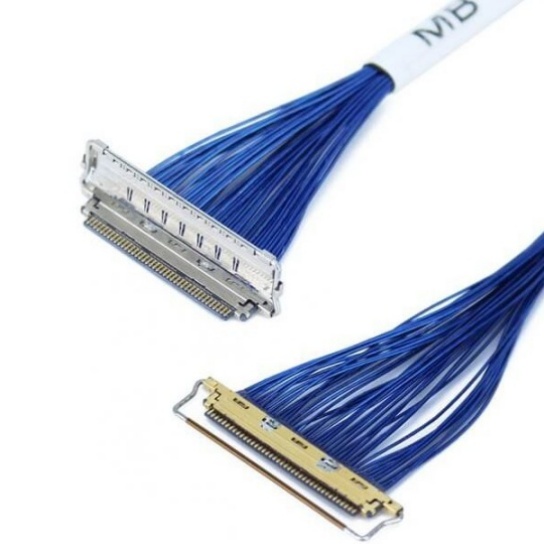
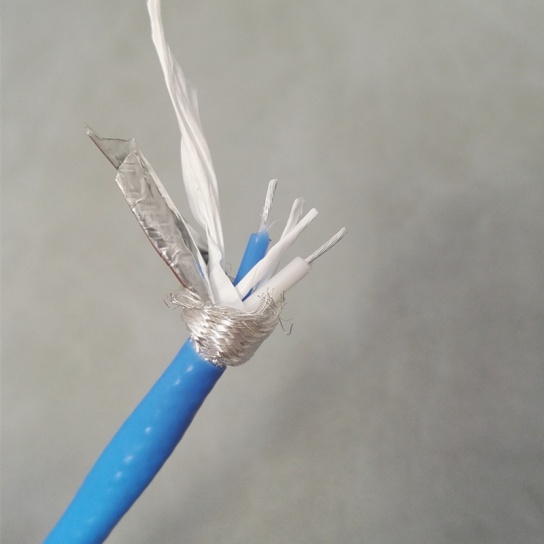
EMI shielded aviation cables are engineered with multiple layers, each serving a specific purpose to ensure signal integrity, durability, and EMI protection. The core components typically include:
2.1 Conductive Core
The conductive core is the innermost layer, responsible for transmitting the actual electrical signal or power. It is usually made of high-purity copper or copper alloy, chosen for its excellent electrical conductivity and resistance to corrosion. The core may consist of a single solid wire (stranded) or multiple stranded wires twisted together. Stranded cores are preferred in aviation applications because they offer greater flexibility, which is essential for routing cables through the tight spaces and complex geometries of aircraft fuselages and wings.
2.2 Insulation Layer
Surrounding the conductive core is the insulation layer, which prevents electrical short circuits between adjacent wires or between the core and the shielding layer. Aviation cables use high-performance insulating materials that can withstand extreme temperatures, chemical exposure, and mechanical wear. Common insulation materials include polytetrafluoroethylene (PTFE), fluorinated ethylene propylene (FEP), and ethylene tetrafluoroethylene (ETFE). These materials are not only resistant to heat and chemicals but also have low dielectric constant, which helps minimize signal loss (attenuation) during transmission.
2.3 EMI Shielding Layer
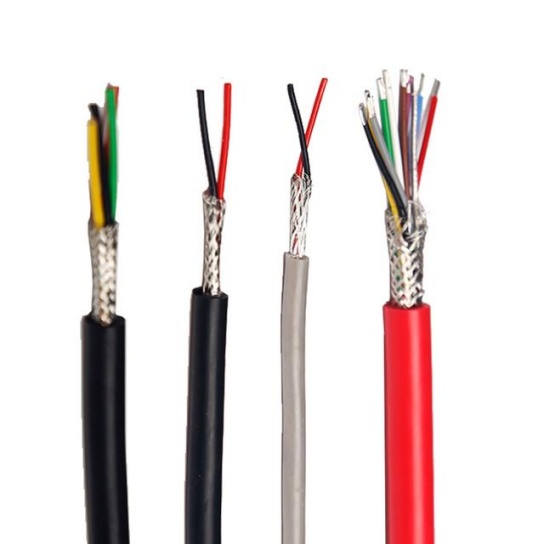
The shielding layer is the defining feature of EMI shielded aviation cables. It is a conductive barrier that encases the insulated core, designed to reflect, absorb, or divert electromagnetic fields. There are several common types of shielding used in aviation cables, each with its own advantages and applications:
- Braided Shielding: This type of shielding consists of interwoven copper or aluminum strands. It offers excellent flexibility and good coverage (typically 85-95% coverage of the insulation layer), making it suitable for applications where the cable needs to bend or flex. Braided shielding is effective at blocking high-frequency EMI but may be less effective at low frequencies.
- Foil Shielding: Foil shielding is a thin layer of aluminum or copper foil laminated to a non-conductive substrate (such as polyester). It provides 100% coverage of the insulation layer, making it highly effective at blocking both high and low-frequency EMI. However, foil shielding is less flexible than braided shielding and can be prone to tearing if not handled carefully. It is often used in combination with braided shielding for enhanced protection (known as “foil + braid” shielding).
- Spiral Shielding: Spiral shielding is made by wrapping a single copper or aluminum wire around the insulated core in a spiral pattern. It offers good flexibility and is effective at blocking high-frequency EMI, but its coverage is lower than braided or foil shielding (typically 60-80%). It is commonly used in cables for avionics and communication systems.
2.4 Jacket Layer
The outermost layer of the cable is the jacket, which provides additional protection against mechanical damage, chemical exposure, and environmental factors (such as moisture, dust, and UV radiation). Like the insulation layer, the jacket is made of high-performance materials such as PTFE, FEP, or polyurethane (PU). The jacket material is selected based on the specific application environment—for example, cables used in engine compartments require jackets that can withstand higher temperatures, while those used in the cabin may prioritize flexibility and fire resistance.
3. Why EMI Shielded Aviation Cables Are Critical for Aircraft Systems
The importance of EMI shielded aviation cables cannot be overstated, as they directly impact the safety, reliability, and performance of aircraft systems. Below are the key reasons why these cables are indispensable in modern aviation:
3.1 Ensuring Flight Safety
Flight safety is the top priority in aviation, and EMI shielded cables play a critical role in preventing system failures that could lead to accidents. Aircraft rely on a wide range of electronic systems to operate safely, including flight control systems (such as fly-by-wire systems), navigation systems (GPS, inertial navigation systems), and communication systems (radio, transponder). These systems transmit and receive weak, precise signals that are highly susceptible to EMI. For example, if EMI disrupts the signal between the flight control computer and the ailerons or elevators, the pilot may lose control of the aircraft. Similarly, interference with navigation signals could cause the aircraft to deviate from its intended flight path, leading to collisions or loss of situational awareness. EMI shielded cables protect these critical signals from interference, ensuring that the systems operate as intended even in high-EMI environments.
3.2 Maintaining Avionics Reliability
Avionics systems are the “brain” of the aircraft, responsible for monitoring and controlling all aspects of flight. These systems include engine control units (ECUs), fuel management systems, hydraulic control systems, and environmental control systems. Each of these systems relies on accurate data transmission to function properly. EMI can corrupt this data, leading to incorrect readings, false alarms, or system malfunctions. For example, if EMI interferes with the ECU’s signals, the engine may receive incorrect fuel flow commands, leading to reduced performance, overheating, or even engine failure. EMI shielded cables ensure that the data transmitted between avionics components is accurate and reliable, minimizing the risk of system downtime or failure.
3.3 Complying with Regulatory Standards
The aviation industry is heavily regulated by organizations such as the Federal Aviation Administration (FAA) in the United States, the European Union Aviation Safety Agency (EASA), and the International Civil Aviation Organization (ICAO). These regulatory bodies have strict standards for electromagnetic compatibility (EMC)—the ability of electronic systems to operate without interfering with each other or being interfered with by external sources. EMI shielded aviation cables are a key component in meeting these EMC standards. Aircraft manufacturers must demonstrate that their systems comply with EMC requirements before they can be certified for commercial use. Failure to comply with these standards can result in the grounding of aircraft, fines, or even legal liability. By using EMI shielded cables, manufacturers can ensure that their aircraft meet the necessary regulatory requirements and maintain their airworthiness.
3.4 Supporting Advanced Aircraft Technology
Modern aircraft are becoming increasingly reliant on advanced electronic technologies, such as electric propulsion systems, autonomous flight features, and in-flight entertainment systems. These technologies generate and process large amounts of data, making them more susceptible to EMI. For example, electric propulsion systems use high-voltage power electronics that generate strong electromagnetic fields, which can interfere with nearby avionics systems. Autonomous flight systems rely on real-time data from multiple sensors (cameras, lidar, radar) to make decisions, and any interference with this data could compromise the safety of the flight. EMI shielded cables are essential for supporting these advanced technologies, as they provide the necessary protection to ensure that the systems can operate together seamlessly without interference.
3.5 Protecting Against Lightning Strikes
Lightning strikes are a common and potentially devastating hazard in aviation. A single lightning strike can generate extremely high voltage and current, as well as intense electromagnetic fields. These fields can damage electronic systems and disrupt signal transmission throughout the aircraft. EMI shielded aviation cables are designed to withstand the effects of lightning strikes, with their shielding layers acting as a ground path for excess current and diverting electromagnetic fields away from the conductive core. This protection helps prevent damage to critical systems and ensures that the aircraft can continue to operate safely after a lightning strike.
4. Common Applications of EMI Shielded Aviation Cables
EMI shielded aviation cables are used in a wide range of applications throughout the aircraft, wherever signal integrity and EMI protection are critical. Some of the most common applications include:
- Flight Control Systems: Fly-by-wire systems, which replace traditional mechanical controls with electronic signals, rely on EMI shielded cables to transmit precise control signals between the pilot’s controls (joystick, rudder pedals) and the aircraft’s control surfaces (ailerons, elevators, rudder).
- Avionics Systems: Cables connecting engine control units (ECUs), fuel management systems, hydraulic control systems, and environmental control systems use EMI shielding to ensure accurate data transmission.
- Navigation and Communication Systems: GPS receivers, inertial navigation systems, radio transceivers, and transponders use EMI shielded cables to protect weak signals from interference, ensuring reliable navigation and communication with ground stations and other aircraft.
- Electric Propulsion Systems: Electric and hybrid-electric aircraft use high-voltage EMI shielded cables to transmit power between the battery, inverter, and electric motors, while also containing the electromagnetic fields generated by these high-power systems.
- In-Flight Entertainment (IFE) Systems: IFE systems, which include seatback screens, audio systems, and Wi-Fi routers, generate electromagnetic radiation that can interfere with avionics systems. EMI shielded cables are used to connect these systems, minimizing their electromagnetic emissions and preventing interference.
5. Factors to Consider When Selecting EMI Shielded Aviation Cables
Selecting the right EMI shielded aviation cable for a specific application requires careful consideration of several factors, including:
- Shielding Type: The choice of shielding (braided, foil, spiral, or combination) depends on the frequency range of the EMI to be blocked, the flexibility requirements of the cable, and the level of coverage needed. For example, applications requiring protection against low-frequency EMI may benefit from foil shielding, while applications requiring flexibility may prefer braided shielding.
- Temperature Rating: Cables used in different parts of the aircraft must withstand different temperature ranges. For example, cables used in engine compartments may need a temperature rating of up to 200°C, while those used in the cabin may only need to withstand temperatures up to 105°C. It is important to select a cable with a temperature rating that matches the application environment.
- Mechanical Flexibility: Cables that need to be routed through tight spaces or around sharp bends require greater flexibility. Stranded cores and braided shielding are typically more flexible than solid cores and foil shielding.
- Chemical Resistance: The cable’s insulation and jacket materials must be resistant to the chemicals present in the application environment, such as fuels, lubricants, hydraulic fluids, and cleaning agents.
- Regulatory Compliance: The cable must meet the relevant aviation standards, such as those set by the FAA, EASA, or ICAO. This includes standards for EMC, fire resistance, and environmental durability.
6. Conclusion
EMI shielded aviation cables are a critical component of modern aircraft systems, providing essential protection against electromagnetic interference and ensuring the safety, reliability, and performance of flight-critical electronics. From their multi-layered design (conductive core, insulation, shielding, and jacket) to their wide range of applications in flight control, avionics, navigation, and communication systems, these cables are indispensable in the complex and demanding environment of aviation. As aircraft technology continues to advance, the importance of EMI shielded aviation cables will only grow, making them a key focus for manufacturers, regulators, and industry professionals alike. By understanding the fundamentals of these cables and their critical role in aircraft systems, we can better appreciate the engineering and innovation that goes into keeping air travel safe and reliable.