What is aviation Ethernet cable 1000 Base-T and its core advantages for aircraft?
In the rapidly evolving aviation industry, the demand for high-speed, reliable, and efficient data transmission systems has never been more critical. As modern aircraft become increasingly digitized—equipped with advanced avionics, in-flight entertainment (IFE) systems, real-time monitoring tools, and autonomous flight technologies—the need for a robust networking infrastructure to support these applications is paramount. Among the various networking solutions available, aviation Ethernet cable 1000 Base-T has emerged as a game-changer, revolutionizing how data is transmitted within aircraft. This article delves into the definition of aviation Ethernet cable 1000 Base-T, its technical characteristics, and, most importantly, the core advantages it offers for aircraft operations and performance.
1. What is Aviation Ethernet Cable 1000 Base-T?
To understand aviation Ethernet cable 1000 Base-T, it is first essential to break down its key components: Ethernet, 1000 Base-T, and the specialized modifications for aviation use.
Ethernet, a widely used local area network (LAN) technology, defines the rules for data transmission over cables. It has evolved over decades, with various iterations offering different speeds and capabilities. 1000 Base-T is a specific Ethernet standard that supports data transfer rates of 1 gigabit per second (Gbps)—equivalent to 1000 megabits per second (Mbps). The “Base-T” designation indicates that it uses unshielded twisted-pair (UTP) or shielded twisted-pair (STP) cables and operates over a baseband signal (a single channel for data transmission without modulation of a carrier wave).
However, standard 1000 Base-T cables are not suitable for aviation applications. Aircraft operate in extremely harsh environments, including wide temperature fluctuations (-55°C to +125°C), high levels of vibration, electromagnetic interference (EMI), and exposure to chemicals and moisture. Aviation Ethernet cable 1000 Base-T is therefore a specialized version of the 1000 Base-T standard, engineered to meet the rigorous requirements of the aviation industry. These cables undergo strict certifications, such as those from the European Aviation Safety Agency (EASA) and the Federal Aviation Administration (FAA), to ensure they comply with safety, reliability, and performance standards specific to aircraft.
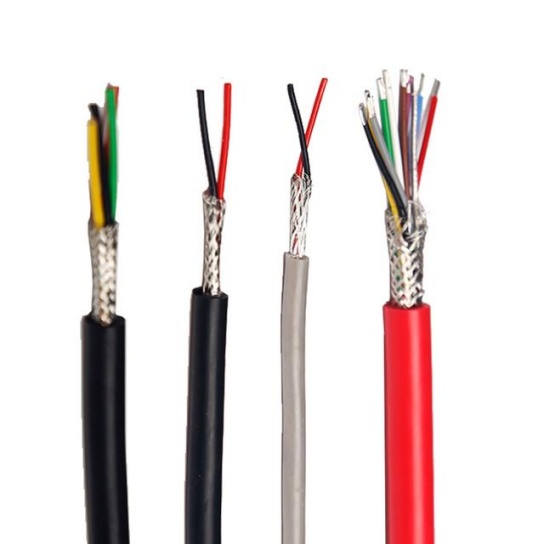
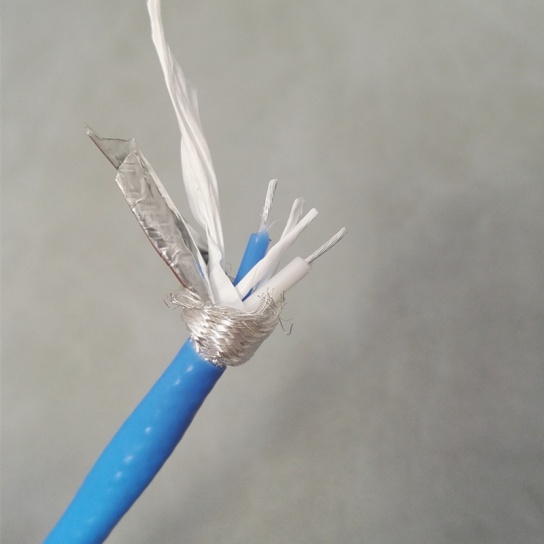
Key technical specifications of aviation Ethernet cable 1000 Base-T include: twisted-pair conductors (typically 4 pairs) for reducing crosstalk and EMI, specialized insulation materials (such as fluoropolymers) that are flame-retardant, low-smoke, and low-toxicity (LSZH/LSOH), and robust jacketing to withstand mechanical stress. Additionally, these cables are designed to support full-duplex communication, allowing data to be transmitted and received simultaneously, which maximizes bandwidth utilization.
2. Core Advantages of Aviation Ethernet Cable 1000 Base-T for Aircraft
Aviation Ethernet cable 1000 Base-T offers a multitude of advantages over traditional aviation data transmission systems (such as ARINC 429, which is limited to 100 kbps) and even other networking solutions. These advantages directly address the critical needs of modern aircraft, including high-speed data transfer, reliability, weight reduction, cost efficiency, and scalability. Below are the key benefits:
2.1 High-Speed Data Transmission to Support Advanced Avionics
Modern aircraft rely on a wide range of data-intensive avionics systems, including flight control systems, navigation tools (such as GPS and inertial navigation systems), weather radar, and engine monitoring systems. These systems generate and exchange large volumes of data in real time, requiring a high-bandwidth transmission medium. Aviation Ethernet cable 1000 Base-T provides 1 Gbps data transfer speed, which is 10,000 times faster than the legacy ARINC 429 standard. This high speed enables seamless communication between avionics components, ensuring that critical data (such as engine performance metrics and flight attitude data) is transmitted instantaneously. For example, in fly-by-wire systems—where electronic signals replace mechanical controls—high-speed data transmission is essential to ensure the aircraft responds quickly and accurately to pilot inputs. Additionally, 1 Gbps bandwidth supports the integration of advanced technologies such as 3D weather mapping, real-time video surveillance of the aircraft’s exterior, and even autonomous flight capabilities, which require massive amounts of data to be processed and transmitted in real time.
2.2 Exceptional Reliability in Harsh Aviation Environments
As mentioned earlier, aircraft operate in some of the harshest environments on Earth. Temperature extremes, vibration, EMI, and chemical exposure can all degrade the performance of standard cables, leading to data loss or system failures—consequences that are catastrophic in aviation. Aviation Ethernet cable 1000 Base-T is engineered to mitigate these risks, ensuring reliable data transmission even in adverse conditions.
The twisted-pair design of 1000 Base-T cables inherently reduces crosstalk (interference between adjacent cables) and EMI. For aviation applications, many cables are further shielded (STP) to provide additional protection against EMI from other aircraft systems, such as radar, communication radios, and electrical engines. The insulation and jacketing materials used in these cables are also specialized: fluoropolymers (like PTFE or FEP) are resistant to high temperatures, chemicals, and moisture, while LSZH/LSOH materials ensure that in the event of a fire, the cable emits minimal smoke and toxic gases—critical for passenger and crew safety.
Furthermore, aviation Ethernet cable 1000 Base-T undergoes rigorous testing to ensure it can withstand vibration and mechanical stress. For example, during takeoff and landing, aircraft experience significant vibration, which can damage standard cables over time. Aviation-grade cables are designed to be flexible yet durable, able to withstand these stresses without compromising performance.
2.3 Weight Reduction to Improve Fuel Efficiency
Weight is a critical factor in aviation, as every additional pound increases fuel consumption and reduces range. Traditional aviation data transmission systems often require multiple heavy cables to support different systems (e.g., avionics, IFE, communication). Aviation Ethernet cable 1000 Base-T addresses this issue by enabling a single, lightweight cable to support multiple applications through packet-switched networking.
Unlike legacy systems that use point-to-point wiring (each system requiring its own dedicated cable), Ethernet uses a shared network infrastructure. A single 1000 Base-T cable can transmit data from multiple systems simultaneously, eliminating the need for dozens of separate cables. Additionally, aviation Ethernet cables are typically lighter than traditional aviation cables due to their specialized materials and design. For example, fluoropolymer insulation is lighter than the rubber or plastic insulation used in standard cables, while the use of twisted pairs reduces the overall diameter of the cable.
The weight reduction achieved by aviation Ethernet cable 1000 Base-T can be significant. For large commercial aircraft, which may have hundreds of meters of cabling, replacing legacy cables with Ethernet cables can reduce weight by tens or even hundreds of pounds. This, in turn, improves fuel efficiency, reduces operating costs, and increases the aircraft’s payload capacity.
2.4 Cost Efficiency Throughout the Aircraft Lifecycle
Aviation Ethernet cable 1000 Base-T offers cost savings throughout the entire lifecycle of the aircraft, from manufacturing to maintenance and upgrades.
During manufacturing, the use of a single Ethernet network infrastructure reduces the number of cables, connectors, and associated hardware required. This simplifies the wiring process, reduces labor costs, and shortens production time. Additionally, Ethernet is a widely adopted standard, meaning that aviation Ethernet cables and components are more readily available and less expensive than specialized legacy components.
In terms of maintenance, aviation Ethernet cable 1000 Base-T is more reliable than legacy systems, reducing the frequency of failures and the need for repairs. When maintenance is required, Ethernet’s standardized design makes troubleshooting easier. Technicians can use common network diagnostic tools (such as network analyzers) to identify and resolve issues quickly, reducing downtime. Furthermore, the modular nature of Ethernet allows for easy upgrades. As new avionics or IFE systems are developed, they can be integrated into the existing Ethernet network without the need for extensive rewiring—unlike legacy systems, which often require costly and time-consuming upgrades.
Over the long term, these cost savings can be substantial. Airlines operate on tight profit margins, and any reduction in manufacturing, maintenance, or upgrade costs directly improves their bottom line.
2.5 Scalability to Support Future Aviation Technologies
The aviation industry is constantly evolving, with new technologies emerging at a rapid pace—from electric and hybrid-electric aircraft to advanced AI-powered avionics and immersive IFE systems. These technologies will require even higher bandwidth and more flexible networking solutions than current systems. Aviation Ethernet cable 1000 Base-T is highly scalable, making it well-suited to support these future technologies.
Ethernet is a mature, evolving standard, with higher-speed iterations (such as 10 Gbps 10GBase-T) already available. Aviation Ethernet cables can be easily upgraded to support these higher speeds by replacing network switches and interfaces, without the need to replace the entire cabling infrastructure. This scalability ensures that aircraft equipped with 1000 Base-T Ethernet can adapt to future technological advancements, extending the aircraft’s operational lifespan and reducing the need for premature replacement.
Additionally, Ethernet supports a wide range of protocols and applications, making it compatible with both current and future systems. For example, it can support IP-based communication, which is essential for connecting aircraft to ground-based networks (for real-time data sharing, remote monitoring, and software updates). This connectivity is becoming increasingly important as the aviation industry moves toward a more connected and data-driven ecosystem.
2.6 Enhanced Safety and Compliance
Safety is the top priority in aviation, and aviation Ethernet cable 1000 Base-T is designed to meet the strict safety and compliance standards set by regulatory bodies such as EASA and FAA. These cables are certified to be flame-retardant, low-smoke, and low-toxicity, which is critical in the event of a fire. In enclosed aircraft cabins and cargo holds, smoke and toxic gases can be deadly, so using LSZH/LSOH materials reduces this risk significantly.
Furthermore, the reliable data transmission provided by aviation Ethernet cable 1000 Base-T enhances the safety of flight operations. Critical systems such as flight control, engine monitoring, and collision avoidance rely on accurate and timely data. By ensuring that this data is transmitted without loss or delay, Ethernet cables help to prevent system failures and improve overall flight safety.
Compliance with aviation standards also ensures that aircraft manufacturers and airlines avoid costly fines and penalties. Using certified aviation Ethernet cables ensures that aircraft meet all regulatory requirements, making the certification process smoother and faster.
3. Applications of Aviation Ethernet Cable 1000 Base-T in Aircraft
Aviation Ethernet cable 1000 Base-T is used in a wide range of applications within aircraft, spanning avionics, IFE, communication, and monitoring systems. Some of the key applications include:
- Avionics Systems: Flight control systems, navigation systems, weather radar, engine monitoring systems, and flight data recorders (black boxes) all rely on aviation Ethernet cable 1000 Base-T for high-speed, reliable data transmission.
- In-Flight Entertainment (IFE): Modern IFE systems offer high-definition video, audio, and internet connectivity to passengers. 1 Gbps bandwidth enables seamless streaming of HD content to multiple seats simultaneously, improving the passenger experience.
- Communication Systems: Ethernet cables support communication between the aircraft and ground-based networks, enabling real-time data sharing, remote monitoring, and software updates. They also support in-flight communication systems, such as crew intercoms and passenger phones.
- Monitoring and Maintenance: Real-time monitoring systems use Ethernet cables to transmit data from sensors located throughout the aircraft (e.g., temperature sensors, pressure sensors, vibration sensors). This data is used to detect potential issues before they become failures, enabling predictive maintenance and reducing downtime.
4. Conclusion
Aviation Ethernet cable 1000 Base-T is a specialized, high-performance networking solution that has transformed data transmission in the aviation industry. By combining the high-speed capabilities of the 1000 Base-T Ethernet standard with specialized modifications for harsh aviation environments, it offers a range of core advantages, including high-speed data transmission, exceptional reliability, weight reduction, cost efficiency, scalability, and enhanced safety. These advantages make it an ideal choice for supporting the advanced avionics, IFE, and communication systems that are essential to modern aircraft operations.
As the aviation industry continues to evolve—with a focus on digitization, connectivity, and sustainability—aviation Ethernet cable 1000 Base-T will play an increasingly important role. Its ability to support future technologies and adapt to changing needs ensures that it will remain a critical component of aircraft networking infrastructure for years to come. For aircraft manufacturers, airlines, and passengers alike, the benefits of aviation Ethernet cable 1000 Base-T are clear: safer, more efficient, and more connected flights.