What Is Aviation Cable for Boeing 737?
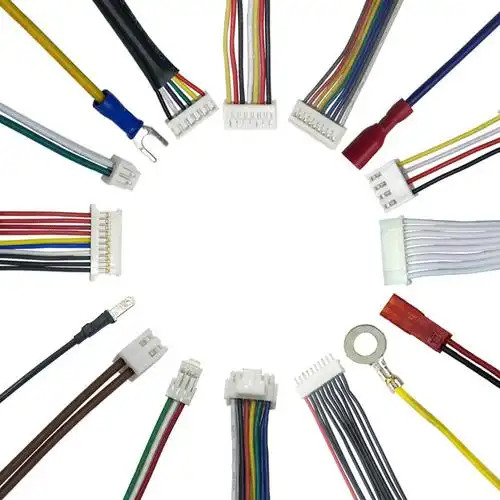
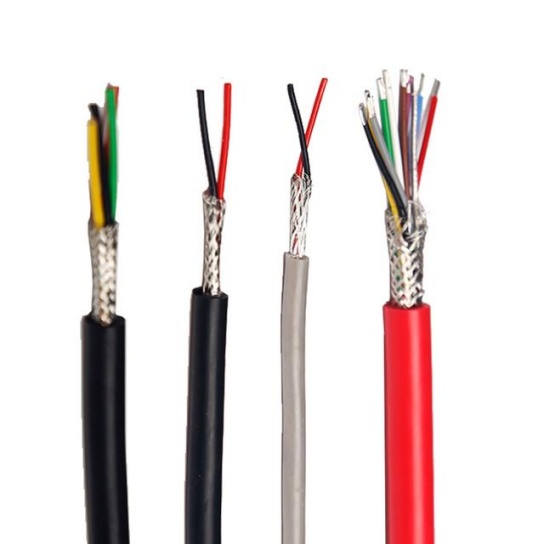
On a Boeing 737, “aviation cable” refers to the entire ecosystem of wires, cables, and harnesses that make up the aircraft’s Electrical Wiring Interconnection System (EWIS). This system is the aircraft’s central nervous system, distributing power and transmitting critical data and control signals. A 737 can contain 40–80 kmof wiring, weighing hundreds of kilograms, with thousands of connection points. Aviation-grade cables are used in power distribution, avionics, flight controls, lighting, and more, all within an environment of high vibration, wide temperature ranges, and strict safety regulations.
🔌 Types of Aviation Cables on the Boeing 737
The term “aviation cable” encompasses various specific cable types, each designed for a particular function.
1. Power Cables
- Function:Distribute 28V DC and 115V AC power from generators and batteries to systems like galley equipment, lighting, and environmental controls.
- Construction:Typically feature tinned copper conductors with high-temperature insulation such as PTFE, ETFE, or cross-linked polyalkene. They are often built to MIL-W-22759 / AS22759or BMS 13-48standards, ensuring high current capacity and fire resistance.
2. Data Bus & Communication Cables
- Function:Carry digital data for avionics networks (ARINC 429, Ethernet, etc.) and communication systems.
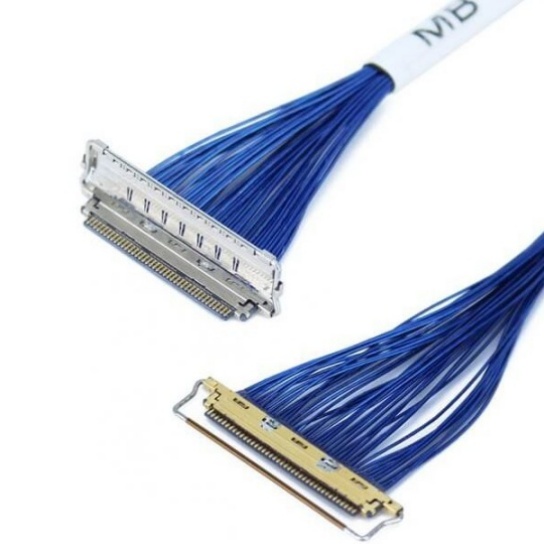
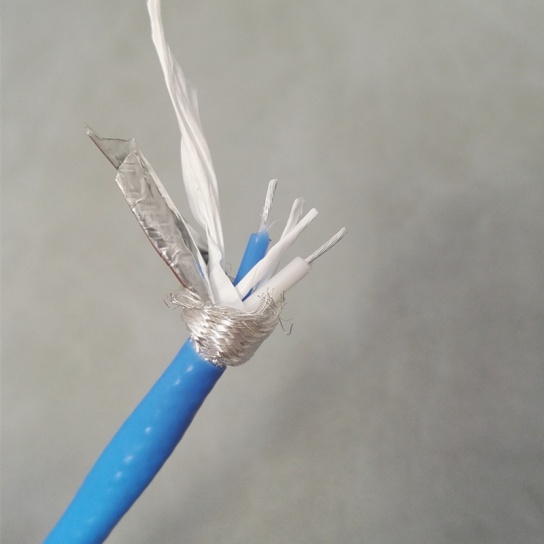
- Construction:Include coaxial cables (e.g., BMS 13-65), twinax cables (e.g., BMS 13-80), and 100-ohm twisted-pair databus cables (e.g., BMS 13-72). They feature precise impedance control and shielding to minimize electromagnetic interference (EMI).
3. Flight Control Cables
- Function:These are mechanical cables (wire ropes), not electrical wires. They transmit pilot inputs from the cockpit to control surfaces like ailerons, elevators, and the rudder.
- Construction:Made of high-strength carbon steel or stainless steel, they operate under high tension and must be kept clean, lubricated, and correctly routed to prevent wear or jamming.
4. Fiber Optic Cables
- Function:Used in newer or retrofitted 737s for high-bandwidth data transmission, such as in avionics backbone networks.
- Construction:Built to standards like BMS 13-71, they are lightweight, immune to EMI, and capable of high data rates, making them ideal for modern avionics.
5. Special-Purpose Cables
- Fire-Resistant Cables:Must pass standards like FAR 25.853for flammability, low smoke, and low toxicity (LSZH), especially in cabin areas.
- High-Temperature Cables:Used near engines and APUs, built to withstand temperatures over 200°C using materials like PTFE or polyimide.
- Ground Power Cables:Heavy-duty cables that connect the aircraft to ground power units, providing 115V/400Hz AC power when the engines or APU are off.
📜 Key Standards and Specifications
Boeing 737 cables must meet stringent regulatory and performance standards.
- Regulatory Framework:Cables must comply with FAA and EASA regulations (e.g., FAR 25.1701, CS-25), which dictate fire safety, electrical performance, and system separation.
- Industry Standards:Many wires conform to MIL-SPECstandards like MIL-W-22759and M27500, known for their high performance in aerospace.
- Boeing Specifications (BMS):Boeing has its own detailed specifications. Using the correct BMS part number is crucial for ensuring interchangeability and airworthiness. Examples include:
- BMS 13-48:General-purpose hook-up wire (600V).
- BMS 13-55 / 13-67:Fire-resistant, high-temperature wire.
- BMS 13-58:Extreme-environment cable with nickel-coated copper.
- BMS 13-60 / 13-78:Arc-resistant cables (600V / 1500V).
- BMS 13-71 / 13-72 / 13-80:Fiber optic and databus cables.
⚙️ How Aviation Cables Are Used in Key Systems
1. Power Distribution
The EWIS distributes power from the engines, APU, and batteries to essential systems. Key cables include BMS 13-48for general aircraft wiring and BMS 13-78for higher-voltage arc-resistant applications.
2. Avionics & Communication
Cables for avionics must maintain signal integrity in a noisy electrical environment. This includes shielded twisted-pair databus cables (BMS 13-72), coaxial cables (BMS 13-65), and fiber optic cables (BMS 13-71).
3. Flight Control
This system combines electrical wiring and mechanical control cables. The electrical part uses shielded wires for sensors and computers, while the mechanical cables are high-strength steel wires that physically move the control surfaces. Proper tension, routing, and lubrication are critical for safety.
4. Lighting & Passenger Systems
Cabin lighting, in-flight entertainment (IFE), and environmental controls rely on a mix of power and data cables. Fire-resistant, low-smoke cables are mandatory in the passenger cabin to meet safety regulations.
5. Ground Power
When parked, a ground power cableconnects the aircraft to an external power source, supplying 115V/400Hz AC to run systems without using the APU. These cables are heavy-duty and must be highly durable.
✈️ Differences Across the 737 Family
While the core EWIS architecture is similar, there are key differences between 737 generations:
- 737 Classic (300-500):Features an analog/digital hybrid avionics suite. Wiring is extensive but less dense than newer models.
- 737 Next Generation (NG, 600-900):Features a fully digital avionics architecture with ARINC 429 data buses and an increased number of Line Replaceable Units (LRUs), leading to a higher density of data cables.
- 737 MAX:Shares much of the NG’s EWIS but includes modifications for new systems like the MCAS. It also incorporates newer, lighter, and more heat-resistant cables in high-temperature zones. All changes are validated by the FAA.
🛠️ Maintenance, Inspection & Obsolescence
1. Inspection & Replacement
Maintenance is governed by the Aircraft Maintenance Manual (AMM) and Service Bulletins (SBs). Key practices include:
- Visual Inspections:Regularly check for chafing, kinks, corrosion, and proper support.
- Lubrication:Flight control cables require correct lubrication intervals to prevent wear and corrosion.
- Tension & Routing:Ensure cables are tensioned and routed per AMM to avoid interference.
2. Aging Aircraft Challenges
As the 737 fleet ages, managing obsolescence is a major issue. Older cables may no longer be produced, and finding parts for repairs becomes difficult. Solutions include:
- Life-Limited Parts:Some cables have flight-hour or calendar limits.
- Obsolescence Management:Planning ahead with approved alternatives or service bulletins for rewiring.
3. Safety Culture
Events like the 737 MAX investigations have highlighted the critical nature of wiring. A strong safety culture, where engineers feel empowered to question potential issues, is vital for maintaining airworthiness.
🛒 Procurement & Best Practices
When sourcing aviation cables for a 737, precision is paramount.
- Use Official Documentation:Always begin with the aircraft’s Type Certificate Data Sheet (TCDS), AMM, and Illustrated Parts Catalog (IPC) to find the exact Boeing or industry standard part number.
- Verify Regulatory Compliance:Ensure the cable meets all necessary standards for fire safety, temperature, and EMI, especially for cabin and EWIS applications.
- Source from Qualified Suppliers:Purchase from manufacturers with proven aerospace experience and certifications like AS9100. Traceability and lot control are essential for airworthiness.
- Consider Total Cost of Ownership:While some cables may have a higher upfront cost, their longer life, reduced maintenance, and weight savings can offer better value over the aircraft’s service life.