What is AS9100 certified aviation cable and why is it critical for aircraft
The aviation industry operates on an uncompromising commitment to safety, reliability, and performance. Every component, no matter how seemingly small, plays a vital role in ensuring the safe operation of an aircraft from takeoff to landing. Among these critical components, aviation cables stand out as the “nervous system” of the aircraft, transmitting electrical signals, power, and data between essential systems such as navigation, communication, flight control, and propulsion. However, not all aviation cables are created equal. AS9100 certified aviation cable represents the gold standard in this field, designed and manufactured to meet the rigorous demands of the aerospace industry. In this article, we will delve into what AS9100 certified aviation cable is, the significance of the AS9100 certification, and why this specialized cable is indispensable for modern aircraft.
What is AS9100 Certified Aviation Cable?
To understand AS9100 certified aviation cable, we first need to break down its two core components: the “aviation cable” itself and the “AS9100 certification” that validates it.
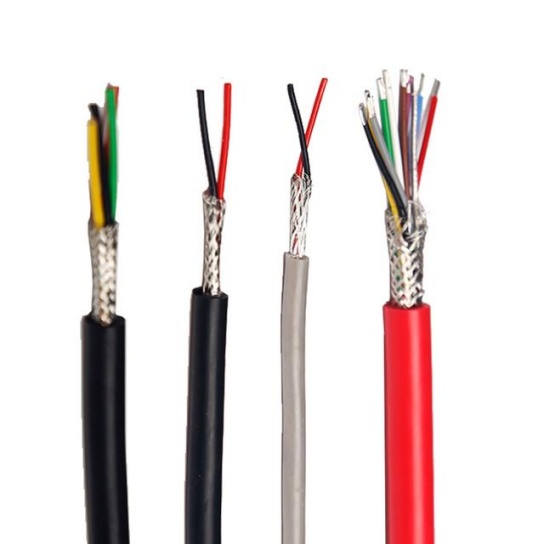
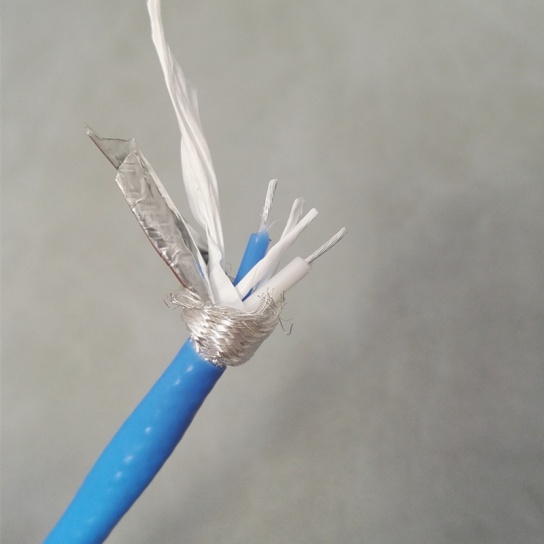
Aviation cables, also known as aerospace wires or aircraft cables, are specialized electrical conductors designed to function in the extreme and harsh environments of aerospace operations. Unlike standard commercial or industrial cables, they must withstand wide temperature fluctuations (from -65°C to 260°C, depending on the application), high levels of vibration, exposure to chemicals (such as jet fuel, hydraulic fluids, and de-icing solutions), radiation, and mechanical stress. Additionally, they must be lightweight to minimize the aircraft’s overall weight (a critical factor for fuel efficiency and payload capacity) and have excellent electrical insulation to prevent short circuits and signal interference—issues that could have catastrophic consequences in an aircraft.
The AS9100 certification is the cornerstone that distinguishes AS9100 certified aviation cable from non-certified alternatives. Developed by the International Aerospace Quality Group (IAQG), AS9100 is a quality management system (QMS) standard specifically tailored to the aerospace industry. It is based on the ISO 9001 standard but includes additional, industry-specific requirements that address the unique risks and challenges of aerospace manufacturing, including traceability, risk management, product safety, and compliance with regulatory bodies such as the Federal Aviation Administration (FAA) and the European Union Aviation Safety Agency (EASA).
For an aviation cable to be AS9100 certified, the manufacturer must implement and maintain an AS9100-compliant QMS throughout the entire production process—from the selection of raw materials (such as copper conductors, fluoropolymer insulation, and shielding materials) to design, manufacturing, testing, packaging, and delivery. This certification is not a one-time achievement; manufacturers must undergo regular audits by accredited third-party organizations to ensure ongoing compliance. In short, AS9100 certified aviation cable is a high-performance electrical cable that has been rigorously tested and validated to meet the strictest quality and safety standards of the aerospace industry.
The Core Requirements of AS9100 Certification for Aviation Cables
The AS9100 standard sets forth a range of requirements that manufacturers must meet to certify their aviation cables. These requirements are designed to eliminate defects, ensure consistency, and mitigate risks in every stage of production. Some of the key requirements relevant to aviation cables include:
1. Traceability
Traceability is a non-negotiable requirement in AS9100 certification. Manufacturers must be able to trace every component of the aviation cable—from the raw materials used in the conductor and insulation to the finished product—throughout the entire supply chain. This means that if a defect is identified in a batch of cables, the manufacturer can quickly pinpoint all affected products, recall them if necessary, and prevent them from being installed in aircraft. Traceability also supports maintenance and repair operations, as airlines and maintenance teams can verify the origin and specifications of every cable in an aircraft.
2. Risk Management
The aerospace industry is inherently high-risk, and AS9100 requires manufacturers to implement a systematic approach to risk management. For aviation cable manufacturers, this involves identifying potential risks at every stage of production—such as material defects, manufacturing errors, or design flaws—that could affect the cable’s performance or safety. Manufacturers must then develop and implement measures to mitigate these risks, such as rigorous incoming material inspections, in-process testing, and design reviews. This proactive approach ensures that potential issues are addressed before they result in non-compliant or unsafe products.
3. Rigorous Testing and Qualification
AS9100 certified aviation cables must undergo a series of stringent tests to validate their performance under the extreme conditions of aerospace operations. These tests include:
- Temperature resistance testing: Cables are exposed to extreme high and low temperatures to ensure that their insulation and conductors maintain their integrity and electrical performance.
- Vibration testing: Cables are subjected to the high levels of vibration typical of aircraft engines and flight operations to prevent mechanical fatigue and conductor breakage.
- Chemical resistance testing: Cables are exposed to common aerospace chemicals (jet fuel, hydraulic fluids, de-icing agents) to ensure that their insulation does not degrade or break down.
- Electrical performance testing: Tests such as insulation resistance, voltage withstand, and signal integrity ensure that the cable can transmit power and data reliably without interference or short circuits.
- Flame resistance testing: Aviation cables must meet strict flame resistance standards to prevent the spread of fire in the aircraft cabin or cargo hold. This includes tests for flame propagation, smoke density, and toxic gas emission.
4. Compliance with Regulatory Standards
AS9100 certification requires manufacturers to comply with all relevant regulatory standards and customer requirements. For aviation cables, this includes compliance with FAA standards (such as FAR 25.853 for flame resistance), EASA regulations, and industry specifications such as SAE AS4074 (for fluoropolymer-insulated aviation cables) and MIL-DTL-27500 (military specifications for aerospace wires). Compliance ensures that the cables are compatible with global aviation systems and can be used in aircraft worldwide.
Why AS9100 Certified Aviation Cable Is Critical for Aircraft
The importance of AS9100 certified aviation cable cannot be overstated. Aircraft rely on electrical systems for virtually every aspect of their operation, and any failure in these systems can lead to serious safety incidents—including loss of control, communication failures, or engine shutdowns. AS9100 certified aviation cable is critical for aircraft for the following key reasons:
1. Ensuring Safety and Reliability
Safety is the top priority in aviation, and AS9100 certified aviation cable is designed to minimize the risk of electrical system failures. The rigorous testing and quality control processes required by AS9100 ensure that the cables can withstand the harsh conditions of flight without degrading or failing. For example, a cable that fails due to temperature extremes or vibration could cause a short circuit in the flight control system, leading to loss of control of the aircraft. AS9100 certification eliminates this risk by ensuring that the cable has been validated to perform reliably under all expected operating conditions.
Reliability is also critical for reducing maintenance costs and minimizing aircraft downtime. Airlines operate on tight schedules, and unscheduled maintenance due to cable failures can result in costly delays and cancellations. AS9100 certified aviation cables have a longer service life and lower failure rate than non-certified cables, reducing the need for frequent replacements and maintenance.
2. Meeting Regulatory and Industry Requirements
All commercial and military aircraft must comply with strict regulatory standards set by organizations such as the FAA and EASA. These standards require that all components, including aviation cables, meet specific quality and safety criteria. AS9100 certification is widely recognized as proof of compliance with these standards, making it a prerequisite for supplying cables to aircraft manufacturers (such as Boeing, Airbus, and Lockheed Martin) and airlines. Without AS9100 certification, a cable manufacturer cannot participate in the aerospace supply chain, as their products will not be approved for use in aircraft.
3. Supporting Critical Aircraft Systems
AS9100 certified aviation cables are used in a wide range of critical aircraft systems, each of which depends on reliable electrical transmission. Some of these systems include:
- Flight control systems: These systems rely on aviation cables to transmit signals between the pilot’s controls (such as the yoke and pedals) and the aircraft’s control surfaces (ailerons, elevators, rudder). A failure in these cables could result in the pilot losing control of the aircraft.
- Navigation and communication systems: Navigation systems (such as GPS and inertial navigation systems) and communication systems (such as radios and transponders) use aviation cables to transmit data and signals. Reliable cables ensure that the aircraft can navigate accurately and communicate with air traffic control, which is essential for safe flight.
- Propulsion systems: The aircraft’s engines and related systems (such as fuel injection and engine monitoring) rely on aviation cables to transmit power and data. A failure in these cables could lead to engine shutdown or reduced performance, which is a serious safety risk.
- Cabin systems: While not directly critical to flight safety, cabin systems (such as lighting, air conditioning, and in-flight entertainment) rely on aviation cables to function. Reliable cables ensure passenger comfort and satisfaction.
4. Mitigating Operational Risks for Airlines
For airlines, the use of AS9100 certified aviation cable helps mitigate a range of operational risks. First, it reduces the risk of in-flight failures, which can lead to accidents, injuries, or fatalities. Second, it reduces the risk of regulatory non-compliance, which can result in fines, grounded aircraft, or loss of operating licenses. Third, it reduces maintenance costs by minimizing the need for unscheduled repairs and replacements. Over the long term, the use of AS9100 certified cables helps airlines maintain a safe, reliable, and cost-effective operation.
Common Applications of AS9100 Certified Aviation Cable
AS9100 certified aviation cable is used in virtually all types of aircraft, including commercial airliners, military aircraft, helicopters, private jets, and unmanned aerial vehicles (UAVs). Some of the most common applications include:
- Commercial airliners: Planes such as the Boeing 787, Airbus A350, and Boeing 737 MAX use AS9100 certified cables in their flight control, navigation, communication, and propulsion systems.
- Military aircraft: Fighter jets, transport planes, and helicopters used by the military require cables that can withstand extreme conditions (such as high G-forces and combat environments). AS9100 certified cables are designed to meet these demanding requirements.
- Helicopters: Helicopters operate in unique environments with high vibration and limited space. AS9100 certified cables are lightweight and flexible, making them ideal for use in helicopter electrical systems.
- UAVs (Drones): Unmanned aerial vehicles used for military, commercial, and civilian applications rely on reliable electrical systems to maintain flight and transmit data. AS9100 certified cables ensure that these systems function reliably, even in remote or harsh environments.
How to Identify AS9100 Certified Aviation Cable
When sourcing aviation cables for aircraft applications, it is essential to ensure that the cables are AS9100 certified. Here are some key ways to identify AS9100 certified aviation cable:
- Certification Documentation: The manufacturer should provide a copy of their AS9100 certification, issued by an accredited third-party auditor. This documentation should include the scope of the certification (ensuring that it covers aviation cable manufacturing) and the expiration date of the certification.
- Product Labeling and Traceability Codes: AS9100 certified cables should be labeled with traceability codes that allow you to track the cable back to its raw materials and production batch. This labeling may include the manufacturer’s name, part number, lot number, and certification marks.
- Compliance with Industry Specifications: AS9100 certified cables should comply with relevant industry specifications such as SAE AS4074, MIL-DTL-27500, or EN 3475. These specifications are often referenced in the product datasheet or certification documentation.
- Reputable Manufacturers: Working with reputable aerospace cable manufacturers with a proven track record of AS9100 compliance is essential. Look for manufacturers that are recognized by major aircraft manufacturers and have positive reviews from industry customers.
Conclusion
AS9100 certified aviation cable is more than just a component—it is a critical enabler of safe, reliable, and efficient aircraft operation. By meeting the rigorous quality and safety requirements of the AS9100 standard, these cables ensure that the electrical systems of aircraft function properly under the most extreme conditions. From flight control to navigation, communication to propulsion, every critical system in an aircraft depends on the reliability of aviation cables. AS9100 certification provides the assurance that these cables have been designed, manufactured, and tested to the highest standards of the aerospace industry.
For aircraft manufacturers, airlines, and maintenance teams, choosing AS9100 certified aviation cable is not just a regulatory requirement—it is a commitment to safety and reliability. In an industry where even the smallest defect can have catastrophic consequences, AS9100 certified aviation cable is a vital investment in the safety of passengers, crew, and aircraft.
Whether you are involved in aircraft manufacturing, maintenance, or procurement, understanding the importance of AS9100 certified aviation cable is essential. By choosing certified cables, you can ensure that your aircraft meets the highest standards of safety, reliability, and performance—today and in the future.