What Is 16 AWG Aircraft Cable? Specifications and Applications
In aerospace and high-reliability industries, “16 AWG aircraft cable” refers to a family of high-performance wires, not a single product. It is defined by its size (16 AWG), construction (typically stranded, tin-plated copper), and performance standardslike MIL-DTL-22759/16, M27500, or VG 95218.
These cables are engineered for demanding environments, featuring:
High Temperature Resistance:Up to 150–200 °C.
Harsh Environment Durability:Resistant to fluids, moisture, and UV.
Common insulation materials include extruded ETFE (Tefzel)and radiation-crosslinked polyolefin, known for their excellent mechanical and electrical properties.
Key Specifications at a Glance
The following table compares typical parameters for a standard 16 AWG aircraft wire (e.g., M22759/16) with a general-purpose 16 AWG wire.
Parameter
16 AWG Aircraft Cable (Typical)
General-Purpose 16 AWG Wire
Why It Matters for Aircraft
Conductor
Stranded, tin-plated copper (e.g., 19×29)
Stranded or solid copper
Tinned copper resists corrosion from moisture and fluids.
Conductor Area
~1.3 mm²
~1.3 mm²
Standardized for compatibility with aerospace connectors.
Max. Resistance
~4.8–5.0 Ω/1000 ft (~15.7–16.4 mΩ/m)
Varies, often higher
Lower resistance minimizes voltage drop in long cable runs.
Voltage Rating
600 V RMS (sea level)
300–600 V
Meets the higher safety margins of aircraft systems.
Temp. Rating
-55 °C to +150 °C (175–200 °C for some)
-20 °C to +80 °C (PVC)
Withstands engine bays, near hot surfaces, and cold-soaked conditions.
Insulation
ETFE, XL-Polyolefin, or dual-wall
PVC, rubber
Superior chemical, fluid, and abrasion resistance.
Weight
Lightweight for the current capacity
Heavier for the same current
Critical for reducing aircraft weight and fuel consumption.
Standards
MIL-DTL-22759, M27500, VG 95218
UL, CSA, IEC
Ensures quality, traceability, and qualification for flight safety.
Common Constructions & Standards
Single-Conductor Hook-Up Wire (MIL-DTL-22759/16)
Use Case:Point-to-point wiring for avionics, sensors, lighting, and control circuits.
Use Case:Widely used in European aerospace programs.
Features:Meets stringent flame, smoke, and toxicity (FST) requirements.
Practical Applications
Aircraft Internal Wiring:Powering lighting, instruments, sensors, and control panels. Its 150°C rating is suitable for cabin and avionics bays.
Engine Nacelle & High-Temp Zones:ETFE-insulated cables (like M22759/16) are used near engines and APUs where temperatures exceed 125°C.
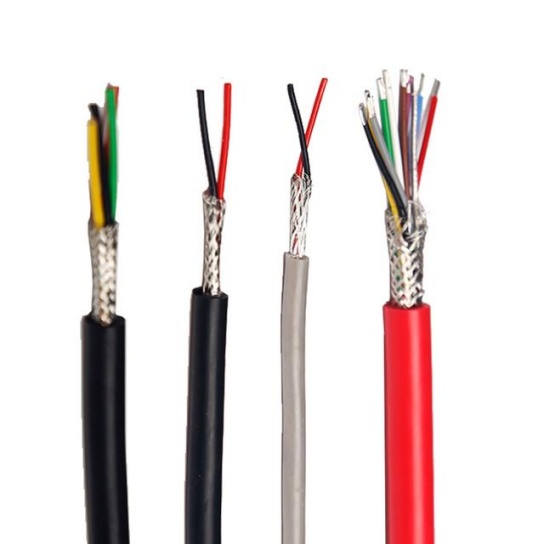
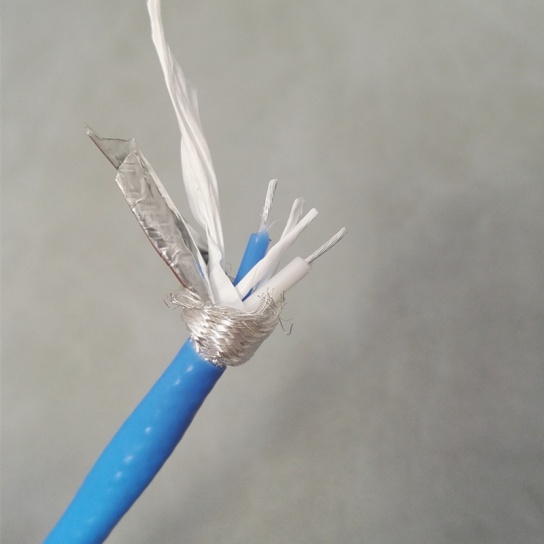
Avionics & Data Bus:Shielded 16 AWG multi-core cables are essential for routing power and data lines while minimizing EMI/RFI in crowded harnesses.
UAVs & Drones:A balanced choice for medium-current power distribution (e.g., 10–15A), offering a good compromise between current capacity and weight.
Ground Support & Test Equipment:Used in high-reliability systems that must interface with aircraft, such as GSE carts and simulators.
How to Select the Right 16 AWG Aircraft Cable
Confirm the Standard:Choose based on your project’s requirements.
MIL-DTL-22759/16:For high-reliability, defense, or global aerospace projects.
M27500:For complex harnesses with specific shielding and jacket needs.
VG 95218:For European OEMs or compliant programs.
Def Stan 61-12 / UL:For general aviation or industrial markets.
Match the Temperature Rating:Select a cable rated for at least 150°C. For engine bays or near hot surfaces, verify the actual ambient temperature and choose a higher-rated cable (e.g., 200°C) if necessary.
Verify Voltage Rating:600V is standard and sufficient for most low-voltage aircraft systems (12V, 24V, 28V). For higher voltages, a different cable family is required.
Check Shielding Needs:Use shielded multi-core cables for data or sensitive analog signals to prevent EMI/RFI issues. Unshielded single-conductor wires are suitable for power distribution.
Calculate Voltage Drop:For long cable runs, calculate the voltage drop to ensure it’s within acceptable limits (typically <3-5%). Use the formula: V_drop = I × R × L. Remember that resistance increases with temperature.
Ensure Connector Compatibility:The cable’s conductor area (~1.3 mm²) must match the connector’s specified wire size. Using a smaller cable can cause overheating and connection failure.
Consider Weight & Bend Radius:In aircraft, every gram counts. Choose lightweight constructions and ensure the cable’s bend radius meets the specification to avoid damaging the insulation.
Plan for Color & Identification:Use standard color codes (per MIL-STD-681) for easy troubleshooting. For multi-core cables, ensure each core has a unique color or stripe.
Common Pitfalls to Avoid
Using PVC Wire:It lacks the temperature, fluid, and flame resistance required for certified aircraft.
Ignoring Voltage Drop:This can lead to undervoltage, system malfunctions, and premature component failure, especially in long harnesses.
Mixing Standards:Combining cables from different standards (e.g., M27500 with VG 95218) in the same harness can complicate qualification and maintenance.
Over-tight Bend Radius:This can cause insulation cracks and conductor breakage, especially with stranded ETFE wires.
Neglecting Connector Derating:Connectors have current ratings that are lower than the wire itself. Always check the connector’s spec sheet and apply any required derating factors.
Quick Selection Checklist
Application:Power, signal, data, or control?
Environment:Cabin, cockpit, or engine bay (temperature)?
Standard:MIL, EN, or commercial?
Shielding:Shielded or unshielded?
Voltage & Current:What are the operating parameters?
Length:Calculate voltage drop for runs >1-2 meters.
Connector:What is the termination hardware?
Final Professional Summary
For B2B buyers, 16 AWG aircraft cable is a versatile workhorse, not just a wire size. Success lies in moving beyond the AWG number to evaluate the full specification against your application’s demands.
Match the Environment:Prioritize temperature, fluid, and flame resistance (ETFE, XL-Polyolefin).
Respect the Standards:Align with MIL-DTL-22759/16, M27500, or VG 95218 for quality and qualification.
Engineer for Performance:Calculate voltage drop for power lines and use shielding for data/signal lines.
Verify Compatibility:Ensure the cable, connector, and tooling are a certified system.
By following this structured approach, you can select a 16 AWG aircraft cable that ensures safety, reliability, and long-term performance in your aerospace or high-reliability industrial project.
When it comes to aviation safety and performance, every component must meet the highest standards—especially electrical systems. High-Temp Resistant Aviation Electrical Cables are engineered to deliver unparalleled durability and reliabi.
Designed to meet the rigorous demands of modern aviation and defense systems, Lightweight MIL-SPEC Aviation Wiring Cables represent the pinnacle of reliability, durability, and performance. Engineered to comply with stringent military sp.
Product Overview: aviation cable
Machine vision cables are specialized components designed to ensure high-speed, stable data transmission and signal integrity in automated imaging systems. Key features include:
Technical Specifica.
Premium Aviation Cables for Aircraft Systems: Elevating Safety and Performance
In the demanding world of aviation, reliability and precision are non-negotiable. Premium Aviation Cables for Aircraft Systems are engineered to meet the r.
From commercial airliners to military drones, aviation cables are the unsung heroes ensuring reliable power, data, and signal transmission in the skies. These specialized cables are engineered to withstand extreme conditions—think turbule.