What Are Vibration Resistant Aviation Cables and Why Are They Critical for Aircraft?
Aircraft operate in one of the most demanding environments on the planet, where extreme temperatures, pressure fluctuations, and constant mechanical stress test every component to its limits. Among these critical components, vibration resistant aviation cables stand out as unsung heroes, ensuring the seamless transmission of power, signals, and data that keep aircraft airborne and safe. For aviation manufacturers, maintenance teams, and procurement specialists searching for reliable aviation cable supplier China, understanding the nature and importance of these specialized cables is essential. This article delves into the core of vibration resistant aviation cables, exploring their design, key features, testing standards, and the irreplaceable role they play in aviation safety and performance.
Defining Vibration Resistant Aviation Cables
Vibration resistant aviation cables are a subset of aerospace-grade cables engineered specifically to withstand the persistent mechanical vibrations and shocks encountered during aircraft operation. Unlike standard industrial cables, these cables are not just conductors wrapped in insulation; they are precision-engineered systems designed to maintain structural integrity and performance under cyclic vibration loads that would degrade or destroy conventional cables.
Aircraft vibrations originate from multiple sources: the rotation of jet engines, turbulence during flight, landing gear deployment and retraction, and even the operation of on-board systems like pumps and compressors. These vibrations range from high-frequency, low-amplitude oscillations to low-frequency, high-amplitude shocks. Vibration resistant aviation cables are designed to absorb, dampen, or resist these forces without compromising their core functions—transmitting electrical power for engines and avionics, carrying control signals for flight surfaces, and relaying critical data between navigation, communication, and monitoring systems <superscript>1.
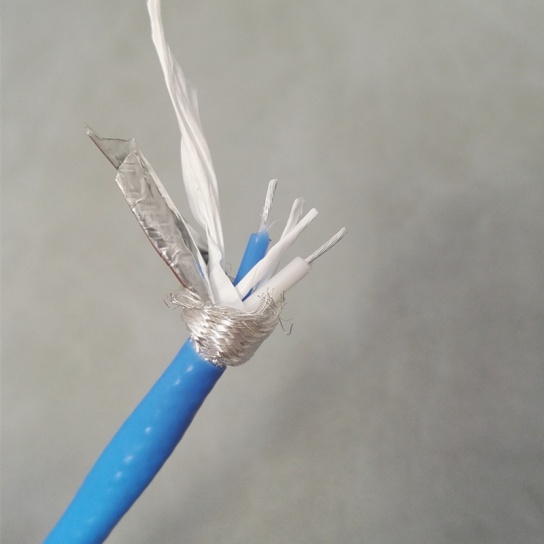
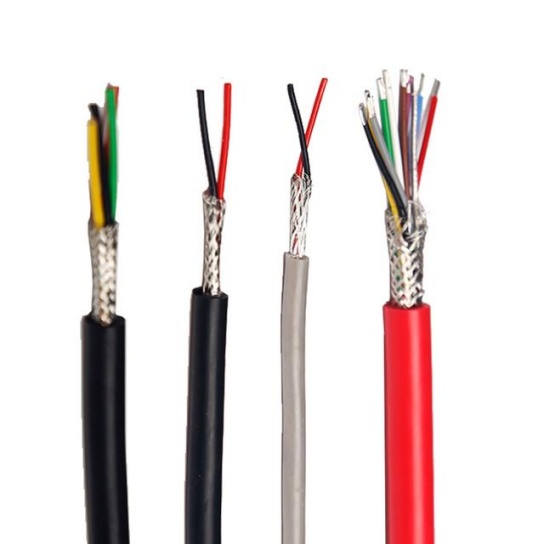
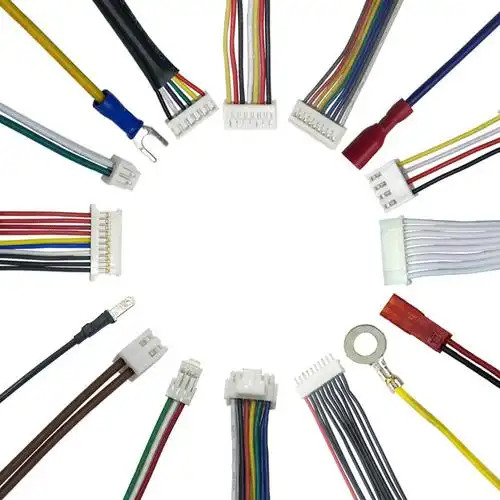
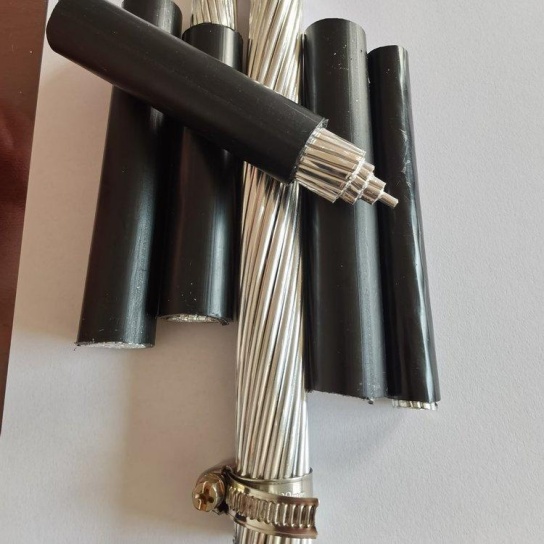
Key components of vibration resistant aviation cables include specialized conductors, high-performance insulating materials, robust shielding, and advanced jacketing. For example, conductors may be made of stranded silver-plated copper or copper alloys to enhance flexibility and resist fatigue from repeated vibration. Insulation materials often include fluoropolymers like PTFE, FEP, or PFA, which offer excellent thermal stability, chemical resistance, and mechanical strength <superscript>4. Shielding layers, such as double-braided copper, protect against electromagnetic interference (EMI) while adding structural rigidity, and jacketing materials are selected for abrasion resistance and flexibility to withstand routing through tight aircraft compartments.
Core Features That Enable Vibration Resistance
The effectiveness of vibration resistant aviation cables lies in a combination of design features that work in tandem to combat the effects of persistent vibration. These features are not just incremental improvements over standard cables but are fundamental to their ability to operate reliably in aviation environments:
1. Flexible yet Durable Conductor Construction
Stranded conductors are the backbone of vibration resistant cables. Unlike solid conductors, which are prone to cracking and breaking under repeated bending and vibration, stranded conductors consist of multiple small-diameter wires twisted together. This design allows the conductor to flex with vibration rather than resisting it, reducing fatigue and extending service life. High-quality aviation cables often use silver-plated stranded copper conductors, as silver enhances electrical conductivity and provides additional corrosion resistance—a critical factor in the humid, temperature-fluctuating environment of aircraft <superscript>8.
2. Advanced Insulation and Buffering Layers
Insulation in vibration resistant aviation cables must do more than prevent electrical leakage; it must protect the conductor from mechanical damage caused by vibration. Expanded polytetrafluoroethylene (ePTFE) and perfluoroalkoxy (PFA) are common insulation materials due to their exceptional mechanical strength, resistance to extreme temperatures (-65°C to +150°C or higher), and ability to maintain flexibility under vibration <superscript>9. Some cables also include a secondary buffering layer, such as an ePTFE binder, to absorb shock and reduce friction between the conductor and shielding<superscript>4.
3. Robust Shielding for EMI Protection and Structural Support
Aircraft are filled with electronic systems that generate electromagnetic fields, which can interfere with signal transmission. Vibration resistant cables feature multi-layer shielding—often double-braided copper or aluminum—that blocks EMI while adding structural integrity. The shielding layer is designed to withstand vibration without loosening or tearing, ensuring consistent protection throughout the cable’s service life. For high-frequency applications like radar and navigation systems, specialized shielding designs further enhance signal integrity <superscript>7.
4. Abrasion-Resistant Jacketing
Vibration causes cables to rub against aircraft structures, brackets, and other components over time. Abrasion-resistant jacketing materials, such as PFA or high-performance thermoplastics, protect the cable’s inner layers from wear and tear. Some jacketing materials also include flame-retardant properties, a critical safety requirement in aviation to prevent the spread of fire <superscript>1.
Why Vibration Resistant Aviation Cables Are Critical for Aircraft Safety
The failure of an aviation cable—even a small one—can have catastrophic consequences. Vibration-induced cable failure is one of the most insidious threats to aircraft safety, as it often occurs gradually over time, making it difficult to detect during routine maintenance. Here’s why vibration resistant aviation cables are non-negotiable for modern aircraft:
1. Uninterrupted Power Transmission for Critical Systems
Aircraft engines, flight controls, and life support systems rely on a steady supply of electrical power. Vibration can cause standard cables to develop loose connections, cracked conductors, or damaged insulation, leading to power interruptions or short circuits. A power failure in an engine control unit (ECU) or flight control system could result in loss of control of the aircraft. Vibration resistant cables are designed to maintain consistent power transmission even under the most severe vibration conditions, ensuring these critical systems operate without interruption <superscript>3.
2. Reliable Signal and Data Integrity
Modern aircraft depend on complex avionics systems that transmit vast amounts of data—from navigation coordinates and radar readings to engine performance metrics and passenger communication. Vibration can disrupt signal transmission by causing micro-fractures in conductors, loosening connections, or damaging insulation, leading to data loss, corruption, or delayed signals. For example, a corrupted signal from a navigation system could lead the aircraft off course, while delayed engine performance data could prevent maintenance teams from detecting a potential issue before it becomes a failure. Vibration resistant cables maintain signal integrity by minimizing these vibration-induced disruptions, ensuring accurate and timely data transmission <superscript>4.
3. Prevention of Foreign Object Debris (FOD)
When standard cables fail due to vibration, they can break into small pieces—such as frayed wire strands or cracked insulation—that become foreign object debris (FOD). FOD is a major hazard in aircraft, as it can damage engines, clog fuel lines, or interfere with moving parts like landing gear. Vibration resistant cables are designed to resist breakage, reducing the risk of FOD and the associated safety hazards <superscript>3.
4. Extended Service Life and Reduced Maintenance Costs
Aviation maintenance is both time-consuming and expensive. Cables that fail prematurely due to vibration require frequent replacement, increasing downtime and maintenance costs. Vibration resistant cables have a significantly longer service life, as they are engineered to withstand the rigors of aviation vibration for thousands of flight hours. This not only reduces maintenance costs but also improves aircraft availability, a critical factor for commercial airlines and military operators alike <superscript>8.
Testing Standards for Vibration Resistant Aviation Cables
To ensure that vibration resistant aviation cables meet the strict safety and performance requirements of the aviation industry, they must undergo rigorous testing in accordance with international standards. These standards define the test methods, equipment, and performance criteria for evaluating a cable’s ability to withstand vibration. Some of the most important standards include:
1. EN 6059-406
This European standard specifies the test methods and tools for evaluating the vibration resistance of cable protection sleeves and cable bundles for aerospace applications. The standard requires cables to be tested under controlled vibration conditions, with samples mounted using aviation-grade brackets and clamps to simulate real-world installation. The test measures the cable’s ability to withstand vibration without damage to the sleeve or inner components <superscript>2.
2. EN 3745
EN 3745 is a key standard for aerospace cables, covering mechanical test methods including crush resistance, impact resistance, and vibration endurance. For vibration testing, cables are exposed to extreme temperatures (-40°C to +135°C) while being subjected to cyclic vibration, with measurements taken to assess signal integrity and structural damage. Cables that meet EN 3745 are certified to perform reliably in the most demanding aviation environments <superscript>8.
3. GJB 1428-2009 and GJB 915A-1997
These Chinese military standards specify the requirements for aerospace cables, including vibration resistance. Cables tested to these standards must demonstrate stable performance under vibration, shock, and extreme temperatures, as well as resistance to mold, toxicity, and liquid immersion. Chinese aviation cable suppliers often adhere to these standards, ensuring their products meet the requirements of both domestic and international customers <superscript>9.
4. GB/T 17737.325-2018
This Chinese national standard covers mechanical test methods for coaxial communication cables, including aeolian vibration testing. The standard is aligned with international ISO/IEC standards and ensures that coaxial cables used in aviation applications can withstand vibration-induced fatigue <superscript>11.
Why Choose a Reliable Aviation Cable Supplier China?
For global buyers seeking high-quality vibration resistant aviation cables, China has emerged as a leading supplier of aerospace-grade cables. Chinese suppliers offer several key advantages that make them a preferred choice for aviation manufacturers and maintenance teams worldwide:
1. Compliance with International Standards
Top aviation cable suppliers in China adhere to strict international and domestic standards, including EN 6059-406, EN 3745, GJB 1428-2009, and GB/T 17737.325-2018. This ensures that their vibration resistant aviation cables meet the same performance and safety requirements as cables from Western suppliers, making them suitable for use in commercial, military, and general aviation aircraft <superscript>9.
2. Advanced Manufacturing Capabilities
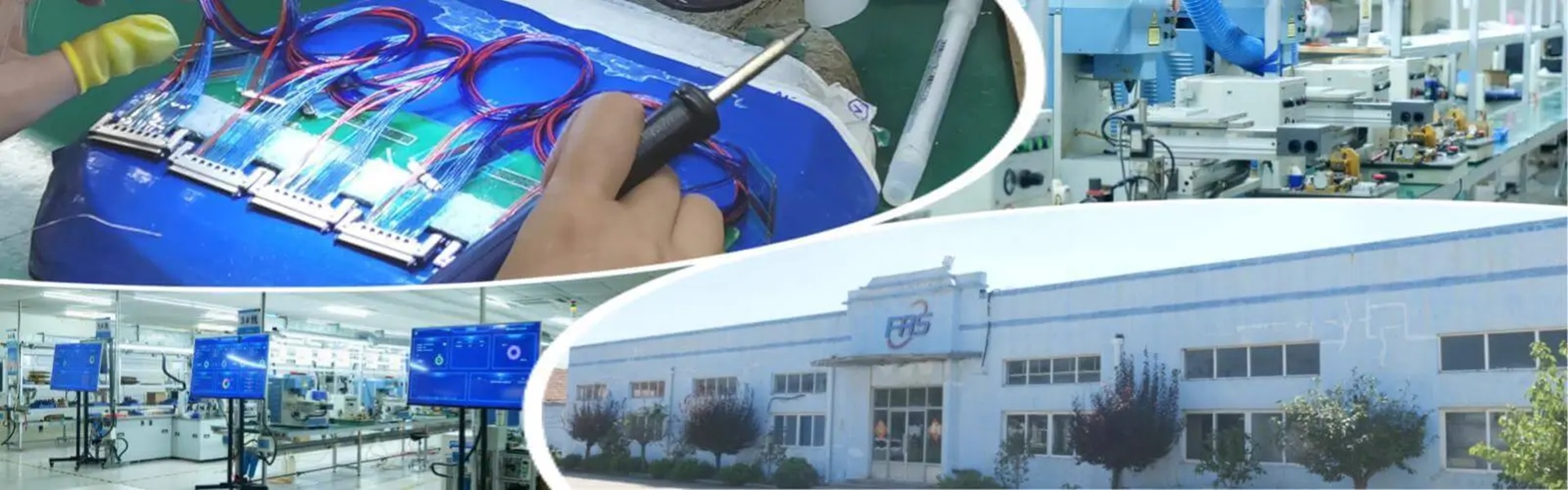
Chinese suppliers have invested heavily in advanced manufacturing technologies, including precision stranding machines, automated insulation and jacketing lines, and state-of-the-art testing equipment. This allows them to produce high-quality vibration resistant cables with consistent performance characteristics, even in large production volumes.
3. Customization Capabilities
Aviation applications vary widely, and off-the-shelf cables may not always meet specific requirements. Leading Chinese suppliers offer customization services, allowing customers to specify conductor materials, insulation types, shielding configurations, and jacketing materials to meet their unique vibration, temperature, and performance needs. This flexibility is particularly valuable for specialized aircraft applications, such as military drones or advanced commercial airliners <superscript>4.
4. Competitive Pricing and Reliable Supply Chains
Chinese suppliers offer competitive pricing without compromising on quality, making them an cost-effective choice for global buyers. Additionally, China’s robust manufacturing ecosystem ensures reliable supply chains, with the ability to source high-quality raw materials (such as silver-plated copper and fluoropolymers) and deliver orders on time, even for large-volume requirements.
Real-World Applications of Vibration Resistant Aviation Cables
Vibration resistant aviation cables are used in virtually every system of modern aircraft, from engines to avionics to passenger comfort systems. Some key applications include:
1. Engine and Propulsion Systems
Jet engines generate intense vibration and extreme temperatures, making them one of the most demanding environments for aviation cables. Vibration resistant cables are used to transmit power to engine accessories (such as fuel pumps and ignition systems) and to relay performance data from sensors to the ECU. These cables must withstand temperatures up to +150°C and high-frequency vibration without degradation <superscript>7.
2. Flight Control Systems
Flight control systems—including ailerons, elevators, rudders, and flaps—rely on precise signal transmission to respond to pilot inputs. Vibration resistant cables carry control signals from the cockpit to the actuators that move these flight surfaces, ensuring accurate and timely response even during turbulence or high-speed flight <superscript>3.
3. Avionics and Navigation Systems
Avionics systems, such as radar, GPS, and communication radios, require high-integrity signal transmission to function properly. Vibration resistant cables with advanced shielding protect these signals from EMI and maintain integrity under vibration, ensuring reliable navigation and communication <superscript>4.
4. Landing Gear Systems
Landing gear systems experience high-amplitude shocks and vibration during takeoff and landing. Vibration resistant cables are used to transmit power to landing gear actuators and to relay position and status data to the cockpit, ensuring safe deployment and retraction<superscript>3.
Conclusion
Vibration resistant aviation cables are a critical component of modern aircraft, ensuring the safe and reliable operation of power, signal, and data transmission systems in the face of persistent mechanical vibration. Their precision engineering, advanced materials, and compliance with strict international standards make them indispensable for aviation safety. For global buyers seeking high-quality, cost-effective vibration resistant aviation cables, partnering with a reputable aviation cable supplier China offers access to advanced manufacturing capabilities, customization options, and reliable supply chains—all while meeting the rigorous requirements of the aviation industry.
Whether for commercial airliners, military jets, or general aviation aircraft, choosing the right vibration resistant aviation cable is not just a matter of performance—it’s a matter of safety. By understanding the key features, testing standards, and applications of these cables, and by partnering with a trusted supplier, aviation professionals can ensure that their aircraft are equipped with the most reliable components available.