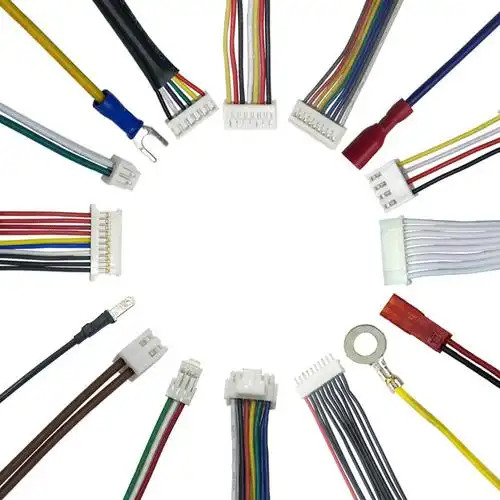
What are the key features to consider when choosing an aviation cable with connector
When selecting an aviation cable with connector, the goal is to ensure a reliable electrical and mechanical interface between your system and the aircraft or airborne platform. Making the right choice involves a careful balance of electrical, mechanical, environmental, and application-specific factors.
This guide outlines the key parameters to consider, helping you choose the right aviation cable assembly for your project.
⚡ 1. Electrical Parameters: Voltage, Current, and Signal Type
The electrical characteristics are the primary considerations.
- Rated Voltage and Current
- Current Derating: The rated current must be derated for multi-core connectors or high ambient temperatures. For instance, a 10A-rated pin may only be safe for 7–8A in a dense, hot environment.
- Connector vs. Wire: The connector’s current rating must be equal to or higher than the wire’s ampacity.
- Example: Aviation connectors are available with current ratings from 2A to 25A per pin, depending on size and construction.
- Signal Type and Frequency
- Power Cables: For high-current applications, focus on low resistance and thermal management.
- Data/Signal Cables: For high-speed data (e.g., USB 3.1, Ethernet, RF), impedance, crosstalk, and shielding are critical. MIL-DTL-38999 series connectors are used for high-density, high-reliability data lines.
- Matching: Ensure the connector’s impedance matches the cable and the transmission standard (e.g., 50 Ω or 75 Ω for RF).
- Contact Resistance and Insulation
- Low Contact Resistance: Essential for minimizing power loss and heat. Look for values in the milliohm range.
- High Insulation Resistance: Prevents leakage currents. Values are typically specified in megaohms (MΩ) or gigaohms (GΩ).
🔩 2. Mechanical Design: Size, Shape, and Locking
The physical form must fit the available space and withstand operational stresses.
- Connector Form Factor
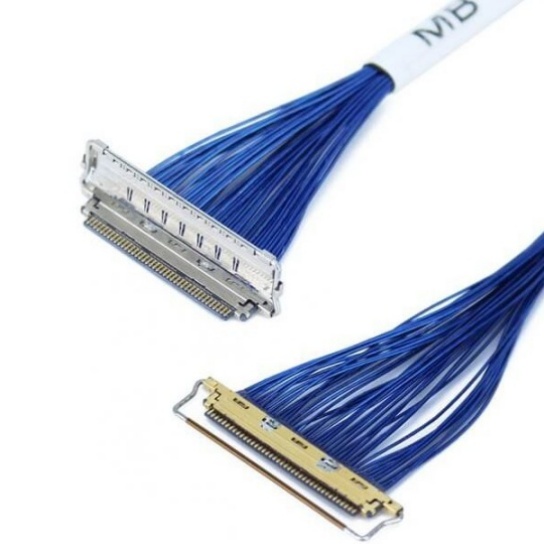
- Shapes: Choose from circular, rectangular, miniature, or micro-miniature based on space and panel constraints.
- Mounting: Options include panel-mount, free-hanging cable-end, inline, or board-to-cable.
- Orientation: Select straight, right-angle, or T-shaped plugs to avoid cable strain.
- Locking and Anti-Vibration Features
- Secure Locking: Threaded (e.g., M5, M13), bayonet, or push-pull mechanisms prevent accidental disconnection.
- Vibration Resistance: A secure lock is vital for withstanding aircraft vibration and shock.
- Mating Cycles: For frequently serviced systems, a high mating cycle count (e.g., 500+ times) is a key durability spec.
- Weight and Size Optimization
- In aerospace, every gram counts. Modern designs, like the “Series Five” connectors, are up to 50% lighter than older models while maintaining performance, which translates to significant fuel savings over an aircraft’s lifespan.
🌡️ 3. Environmental Performance: Temperature, Moisture, and Chemicals
Aviation environments are harsh, demanding connectors that perform reliably in extreme conditions.
- Operating Temperature
- Wide Range: Aerospace connectors are designed for broad temperature ranges, such as -65°C to +200°C, to handle environments from cold-soaked aircraft to engine bays.
- Material Selection: Material choice is critical; some plastics become brittle at low temperatures, while others degrade at high temperatures.
- Ingress Protection (IP Rating)
- Protection from Elements: The IP rating (e.g., IP67, IP68) indicates resistance to dust and water. An IP67 rating ensures protection against temporary immersion, while IP68 offers protection at greater depths.
- Sealing: Gaskets, O-rings, and potting are used to achieve high IP ratings, crucial for connectors exposed to rain, humidity, or washdowns.
- Resistance to Fluids and Chemicals
- Connectors must resist damage from aviation fuels, hydraulic fluids, de-icing fluids, and cleaning agents. Shell materials like PA66, PPS, and V-0-rated thermoplastics are common for their chemical resistance.
🛡️ 4. Shielding and EMI Performance
Electromagnetic interference (EMI) can disrupt avionics. Effective shielding is non-negotiable.
- Connector Shell: A conductive metal shell provides the first layer of shielding.
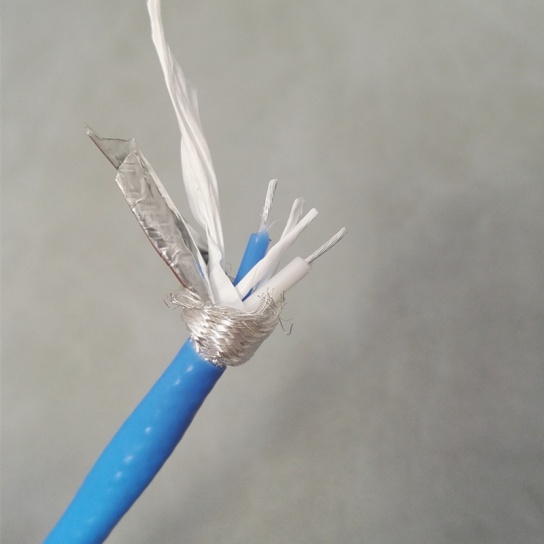
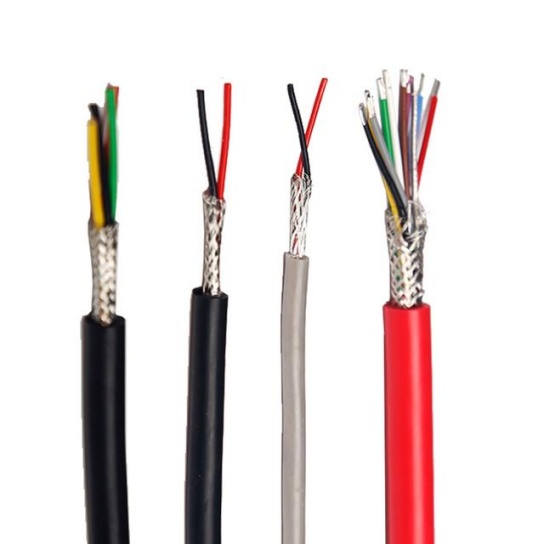
- Cable Shielding: Braided or foil shields in the cable must be properly terminated to the connector shell, often with a 360° clamp, to create a continuous shield.
- Grounding: A low-impedance ground path (ideally <5 mΩ) between the connector shell and the chassis is essential to prevent noise coupling.
🔌 5. Wire and Cable Construction
The cable is as critical as the connector itself.
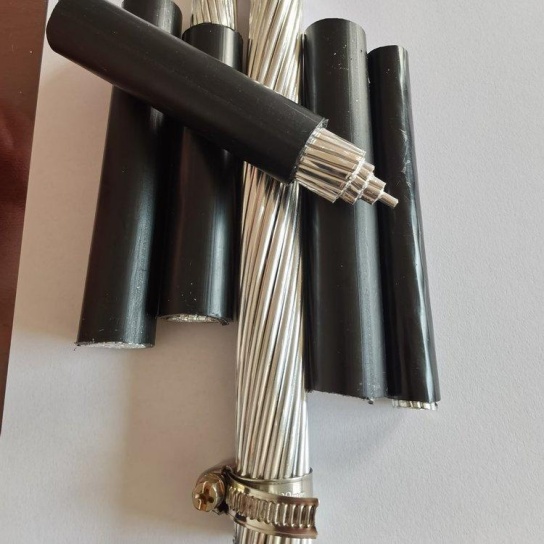
- Conductor Material: High-purity copper (tinned or silver-plated) is standard for low resistance and corrosion resistance.
- Insulation and Jacket: Materials like PTFE, ETFE, or polyurethane offer different balances of temperature resistance, flexibility, and chemical resistance. The jacket must be compatible with the connector’s sealing system.
- Flex Life: For applications with movement (e.g., robotics, UAVs), high-flex cables with fine-strand conductors and flexible jackets are necessary.
📋 6. Standards, Certifications, and Traceability
Compliance with standards ensures quality, safety, and interoperability.
- Key Standards: Look for compliance with MIL-DTL-38999, MIL-DTL-5015, MIL-DTL-83733, and environmental standards like RTCA/DO-160, which cover temperature, vibration, and EMI.
- Traceability: Each component should have full lot traceability for failure analysis and certification.
- Testing: Reputable manufacturers perform 100% electrical, hipot, and environmental tests on every assembly.
🔧 7. Termination, Assembly, and Maintenance
How the cable is terminated and maintained impacts long-term reliability.
- Termination Method: Soldering provides a robust, low-resistance connection, while crimping offers efficiency for mass production. Ensure the chosen method is suitable for your production process.
- Strain Relief: Overmolding or backshells provide critical strain relief where the cable meets the connector, preventing mechanical stress on solder joints.
- Maintenance: Consider the ease of inspection, cleaning, and repair. Features like color-coding and keying help prevent mis-mating during maintenance.
🎯 8. Application-Specific Considerations
Tailor your selection to the specific application.
- Flight-Critical Systems: Prioritize high-reliability connectors (e.g., MIL-DTL-38999) with rigorous testing and documentation.
- UAVs and Drones: Focus on weight, size, and vibration resistance. Micro and nano circular connectors (e.g., M5) are common.
- Ground Support and Test Equipment: While standards are important, you may prioritize cost and ease of use over the most stringent aerospace-grade specifications.
✅ 9. Practical Selection Workflow
Follow these steps to narrow down your options:
- Define Requirements: List voltage, current, signal type, data rate, and number of contacts.
- Set Environmental Specs: Detail the operating temperature, vibration profile, IP rating, and chemical exposure.
- Choose Form Factor: Select the connector series, size, and locking mechanism based on space and weight.
- Select Cable: Match the conductor size to the current, and choose insulation/jacket materials for the environment.
- Verify Standards: Ensure the design meets the necessary MIL-Specs or industry standards.
- Evaluate Manufacturer: Check for quality certifications (ISO 9001, IATF 16949), testing capabilities, and application experience.
💡 Conclusion
Selecting the right aviation cable with connector is a systematic process. By carefully evaluating electrical, mechanical, environmental, and application-specific factors, you can ensure a robust and reliable interconnect solution. Partnering with an experienced manufacturer who can provide application-specific advice and testing support is key to project success.