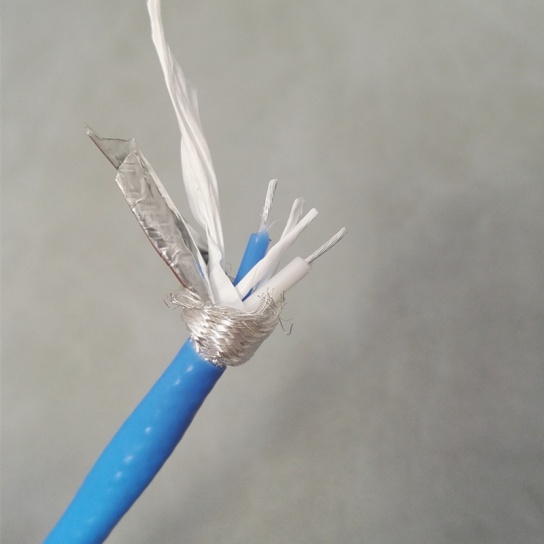
What Are the Core Advantages of Silver Plated Copper Aviation Cable for Aircraft Systems
In the complex and high-stakes environment of aircraft systems, every component plays a critical role in ensuring safety, reliability, and performance. Among these components, aviation cables are the lifelines that transmit electrical signals, power, and data between vital systems—from flight control and navigation to communication and engine management. As aircraft technology advances, the demand for cables that can withstand extreme conditions, deliver superior electrical performance, and maintain longevity has never been higher. Silver plated copper aviation cable has emerged as a preferred solution in this context, offering a unique combination of properties that make it ideally suited for the rigorous requirements of aircraft systems. This article delves into the core advantages of silver plated copper aviation cable, exploring why it has become an indispensable component in modern aviation.
1. Superior Electrical Conductivity: Ensuring Efficient Signal and Power Transmission
One of the most fundamental requirements for aviation cables is exceptional electrical conductivity. Aircraft systems rely on precise and rapid transmission of electrical signals—whether it’s the data from airspeed sensors to the flight control computer or the power supply to critical avionics. Silver, with a conductivity rating of 63 x 10^6 S/m (siemens per meter), is the most conductive element known to man, surpassing even copper (59.6 x 10^6 S/m). By plating copper with a thin layer of silver, silver plated copper aviation cable leverages the best of both materials: the high conductivity of silver and the cost-effectiveness and mechanical strength of copper.
This superior conductivity translates to several key benefits for aircraft systems. First, it minimizes signal loss (attenuation) over long cable runs, which is essential in large commercial aircraft where cables may span tens of meters. Reduced signal loss ensures that critical data—such as navigation coordinates or engine performance metrics—remains accurate and reliable, preventing errors that could compromise flight safety. Second, lower electrical resistance means less heat generation during power transmission. Excessive heat is a major concern in aircraft, as it can damage sensitive components and increase the risk of fire. Silver plated copper cables operate at cooler temperatures, enhancing the overall safety and efficiency of the electrical system.
Additionally, the high conductivity of silver plated copper makes it ideal for high-frequency applications, such as modern avionics that use radio frequency (RF) signals for communication and radar. High-frequency signals are particularly prone to signal degradation, but the low resistance of silver plating ensures that these signals are transmitted with minimal distortion, supporting clear communication and accurate radar readings—both of which are vital for safe flight operations.
2. Exceptional Corrosion Resistance: Withstanding Harsh Aviation Environments
Aircraft operate in some of the harshest environments on the planet, exposing components to a wide range of corrosive elements. From the humidity and salt spray of coastal takeoffs and landings to the extreme cold and dryness of high altitudes, aviation cables must resist corrosion to maintain their performance and structural integrity over time. Copper, while an excellent conductor, is susceptible to oxidation and corrosion when exposed to moisture, salt, and other environmental factors. Corrosion can degrade the cable’s conductivity, weaken the copper core, and eventually lead to cable failure—an outcome that is unacceptable in aviation.
Silver plating provides a robust barrier against corrosion, protecting the underlying copper core from environmental damage. Silver is highly resistant to oxidation, even at high temperatures, and does not react with saltwater or most chemicals commonly encountered in aviation. This corrosion resistance ensures that silver plated copper aviation cables maintain their electrical and mechanical properties throughout the aircraft’s service life, which can span decades for commercial planes. By reducing the risk of corrosion-related failures, these cables lower maintenance costs and improve the overall reliability of the aircraft’s electrical system.
Furthermore, silver plated copper cables are resistant to tarnishing, a form of surface corrosion that can affect other metals. Tarnish on cable surfaces can increase contact resistance, leading to poor signal transmission and potential overheating at connection points. The tarnish-resistant nature of silver ensures that electrical connections remain stable and efficient, even after prolonged exposure to harsh environments. This is particularly important in critical systems such as flight control and engine management, where reliable connections are non-negotiable.
3. Excellent Thermal Stability: Performing Under Extreme Temperature Fluctuations
Aircraft experience extreme temperature fluctuations during flight, ranging from the freezing cold of high altitudes (as low as -55°C) to the intense heat generated by engines and electrical systems (up to 200°C or higher). Cables used in these systems must maintain their performance and structural integrity across this wide temperature range, as temperature-induced failures can have catastrophic consequences.
Silver plated copper aviation cable excels in thermal stability, thanks to the combined properties of silver and copper. Copper has a high melting point (1085°C), and silver has an even higher melting point (961.8°C), making both materials capable of withstanding the high temperatures encountered in aircraft engines and electrical compartments. Additionally, the thermal conductivity of silver is superior to that of copper, allowing silver plated copper cables to dissipate heat more efficiently. This heat dissipation prevents the cable from overheating during periods of high electrical load, such as during takeoff or when multiple avionics systems are in use simultaneously.
At low temperatures, silver plated copper cables maintain their flexibility and conductivity. Unlike some other materials that become brittle or lose conductivity in extreme cold, copper remains ductile, and the silver plating does not crack or peel. This flexibility is crucial for cable routing in aircraft, where cables must navigate tight spaces and complex configurations without breaking or damaging the insulation. The ability to perform reliably in both high and low temperature environments makes silver plated copper aviation cable a versatile solution for a wide range of aircraft systems.
4. Enhanced Mechanical Strength and Durability: Withstanding Vibration and Wear
Aircraft are subjected to constant vibration during flight, particularly from engines and turbulence. Over time, this vibration can cause wear and tear on cables, leading to insulation damage, conductor breakage, or loose connections. Additionally, cables may be subjected to mechanical stress during installation, maintenance, or when the aircraft undergoes structural flexing during flight. Silver plated copper aviation cable is designed to withstand these mechanical challenges, offering enhanced strength and durability compared to other cable types.
Copper is inherently a strong and ductile metal, capable of withstanding repeated bending and vibration without breaking. The silver plating further enhances the mechanical properties of the cable, as silver is a malleable metal that adheres tightly to the copper core. This tight adhesion prevents the plating from flaking or peeling, even under severe vibration. The combination of copper’s strength and silver’s malleability ensures that the cable maintains its structural integrity over time, reducing the risk of mechanical failure.
Furthermore, the silver plating provides a smooth surface that reduces friction during installation and use, minimizing wear on the cable’s insulation. This is particularly important in aircraft, where cables are often routed through tight spaces and may come into contact with other components. Reduced friction and wear extend the life of the cable’s insulation, preventing short circuits and other electrical failures. The enhanced mechanical strength and durability of silver plated copper aviation cable not only improve safety but also reduce maintenance costs by minimizing the need for frequent cable replacements.
5. Compatibility with High-Performance Avionics: Supporting Advanced Aircraft Technology
Modern aircraft are equipped with increasingly advanced avionics systems, including fly-by-wire flight control, advanced navigation systems, in-flight entertainment, and real-time data monitoring. These systems require cables that can handle high data rates, low signal interference, and compatibility with a wide range of connectors and components. Silver plated copper aviation cable is ideally suited for these high-performance applications, offering the electrical and mechanical properties needed to support advanced avionics.
The low resistance and high conductivity of silver plated copper cables ensure that they can handle high data rates without signal degradation, making them ideal for digital communication systems in aircraft. Additionally, silver is a non-magnetic material, which means that silver plated copper cables do not interfere with magnetic sensors or other sensitive avionics components. This non-magnetic property is critical in navigation systems, which rely on precise magnetic readings to determine the aircraft’s position.
Silver plated copper cables are also compatible with a wide range of connectors used in aviation, including crimp, solder, and compression connectors. The silver plating provides a reliable contact surface that ensures good electrical connectivity between the cable and the connector, reducing the risk of contact resistance and signal loss. This compatibility with standard aviation connectors makes installation and maintenance easier, saving time and reducing the risk of installation errors.
6. Cost-Effectiveness: Balancing Performance and Affordability
While silver is a more expensive material than copper, silver plated copper aviation cable offers a cost-effective solution compared to solid silver cables. Solid silver cables would provide superior conductivity but are prohibitively expensive for large-scale use in aircraft, where miles of cable may be required. By plating a thin layer of silver onto a copper core, manufacturers can achieve near-silver conductivity at a fraction of the cost of solid silver.
Furthermore, the long service life and low maintenance requirements of silver plated copper cables contribute to their cost-effectiveness over time. By reducing the risk of failures and minimizing the need for replacements, these cables lower the total cost of ownership for aircraft operators. In an industry where maintenance costs are a significant expense, the durability and reliability of silver plated copper aviation cable offer substantial economic benefits.
Additionally, the energy efficiency of silver plated copper cables can lead to fuel savings for aircraft. The lower resistance of these cables reduces power loss during transmission, meaning that the aircraft’s electrical system requires less energy to operate. Over time, these energy savings can add up, reducing the overall operating costs of the aircraft.
Conclusion: Why Silver Plated Copper Aviation Cable Is Essential for Modern Aircraft
Silver plated copper aviation cable offers a unique combination of superior electrical conductivity, exceptional corrosion resistance, excellent thermal stability, enhanced mechanical strength, compatibility with advanced avionics, and cost-effectiveness. These core advantages make it an indispensable component in modern aircraft systems, where safety, reliability, and performance are paramount.
As aircraft technology continues to evolve—with the rise of electric aircraft, autonomous flight, and more advanced avionics—the demand for high-performance cables will only increase. Silver plated copper aviation cable is well-positioned to meet these evolving demands, providing the performance and durability needed to support the next generation of aircraft. For aircraft manufacturers, operators, and maintenance professionals, choosing silver plated copper aviation cable is a investment in safety, reliability, and long-term performance.