What are the core advantages of flexible aviation cable for airframe in aircraft wiring?
In the complex and high-stakes world of aircraft design and operation, every component plays a critical role in ensuring safety, efficiency, and reliability. Among these components, aircraft wiring systems are the “nervous system” of the airframe, transmitting vital electrical signals between avionics, engines, control systems, and other key modules. Within this intricate network, flexible aviation cables for airframe have emerged as a game-changing solution, addressing the unique challenges of aircraft wiring that rigid cables simply cannot overcome. This article delves into the core advantages of these specialized cables, exploring why they have become an indispensable choice in modern aircraft manufacturing and maintenance.
1. Exceptional Flexibility: Adapting to the Complex Geometry of Airframes
The most defining and fundamental advantage of flexible aviation cables for airframe is their inherent flexibility, which allows them to navigate the tight spaces, sharp bends, and complex contours of modern aircraft structures. Unlike rigid cables that require straight runs or large-radius bends, flexible aviation cables can be routed through narrow cavities, around structural components (such as ribs, spars, and bulkheads), and into confined areas like engine nacelles and landing gear bays.
This adaptability is particularly crucial in contemporary aircraft design, where there is a growing emphasis on lightweighting and aerodynamic efficiency. As airframes become more compact and densely packed with avionics and systems, the ability to route wiring without compromising structural integrity or aerodynamic performance is paramount. Flexible aviation cables eliminate the need for excessive conduit or bulky routing hardware, reducing both the weight and the complexity of the wiring system. For example, in narrow-body commercial airliners or military fighter jets, where space is at a premium, flexible cables can be routed along curved surfaces and through small-diameter openings, ensuring that every inch of available space is used efficiently.
Moreover, this flexibility simplifies the installation process. Aircraft wiring installation is a labor-intensive task, and rigid cables often require precise measurements and custom bending, which can be time-consuming and prone to errors. Flexible aviation cables, on the other hand, can be easily maneuvered and adjusted during installation, reducing labor time and minimizing the risk of damage to the cable or the airframe. This not only lowers manufacturing costs but also accelerates the production timeline, a critical factor in the competitive aerospace industry.
2. Enhanced Durability and Resistance to Harsh Aerospace Environments
Aircraft operate in some of the harshest environments on Earth, exposing wiring systems to extreme temperatures, vibration, moisture, chemical contaminants, and electromagnetic interference (EMI). Flexible aviation cables for airframe are engineered to withstand these harsh conditions, offering superior durability and resistance compared to standard cables.
Thermal resistance is a key feature of these cables. They are constructed using high-performance materials such as PTFE (polytetrafluoroethylene), FEP (fluorinated ethylene propylene), and silicone insulation, which can withstand a wide range of temperatures—from the extreme cold of high-altitude flight (as low as -65°C) to the intense heat generated by engines and auxiliary power units (up to 260°C or higher). This thermal stability ensures that the cables maintain their electrical properties and structural integrity even in the most extreme temperature fluctuations, preventing insulation degradation, short circuits, and other potentially catastrophic failures.
Vibration resistance is another critical advantage. Aircraft engines and flight controls generate constant vibration during operation, which can fatigue rigid cables over time, leading to wire breakage or connector loosening. Flexible aviation cables are designed with stranded conductors (as opposed to solid conductors in rigid cables), which absorb vibration and reduce stress on the wire. The stranded construction allows the cable to flex and move slightly with the vibration, minimizing wear and tear and extending the service life of the wiring system. This is especially important in high-vibration areas such as engine compartments, where cable failure could result in engine shutdown or loss of critical systems.
In addition, flexible aviation cables are resistant to moisture, chemicals, and UV radiation. The specialized insulation materials repel water and prevent moisture ingress, which can cause corrosion of conductors and insulation breakdown. They are also resistant to aviation fluids such as jet fuel, hydraulic oil, and cleaning solvents, ensuring that exposure to these chemicals does not compromise the cable’s performance. UV resistance is particularly important for external wiring or wiring in areas exposed to sunlight, as it prevents the insulation from becoming brittle and cracking over time.
3. Superior Electrical Performance: Ensuring Reliable Signal Transmission
In aircraft wiring, reliable electrical signal transmission is non-negotiable. Avionics systems, flight controls, communication systems, and other critical modules depend on consistent and accurate signal delivery to ensure safe flight operations. Flexible aviation cables for airframe are designed to deliver superior electrical performance, minimizing signal loss, interference, and noise.
One of the key factors contributing to this performance is the high-quality conductors used in flexible aviation cables. These conductors are typically made from high-purity copper or copper alloys, which offer excellent electrical conductivity. The stranded construction of the conductors not only enhances flexibility but also ensures that the cable maintains a consistent cross-sectional area for current flow, reducing resistance and signal loss. This is particularly important for high-frequency signals used in modern avionics systems, where signal integrity is critical for the proper operation of radar, navigation, and communication equipment.
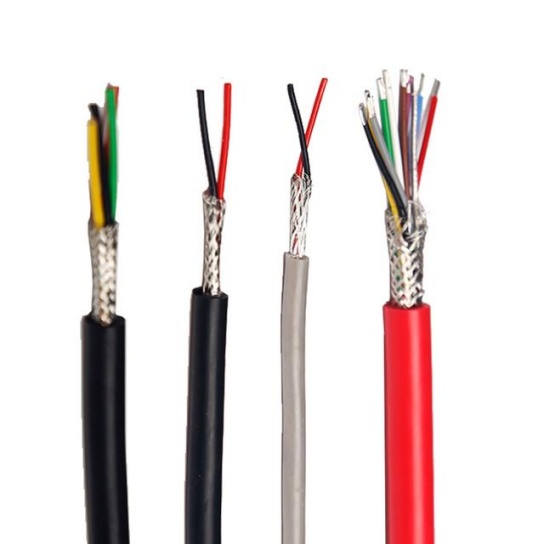
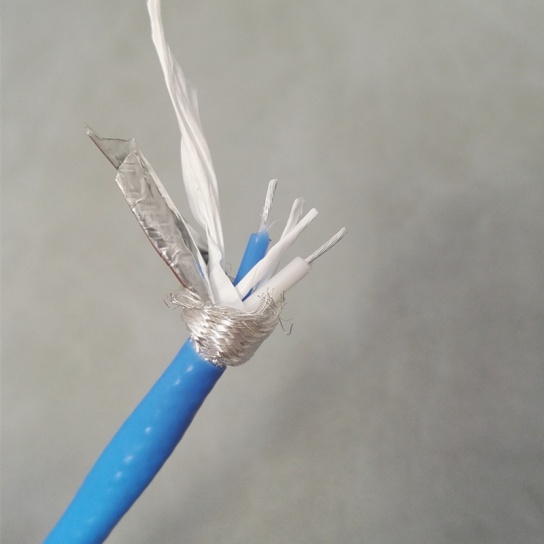
Another important aspect of electrical performance is EMI shielding. Aircraft are filled with electrical and electronic systems that generate electromagnetic fields, which can interfere with the signals transmitted through wiring. Flexible aviation cables are often equipped with advanced shielding materials, such as braided copper shielding or foil shielding, which block EMI and prevent it from affecting the signals. This shielding also prevents the cables themselves from emitting electromagnetic radiation that could interfere with other systems, ensuring that the entire electrical system operates in harmony.
Furthermore, flexible aviation cables have low capacitance and inductance, which are critical for high-speed signal transmission. In modern aircraft, which rely on digital avionics and high-speed data buses, low capacitance and inductance minimize signal distortion and ensure that data is transmitted accurately and quickly. This is essential for the operation of systems such as fly-by-wire flight controls, which require real-time data transmission to ensure precise control of the aircraft.
4. Lightweight Design: Contributing to Fuel Efficiency and Payload Capacity
Weight is a critical factor in aircraft design, as every additional pound increases fuel consumption and reduces payload capacity. Flexible aviation cables for airframe are inherently lightweight, making them an ideal choice for aircraft wiring systems.
The lightweight nature of these cables stems from their construction. Unlike rigid cables, which require thick insulation and heavy conduit to maintain their shape, flexible aviation cables use thin, high-performance insulation materials that provide excellent protection without adding unnecessary weight. The stranded conductors are also lighter than solid conductors of the same gauge, as they have a more efficient use of material.
The weight savings offered by flexible aviation cables may seem small on an individual basis, but when multiplied by the hundreds or thousands of feet of cable used in an aircraft, the total weight reduction can be significant. For example, a commercial airliner may use over 100 miles of wiring, and switching to flexible aviation cables can reduce the weight of the wiring system by tens or even hundreds of pounds. This weight reduction directly translates to improved fuel efficiency, as the aircraft requires less energy to overcome gravity and drag. Over the lifetime of an aircraft, this can result in substantial fuel savings, reducing operating costs for airlines.
In addition to improving fuel efficiency, lightweight wiring systems also increase payload capacity. By reducing the weight of non-payload components (such as wiring), aircraft can carry more passengers, cargo, or fuel, enhancing their operational flexibility and profitability. This is particularly important for regional airlines and cargo carriers, where payload capacity is a key competitive factor.
5. Ease of Maintenance and Repair: Reducing Downtime and Costs
Aircraft maintenance is a critical aspect of ensuring flight safety, but it is also expensive and time-consuming. Flexible aviation cables for airframe simplify maintenance and repair processes, reducing downtime and lowering maintenance costs.
The flexibility of these cables makes them easy to access and remove during maintenance. In contrast to rigid cables, which may require extensive disassembly of airframe components to reach, flexible cables can be pulled out of tight spaces without damaging surrounding structures. This reduces the time required to inspect, test, and replace cables, minimizing aircraft downtime.
Moreover, flexible aviation cables are less prone to damage during maintenance. Rigid cables can easily bend or break if mishandled during inspection or repair, but flexible cables can withstand moderate bending and manipulation without suffering damage. This reduces the risk of accidental damage during maintenance, which can lead to additional repair costs and extended downtime.
Another advantage of flexible aviation cables in maintenance is their compatibility with modular wiring systems. Modern aircraft increasingly use modular wiring, where wiring is divided into sections or modules that can be easily replaced as a unit. Flexible cables are ideal for modular systems, as they can be pre-assembled into modules and quickly installed or replaced during maintenance. This further streamlines the maintenance process, reducing the time and labor required to keep the aircraft in service.
6. Compatibility with Advanced Aircraft Systems
As aircraft technology continues to advance, wiring systems must keep pace with the increasing complexity and sophistication of avionics and control systems. Flexible aviation cables for airframe are designed to be compatible with the latest aircraft technologies, making them a future-proof choice for aircraft manufacturers.
One of the key areas of compatibility is with fly-by-wire (FBW) flight control systems. FBW systems replace traditional mechanical controls with electrical signals, requiring highly reliable and flexible wiring to transmit signals between the pilot’s controls and the aircraft’s control surfaces. Flexible aviation cables are ideal for FBW systems, as their flexibility allows them to be routed through the complex control systems, and their superior electrical performance ensures that signals are transmitted accurately and in real time.
Flexible aviation cables are also compatible with advanced avionics systems, such as integrated modular avionics (IMA) and high-speed data buses (such as ARINC 664). These systems require high-bandwidth, low-latency signal transmission, which flexible cables can provide. The EMI shielding of flexible cables also ensures that these sensitive avionics systems are not affected by electromagnetic interference from other parts of the aircraft.
In addition, flexible aviation cables are compatible with electric and hybrid-electric aircraft, which are becoming increasingly popular as the aerospace industry moves toward sustainability. These aircraft require high-power, lightweight wiring systems to transmit electrical energy between batteries, motors, and other components. Flexible aviation cables can handle high current loads while remaining lightweight and flexible, making them an ideal choice for electric aircraft wiring.
Conclusion
Flexible aviation cables for airframe offer a multitude of core advantages that make them indispensable in modern aircraft wiring systems. From their exceptional flexibility that adapts to complex airframe geometries to their superior durability in harsh aerospace environments, these cables address the unique challenges of aircraft design and operation. Their superior electrical performance ensures reliable signal transmission, while their lightweight design contributes to fuel efficiency and payload capacity. Additionally, their ease of maintenance reduces downtime and costs, and their compatibility with advanced aircraft systems makes them a future-proof solution.
As the aerospace industry continues to evolve, with a growing focus on safety, efficiency, and sustainability, the demand for flexible aviation cables for airframe is only set to increase. Whether in commercial airliners, military aircraft, or emerging electric aircraft, these cables play a critical role in ensuring that aircraft operate safely, reliably, and efficiently. For aircraft manufacturers, airlines, and maintenance providers, investing in high-quality flexible aviation cables is not just a choice—it is a necessity for staying at the forefront of aerospace technology and ensuring the highest standards of flight safety.