The Role of Aircraft Cable Assemblies in Landing Gear Sensors
The landing gear system is one of the most critical components of an aircraft, serving as the primary interface between the aircraft and the ground during takeoff, landing, and taxiing. Within this complex system, landing gear sensors play a pivotal role in providing real-time data to the aircraft’s avionics and flight control systems, ensuring safe and efficient operations. However, the performance of these sensors is heavily reliant on a often-overlooked yet indispensable element: aircraft cable assemblies. This article delves into the vital role of aircraft cable assemblies in landing gear sensors, exploring how they enable reliable data transmission, withstand extreme operational conditions, and contribute to the overall safety and functionality of aircraft.
1. The Critical Function of Landing Gear Sensors
Before examining the role of aircraft cable assemblies, it is essential to understand the importance of landing gear sensors themselves. Landing gear sensors are designed to monitor a wide range of parameters, including the position of the landing gear (extended, retracted, or in transit), tire pressure, brake temperature, shock absorber compression, and weight-on-wheels (WOW) status. Each of these data points is crucial for pilots and the aircraft’s automated systems to make informed decisions.
For instance, the WOW sensor is particularly critical during takeoff and landing. It signals whether the aircraft is on the ground or in the air, triggering essential systems such as thrust reversers (which deploy only when the aircraft is on the ground) and preventing the retraction of landing gear while the aircraft is still on the runway. Similarly, tire pressure sensors alert maintenance crews to potential issues that could lead to blowouts during landing, a scenario that could have catastrophic consequences. Without accurate and timely data from these sensors, the safety of the aircraft, crew, and passengers is severely compromised.
2. Aircraft Cable Assemblies: The Lifeline of Sensor Data Transmission
Landing gear sensors generate vast amounts of data that need to be transmitted quickly and accurately to the aircraft’s central processing units. This is where aircraft cable assemblies come into play. Acting as the “nervous system” between the sensors and the avionics, these cable assemblies facilitate the seamless transfer of both digital and analog signals, ensuring that critical information reaches the right systems without delay or distortion.
2.1 Ensuring Signal Integrity in Harsh Environments
The landing gear compartment is one of the harshest environments on an aircraft. It is exposed to extreme temperature fluctuations (ranging from -55°C at high altitudes to over 120°C during braking), high levels of vibration during takeoff and landing, moisture, dust, and even chemical contaminants such as de-icing fluids. Aircraft cable assemblies must be engineered to withstand these conditions while maintaining signal integrity.
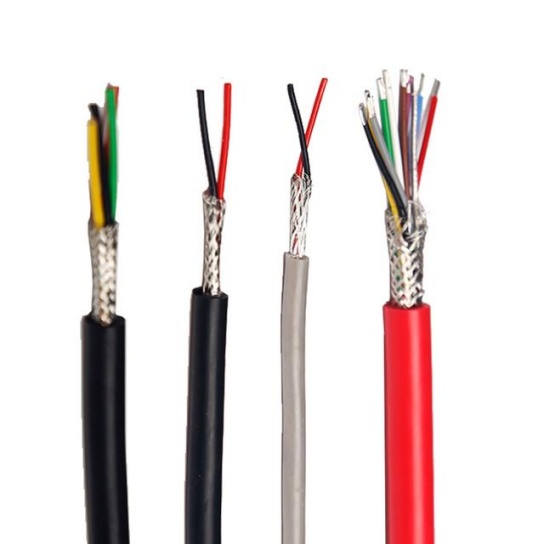
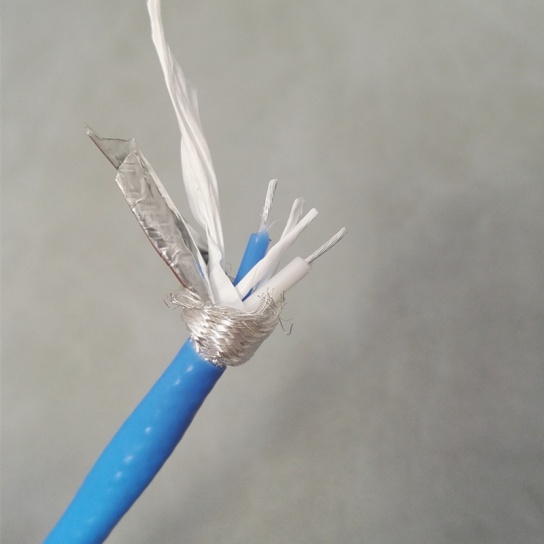
To achieve this, FRS’s aircraft cable assemblies are constructed using high-performance materials. The conductors are typically made of oxygen-free copper, which offers excellent electrical conductivity and resistance to corrosion. The insulation and jacketing materials, such as fluoropolymers (e.g., PTFE, FEP), are chosen for their ability to resist extreme temperatures, chemicals, and abrasion. Additionally, shielding layers (including braided copper or aluminum foil) are integrated into the cable design to minimize electromagnetic interference (EMI) and radio frequency interference (RFI), which can disrupt sensor signals and lead to incorrect data readings.
2.2 Mechanical Durability and Vibration Resistance
During landing, the landing gear absorbs immense impact forces, resulting in significant vibration. This vibration can cause wear and tear on cable assemblies over time, leading to conductor breakage, insulation damage, or loose connections. To address this, aircraft cable assemblies are designed with mechanical durability in mind.
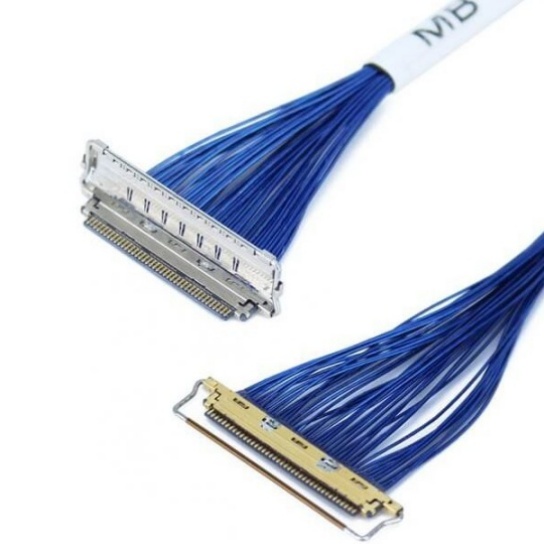
FRS employs advanced stranding techniques for the conductors, using multiple small-gauge strands instead of a single large conductor. This design increases the cable’s flexibility and resistance to fatigue from repeated bending and vibration. The cable jackets are also reinforced with aramid fibers or other high-strength materials to provide additional protection against physical damage. Furthermore, the connectors used in the cable assemblies are precision-engineered to ensure secure mating, with features such as locking mechanisms and sealed housings to prevent disconnection or contamination in harsh conditions.
2.3 Customization for Specific Sensor Requirements
Landing gear sensors come in various types and configurations, each with unique signal transmission requirements. For example, a position sensor may transmit a digital signal, while a temperature sensor may output an analog signal. Additionally, different aircraft models have varying space constraints and routing requirements in the landing gear compartment. Aircraft cable assemblies must be customized to meet these specific needs.
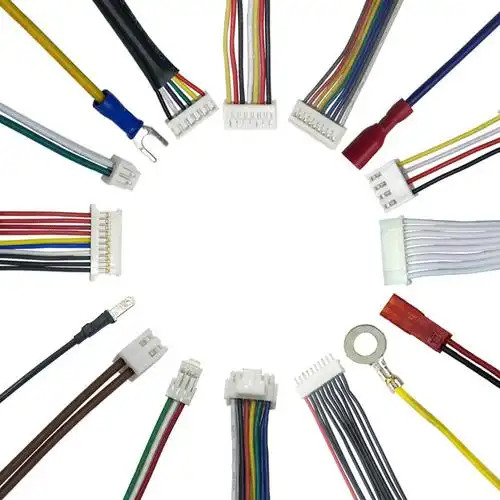
FRS works closely with aircraft manufacturers and sensor suppliers to design custom cable assemblies tailored to the exact specifications of each application. This includes determining the appropriate conductor gauge, insulation material, shielding type, connector style, and cable length. Customization also extends to the routing of the cables, ensuring that they fit within the available space and do not interfere with other landing gear components. By providing customized solutions, FRS ensures that the cable assemblies seamlessly integrate with the sensors and the aircraft’s systems, optimizing performance and reliability.
3. The Impact of Reliable Cable Assemblies on Aircraft Safety and Maintenance
The reliability of aircraft cable assemblies directly impacts the safety and operational efficiency of the aircraft. A single failure in a cable assembly can lead to the loss of critical sensor data, which may result in flight delays, unscheduled maintenance, or even accidents. For example, if a cable connecting a WOW sensor fails, the aircraft’s systems may incorrectly believe the aircraft is in the air, preventing the deployment of thrust reversers and increasing the risk of a runway overrun.
In addition to safety, reliable cable assemblies also reduce maintenance costs and downtime. By minimizing the risk of cable failure, aircraft operators can avoid costly repairs and keep their fleets in service longer. FRS’s aircraft cable assemblies undergo rigorous testing to ensure their reliability, including environmental testing (temperature, humidity, vibration), electrical testing (insulation resistance, continuity, signal integrity), and mechanical testing (flex life, tensile strength). These tests ensure that the cable assemblies meet or exceed industry standards, such as those set by the Society of Automotive Engineers (SAE) and the Federal Aviation Administration (FAA).
4. FRS: Your Trusted Partner for High-Quality Aircraft Cable Assemblies
When it comes to aircraft cable assemblies for landing gear sensors, FRS stands out as a leading manufacturer with a proven track record of delivering high-quality, reliable solutions. With decades of experience in the aerospace industry, FRS understands the unique challenges of the landing gear environment and the critical role that cable assemblies play in sensor performance.
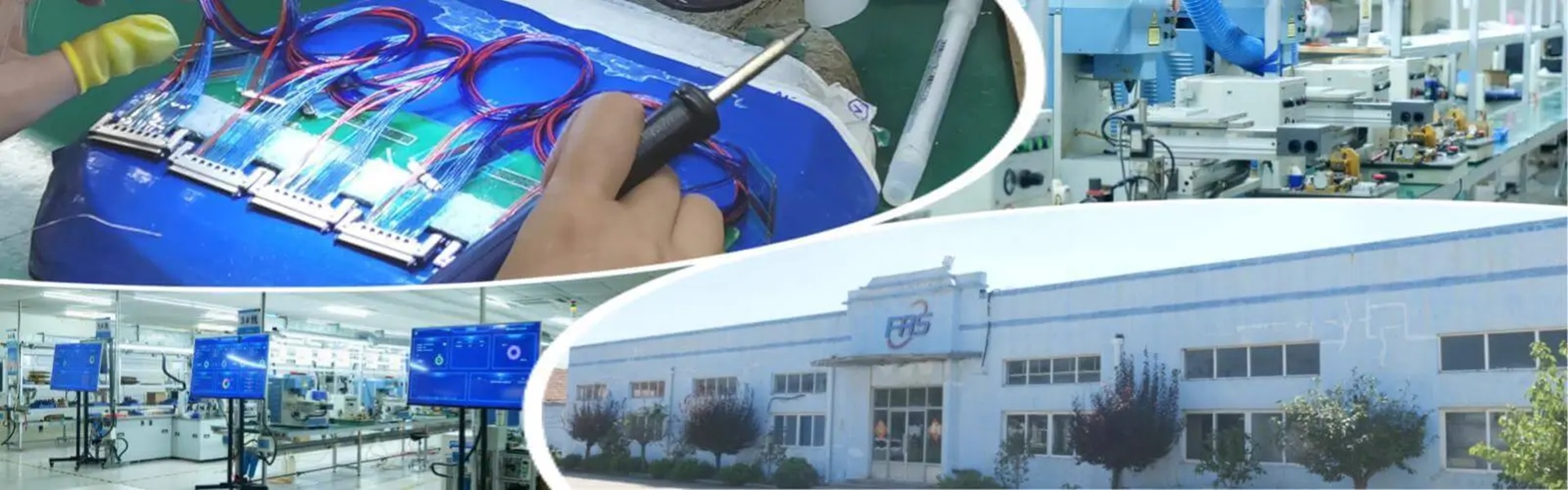
FRS’s commitment to quality is evident in every aspect of its manufacturing process. From the selection of premium materials to the implementation of strict quality control measures, FRS ensures that each cable assembly meets the highest standards of performance and durability. The company’s state-of-the-art production facilities are equipped with advanced machinery and testing equipment, allowing for precise manufacturing and thorough validation of each product.
Moreover, FRS’s team of highly skilled engineers and technicians works closely with customers to provide customized solutions that meet their specific needs. Whether it’s a standard cable assembly or a complex custom design, FRS has the expertise and capabilities to deliver products that exceed expectations. The company also offers exceptional customer support, providing technical assistance and timely delivery to ensure that customers’ projects stay on track.
In conclusion, aircraft cable assemblies are an essential component of landing gear sensors, enabling reliable data transmission, withstanding harsh operational conditions, and contributing to the overall safety and efficiency of aircraft. FRS’s dedication to quality, customization, and customer satisfaction makes it the ideal partner for aircraft manufacturers and operators seeking high-performance cable assemblies for their landing gear sensor systems. Choose FRS, and experience the difference that premium aircraft cable assemblies can make in your aircraft’s performance and safety.