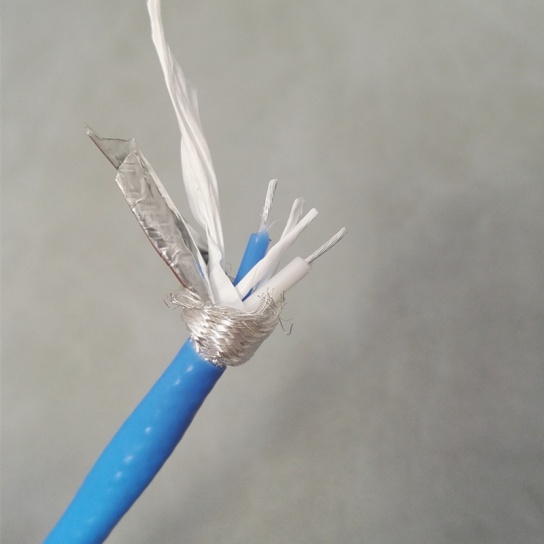
The Future of Nanotechnology in Aircraft Cable Assemblies
In the aerospace industry, where safety, efficiency, and reliability are non-negotiable, aircraft cable assemblies serve as the vital nervous system connecting critical systems—from flight controls and avionics to communication and power distribution. As aircraft designs evolve toward greater fuel efficiency, higher performance, and more advanced electrification, the demands on these cable assemblies have never been more stringent. This is where nanotechnology emerges as a transformative force, redefining the capabilities of Aircraft Cable Assemblies and shaping their future in ways that were once unimaginable. Nanotechnology in Aircraft Cable Assemblies is no longer a distant concept but a present innovation driving the next generation of aerospace engineering.
Nanostructured Materials: Elevating Cable Core Performance
The core of any aircraft cable assembly lies in its materials, and nanotechnology is revolutionizing material science to enhance mechanical, electrical, and environmental resilience. Traditional cables, often made of copper or aluminum conductors wrapped in polymer insulators, face limitations in weight, durability, and resistance to extreme conditions. Nanotechnology addresses these gaps by introducing nanostructured materials that amplify desirable properties while minimizing trade-offs.
One of the most impactful applications is the use of carbon nanotubes (CNTs) in conductor materials. CNTs, with their exceptional strength-to-weight ratio—up to 100 times stronger than steel but only a fraction of the weight—are being integrated into copper or aluminum conductors to create hybrid cables. These Nanotechnology-enhanced Aircraft Cable Assemblies offer significantly higher tensile strength, reducing the risk of breakage under the vibrations and mechanical stress common in flight. Moreover, CNTs exhibit superior electrical conductivity compared to traditional metals, enabling more efficient power transmission with less energy loss. This translates to lighter, more efficient cable systems that contribute to the overall fuel efficiency of modern aircraft.
Nanocomposite insulators are another game-changer. By incorporating nanoparticles such as silica, alumina, or clay into polymer matrices (e.g., polyethylene or fluoropolymers), manufacturers can create insulators with enhanced thermal stability, chemical resistance, and dielectric strength. These Nanotechnology in Aircraft Cable Assemblies insulators can withstand extreme temperatures ranging from -65°C to 200°C, as well as exposure to hydraulic fluids, fuels, and harsh atmospheric conditions at high altitudes. This durability reduces maintenance costs and extends the lifespan of cable assemblies, a critical factor for airlines seeking to minimize downtime.
Nanotechnology-Driven Safety and Reliability Breakthroughs
Safety is paramount in aerospace, and Nanotechnology in Aircraft Cable Assemblies is playing a pivotal role in enhancing both active and passive safety features. One of the key challenges in aircraft cables is the risk of overheating due to electrical faults or high current loads. Nanocoatings, such as those made of graphene or nanoscale metal oxides, are being applied to conductors to improve heat dissipation. Graphene, with its exceptional thermal conductivity, acts as a heat spreader, distributing heat evenly across the cable surface and preventing hotspots that could lead to insulation degradation or fire.
Fire resistance is another critical area where nanotechnology excels. Traditional flame-retardant materials often add weight and reduce flexibility, but nanocomposite flame retardants offer a lightweight alternative. By incorporating nanoscale magnesium hydroxide or aluminum hydroxide particles into cable insulators, manufacturers can create Aircraft Cable Assemblies that self-extinguish when exposed to fire, limiting the spread of flames and toxic smoke. This not only enhances passenger safety but also complies with strict aerospace fire safety standards such as FAR 25.853.
Predictive maintenance is yet another area transformed by nanotechnology. Smart Nanotechnology in Aircraft Cable Assemblies are being developed with embedded nanosensors that monitor parameters such as temperature, vibration, and electrical resistance in real time. These nanosensors, often made of quantum dots or nanowires, are tiny enough to be integrated into the cable structure without affecting performance. The data they collect is transmitted to the aircraft’s central monitoring system, allowing maintenance teams to detect potential faults before they escalate into critical failures. This proactive approach reduces unplanned maintenance and improves the overall reliability of the aircraft.
The Future Landscape: What’s Next for Nanotechnology in Aircraft Cable Assemblies
As nanotechnology continues to advance, the future of Aircraft Cable Assemblies holds even more exciting possibilities. One emerging trend is the development of self-healing nanocomposite cables. These cables are embedded with microcapsules containing nanoscale healing agents that are released when the cable is damaged (e.g., a crack in the insulator). The healing agents react with the surrounding material to repair the damage, restoring the cable’s integrity and preventing further degradation. This technology could significantly extend the lifespan of cable assemblies and reduce the need for replacement.
Another promising area is the integration of nanotechnology with 3D printing. Additive manufacturing techniques are being used to print complex cable assemblies with nanostructured materials, allowing for greater design flexibility and customization. This enables manufacturers to create cables tailored to specific aircraft applications, optimizing weight, space, and performance. For example, 3D-printed Nanotechnology in Aircraft Cable Assemblies can be designed with intricate conductor patterns that minimize signal interference, a critical requirement for advanced avionics systems.
Furthermore, the push toward more electric aircraft (MEA) and hybrid-electric propulsion systems is driving the demand for higher-performance cable assemblies. Nanotechnology will be instrumental in meeting this demand by enabling cables that can handle higher voltages and currents while remaining lightweight and compact. For instance, superconducting nanowires are being researched for use in MEA cables, offering zero electrical resistance and maximum power transmission efficiency.
FRS: Leading the Way in Nanotechnology-Enhanced Aircraft Cable Assemblies
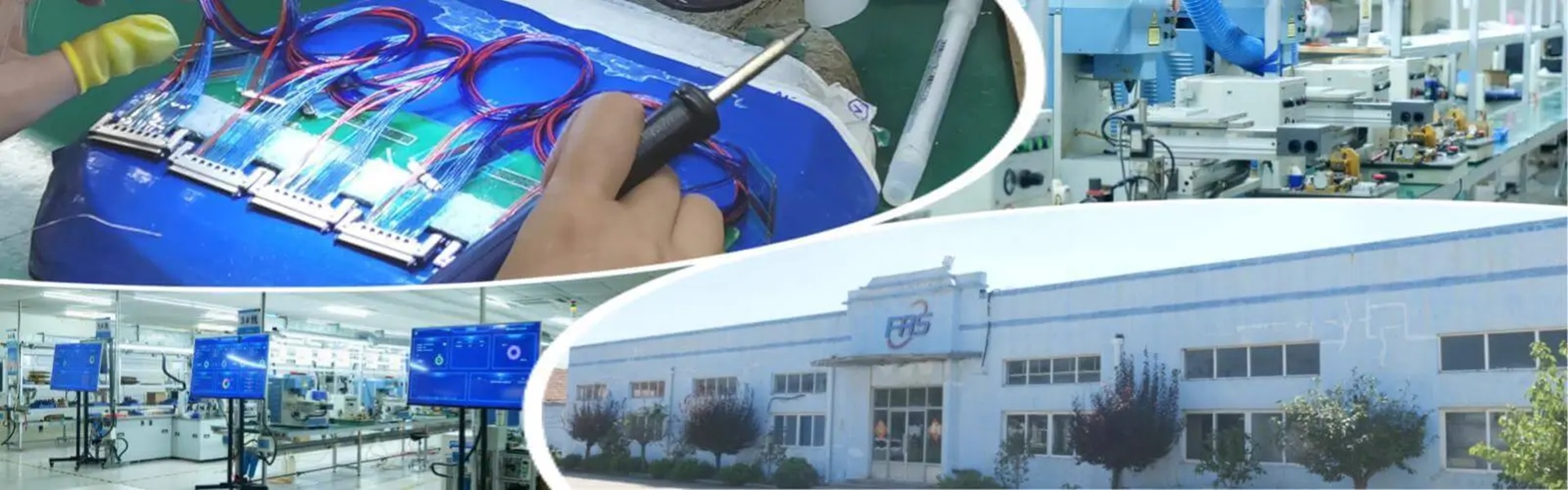
At FRS, we recognize the transformative potential of Nanotechnology in Aircraft Cable Assemblies, and we are committed to leading the industry in developing and manufacturing cutting-edge solutions that meet the evolving needs of the aerospace sector. Our state-of-the-art manufacturing facilities are equipped with advanced nanomaterial processing technologies, allowing us to integrate carbon nanotubes, graphene, and nanocomposites into every cable assembly with precision and consistency.
We take pride in our rigorous quality control processes, which ensure that every FRS Aircraft Cable Assembly meets or exceeds the strictest aerospace standards for performance, safety, and reliability. Our team of experienced engineers and material scientists works tirelessly to innovate, exploring new nanotechnology applications such as self-healing cables and smart nanosensor-integrated systems to stay ahead of the curve.
Whether you require lightweight, high-conductivity cables for next-generation MEAs or fire-resistant, durable assemblies for commercial airliners, FRS has the expertise and technology to deliver tailored solutions. We understand that in the aerospace industry, every component matters—and our Nanotechnology in Aircraft Cable Assemblies are designed to provide the performance, safety, and efficiency that our customers trust. Choose FRS for your aircraft cable assembly needs, and experience the future of aerospace technology today.