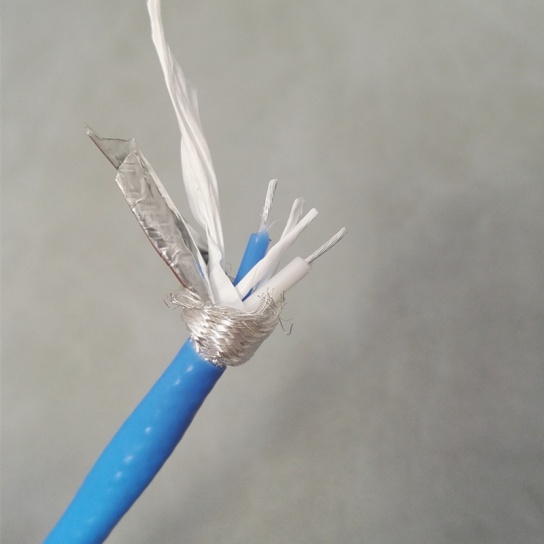
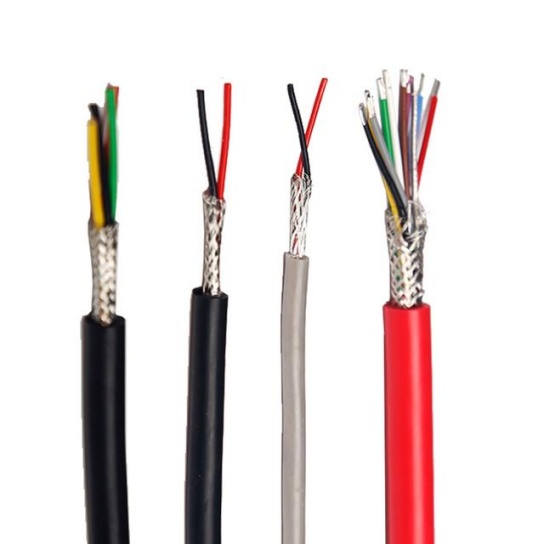
The Benefits of Using Fiber Optics in Aircraft Cable Assemblies
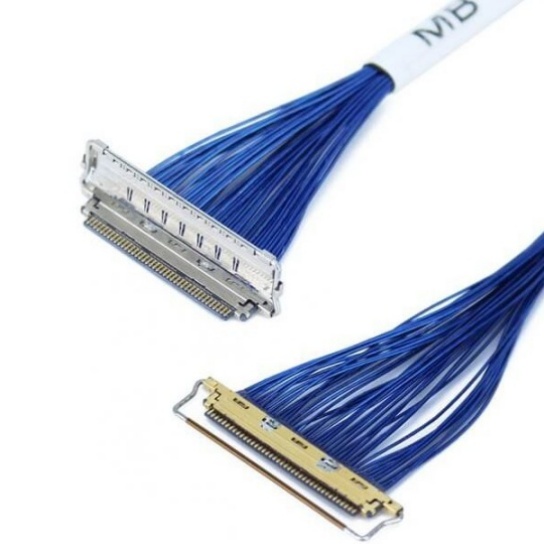
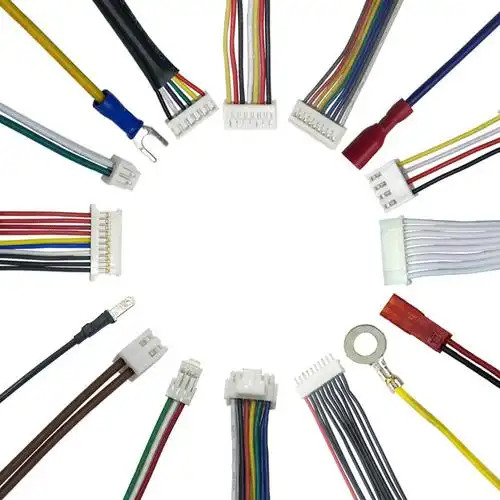
In the dynamic and safety-critical world of aviation, every component plays a pivotal role in ensuring seamless operations, passenger safety, and technological advancement. Among these components, Aircraft Cable Assemblies stand out as the lifeline of aircraft systems, facilitating the transmission of data, power, and signals across various onboard applications—from flight control and navigation to in-flight entertainment and communication. As aviation technology evolves, the demand for faster, more reliable, and efficient Aircraft Cable Assemblies has never been higher. This is where fiber optic technology emerges as a game-changer, revolutionizing the performance and capabilities of Aircraft Cable Assemblies. In this article, we explore the key benefits of integrating fiber optics into Aircraft Cable Assemblies and why it has become the preferred choice for modern aviation.
1. Unmatched Bandwidth and Data Transmission Speed
Modern aircraft are equipped with an array of advanced electronic systems that generate and transmit massive volumes of data. From real-time flight data to high-definition in-flight entertainment, weather monitoring, and communication with ground control, the need for high-bandwidth Aircraft Cable Assemblies is non-negotiable. Fiber optic Aircraft Cable Assemblies excel in this regard, offering significantly higher bandwidth compared to traditional copper-based cables.
Copper cables are limited by their ability to carry electrical signals, which suffer from attenuation (signal loss) and interference at high frequencies. In contrast, fiber optics transmit data using light signals, which can travel at much higher frequencies without significant degradation. This allows fiber optic Aircraft Cable Assemblies to handle terabits of data per second, making them ideal for next-generation aviation technologies such as autonomous flight systems, 5G-enabled in-flight connectivity, and advanced avionics that require instant data processing.
For example, commercial airliners now rely on Aircraft Cable Assemblies to transmit data between multiple flight management systems, radar systems, and onboard sensors. With fiber optics, these systems can communicate seamlessly, reducing latency and ensuring that critical information reaches pilots and ground control in real time. This not only enhances operational efficiency but also improves safety by enabling faster decision-making in high-pressure scenarios.
2. Superior Weight and Space Efficiency
Weight and space are two critical factors in aircraft design, as every pound and inch affects fuel efficiency, payload capacity, and overall performance. Traditional copper cables are dense and bulky, requiring significant space for routing and adding unnecessary weight to the aircraft. Fiber optic Aircraft Cable Assemblies, however, are much lighter and thinner, offering exceptional weight and space savings.
A single fiber optic cable can carry the same amount of data as multiple copper cables, reducing the number of cables needed in the aircraft. This not only simplifies the wiring harness design but also frees up valuable space in the fuselage and wings, which can be used for other critical components or to increase passenger comfort. Additionally, the reduced weight of fiber optic Aircraft Cable Assemblies directly translates to lower fuel consumption. Studies have shown that even a small reduction in aircraft weight can lead to significant fuel savings over the lifetime of the aircraft, making fiber optics a cost-effective choice for airlines.
Military aircraft, in particular, benefit from the weight and space efficiency of fiber optic Aircraft Cable Assemblies. Fighter jets and surveillance aircraft require compact and lightweight systems to maximize maneuverability and range. Fiber optics allow these aircraft to integrate advanced communication and sensor systems without compromising on performance, giving them a tactical edge in mission-critical operations.
3. Immunity to Electromagnetic and Radio Frequency Interference
Aircraft are surrounded by a complex electromagnetic environment, with signals from radar, communication systems, and onboard electronics creating potential electromagnetic interference (EMI) and radio frequency interference (RFI). Traditional copper Aircraft Cable Assemblies are highly susceptible to these interferences, as they conduct electrical signals that can pick up unwanted noise. This interference can corrupt data transmission, leading to system malfunctions or even safety hazards.
Fiber optic Aircraft Cable Assemblies are immune to EMI and RFI because they transmit light signals instead of electrical signals. Light does not interact with electromagnetic fields, ensuring that data transmission remains stable and error-free even in the most challenging electromagnetic environments. This is especially crucial for critical systems such as flight control, navigation, and engine monitoring, where data integrity is paramount.
In addition to external interference, onboard electrical systems can also generate EMI that affects adjacent cables. Fiber optic Aircraft Cable Assemblies eliminate this cross-talk, allowing multiple systems to operate simultaneously without interfering with each other. This improves the overall reliability of the aircraft’s electrical system and reduces the risk of downtime due to interference-related issues.
4. Exceptional Temperature and Environmental Durability
Aircraft operate in extreme environmental conditions, from the freezing temperatures of high altitudes to the high heat generated by engines and electronic systems. They also face exposure to moisture, chemicals, vibration, and mechanical stress. Aircraft Cable Assemblies must be able to withstand these harsh conditions to ensure long-term reliability and safety.
Fiber optic cables are inherently resistant to extreme temperatures, withstanding ranges from -60°C to 85°C (and even higher for specialized variants). Unlike copper, which can become brittle in cold temperatures or degrade in high heat, fiber optics maintain their performance and structural integrity in these environments. This makes fiber optic Aircraft Cable Assemblies ideal for use in engine compartments, avionics bays, and other high-temperature areas of the aircraft.
Furthermore, fiber optics are non-conductive and non-corrosive, making them resistant to moisture, chemicals, and oxidation. This eliminates the risk of rust or corrosion, which can compromise the performance of copper cables over time. Fiber optic Aircraft Cable Assemblies also have excellent vibration resistance, as the glass or plastic fibers are flexible and can withstand mechanical stress without breaking. This durability reduces maintenance costs and extends the lifespan of the Aircraft Cable Assemblies, ensuring that they perform reliably for the entire service life of the aircraft.
5. Enhanced Safety and Reliability
Safety is the top priority in aviation, and every component must meet stringent safety standards. Fiber optic Aircraft Cable Assemblies offer several safety advantages over traditional copper cables. First, as non-conductive materials, they do not carry electrical current, reducing the risk of electrical shocks or short circuits. This is particularly important in areas where cables may come into contact with fuel lines or other flammable components, as it eliminates the risk of sparks that could ignite fires.
Second, fiber optic cables are fire-resistant. Unlike copper cables, which can melt and release toxic fumes when exposed to fire, fiber optics are made of materials that do not burn easily and produce minimal smoke. This improves passenger and crew safety in the event of a fire, as it reduces the spread of toxic gases and allows for clearer evacuation routes.
In terms of reliability, fiber optic Aircraft Cable Assemblies have a much lower failure rate compared to copper cables. The absence of EMI/RFI interference, resistance to environmental factors, and durable construction mean that fiber optics require less maintenance and are less likely to experience unexpected failures. This reduces aircraft downtime, lowers maintenance costs, and gives airlines and operators greater peace of mind.
Why Choose FRS for Fiber Optic Aircraft Cable Assemblies?
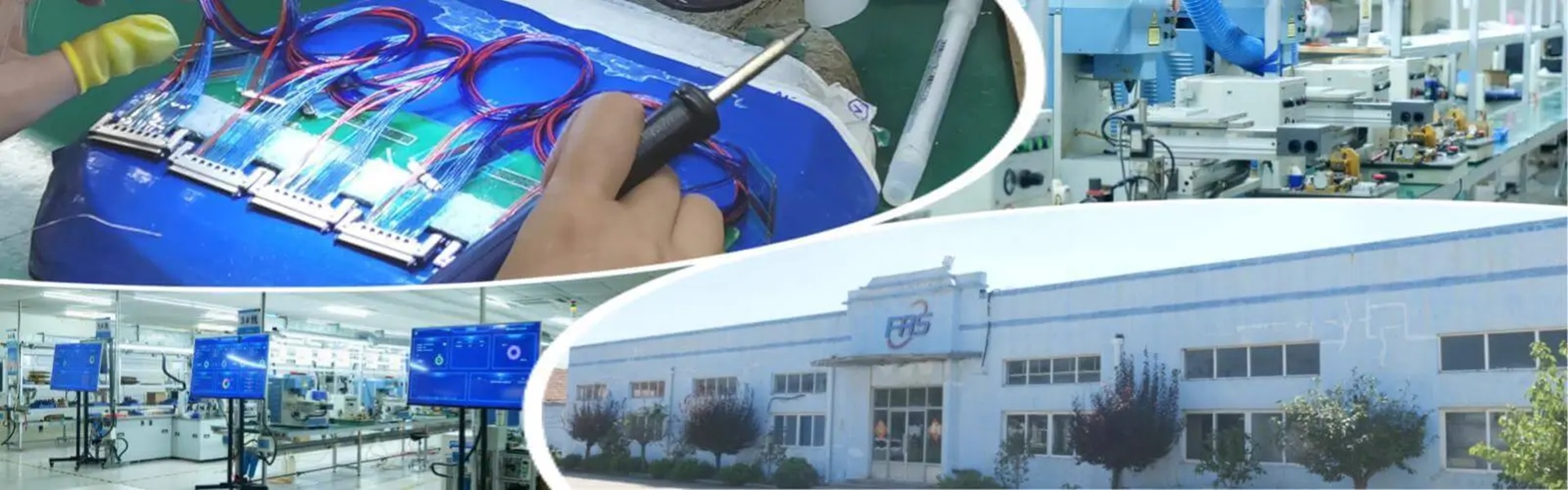
When it comes to integrating fiber optics into Aircraft Cable Assemblies, choosing a trusted and experienced manufacturer is essential. FRS is a leading brand in the aviation cable assembly industry, specializing in the design, development, and production of high-quality fiber optic Aircraft Cable Assemblies that meet the strictest aviation standards.
At FRS, we understand the unique challenges of the aviation industry and are committed to delivering solutions that prioritize performance, safety, and reliability. Our fiber optic Aircraft Cable Assemblies are engineered using the latest technology and highest-quality materials, ensuring that they meet or exceed industry standards such as AS9100, MIL-DTL-32526, and EN 4644. We offer a wide range of custom solutions tailored to the specific needs of our clients, whether for commercial airliners, military aircraft, or unmanned aerial vehicles (UAVs).
Our team of experienced engineers works closely with clients to design Aircraft Cable Assemblies that optimize bandwidth, weight, and space efficiency while ensuring immunity to EMI/RFI and resistance to extreme environments. We also implement rigorous quality control processes at every stage of production, from raw material inspection to final testing, to ensure that every product leaving our factory is of the highest quality.
With FRS, you can trust that your fiber optic Aircraft Cable Assemblies will deliver superior performance, enhance safety, and reduce operational costs. Whether you need standard or custom solutions, FRS is your reliable partner for all your Aircraft Cable Assembly needs. Choose FRS and experience the difference that high-quality fiber optic technology can make in your aviation operations.