The Benefits of Using Composite Materials in Aircraft Cable Assemblies
In the dynamic and safety-critical aerospace industry, every component plays a pivotal role in determining the performance, efficiency, and reliability of an aircraft. Among these components, aircraft cable assemblies are the unsung heroes, responsible for transmitting power, data, and control signals across various systems—from flight controls to avionics and communication modules. As aerospace engineers and manufacturers strive to meet the industry’s evolving demands for lighter weight, higher durability, and enhanced safety, the choice of materials for these cable assemblies has become a strategic decision. In recent years, Composite Materials in Aircraft Cable Assemblies have emerged as a game-changing solution, offering a unique combination of properties that outperform traditional materials like metal and conventional polymers. This article delves into the key benefits of integrating composite materials into aircraft cable assemblies and why they have become the preferred choice for forward-thinking aerospace companies.
1. Significant Weight Reduction: Enhancing Fuel Efficiency and Payload Capacity
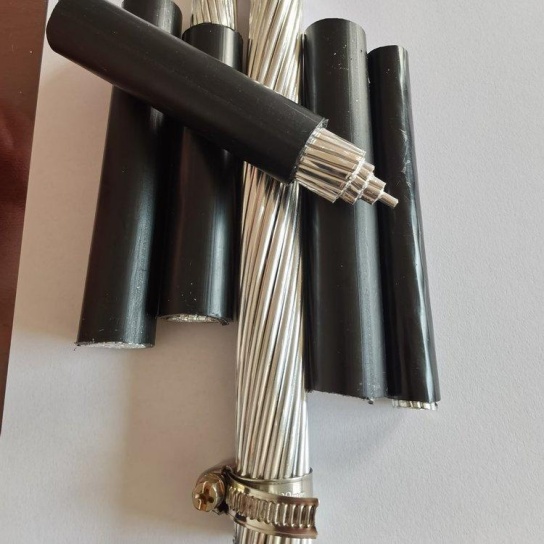
One of the most compelling advantages of Composite Materials in Aircraft Cable Assemblies is their exceptional strength-to-weight ratio. Traditional aircraft cable assemblies often rely on metal conductors (such as copper or aluminum) encased in heavy insulation materials, which add substantial weight to the aircraft. Composites, by contrast, are engineered from a combination of high-strength fibers (e.g., carbon fiber, glass fiber, or aramid fiber) and a polymer matrix (e.g., epoxy, polyester). This composition allows them to deliver comparable or even superior strength to metals while being up to 50% lighter in some cases.
The impact of weight reduction on aircraft performance cannot be overstated. Every pound removed from an aircraft translates to reduced fuel consumption—a critical factor in an industry grappling with rising fuel costs and strict environmental regulations. For commercial airlines, even a 1% reduction in weight can lead to millions of dollars in annual fuel savings. Additionally, lighter cable assemblies free up payload capacity, enabling airlines to carry more passengers, cargo, or additional equipment without compromising safety. Military aircraft, too, benefit from this weight savings, as it enhances maneuverability, range, and overall mission capabilities. By choosing Composite Materials in Aircraft Cable Assemblies, manufacturers can achieve these efficiency gains without sacrificing the structural integrity required for aerospace applications.
2. Superior Corrosion Resistance: Extending Service Life in Harsh Environments
Aircraft operate in some of the harshest environments on Earth, exposing components to extreme temperatures, humidity, salt spray (for coastal or maritime flights), and chemical contaminants. Traditional metal-based cable assemblies are highly susceptible to corrosion under these conditions. Corrosion not only weakens the structural integrity of the cables but also increases the risk of electrical failures, which can have catastrophic consequences in flight.
Composite Materials in Aircraft Cable Assemblies address this challenge head-on. Unlike metals, composites are inherently resistant to corrosion, oxidation, and chemical degradation. The polymer matrix acts as a protective barrier, preventing moisture, salt, and chemicals from penetrating the fiber reinforcement. This resistance ensures that the cable assemblies maintain their performance and structural stability over extended periods, even in the most demanding operational environments. For example, in marine patrol aircraft or offshore helicopter operations, composite cable assemblies can withstand constant exposure to saltwater without showing signs of corrosion, whereas metal cables would require frequent inspections and replacements. The result is a significant extension of the service life of cable assemblies, reducing maintenance costs and minimizing aircraft downtime.
3. Enhanced Thermal Stability: Performing Reliably Across Extreme Temperatures
Aircraft cable assemblies must operate reliably across a wide range of temperatures, from the frigid cold of high-altitude flight (-50°C or lower) to the intense heat generated by engine compartments or electrical systems (150°C or higher). Traditional insulation materials, such as PVC or rubber, can become brittle in cold temperatures or melt/ degrade in high heat, compromising the cable’s electrical insulation and mechanical strength.
Composites are engineered to exhibit exceptional thermal stability, making them ideal for Aircraft Cable Assemblies. High-performance composites, such as those reinforced with carbon fiber or aramid fiber, can withstand extreme temperature fluctuations without losing their structural or electrical properties. For instance, carbon fiber-reinforced composites (CFRPs) maintain their strength at temperatures up to 200°C, while some advanced polymer matrices can extend this range even further. This thermal resilience ensures that composite cable assemblies continue to function flawlessly in critical systems—whether in the cold of the stratosphere or the heat of an engine bay. By eliminating temperature-related failures, composite materials enhance the overall safety and reliability of the aircraft.
4. Improved Electrical Insulation and Signal Integrity: Supporting Advanced Avionics
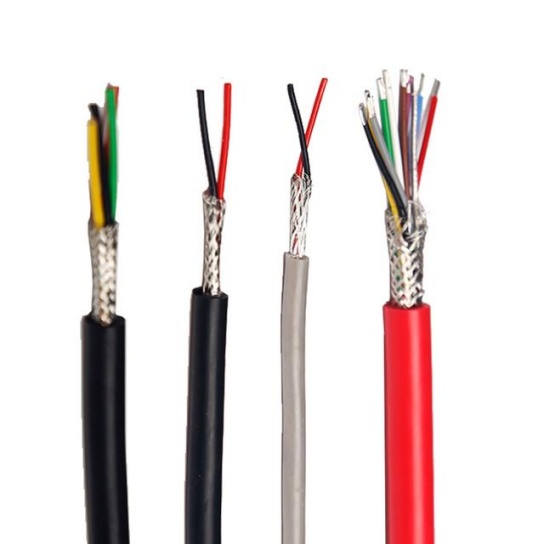
Modern aircraft are equipped with increasingly sophisticated avionics systems, including fly-by-wire controls, in-flight entertainment, and advanced communication networks. These systems require cable assemblies that provide excellent electrical insulation to prevent signal interference and ensure reliable data transmission. Traditional metal cables, especially those with poor insulation, are prone to electromagnetic interference (EMI) and radio frequency interference (RFI), which can disrupt sensitive electronic signals.
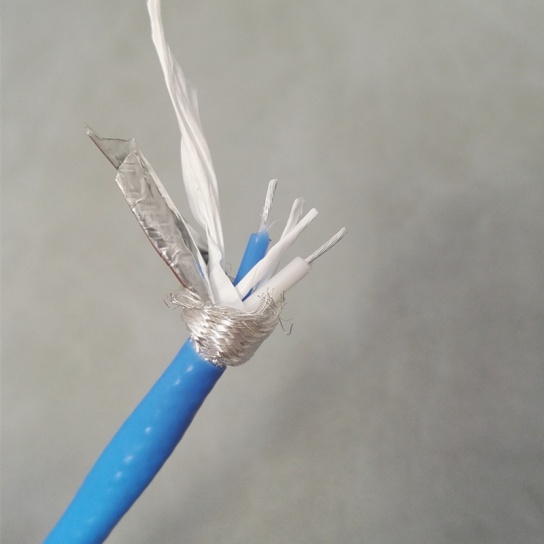
Composite Materials in Aircraft Cable Assemblies offer superior electrical insulation properties compared to many traditional materials. The polymer matrices used in composites are naturally insulating, and when combined with non-conductive fibers (such as glass fiber or aramid fiber), they create a barrier that minimizes EMI/RFI. Additionally, composites can be engineered with specialized coatings or fillers to further enhance their electromagnetic shielding capabilities, ensuring that signals remain clear and uninterrupted. This is particularly critical for fly-by-wire systems, where even a minor signal disruption could compromise flight control. By using composite cable assemblies, aerospace manufacturers can support the next generation of avionics technology, enabling faster data transmission, higher bandwidth, and more reliable system performance.
5. Design Flexibility: Tailoring Solutions to Specific Aircraft Requirements
The aerospace industry is characterized by diverse aircraft designs, each with unique spatial constraints, performance requirements, and system configurations. Traditional cable assemblies, which are often rigid and limited in form, can be challenging to install in tight or complex spaces—such as within the wings, fuselage, or engine nacelles. This lack of flexibility can increase installation time, labor costs, and the risk of damage during assembly.
Composites offer unparalleled design flexibility, making them highly adaptable for Aircraft Cable Assemblies. Unlike metals, which are difficult to mold into complex shapes without compromising strength, composites can be formed into custom profiles, curves, and sizes during the manufacturing process. This allows engineers to design cable assemblies that fit precisely into the available space, reducing the need for bulky connectors or additional hardware. Additionally, composites can be engineered to have variable stiffness—stiff enough to maintain structural integrity in high-vibration areas (such as near engines) yet flexible enough to bend around tight corners. This design versatility not only simplifies installation but also optimizes the overall layout of the aircraft’s electrical systems, reducing weight and improving efficiency. Whether for a small business jet, a large commercial airliner, or a military fighter jet, composite cable assemblies can be tailored to meet the specific needs of the application.
6. Reduced Maintenance and Total Cost of Ownership
While the initial cost of Composite Materials in Aircraft Cable Assemblies may be higher than that of traditional materials, their long-term benefits result in a significantly lower total cost of ownership (TCO). As previously discussed, composites offer superior corrosion resistance and thermal stability, which extend their service life. This means fewer replacements over the aircraft’s lifespan, reducing material costs and the labor associated with maintenance. Additionally, composite cable assemblies require less frequent inspections, as they are less prone to wear, tear, and degradation. For airlines and military operators, this translates to reduced aircraft downtime—a key factor in maximizing operational efficiency and profitability.
Furthermore, the lightweight nature of composite cable assemblies contributes to lower fuel costs over time, as mentioned earlier. When these savings are combined with reduced maintenance expenses, the return on investment (ROI) for composite materials becomes clear. A study by the Aerospace Industries Association found that aerospace components made from composites can reduce TCO by up to 30% compared to traditional materials. For Aircraft Cable Assemblies, this makes composites a cost-effective choice for manufacturers and operators alike.
Why Choose FRS for Your Composite Aircraft Cable Assemblies?
When it comes to leveraging the benefits of Composite Materials in Aircraft Cable Assemblies, FRS stands out as a trusted and innovative manufacturing partner. With decades of experience in the aerospace industry, FRS has mastered the art and science of engineering composite cable assemblies that meet the most stringent industry standards—including AS9100, ISO 9001, and FAA certifications.
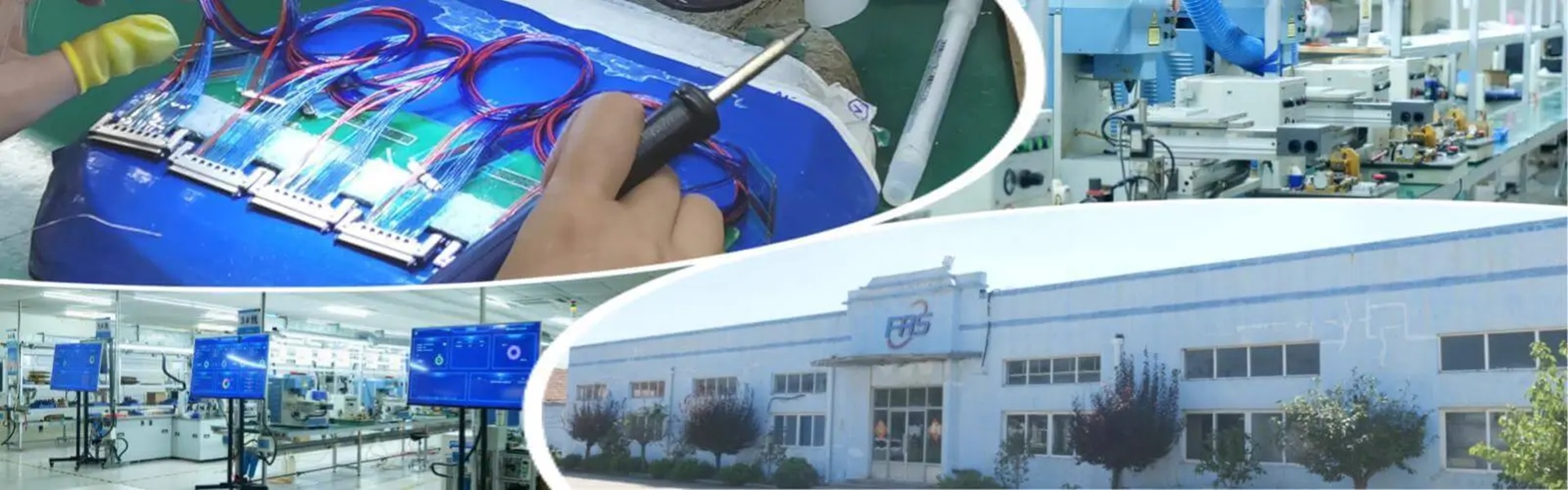
At FRS, we understand that every aerospace application is unique. That’s why we offer fully customizable solutions, working closely with our clients to design Composite Materials in Aircraft Cable Assemblies that align with their specific performance requirements, spatial constraints, and budget. Our state-of-the-art manufacturing facilities are equipped with advanced composite molding technologies, precision machining equipment, and rigorous quality control systems to ensure that every cable assembly leaving our factory is of the highest quality.
We source only the finest composite materials—including high-strength carbon fiber, glass fiber, and aramid fiber—from reputable suppliers, ensuring that our cable assemblies deliver consistent performance and durability. Our team of experienced engineers and technicians brings deep expertise in composite material science and aerospace engineering, enabling us to solve even the most complex challenges in cable assembly design.
Whether you’re building a next-generation commercial airliner, a cutting-edge military aircraft, or a specialized aerospace vehicle, FRS is committed to providing you with Composite Materials in Aircraft Cable Assemblies that enhance performance, improve safety, and reduce costs. Partner with FRS today and experience the difference that precision-engineered composite solutions can make for your aerospace projects.