Radiation-Resistant Aircraft Cable Assemblies for Specialized Missions
In specialized aviation missions—such as space exploration, nuclear emergency response, or high-intensity defense operations—aircraft systems face extreme radiation environments that degrade standard cable assemblies. Gamma rays, high-energy protons, and cosmic radiation can break down insulation materials, corrode conductors, and disrupt signal transmission, leading to critical system failures. Radiation-resistant aircraft cable assemblies are engineered to mitigate these risks, ensuring reliable performance where conventional cables cannot survive. Their design, material selection, and manufacturing processes are tailored to withstand both ionizing and non-ionizing radiation, making them indispensable for missions where downtime or failure is unacceptable.
1. Core Technical Requirements for Radiation Resistance
Radiation-resistant cable assemblies are not just “upgraded” standard cables; they require targeted engineering to address radiation-induced degradation. Key technical specifications include:
- Material Durability: Insulation and jacketing materials must resist radiation-induced embrittlement or melting. Fluoropolymers like PTFE (Polytetrafluoroethylene) and PFA (Perfluoroalkoxy alkane) are preferred for their ability to withstand doses up to 100 kGy (kilogray) or higher, far exceeding the 10–20 kGy limit of standard PVC or polyethylene. Conductors often use 镀银铜 (silver-plated copper) or nickel-alloy strands, which resist corrosion and maintain electrical conductivity even after prolonged radiation exposure.
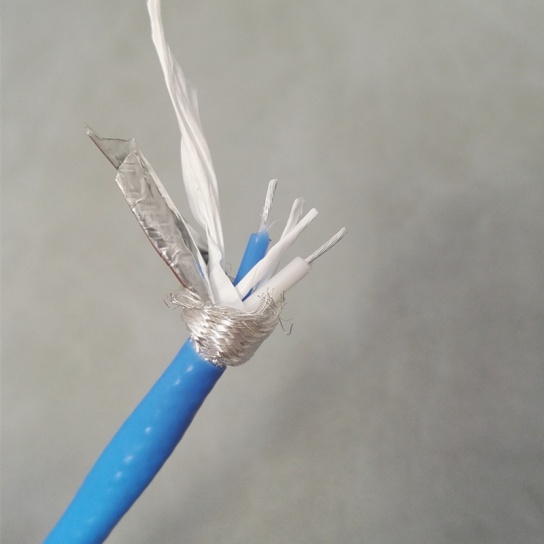
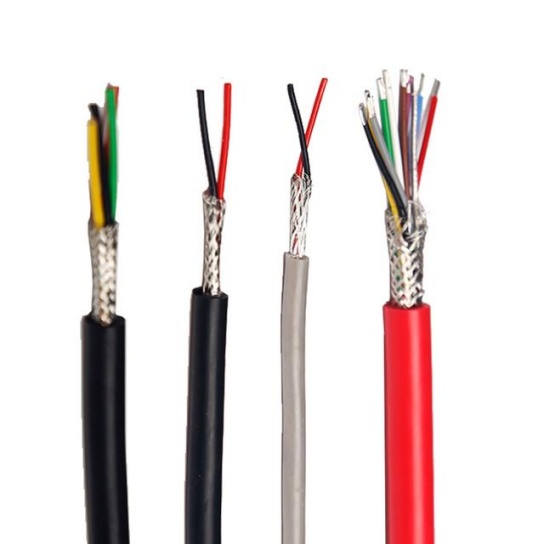
- Shielding Integrity: Radiation can interfere with signal clarity, so robust shielding is critical. Multi-layered shielding—combining braided tinned copper and aluminum foil—blocks both radiated noise and electromagnetic interference (EMI), ensuring stable data and power transmission for avionics, navigation, and communication systems.
- Environmental Compatibility: Specialized missions often involve extreme temperatures (-65°C to 200°C), humidity, and chemical exposure. Radiation-resistant cables are tested to meet aerospace standards (e.g., MIL-DTL-24685, NASA STD-4005) for resistance to these factors, preventing material degradation that could compound radiation damage.
2. Critical Application Scenarios
The value of these cable assemblies becomes most apparent in missions where radiation is a inherent risk. Below are three high-stakes use cases:
- Space and Near-Earth Missions: Satellites, crewed spacecraft, and launch vehicles operate in the Van Allen Belts, where high-energy protons and electrons bombard systems. Radiation-resistant cables power on-board computers, life support systems, and communication antennas, ensuring missions like satellite-based weather monitoring or crewed spaceflights remain operational for years.
- Nuclear Emergency Response Aircraft: Aircraft used for nuclear site inspections, radiation mapping, or disaster relief (e.g., military C-130s modified for nuclear response) fly through radioactive plumes. Cables in these aircraft must withstand gamma and beta radiation to maintain control systems, sensor data transmission, and crew communication—failure could leave teams unable to coordinate or navigate safely.
- Defense and Electronic Warfare (EW): Military aircraft conducting EW missions or operating near nuclear facilities face intentional or incidental radiation. Radiation-resistant cables protect sensitive EW equipment (e.g., jammers, radar systems) from performance loss, ensuring the aircraft can maintain situational awareness and mission effectiveness in high-threat environments.
3. Key Considerations for Selection
When sourcing radiation-resistant aircraft cable assemblies, mission planners and engineers must prioritize three factors to ensure compatibility and reliability:
- Radiation Dose Matching: Cables must be rated for the specific radiation dose of the mission. For example, a low-Earth orbit satellite may require cables rated for 50 kGy, while a nuclear response aircraft needs 150 kGy+ tolerance. Over-specifying increases cost, while under-specifying risks premature failure.
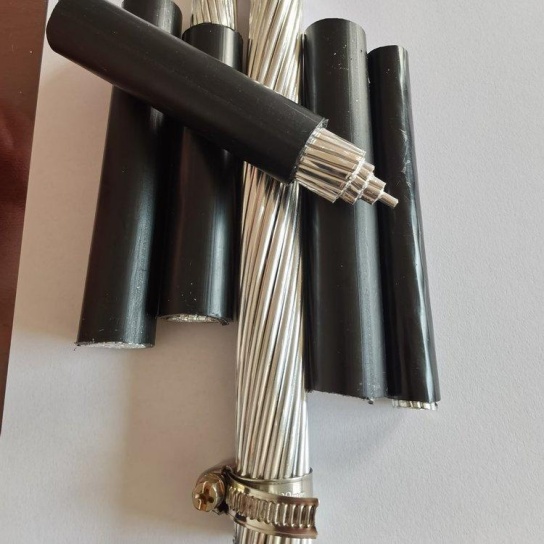
- Mechanical Resilience: Aircraft experience constant vibration, shock, and flexing during flight. Radiation-resistant cables must maintain structural integrity under these conditions—look for designs with stranded conductors (for flexibility) and reinforced jacketing (to resist abrasion).
- Compliance with Industry Standards: Ensure cables meet aerospace and mission-specific certifications. For defense applications, compliance with MIL-STD-810 (environmental testing) and MIL-DTL-32676 (cable specifications) is non-negotiable; for space missions, NASA’s GSFC-STD-7000 (spaceflight cable standards) is required.
Trust FRS for Mission-Critical Radiation-Resistant Cable Assemblies
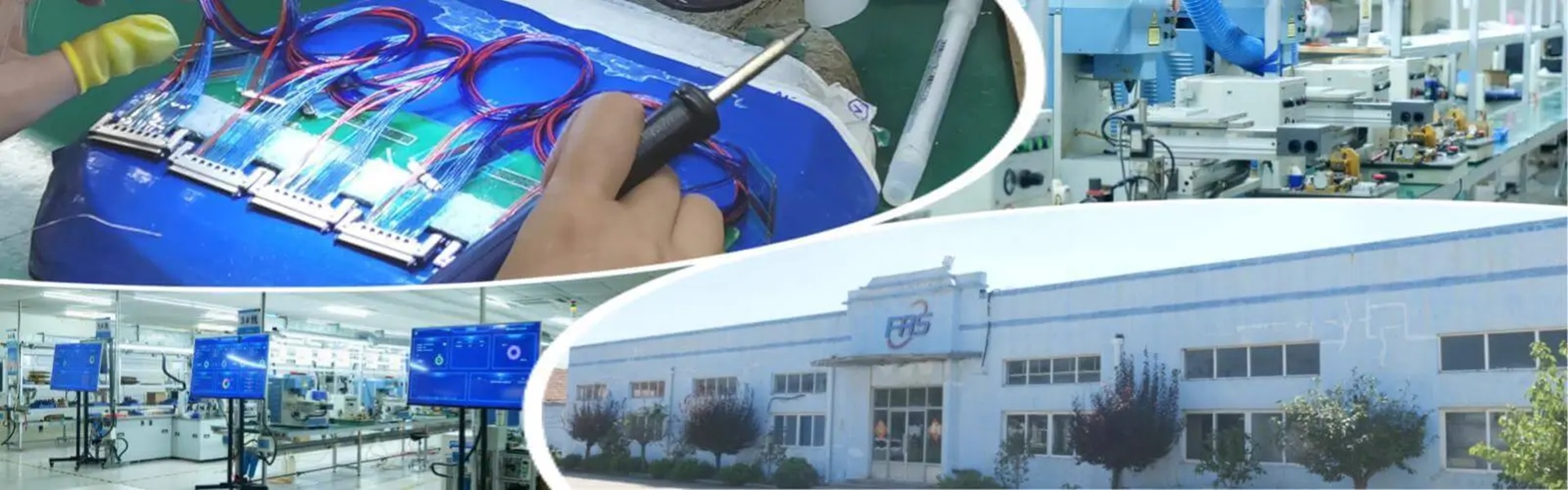
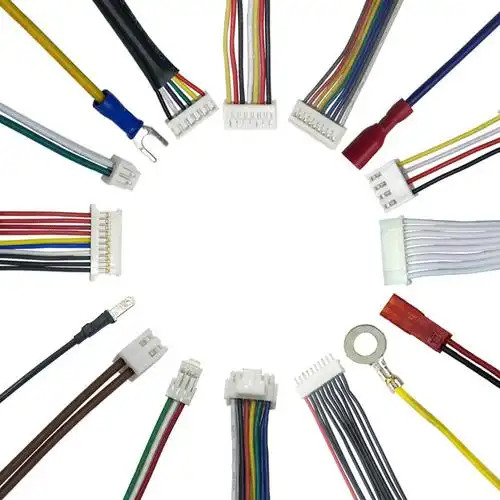
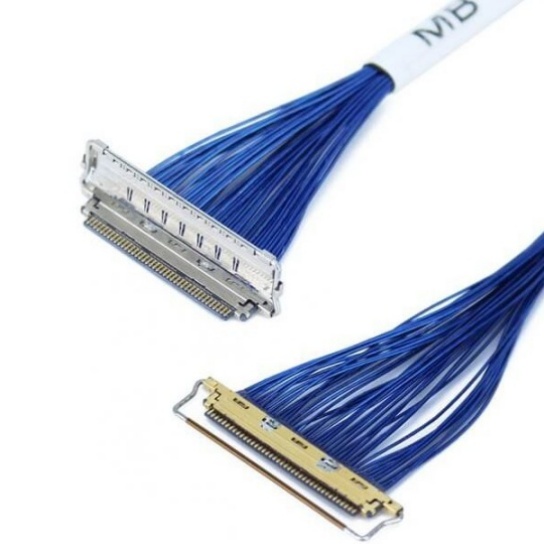
When specialized missions demand uncompromising reliability in radiation-prone environments, FRS brand factory delivers cable assemblies engineered for excellence. With over a decade of aerospace cable manufacturing experience, FRS focuses exclusively on radiation-resistant and high-performance solutions—using premium PTFE/PFA insulation, nickel-alloy conductors, and MIL-spec shielding to meet doses up to 200 kGy. Every assembly undergoes rigorous testing, including gamma radiation exposure, temperature cycling, and vibration testing, to ensure compliance with NASA, MIL, and ESA standards. Whether your mission involves space exploration, nuclear response, or defense operations, FRS works with you to customize cable lengths, connector types, and shielding configurations—delivering solutions that perform when failure is not an option. Partner with FRS for cable assemblies built to survive the world’s harshest radiation environments.