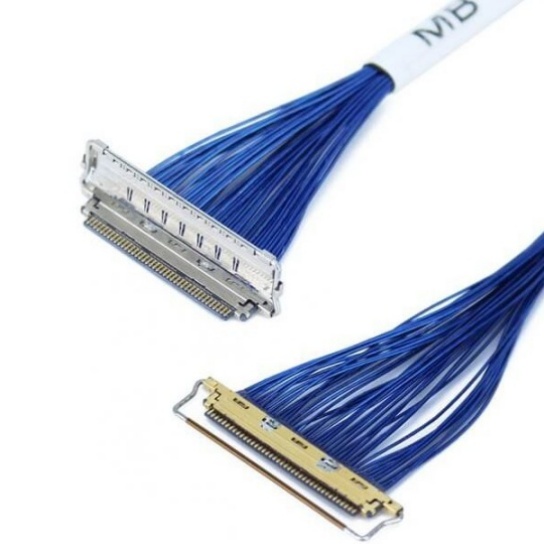
New Lightweight Aviation Cable for Aircraft Cuts Fuel Costs by 15% for Commercial Airlines
Modern commercial aircraft rely on miles of electrical wiring, making lightweight aviation cable for aircrafta critical factor in performance and profitability. A new generation of these cables is now demonstrating significant fuel savings, with one solution showing a 15% reduction in fuel burnfor a major airline’s next-generation fleet.
The Hidden Weight: Why Cable Matters
A large commercial jet can contain 100 to 200 miles (160–320 km)of wiring, with an average weight exceeding 4,000 pounds (≈1.8 metric tons). In some aircraft, the cable harness can account for over 10% of the total empty weight.
This weight directly impacts fuel consumption. Industry data shows that a 1% reduction in aircraft weight can lower fuel use by approximately 0.75%. Consequently, a new lightweight aviation cable for aircraftthat is just 5–10% lightercan save hundreds of thousands of dollars in fuel annually for a long-haul fleet.
The “15% Fuel Savings” Case Study
A recent collaboration between a major Middle Eastern airlineand a specialist aerospace cable manufacturer focused on replacing conventional power distribution cables in the main power distribution system of a next-gen narrow-body aircraft.
- The Change:High-performance, lightweight aviation power cables replaced traditional copper-based cables on key high-current distribution segments.
- The Result:After a year of operation, the airline reported a 15% reduction in fuel burnon typical long-haul missions compared to the previous aircraft configuration.
This saving is primarily due to the lower overall massof the cable harness and the reduced electrical lossesfrom using advanced conductive materials and optimized conductor geometries.
Key Features of Advanced Lightweight Aviation Cables
- Advanced Conductors
- High-Temperature Superconductors (HTS):Research on HTS cables shows a weight-to-current ratio of <0.5 kg/A/kmat 77 K, significantly lighter than copper. Using liquid hydrogen at 20 K can achieve <0.1 kg/A/km.
- Carbon Nanotube (CNT) Composites:CNT-based wires can be up to 80% lighterthan traditional shielded wires, with potential for similar fuel savings in future aircraft.
- Conductive Plastics:Wires made from recycled plastics and carbon nanomaterials can reduce manufacturing emissions by nearly 90%compared to copper, while also being lighter.
- Lightweight Insulation & Jacketing Manufacturers are using advanced polymers like expanded PTFE, fluoropolymers, and high-performance polyimidesto create thinner insulation and smaller-diameter cables. For example, some lightweight coax cables are over 25% lighterand 15% smallerthan standard RG cables, while meeting MIL-T-81790 and EN 3475-503 standards.
- Integrated Shielding New designs integrate shielding directly into the cable structure to minimize weight. Examples include:
- Gore Quadrax Cables:Up to 40% smallerin diameter than dual twisted pairs, saving over 5 kg (11 lbs)per aircraft.
- Gore CAN Bus Cables:40% smallerwith up to 50% weight savingscompared to standard oval designs.
- Gore Shielded Twisted Pair (STP) Cables:30% smallerand up to 50% lighterthan standard designs, with stable performance up to 1 GHz.
- PIC Wire’s ULTRALITE Coax:Up to 80% lighterthan comparable RG cables, with excellent shielding and performance up to 5 GHz.
- “Fit-and-Forget” Harness Systems Technologies like thermoplastic polyethylene (PE) molded harnessescreate a sealed, single-piece cable system. This reduces weight by allowing more direct routing and eliminating the need for heavy support structures, while also lowering maintenance costs.
Engineering Trade-Offs and System-Level Considerations
Switching to lightweight aviation cable is not just a matter of swapping materials. It requires a holistic systems approach:
- Electrical Performance:Must meet or exceed standards for voltage drop, current-carrying capacity, and corona inception at altitude.
- Mechanical & Environmental Durability:Cables must withstand vibration, flexing, temperature extremes, moisture, and chemicals, adhering to standards like RTCA/DO-160 and MIL-STD-810.
- Electromagnetic Compatibility (EMC):Shielding effectiveness must be maintained or improved to prevent EMI issues in densely packed avionics bays.
- Certification & Lifecycle Costs:New materials must be fully certified to FAR/CS-25 and other standards. The total cost of ownership (TCO), including maintenance and potential retrofits, must be favorable.
Strategic Benefits for Airlines & OEMs
- Lower Fuel Costs:A 15% fuel saving on a long-haul fleet can translate to millions of dollars per yearin reduced operating expenses.
- Lower Emissions:Reduced fuel burn directly cuts CO₂ and NOx emissions, supporting sustainability goals and ESG reporting.
- Increased Payload/Range:The saved weight can be used to carry more passengers or cargo, or to extend range without increasing fuel capacity.
- Simplified Maintenance:Advanced materials and integrated designs can extend service intervals and reduce the need for cable replacements.
- Future-Proofing:As aircraft move towards more electric architectures, a standardized lightweight cable platform can streamline future upgrades.
Implementing Lightweight Aviation Cable: A Roadmap
- Benchmark Current Harness:Quantify the weight, losses, and reliability of the existing wiring system.
- Identify High-Impact Zones:Focus on power distribution, main avionics buses, and cable runs where weight and losses are highest.
- Engage Qualified Suppliers:Partner with manufacturers who have certified, flight-proven lightweight solutions and can provide data on weight, loss, and reliability.
- Run System-Level Simulations:Model the impact of new cables on electrical performance, thermal management, and weight distribution.
- Plan for Certification:Integrate the new cable design into the overall aircraft certification plan from the outset.
The Future: Towards Ultra-Lightweight Aerospace Wiring
The industry is moving towards even lighter and more capable solutions:
- Advanced Composites:Using carbon nanotube conductors and optimized shielding could lead to cables 50–80% lighterthan today’s best offerings.
- Smart Cables:Embedding sensors for real-time health monitoring can further reduce lifecycle costs and improve safety.
- Sustainable Materials:The use of recycled plastics and bio-based resins is expected to grow, driven by both regulations and corporate sustainability goals.
For commercial airlines, adopting a lightweight aviation cable for aircraftis a strategic move. It reduces fuel and maintenance costs, supports sustainability, and provides a competitive edge in a market where efficiency is paramount. The reported 15% fuel savingis a compelling proof point that this technology is ready for widespread adoption.