Latest Advancements in MIL-C-27500 Multi-Conductor Aviation Cable for Next-Gen Aircraft
MIL-C-27500 multi-conductor aviation cable remains one of the most widely used wiring solutions for aircraft and aerospace systems. As next-generation aircraft demand higher data rates, greater power densities, and reduced weight, this specification continues to evolve. This article explores the latest advancements in MIL-C-27500 cable technology and its role in modern aerospace applications.
Understanding MIL-C-27500: The Aerospace Workhorse
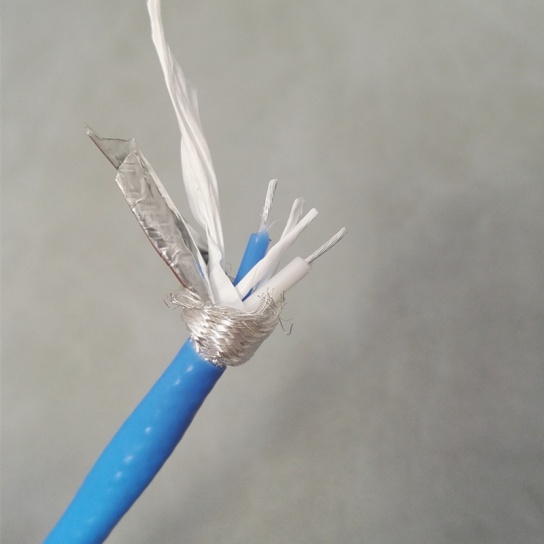
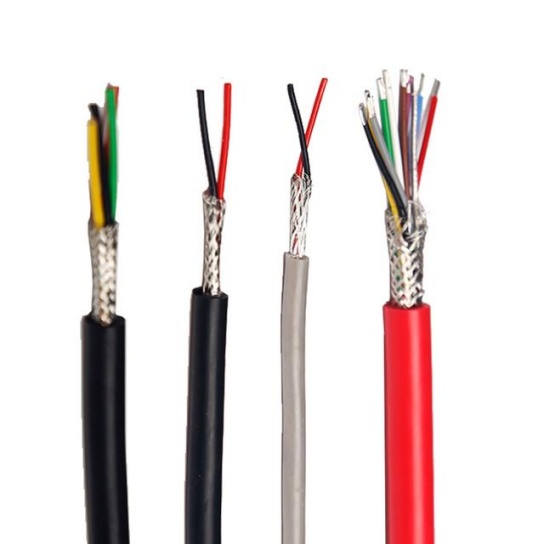
MIL-C-27500 (and its civil counterpart, NEMA WC27500) is a specification for multi-conductor, shielded, and jacketed cable. It is built from one or more MIL-W-22759 hook-up wires, which can be insulated with materials like PTFE, ETFE, or cross-linked ETFE (XL-ETFE). These are then combined with shielding and an outer jacket to create a complete cable assembly.
Key Characteristics:
- Conductor:Stranded, tin-plated or silver-plated copper.
- Insulation:PTFE, ETFE, or XL-ETFE, providing high dielectric strength and temperature resistance.
- Voltage Rating:Typically 600 V.
- Temperature Rating:Up to 150 °C for standard constructions, with higher ratings (200–260 °C) available for specialized versions.
- Shielding:Optional tinned copper braid, often with 85% coverage.
- Jacket:Tefzel (ETFE) or other modified ETFE/XL-ETFE materials.
This combination of features makes MIL-C-27500 ideal for critical avionics, flight control, and data transmission systems where reliability is paramount.
Key Advancements in MIL-C-27500 Technology
1. Higher Temperature and Extended Life in Harsh Environments
Newer generations of MIL-C-27500 cables are engineered for higher temperature ratings, such as 200–260 °C, using advanced insulation and conductor materials. This is crucial for applications near engines, APUs, and other high-heat zones.
For instance, Amphenol CIT’s Seamless PTFE wire technology, compatible with MIL-C-27500, offers a temperature capability of up to 260 °C. This allows for smaller-diameter cables and improved performance in “hot zones” while maintaining the same form factor and qualification pedigree as traditional M27500 constructions.
2. Reduced Diameter and Weight Through Advanced Insulation
A major trend is reducing the overall diameter and weight of cables. New seamless PTFE tape insulation technology can reduce the cross-sectional area of a wire bundle by 15–20% compared to equivalent XLETFE constructions.
This space-saving advantage is critical for next-gen aircraft, where routing space is limited, and every gram of weight saved translates to fuel savings or increased payload. Designers can now achieve the same electrical performance in a smaller, lighter package, simplifying harness design and installation.
3. Enhanced Shielding for EMI/EMC in High-Density Avionics
As aircraft incorporate more sensors, high-speed data buses, and power electronics, electromagnetic interference (EMI) becomes a significant concern. MIL-C-27500 cables now offer improved shielding options, including lightweight braided shields and advanced composite designs.
Glenair’s MIL-STAR GS27500 series, for example, features signature lightweight EMI shielding like ArmorLite™ and AmberStrand™. These provide excellent EMI protection while reducing overall weight and improving flexibility, which is essential for complex harnesses in advanced avionics bays.
4. Compatibility with High-Speed Data and New Bus Architectures
Modern aircraft rely on high-speed data networks (Ethernet, ARINC 664, Fibre Channel). While MIL-C-27500 is traditionally used for power and low-speed signals, its construction is increasingly being adapted for high-speed differential pairs.
Manufacturers are developing shielded twisted pair (STP) versions that maintain the M27500 form factor but are optimized for 100 Ω differential impedance and controlled impedance characteristics. This allows seamless integration with high-speed data systems without compromising on the proven reliability of MIL-spec cables.
5. Improved Flexibility and Bend Radius for Complex Routing
Next-gen aircraft feature more intricate cable routing paths, especially in tight spaces like wingboxes and empennages. To address this, newer MIL-C-27500 cables are designed with enhanced flexibility and smaller bend radii.
This is achieved through optimized conductor stranding, flexible insulation materials, and lightweight shielding. Improved flexibility reduces installation stress and the risk of damage during routing, which is critical for both initial assembly and in-service maintenance.
6. Integration with Fiber Optic and Hybrid Cabling Solutions
While MIL-C-27500 is primarily for electrical signals, the industry is moving toward hybrid solutions that combine electrical and optical fibers in a single cable. This reduces weight and complexity by consolidating power, data, and control lines into one bundle.
Amphenol CIT’s LITEflight™ fiber optic cables, for example, are designed to work alongside MIL-Spec electrical cables in harsh aerospace environments. These hybrid solutions are particularly beneficial for applications like fly-by-light systems and high-bandwidth sensor networks, where weight and EMI immunity are critical.
7. Standardization and Global Compliance
MIL-C-27500 is now aligned with international standards like NEMA WC27500 and SAE AS27500, ensuring global interoperability. This is increasingly important as aircraft manufacturers source components from multiple countries and need to meet stringent certification requirements.
Compliance with these standards simplifies the qualification process and ensures that cables meet the highest levels of safety and performance, regardless of their origin.
Applications in Next-Generation Aircraft
1. Flight Control and Avionics Systems
MIL-C-27500 cables are extensively used in flight control systems, where reliability and signal integrity are non-negotiable. The latest advancements in shielding and temperature resistance make them ideal for these critical applications, ensuring consistent performance even in the most demanding environments.
2. Power Distribution in More-Electric Aircraft
As aircraft move toward more-electric architectures, the demand for high-performance power cables is increasing. MIL-C-27500 cables, with their high voltage ratings and improved current-carrying capacity, are well-suited for power distribution systems in next-gen aircraft.
3. High-Speed Data Transmission
With the rise of advanced avionics and in-flight entertainment systems, high-speed data transmission is becoming a key requirement. MIL-C-27500 cables, particularly those optimized for differential pairs, are being used to support Ethernet, ARINC 664, and other high-speed data protocols.
4. Engine and APU Wiring
The harsh environments near engines and APUs require cables that can withstand high temperatures and mechanical stress. The latest MIL-C-27500 cables, with their enhanced temperature ratings and improved shielding, are ideal for these applications, ensuring reliable performance in extreme conditions.
Conclusion
MIL-C-27500 multi-conductor aviation cable continues to evolve to meet the demands of next-generation aircraft. With advancements in temperature resistance, weight reduction, shielding, and compatibility with high-speed data, it remains a critical component in modern aerospace systems. As the industry moves toward more-electric architectures and advanced avionics, MIL-C-27500 will continue to play a vital role in ensuring the reliability and performance of future aircraft.