Is MIL-W-22759 Aviation Cable RoHS Compliant for Aerospace Applications?
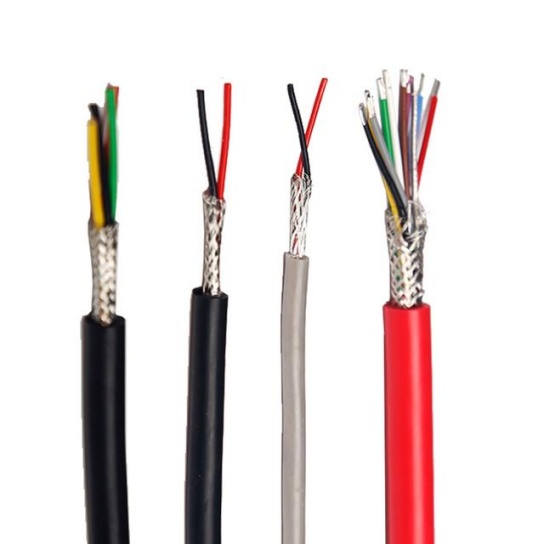
MIL‑W‑22759 (now standardized as SAE AS22759) is the workhorse hook‑up wire family for modern aircraft, spacecraft, and military platforms. It is engineered for high reliability in harsh environments, featuring fluoropolymer insulation and high‑performance copper alloy conductors. These wires are used in critical airframe wiring, avionics, and other aerospace systems where failure is not an option.
A common question from design engineers and procurement teams is whether these cables are RoHS compliantand suitable for aerospace applications. The short answer is:
Most modern MIL‑W‑22759 / AS22759 wires are RoHS compliant, but aerospace qualification and environmental compliance are governed by more than just RoHS. You must check the specific part number, its datasheet, and the applicable SAE or OEM specification.
This article explains what RoHS means in this context, how it applies to MIL‑W‑22759, and what you need to do in practice.
1. Understanding MIL-W-22759 and SAE AS22759
MIL‑W‑22759 was originally a U.S. military specification for high‑performance electrical wire. Over time, it was transitioned to a family of SAE AS22759 aerospace standards. These define requirements for single‑conductor wires used in aircraft and spacecraft, including:
- Conductor material and plating (tin, silver, or nickel)
- Insulation type (PTFE, ETFE, PTFE/polyimide, etc.)
- Temperature rating (–65 °C to 150, 200, or 260 °C)
- Voltage rating (250, 600, or 1000 V)
- Mechanical, chemical, and flame resistance
The family includes many dash numbers, such as:
- M22759/9, /10, /11, /12: PTFE insulation, 200–260 °C
- M22759/16, /32, /33, /34, /43, /44: ETFE insulation, 150–200 °C
- M22759/35: High‑temperature fluoropolymer, up to 260 °C
- M22759/82: PTFE/polyimide, up to 260 °C for extreme environments
2. What Is RoHS and Why It Matters
RoHSstands for Restriction of Hazardous Substances Directive 2011/65/EU(as amended by 2015/863/EU). It restricts the use of specific hazardous materials in electrical and electronic equipment sold in the EU, including lead, mercury, cadmium, hexavalent chromium, PBB, and PBDE flame retardants.
For equipment placed on the EU market, compliance with RoHS is a legal requirement. However, aerospace and military equipment often fall under specific exemptions or are outside the standard RoHS scope. This leads to two key points:
- Many MIL‑W‑22759 wires are manufactured to be RoHS compliantbecause the same base materials are used in commercial and industrial markets.
- RoHS compliance alone does not automatically qualify a wire for aerospace use.Aerospace applications have their own, often more stringent, requirements for performance, qualification, and environmental standards (e.g., EN9100, NADCAP, OEM specs).
3. RoHS Status of Common MIL-W-22759 Variants
PTFE-Based Constructions
Wires like M22759/9, /10, /11, /12use PTFE insulation and are common in aerospace. Many manufacturers explicitly state RoHS compliance in their datasheets. For example, an M22759/11 hook-up wire may be listed with a note such as “RoHS Compliant” alongside its military and voltage ratings.
ETFE-Based Constructions
Wires like M22759/32, /33, /34, /41, /42, /43, /44use cross-linked ETFE insulation. These are also widely used in aerospace. Many product listings clearly state “RoHS Compliant.” For instance, an M22759/32 wire may be described as a “lightweight, high-temperature airframe and avionics wire… All products are manufactured to meet RoHS compliance”.
Newer SAE AS22759 Standards with Explicit RoHS Language
Recent revisions of some AS22759 dash numbers include RoHS compliance directly in their titles and scope. This makes the compliance status unambiguous:
- SAE AS22759/186B-2022: “Wire, PTFE/polyimide insulated, smooth surface, normal weight, silver‑plated copper conductor, 200 °C, 600 V RoHS.”
- SAE AS22759/188B-2022: “Wire, PTFE/polyimide insulated, smooth surface, normal weight, tin‑plated copper conductor, 150 °C, 600 V RoHS.”
These documents confirm that RoHS is now an integral part of the specification for these variants.
4. Aerospace vs. Commercial RoHS Compliance
While RoHS compliance is necessary for equipment sold in the EU, aerospace projects often have unique considerations:
- Different Regulatory Frameworks: Military and many aerospace projects are not required to follow RoHS, but they often adopt its intent for environmental and safety reasons.
- OEM and Customer Requirements: Aircraft OEMs may have their own environmental specifications that go beyond or differ from RoHS, including requirements for material declarations, low smoke, halogen content, or specific test methods.
- Qualification and Traceability: Aerospace projects prioritize qualification to standards like SAE AS22759, MIL-STD-704, and customer-specific specs over a generic RoHS declaration. Traceability, lot control, and testing records are critical.
Therefore, while RoHS compliance is a positive attribute, it is not the sole determinant of suitability for aerospace applications.
5. How to Verify RoHS Compliance for Your Application
To ensure a specific MIL-W-22759 wire meets your needs, follow these steps:
- Identify the Exact Part Number: Note the full dash number (e.g., M22759/11-22-9, M22759/32-20-5) and insulation type.
- Check the Manufacturer’s Datasheet: Look for explicit statements like “RoHS Compliant” or “RoHS 2/3 Compliant.” Pay attention to any notes about exemptions or non-applicable substances.
- Review the Applicable SAE AS22759 Standard: If the wire is made to a recent revision (e.g., AS22759/186B-2022), check the standard’s title and scope for RoHS language.
- Confirm with Your Customer or OEM: If you are supplying to an aerospace OEM, verify their specific environmental requirements. They may require additional documentation, such as a full material declaration (FMD) or compliance with specific standards like EN9100 or NADCAP.
- Consider the Application Environment: For applications in the EU or markets with similar regulations, ensure the wire’s RoHS status aligns with your product’s overall compliance strategy.
6. Practical Examples
Example 1: M22759/11 Hook-Up Wire
A 12 AWG M22759/11 wire might be described as follows:
- Voltage: 600 V
- Temperature: 200 °C
- Conductor: Silver-plated copper
- Insulation: PTFE
- Note: “RoHS Compliant”
This wire is suitable for general aircraft wiring and meets RoHS requirements for markets where this is a concern.
Example 2: M22759/32 Lightweight Wire
A 26 AWG M22759/32 wire might be described as:
- Voltage: 600 V RMS
- Temperature: 150 °C
- Conductor: Tinned copper
- Insulation: Cross-linked ETFE
- Note: “RoHS Compliant”
This wire is ideal for weight-sensitive aerospace applications and is also RoHS compliant.
Example 3: SAE AS22759/186B Wire
This wire is explicitly defined as:
- Insulation: PTFE/polyimide
- Conductor: Silver-plated copper
- Temperature: 200 °C
- Voltage: 600 V
- Standard: SAE AS22759/186B-2022, which includes RoHS compliance in its scope.
This makes it a clear choice for applications requiring both high performance and RoHS compliance.
7. Conclusion
In summary, most modern MIL-W-22759 / AS22759 aviation cables are RoHS compliant, especially those manufactured to recent SAE revisions or explicitly labeled as such. However, aerospace applications require more than just RoHS compliance. You must ensure the wire meets the specific performance, qualification, and environmental requirements of your project or OEM.
By carefully checking the part number, datasheet, and applicable standards, you can confidently select the right MIL-W-22759 wire for your aerospace application.