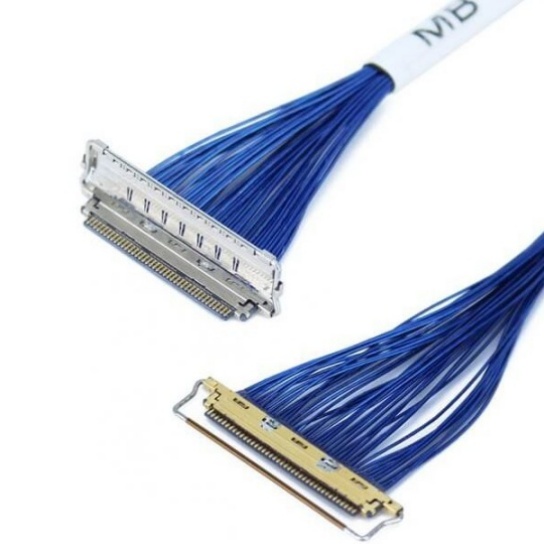
How Aircraft Cable Assemblies Improve Flight Management Systems
In the complex ecosystem of modern aviation, flight management systems (FMS) serve as the “brain” of an aircraft, orchestrating everything from navigation and route planning to fuel optimization and crew coordination. Yet, even the most advanced FMS hardware and software would be rendered ineffective without a reliable network of components that transmit critical data and power seamlessly. Among these unsung heroes, aircraft cable assemblies stand out as the lifeline connecting the FMS to every corner of the aircraft—ensuring that information flows accurately, power is delivered consistently, and operations remain safe even in the harshest flight conditions. This article explores how high-quality aircraft cable assemblies enhance the performance, reliability, and efficiency of flight management systems, and why they are indispensable to modern aviation.
The Critical Role of Aircraft Cable Assemblies in FMS Architecture
A flight management system is a sophisticated integration of sensors, processors, displays, and control units. For these components to work in harmony, they require a robust communication and power distribution network—and that’s where aircraft cable assemblies come into play. Unlike standard cables, aircraft-grade cable assemblies are engineered to meet the stringent requirements of aviation, including resistance to extreme temperatures, vibration, electromagnetic interference (EMI), and physical stress. Their role in FMS can be broken down into three core functions:
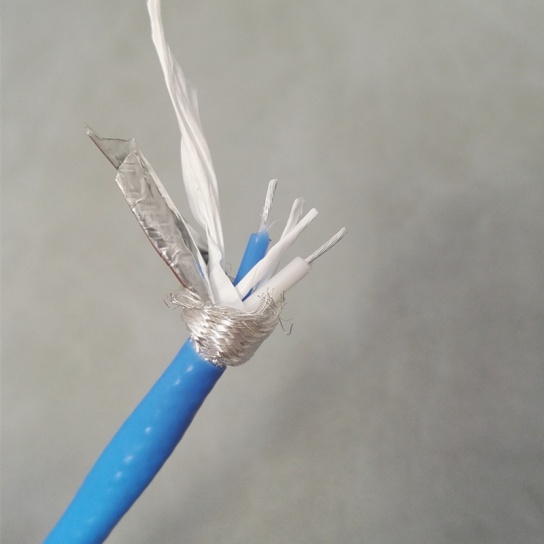
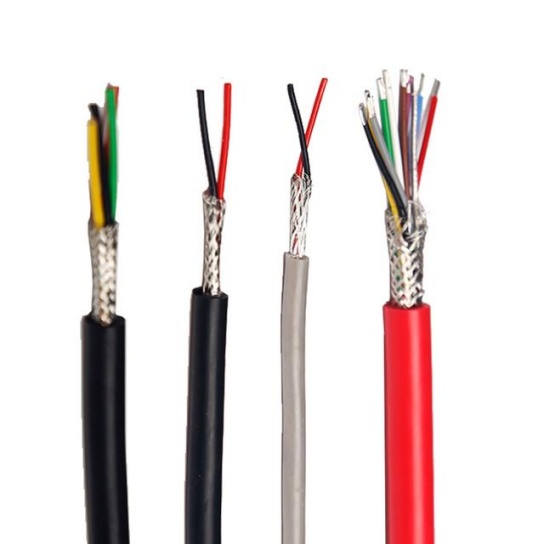
- Data Transmission Precision: FMS relies on real-time data from GPS receivers, inertial navigation systems (INS), air data computers (ADC), and engine sensors to calculate flight paths, fuel consumption, and aircraft position. Aircraft cable assemblies transmit this data with near-zero latency and error rates. For example, twisted-pair or coaxial cable assemblies with shielding prevent EMI from disrupting signals—critical in an environment where radar, radios, and other electronic systems generate electromagnetic noise. A single data packet loss or corruption could lead to incorrect route calculations or altitude errors, making the integrity of cable assemblies a matter of flight safety.
- Power Distribution Reliability: FMS components, such as multi-function displays (MFDs) and flight control units, require a steady supply of power to operate. Aircraft cable assemblies are designed to handle the voltage and current demands of these systems while withstanding voltage spikes and electrical faults. Heavy-gauge copper conductors and durable insulation materials ensure that power is delivered without voltage drops, even during high-load scenarios like takeoff or landing. This reliability is non-negotiable: a power interruption to the FMS could disable critical navigation tools, putting the aircraft at risk.
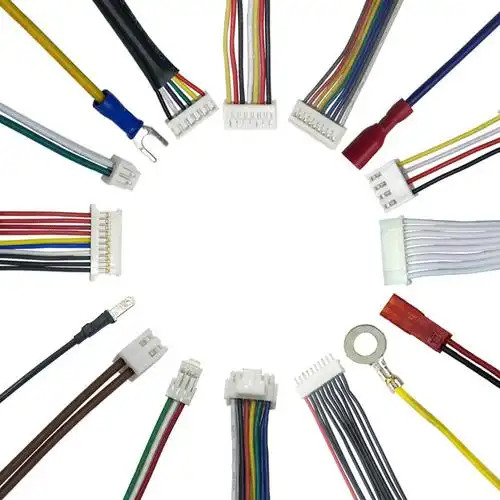
- System Integration Flexibility: Modern FMS is often customized to fit different aircraft models, from commercial airliners to military jets. Aircraft cable assemblies are manufactured with modular designs, allowing them to be tailored to the specific layout and component configuration of an FMS. This flexibility simplifies installation, reduces downtime during maintenance, and ensures compatibility with both legacy and next-generation FMS hardware. For instance, pre-terminated cable assemblies with standardized connectors (such as D-subminiature or MIL-DTL-38999) enable quick plug-and-play integration, eliminating the need for on-site wiring and reducing the risk of human error.
Key Performance Improvements Driven by Advanced Aircraft Cable Assemblies
The quality of aircraft cable assemblies directly impacts the performance of flight management systems. Advances in cable assembly technology—from material science to manufacturing processes—have led to tangible improvements in FMS efficiency, safety, and longevity. Below are the most significant performance enhancements:
1. Enhanced Operational Efficiency
Flight management systems are tasked with optimizing fuel efficiency, a top priority for airlines seeking to reduce costs and environmental impact. Aircraft cable assemblies contribute to this goal by ensuring that FMS receives accurate, real-time data from fuel flow sensors and engine management systems. With precise data transmission, the FMS can calculate the most fuel-efficient altitude, speed, and route adjustments—reducing unnecessary fuel burn. For example, a study by the International Air Transport Association (IATA) found that even a 1% improvement in FMS data accuracy can lead to a 0.5% reduction in fuel consumption per flight. High-quality cable assemblies, which minimize data latency and errors, are a key enabler of this efficiency.
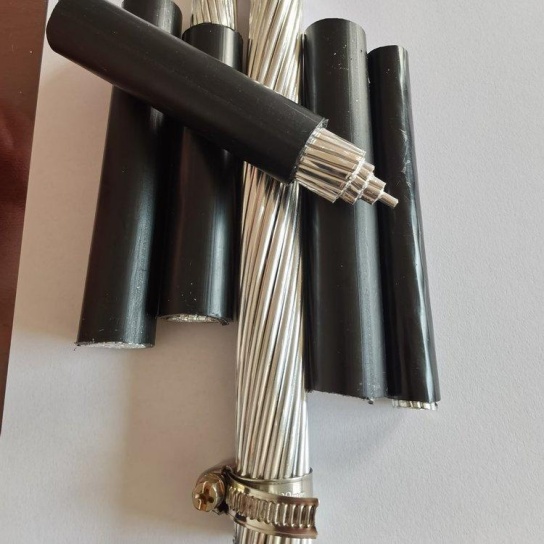
Additionally, lightweight aircraft cable assemblies—made from materials like aluminum or composite conductors—reduce the overall weight of the aircraft. Every pound saved translates to lower fuel usage over time. For commercial airliners that fly thousands of hours annually, this weight reduction adds up to significant cost savings and reduced carbon emissions.
2. Improved Safety and Fault Tolerance
Safety is the cornerstone of aviation, and aircraft cable assemblies are designed with redundant and fault-tolerant features to prevent system failures. For example, many cable assemblies used in FMS are constructed with dual conductors or parallel paths, ensuring that if one conductor fails, the other can continue transmitting data or power. This redundancy is critical for flight-critical systems like FMS, where a single point of failure could have catastrophic consequences.
Furthermore, aircraft cable assemblies undergo rigorous testing to withstand extreme environmental conditions. They are resistant to temperatures ranging from -65°F to 250°F (-54°C to 121°C), ensuring performance in both polar and desert flight routes. They also resist moisture, oil, and chemical exposure—common in engine bays and undercarriage areas. By maintaining functionality in these harsh environments, cable assemblies prevent FMS malfunctions caused by environmental stress, enhancing overall flight safety.
3. Reduced Maintenance Downtime
Aircraft maintenance is costly and time-consuming, and airlines strive to minimize downtime to keep their fleets operational. High-quality aircraft cable assemblies are built for durability, with a lifespan of up to 20 years or more—far longer than standard cables. This longevity reduces the frequency of cable replacements, cutting maintenance costs and downtime.
Moreover, modern cable assemblies feature diagnostic capabilities, such as built-in continuity sensors or resistance monitoring. These features allow maintenance crews to quickly identify potential issues (like frayed conductors or loose connectors) before they escalate into system failures. By enabling predictive maintenance, cable assemblies help airlines avoid unplanned downtime and keep FMS running at peak performance.
Meeting Aviation Standards: The Non-Negotiable Requirement for Aircraft Cable Assemblies
To ensure compatibility and safety, aircraft cable assemblies must comply with strict industry standards and certifications. These standards are set by organizations like the Federal Aviation Administration (FAA), European Union Aviation Safety Agency (EASA), and SAE International. For example:
- SAE AS22759: This standard specifies the requirements for single-conductor, insulated electric cables for use in aircraft. It covers conductor materials, insulation thickness, temperature ratings, and mechanical performance.
- MIL-DTL-24643: A military standard that governs the design and testing of cable assemblies for aerospace and defense applications. It includes requirements for shielding, connectors, and environmental resistance.
- FAA TSO-C106: Technical Standard Order for aircraft electrical wire and cable, ensuring that products meet the FAA’s safety and performance criteria.
Cable assemblies that fail to meet these standards pose significant risks to FMS and overall flight safety. For example, non-compliant cables may degrade under high vibration, leading to short circuits or data loss. That’s why aviation manufacturers and operators only trust cable assemblies that carry these critical certifications.
FRS: Your Trusted Partner for Aircraft Cable Assemblies That Power Next-Generation FMS
When it comes to aircraft cable assemblies that enhance flight management systems, FRS stands out as a leading manufacturer with a reputation for quality, innovation, and reliability. For over two decades, FRS has been engineering cable assemblies that meet and exceed the most stringent aviation standards—including SAE AS22759, MIL-DTL-24643, and FAA TSO-C106. Our commitment to excellence is evident in every aspect of our manufacturing process:
- Engineered for Precision: FRS cable assemblies are designed with advanced shielding technologies to eliminate EMI, ensuring that FMS data is transmitted with 99.99% accuracy. Our team of aerospace engineers works closely with customers to develop custom solutions tailored to their specific FMS configurations, from commercial airliners to military aircraft.
- Tested for Extreme Conditions: Every FRS cable assembly undergoes rigorous testing, including temperature cycling, vibration testing, EMI/EMC testing, and tensile strength testing. We simulate the harshest flight environments to ensure that our products perform flawlessly when it matters most.
- Built for Durability: We use only the highest-quality materials, such as silver-plated copper conductors, PTFE insulation, and corrosion-resistant connectors, to create cable assemblies with a lifespan of up to 25 years. This durability reduces maintenance costs and ensures long-term reliability for FMS.
- Customer-Centric Service: FRS understands that aviation projects require tight deadlines and strict quality control. Our dedicated customer support team provides end-to-end assistance, from design and prototyping to production and delivery, ensuring that your cable assembly needs are met on time and within budget.
Whether you’re upgrading an existing FMS or developing a next-generation system, FRS aircraft cable assemblies deliver the performance, reliability, and safety your operation demands. With FRS as your partner, you can trust that the lifeline of your flight management system is built to the highest standards—keeping your aircraft on course, efficient, and safe. Choose FRS for aircraft cable assemblies that don’t just meet expectations, but redefine them.