How Aircraft Cable Assemblies Improve Cabin Climate Control
Cabin climate control is a critical factor in ensuring passenger comfort, crew efficiency, and even flight safety. A well-regulated environment—maintaining optimal temperature, humidity, and air circulation—requires a seamless and reliable network of components working in harmony. At the heart of this complex system lies a often-overlooked yet indispensable element: Aircraft Cable Assemblies. These specialized cable solutions are not just passive transmitters of power and signals; they are the lifeline that enables precise, responsive, and efficient climate control in modern aircraft. In this article, we will explore the multifaceted ways in which Aircraft Cable Assemblies enhance cabin climate control, from ensuring accurate sensor data transmission to enabling seamless integration of climate subsystems.
1. Ensuring Precise Signal Transmission for Climate Sensors
The foundation of effective cabin climate control is accurate data collection. Modern aircraft are equipped with an array of sensors strategically placed throughout the cabin and cargo holds, monitoring parameters such as temperature, humidity, air pressure, and CO₂ levels. These sensors generate delicate electrical signals that must be transmitted to the climate control unit (CCU) with minimal delay and interference. This is where high-quality Aircraft Cable Assemblies come into play.
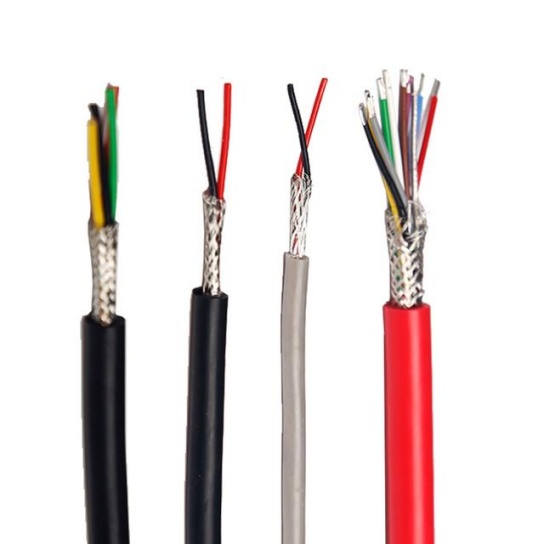
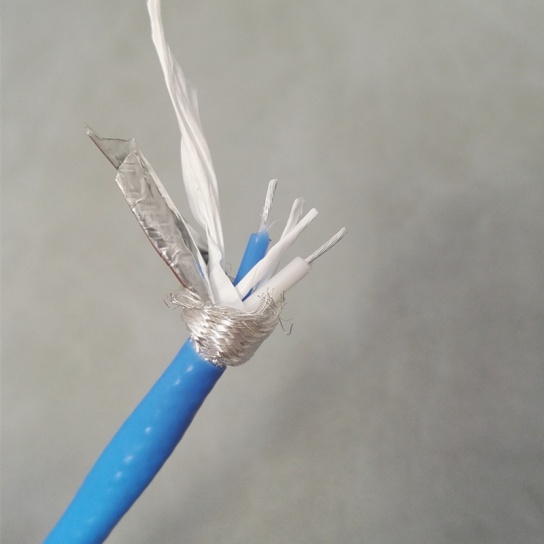
Aircraft Cable Assemblies designed for sensor signal transmission are engineered to minimize signal attenuation and electromagnetic interference (EMI). Unlike standard cables, they feature shielding layers—such as braided copper or aluminum foil—that protect the signal from external electrical noise generated by other aircraft systems, including avionics, engines, and communication equipment. Without this shielding, sensor signals could become distorted, leading the CCU to receive inaccurate data. For example, a temperature sensor in the forward cabin might send a signal indicating 24°C, but interference could alter it to 27°C, causing the CCU to unnecessarily reduce heating, resulting in passenger discomfort.
Moreover, the conductor materials and insulation in Aircraft Cable Assemblies are selected for their stability under extreme conditions. Aircraft cabins experience wide temperature fluctuations—from -50°C at high altitudes to 40°C during ground operations—and exposure to moisture, vibration, and pressure changes. Premium Aircraft Cable Assemblies use conductors with low resistance and insulation materials (such as Teflon or ETFE) that maintain their dielectric properties across these ranges. This ensures that sensor signals remain consistent and reliable, allowing the CCU to make precise adjustments to heating, cooling, and ventilation systems.
2. Enabling Seamless Integration of Climate Control Subsystems
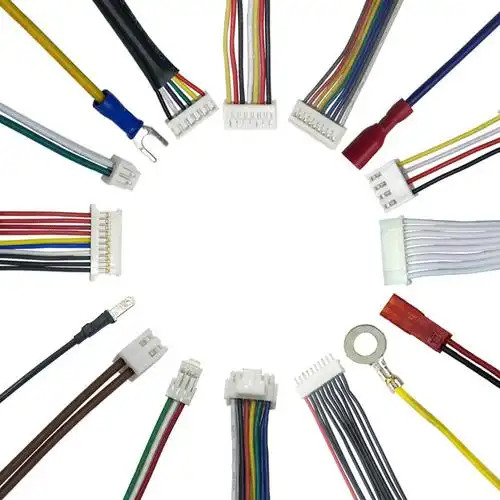
Cabin climate control is not a single system but a network of interconnected subsystems, including air conditioning packs, bleed air valves, fan controllers, humidity regulators, and zone temperature controls. Each of these subsystems relies on communication with the CCU and with each other to operate in sync. Aircraft Cable Assemblies serve as the “nervous system” that connects these components, enabling real-time data exchange and coordinated action.
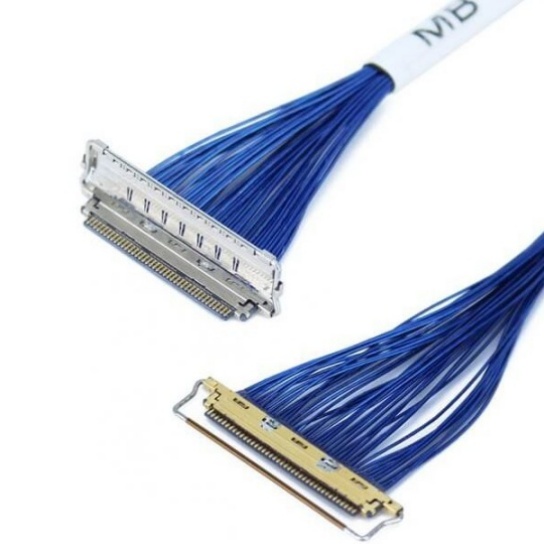
For instance, when the CCU receives data indicating that the rear cabin temperature is 2 degrees above the setpoint, it sends a command to the air conditioning pack to increase cooling output and to the zone damper controller to redirect more cold air to the rear. This command is transmitted via Aircraft Cable Assemblies, which must be capable of handling multiple signal types—analog, digital, and power—simultaneously. Advanced Aircraft Cable Assemblies are designed with multiple conductors grouped into twisted pairs or coaxial cables, each dedicated to specific signal types, to prevent crosstalk and ensure clear communication.
The durability of Aircraft Cable Assemblies is also crucial for subsystem integration. Aircraft undergo constant vibration during flight, and cables are routed through tight spaces, exposed to friction and mechanical stress. Poorly constructed cables can develop frays, breaks, or loose connections over time, disrupting communication between subsystems. This can lead to system failures, such as a fan controller not receiving a signal to increase airflow, resulting in stuffy cabins or even overheating of critical components. High-performance Aircraft Cable Assemblies feature robust jacketing, strain reliefs at connection points, and corrosion-resistant terminals to withstand these harsh conditions, ensuring long-term reliability of the climate control network.
3. Optimizing Energy Efficiency of Climate Control Systems
In the aviation industry, energy efficiency is a top priority, as it directly impacts fuel consumption, operating costs, and environmental sustainability. Cabin climate control systems are significant energy users, accounting for a portion of the aircraft’s total power demand. Aircraft Cable Assemblies play a key role in optimizing the energy efficiency of these systems through two primary mechanisms: reducing power loss and enabling smart control.
Power loss in cables occurs due to electrical resistance, which converts some of the electrical energy into heat. Aircraft Cable Assemblies with high-conductivity conductors (such as oxygen-free copper) and larger cross-sectional areas minimize resistance, thereby reducing power loss. For example, when transmitting power to a climate control fan motor, a low-resistance cable ensures that more of the electrical energy from the aircraft’s power system is converted into mechanical energy by the motor, rather than being wasted as heat. This not only reduces energy consumption but also prevents overheating of the cables themselves, enhancing safety.
Additionally, Aircraft Cable Assemblies enable the implementation of smart, energy-efficient climate control strategies. Modern CCUs use algorithms to optimize energy use by adjusting subsystem operation based on real-time demand. For example, during periods of low passenger load, the CCU can reduce the output of air conditioning packs or adjust fan speeds to match the reduced cooling/heating需求. This smart control relies on fast and reliable data transmission between sensors, the CCU, and subsystems—all facilitated by Aircraft Cable Assemblies. Without efficient cable communication, the CCU would not be able to respond quickly to changing conditions, leading to unnecessary energy use.
4. Enhancing Safety and Compliance in Climate Control
Safety is paramount in aviation, and cabin climate control systems are no exception. Malfunctions in climate control can lead to hazardous conditions, such as extreme temperatures, hypoxia (low oxygen levels), or the buildup of toxic gases. Aircraft Cable Assemblies contribute to safety by ensuring that climate control systems operate as intended and comply with strict aviation regulations.
Aviation authorities such as the FAA (Federal Aviation Administration) and EASA (European Union Aviation Safety Agency) have rigorous standards for aircraft components, including cables. Aircraft Cable Assemblies must meet requirements for flame resistance, smoke emission, and toxicity. In the event of a fire, cables that are not flame-resistant can spread the fire and release toxic fumes, endangering passengers and crew. Premium Aircraft Cable Assemblies use materials that self-extinguish when exposed to flame, produce minimal smoke, and do not release harmful chemicals. This compliance not only ensures safety but also avoids costly delays and penalties for airlines.
Furthermore, Aircraft Cable Assemblies with redundant designs enhance safety by providing backup communication paths. Critical climate control functions, such as emergency pressurization or oxygen system activation, are often connected via dual cables. If one cable fails, the redundant cable takes over, ensuring that the system continues to operate. This redundancy is made possible by the compact and flexible design of Aircraft Cable Assemblies, which allows multiple cables to be routed through the same spaces without adding excessive weight or complexity.
Why FRS Is Your Trusted Partner for Aircraft Cable Assemblies
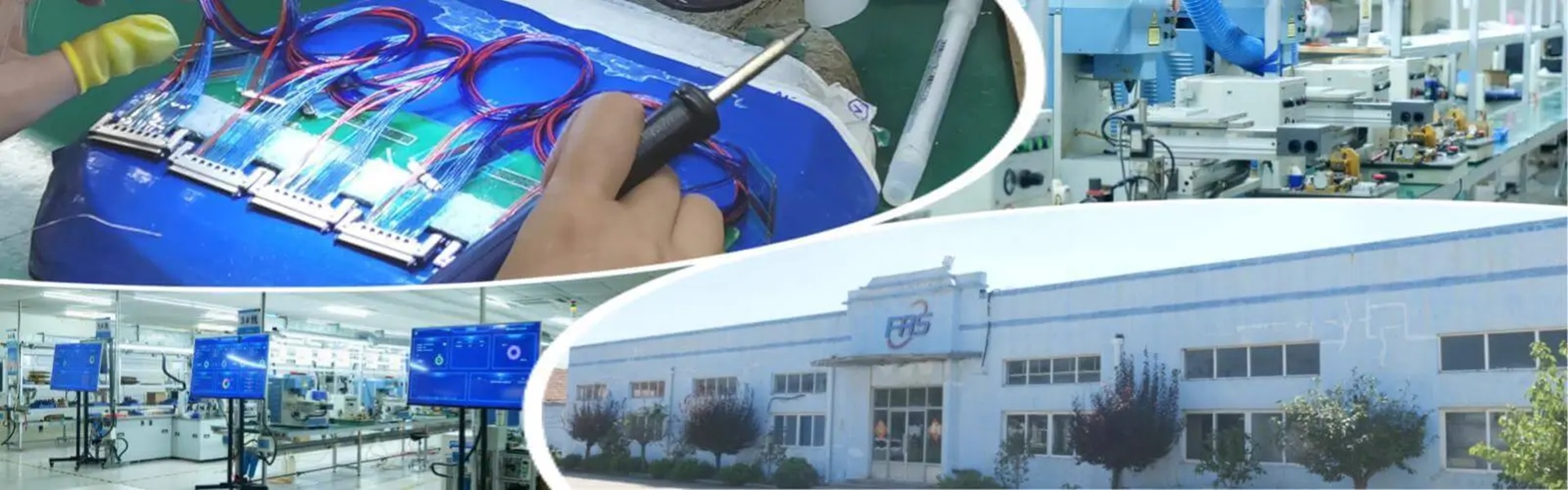
When it comes to ensuring optimal cabin climate control, the quality and reliability of Aircraft Cable Assemblies cannot be overstated. At FRS, we specialize in manufacturing high-performance Aircraft Cable Assemblies that are engineered to meet the unique demands of aviation climate control systems. Our commitment to excellence is evident in every aspect of our production process.
FRS Aircraft Cable Assemblies are designed with precision, using premium materials such as oxygen-free copper conductors, EMI-shielding layers, and flame-retardant insulation to ensure accurate signal transmission, durability, and compliance with global aviation standards. Our team of experienced engineers works closely with clients to customize cable solutions that fit their specific climate control system requirements—whether it’s for narrow-body airliners, wide-body jets, or regional aircraft. We conduct rigorous testing on every batch of cables, including vibration tests, temperature cycling tests, and signal integrity tests, to guarantee performance under the harshest flight conditions.
With years of experience in the aviation industry, FRS understands the critical role that Aircraft Cable Assemblies play in passenger comfort and safety. We are dedicated to providing reliable, efficient, and cost-effective cable solutions that help our clients enhance the performance of their cabin climate control systems. When you choose FRS, you’re not just getting a product—you’re getting a partner committed to your success. Trust FRS for your Aircraft Cable Assemblies needs, and experience the difference that quality and expertise can make.