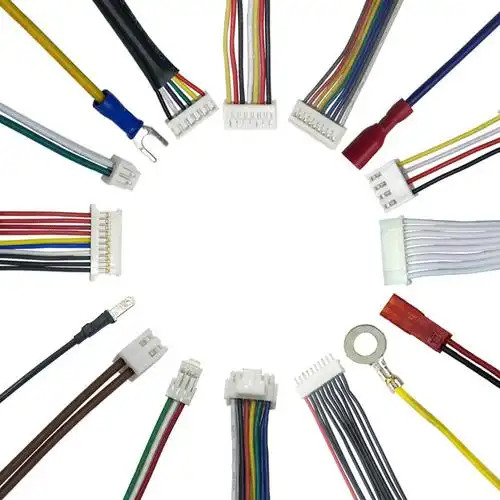
How Aircraft Cable Assemblies Improve Anti-Collision Systems
In the complex and high-stakes world of aviation, anti-collision systems (ACS) stand as a critical line of defense against mid-air incidents, safeguarding passengers, crew, and valuable aircraft assets. While the advanced sensors, processors, and alert mechanisms of ACS often take center stage in discussions about aviation safety, one foundational component—aircraft cable assemblies—plays an indispensable role in ensuring these systems operate with precision, reliability, and speed. This article delves into the specific ways aircraft cable assemblies enhance the performance and effectiveness of anti-collision systems, highlighting their impact on signal integrity, environmental resilience, and overall system responsiveness.
1. Ensuring Uncompromised Signal Integrity for Real-Time Data Transmission
Anti-collision systems rely on the seamless flow of real-time data between multiple components: radar or ADS-B (Automatic Dependent Surveillance-Broadcast) receivers, transponders, onboard processors, and cockpit alert displays. Even the slightest delay or distortion in this data can have catastrophic consequences, as ACS requires split-second decisions to detect potential collisions and issue timely warnings. Aircraft cable assemblies are engineered to minimize signal loss and electromagnetic interference (EMI), two factors that directly threaten data integrity.
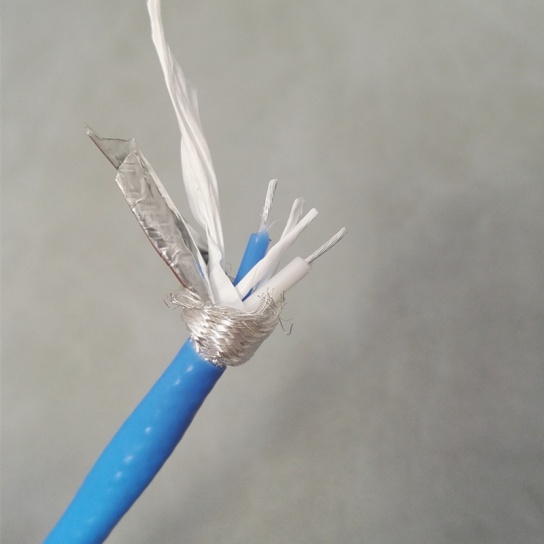
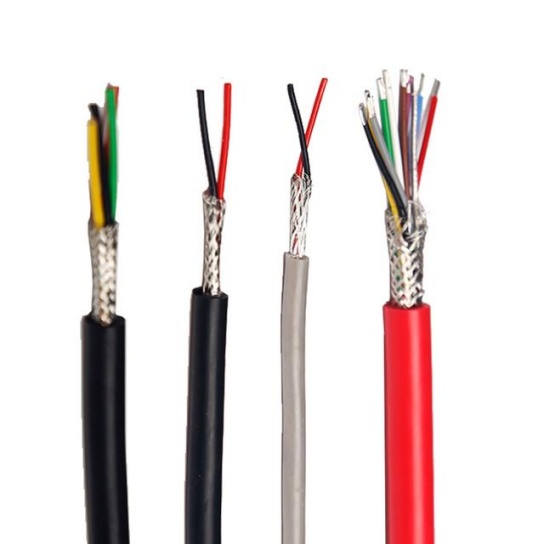
Unlike standard cables, aviation-grade cable assemblies feature specialized shielding—such as braided copper or foil shielding—that blocks external EMI from sources like aircraft engines, communication systems, or nearby electronic equipment. This shielding ensures that the delicate data signals transmitted between ACS components remain clear and accurate. Additionally, the conductors within these cables are made from high-purity copper or copper alloys, which offer low electrical resistance to facilitate fast signal transmission. For example, in ADS-B-equipped ACS, aircraft cable assemblies carry position, altitude, and speed data from the transponder to the ACS processor in milliseconds, enabling the system to calculate potential collision risks with pinpoint accuracy.
2. Withstanding Extreme Aviation Environments for Continuous Reliability
Aircraft operate in some of the harshest environments on Earth: extreme temperature fluctuations (from -65°F to 250°F at high altitudes), rapid pressure changes, vibration from engines and turbulence, and exposure to moisture, fuel vapors, and chemicals. Anti-collision systems cannot afford downtime, as even a momentary failure could leave an aircraft vulnerable. Aircraft cable assemblies are designed to thrive in these conditions, ensuring ACS remains operational when it matters most.
The jackets and insulators of aviation cable assemblies are constructed from durable materials like PTFE (polytetrafluoroethylene) or FEP (fluorinated ethylene propylene), which exhibit excellent resistance to heat, cold, chemicals, and abrasion. These materials prevent the cables from deteriorating under extreme stress, maintaining their structural integrity and electrical performance. Furthermore, cable assemblies are rigorously tested for vibration resistance—they are secured with specialized clamps and routing techniques to minimize movement, which could otherwise damage conductors or loosen connections. In one case study, a regional airline reported that upgrading to high-performance aircraft cable assemblies reduced ACS-related maintenance issues by 40% over two years, primarily due to the cables’ ability to withstand the repetitive vibration of turboprop engines.
3. Enabling Lightweight and Space-Efficient System Integration
Modern aircraft are designed with a focus on fuel efficiency, which requires minimizing weight and optimizing space. Anti-collision systems, which often integrate multiple sensors and components across the aircraft, need cable assemblies that are both lightweight and flexible to fit into tight spaces without adding unnecessary bulk. Aircraft cable assemblies address this need through advanced design and material selection.
Manufacturers use thin-gauge conductors and lightweight insulation materials to reduce the overall weight of the cable assemblies. For instance, some high-performance aviation cables weigh up to 30% less than traditional cables while maintaining the same electrical performance. Their flexibility—achieved through stranded conductors instead of solid ones—allows them to be routed through narrow channels in the aircraft’s fuselage, wings, or avionics bays, where space is at a premium. This space efficiency is particularly critical for newer aircraft models with compact avionics suites, as it enables ACS components to be placed in optimal locations (e.g., radar antennas in the nose cone) without compromising cable routing. By reducing weight and saving space, aircraft cable assemblies not only improve ACS integration but also contribute to the aircraft’s overall fuel efficiency.
4. Enhancing System Durability to Reduce Maintenance and Downtime
Maintenance downtime is costly for airlines, and ACS-related issues can lead to flight cancellations or delays. Aircraft cable assemblies are built for long-term durability, reducing the frequency of cable replacements and minimizing maintenance burdens. This durability stems from rigorous manufacturing standards and quality control processes.
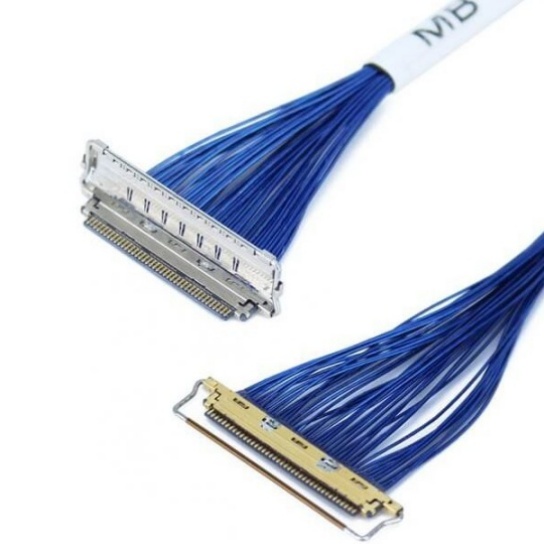
Aviation cable assemblies are produced in compliance with strict industry standards, such as those set by the Society of Automotive Engineers (SAE) or the Federal Aviation Administration (FAA). These standards dictate every aspect of production, from material selection to termination techniques (e.g., crimping or soldering). Terminations—where cables connect to ACS components—are a common failure point, so aircraft cable assemblies use precision crimped connectors that create a secure, low-resistance bond. These connectors are also sealed to prevent moisture or debris from entering, which could cause corrosion or short circuits. As a result, high-quality aircraft cable assemblies have an average service life of 15–20 years, compared to 5–10 years for non-aviation-grade cables. This extended lifespan translates to lower maintenance costs and fewer disruptions to ACS operation.
FRS: Your Trusted Partner for High-Performance Aircraft Cable Assemblies
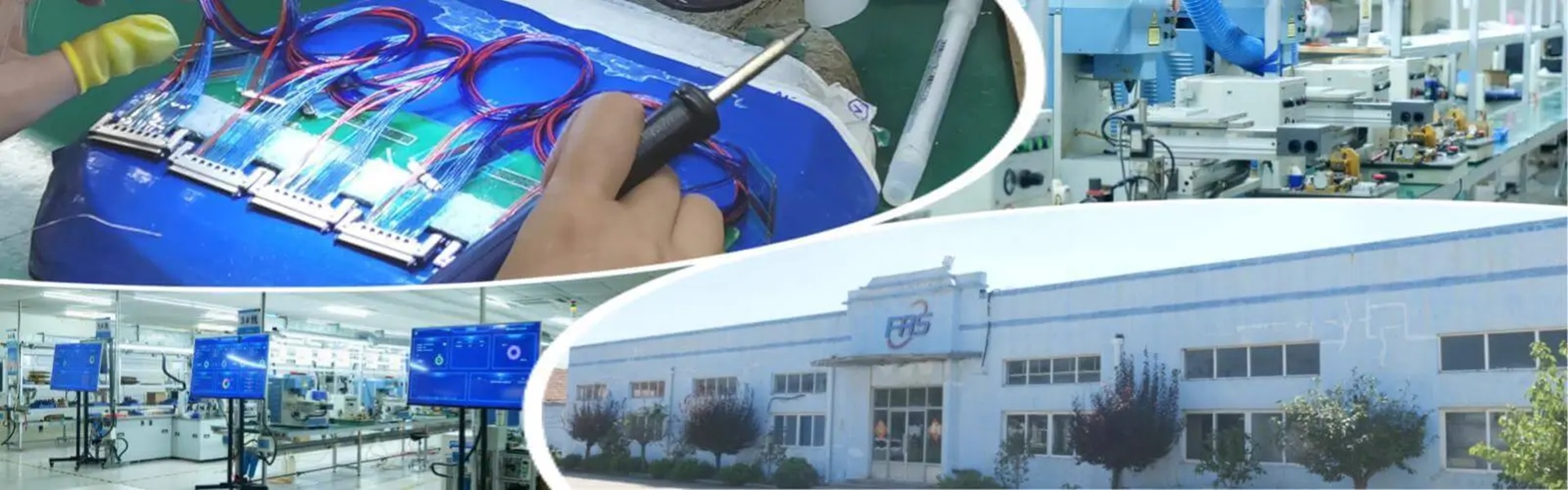
When it comes to ensuring the reliability and effectiveness of anti-collision systems, every component matters—and aircraft cable assemblies are no exception. FRS, a leading manufacturer of aviation-grade cable assemblies, combines decades of engineering expertise with a commitment to quality to deliver solutions that meet the most demanding aviation standards. Our cable assemblies are precision-engineered for uncompromised signal integrity, extreme environmental resilience, and lightweight efficiency, making them the ideal choice for enhancing anti-collision systems in commercial, military, and general aviation aircraft.
At FRS, we adhere to strict FAA and SAE standards throughout the manufacturing process, from material sourcing to final testing. Our team of experienced engineers works closely with customers to design custom cable assemblies tailored to their specific ACS requirements, ensuring seamless integration and optimal performance. Whether you need shielding for EMI protection, durable jackets for harsh environments, or lightweight designs for fuel efficiency, FRS has the solution. Trust FRS to provide the aircraft cable assemblies that keep your anti-collision systems—and your aircraft—safe, reliable, and operational. Contact us today to learn more about our products and how we can support your aviation safety goals.