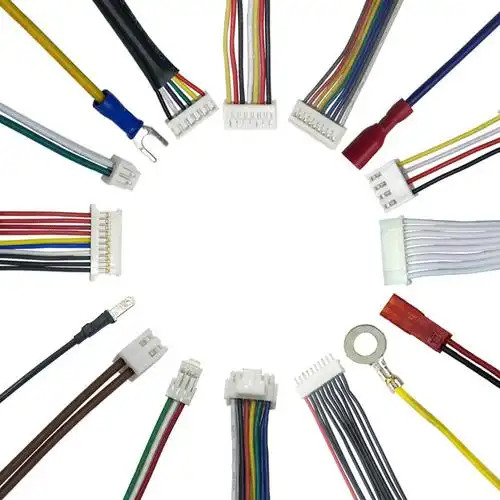
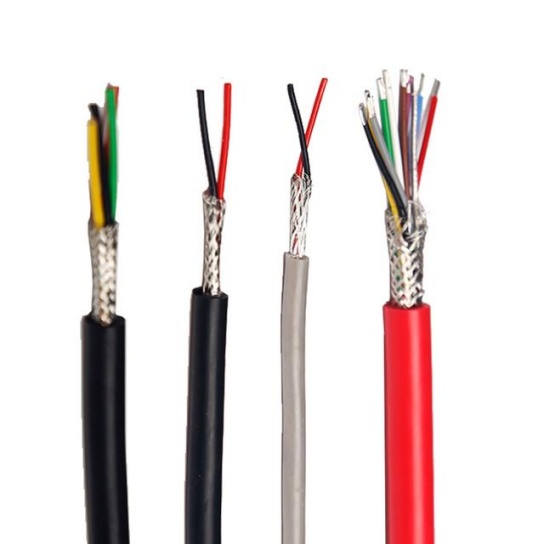
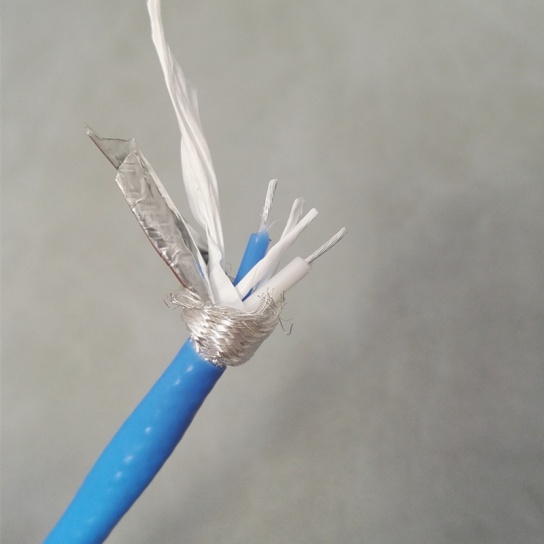
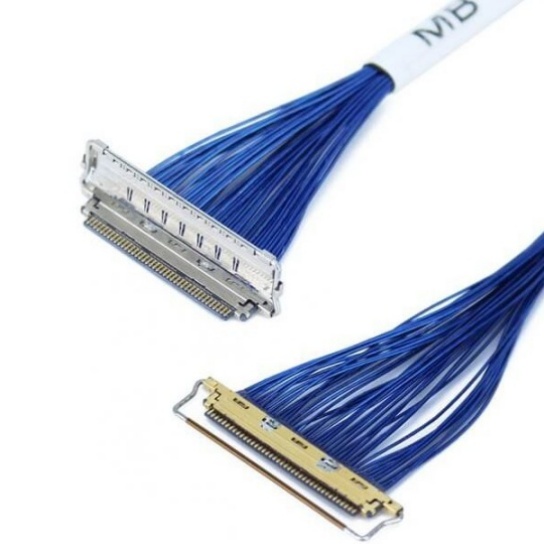
Modern aircraft rely on a complex web of high-speed aviation cablesto connect flight control, avionics, in-flight entertainment, and mission systems. As data rates climb from megabits to gigabits per second, the performance of these cables directly impacts safety, weight, and lifecycle cost.
At AeroExpo and similar aerospace trade shows, airborne Ethernet cables, quadrax cables, and CAN bus cablesare increasingly visible. This article explains what makes a high-speed aviation cable different, how to select the right one, and what to look for at exhibitions like AeroExpo 2026.
What Is High-Speed Aviation Cable?
In the context of aircraft systems, high-speed aviation cablerefers to data cables designed to carry high-frequency differential signals—such as Ethernet, ARINC 664, CAN, FireWire (SAE 1394), DVI/HDMI, or proprietary high-speed serial links—at frequencies from tens of MHz to several GHz.
These are not power cables; they are the “nervous system”of the aircraft, transmitting navigation data, flight control commands, sensor outputs, video streams, and network traffic.
Key characteristics include:
Controlled impedance(typically 100 Ω differential for Ethernet, 120 Ω for CAN).
Low attenuation and phase delayacross the required frequency range.
Excellent shieldingto minimize electromagnetic interference (EMI) and crosstalk.
Lightweight, flexible constructionsuitable for tight aircraft routing.
Rugged materialsthat withstand temperature extremes, vibration, and fluids.
Why High-Speed Matters More Than Ever
The shift to more electric aircraft, connected cockpits, and real-time sensor fusion has transformed cabling from a passive commodity into a critical performance enabler.
Driving factors include:
Higher data rates:Avionics networks are moving from 10/100 Mb/s to 1/10 Gb/s and beyond.
More data, more bandwidth:High-resolution displays, video surveillance, and real-time health monitoring generate massive data volumes.
SWaP-C pressure:There is a constant push to reduce Size, Weight, and Power (SWaP)while improving reliability and lowering lifecycle cost.
For a B2B buyer, this means that choosing the wrong high-speed aviation cable can lead to costly redesigns, EMI compliance failures, or weight penalties that affect fuel burn and payload.
🔍 Key Applications for High-Speed Aviation Cables
High-speed aviation cables are used in a wide range of systems. Here are the main application areas:
Avionics Networks & Backbones
Protocols:ARINC 664 / AFDX, Ethernet (10BASE-T to 10GBASE-T), Fibre Channel.
Function:Connects core avionics computers, switches, and line-replaceable units (LRUs).
Flammability, Smoke & Toxicity (FST):Per ABD0031, FAR 25.853, and related Airbus/Boeing specs.
EMI/EMC:Shielding effectiveness, susceptibility, and emission tests.
For a B2B buyer, always ask for the test reports and qualification documents. Suppliers with a portfolio of pre-qualified aerospace cablescan significantly reduce your certification workload.
Trends Shaping the Future of High-Speed Aviation Cables
Higher Data Rates:Migration from 1 Gb/s to 10 Gb/s and beyond in avionics backbones.
More Fiber, But Copper Remains:Fiber is growing for long-haul backbone links, but copper remains dominant for short-reach, high-reliability links.
Lightweight & Low-Diameter Designs:New materials and geometries (like quadrax) reduce weight and improve bendability.
Integrated Cable Assemblies:Pre-terminated, tested assemblies with connectors save installation time and reduce errors.
Smart Cables & Health Monitoring:Emerging concepts for embedding sensors to monitor cable health in real-time.
Partnering with the Right Manufacturer
When sourcing high-speed aviation cables, look for a partner with:
Deep Aerospace Experience:Proven track record in civil and military aircraft programs.
Comprehensive Product Range:Solutions for Ethernet, CAN, quadrax, video, and fiber.
Strong Testing & Qualification Capabilities:In-house labs and certified test data.
Customization & Support:Ability to provide custom lengths, shielding, and labeling.
Global Logistics:Reliable supply chain and support for international projects.
At AeroExpo and similar events, use the opportunity to:
See physical samplesand compare flexibility, layering, and connector compatibility.
Talk to application engineersabout your specific use cases.
Evaluate their documentationand qualification packages.
Final Takeaways
High-speed aviation cableis a mission-critical component, not a commodity.
Match the cable to the application—don’t over-specify or under-specify.
Verify all electrical, mechanical, and environmental specsbefore finalizing your choice.
Work with experienced aerospace supplierswho can support your certification and lifecycle needs.
By taking a systematic approach, you can select a high-speed aviation cablethat enhances performance, reduces weight, and ensures the long-term reliability of your aircraft systems.
From commercial airliners to military drones, aviation cables are the unsung heroes ensuring reliable power, data, and signal transmission in the skies. These specialized cables are engineered to withstand extreme conditions—think turbule.
When it comes to aviation safety and performance, every component must meet the highest standards—especially electrical systems. High-Temp Resistant Aviation Electrical Cables are engineered to deliver unparalleled durability and reliabi.
Designed to meet the rigorous demands of modern aviation and defense systems, Lightweight MIL-SPEC Aviation Wiring Cables represent the pinnacle of reliability, durability, and performance. Engineered to comply with stringent military sp.
Premium Aviation Cables for Aircraft Systems: Elevating Safety and Performance
In the demanding world of aviation, reliability and precision are non-negotiable. Premium Aviation Cables for Aircraft Systems are engineered to meet the r.
Product Overview: aviation cable
Machine vision cables are specialized components designed to ensure high-speed, stable data transmission and signal integrity in automated imaging systems. Key features include:
Technical Specifica.