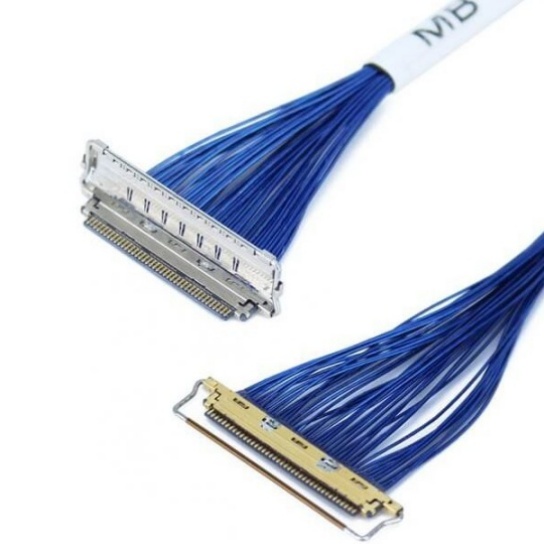
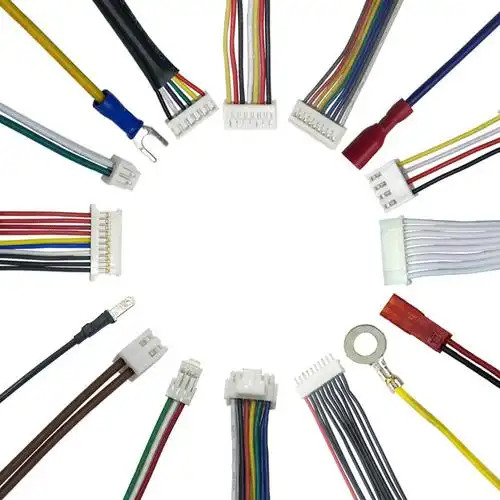
High-Reliability Aircraft Cable Assemblies for Critical Flight Systems
In the complex ecosystem of aircraft operations, critical flight systems—such as flight control, avionics, engine monitoring, and landing gear mechanisms—rely entirely on uninterrupted signal and power transmission. At the heart of this transmission lies a component often overlooked yet indispensable: the aircraft cable assembly. Unlike standard electrical cables, those designed for critical flight systems must meet rigorous standards of reliability, durability, and performance to withstand extreme operational conditions, from -65°C at high altitudes to 125°C near engine bays, along with vibration, electromagnetic interference (EMI), and mechanical stress. This article delves into the key attributes, design considerations, and quality assurance measures that define high-reliability aircraft cable assemblies, and why they are non-negotiable for safe and efficient flight.
Key Attributes of High-Reliability Aircraft Cable Assemblies
High-reliability cable assemblies for critical flight systems are distinguished by three core attributes: environmental resilience, signal integrity, and mechanical robustness.
Environmental resilience is paramount. Aircraft operate in diverse and harsh environments, including exposure to hydraulic fluids, jet fuel, ozone, and extreme temperature fluctuations. Cable assemblies must use insulation and jacketing materials—such as fluoropolymers (PTFE, FEP) or cross-linked polyethylene—that resist chemical degradation and maintain structural integrity across wide temperature ranges. For example, PTFE insulation offers a continuous operating temperature range of -200°C to 260°C, making it ideal for engine-mounted or high-heat applications.
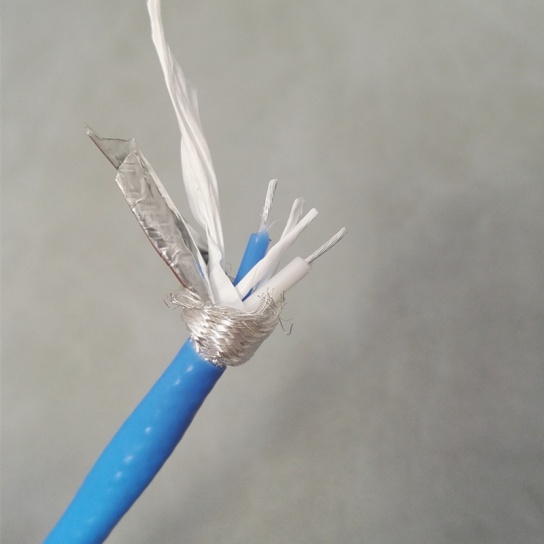
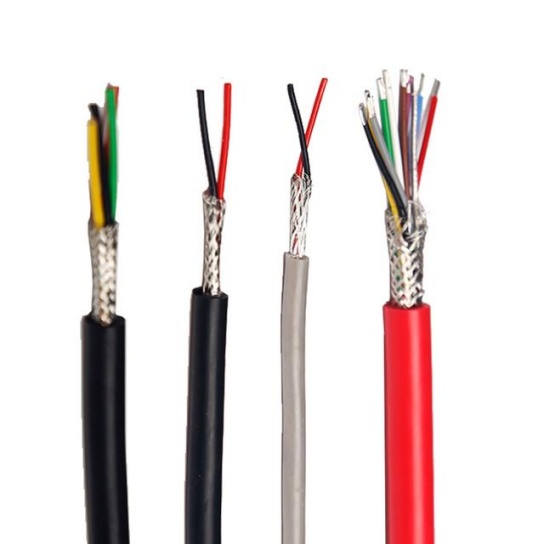
Signal integrity ensures that data and control signals are transmitted without distortion or delay. Critical systems like fly-by-wire (FBW) depend on precise signal transmission to translate pilot inputs into aircraft movements. To achieve this, cable assemblies incorporate shielding techniques (e.g., braided copper, foil shielding) to mitigate EMI from radar systems, communication equipment, and other electrical components. Twisted-pair configurations further reduce crosstalk between adjacent wires, ensuring that signals remain clear even in high-noise environments.
Mechanical robustness prevents cable failure due to vibration, flexing, or physical impact. Aircraft experience constant vibration during takeoff, flight, and landing, which can fatigue standard cables over time. High-reliability assemblies use stranded conductors (instead of solid wires) to enhance flexibility and resistance to fatigue. Additionally, strain reliefs, rugged connectors (e.g., MIL-DTL-38999 for harsh environments), and abrasion-resistant outer jackets protect the cable from damage during installation and operation.
Design and Manufacturing Considerations
Designing high-reliability aircraft cable assemblies requires adherence to strict aerospace standards, such as SAE AS3191, MIL-DTL-24643, and EN 3475-601. These standards govern everything from conductor size and insulation thickness to connector compatibility and testing protocols.
Customization is often necessary to meet the unique requirements of different critical systems. For instance, flight control cables may require smaller diameters to fit within tight airframe spaces, while engine monitoring cables need heavier shielding to withstand EMI from engine electronics. Manufacturers must work closely with aircraft OEMs to understand system-specific needs, including voltage ratings, current capacity, and bend radius constraints. Computer-aided design (CAD) tools and 3D modeling help optimize cable routing, reducing weight and minimizing the risk of interference with other aircraft components.
Manufacturing processes also play a critical role in reliability. Automated crimping machines ensure consistent, high-quality terminations—manual crimping is prone to human error, which can lead to loose connections and potential failure. Laser stripping of insulation removes only the necessary material without damaging the conductor, preserving signal integrity. Additionally, potting (encapsulating connectors in epoxy resin) provides extra protection against moisture and environmental contaminants in applications like landing gear systems, where exposure to water and debris is common.
Quality Assurance and Testing Protocols
No high-reliability cable assembly reaches the aircraft without undergoing exhaustive testing. Quality assurance begins with raw material inspection—conductors, insulation, and connectors are tested for compliance with aerospace specifications. In-process testing includes continuity checks to ensure all wires are properly connected, and insulation resistance testing to detect any breaks or weaknesses in the insulation.
Environmental testing simulates the conditions the cable will face in service. This includes thermal cycling (exposing the cable to repeated temperature extremes), humidity testing (high humidity combined with temperature), and chemical exposure testing (immersion in jet fuel, hydraulic fluid, or cleaning solvents). Mechanical testing includes vibration testing (at frequencies up to 2000 Hz), flex testing (repeated bending to simulate installation and operation), and tensile strength testing to ensure the cable can withstand pulling forces.
For critical systems, additional testing may be required, such as EMI/RFI testing to verify shielding effectiveness, and signal delay testing to ensure data transmission meets system timing requirements. Every cable assembly is also traceable, with lot numbers and test records maintained to enable full accountability in the event of a failure.
The Impact of Reliable Cable Assemblies on Flight Safety
The consequences of cable assembly failure in critical flight systems are severe—ranging from system malfunctions to catastrophic loss of aircraft. For example, a faulty cable in the engine monitoring system could delay detection of an engine anomaly, leading to in-flight shutdown. A failure in the flight control cable assembly could compromise the pilot’s ability to maneuver the aircraft. High-reliability cable assemblies are therefore not just components; they are lifelines that ensure the safe operation of every critical system.
As aircraft become more electrified and reliant on digital systems—such as next-generation avionics and electric propulsion—the demand for high-reliability cable assemblies will only grow. These assemblies must evolve to support higher data rates, higher voltages, and more compact designs, all while maintaining the same rigorous standards of reliability.
FRS: Your Trusted Partner for High-Reliability Aircraft Cable Assemblies
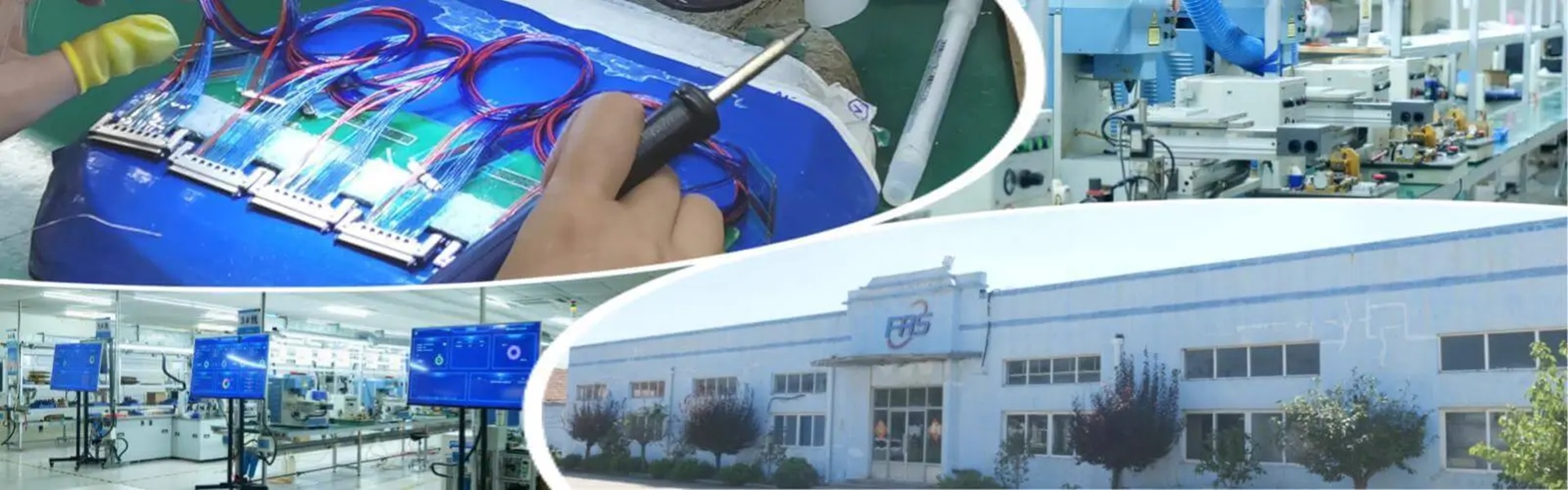
When it comes to critical flight systems, compromise is not an option. FRS is a leading manufacturer of high-reliability aircraft cable assemblies, dedicated to meeting the stringent demands of the aerospace industry. With decades of experience, FRS combines engineering expertise, state-of-the-art manufacturing facilities, and uncompromising quality control to deliver cable assemblies that exceed SAE, MIL, and EN standards.
FRS offers fully customized solutions, working closely with customers to design cable assemblies tailored to their specific system requirements—from high-temperature engine applications to compact avionics systems. Every assembly undergoes comprehensive testing, including environmental, mechanical, and signal integrity testing, to ensure flawless performance in the harshest flight conditions. With FRS, you can trust that your critical flight systems are equipped with cable assemblies that prioritize safety, reliability, and performance above all else. Choose FRS for aircraft cable assemblies that keep your operations flying high.