High-Frequency Aircraft Cable Assemblies for Communication Systems
In the complex and demanding environment of modern aviation, communication systems serve as the lifeline of safe and efficient flight operations. From air-to-ground communications to in-flight data transmission between avionic components, every piece of data relies on a robust and reliable transmission medium. Among these critical components, high-frequency aircraft cable assemblies stand out as an indispensable element, ensuring that high-speed, high-bandwidth signals are transmitted with precision, stability, and resilience even in the harshest airborne conditions. As aviation technology continues to advance—with the integration of 5G, satellite communication, and advanced avionics— the role of high-frequency aircraft cable assemblies has become more vital than ever, making them a key focus for airlines, aircraft manufacturers, and maintenance providers seeking to optimize communication system performance.
The Critical Role of High-Frequency Aircraft Cable Assemblies in Communication Systems
Aircraft communication systems operate across a wide range of frequencies, from low-frequency navigation signals to high-frequency data streams used for real-time flight monitoring, passenger connectivity, and avionic control. Unlike standard cables, high-frequency aircraft cable assemblies are specifically engineered to handle these high-frequency signals without signal degradation, interference, or loss. This is particularly crucial in aviation, where even the smallest signal disruption can lead to miscommunication, delayed data processing, or even compromised flight safety.
One of the primary functions of high-frequency aircraft cable assemblies is to maintain signal integrity. In high-frequency applications, signals are prone to issues such as attenuation (signal loss over distance), crosstalk (interference between adjacent cables), and electromagnetic interference (EMI) from other avionic components. High-frequency cable assemblies address these challenges through specialized design features, ensuring that signals reach their destination with minimal distortion. For example, in an aircraft’s flight control system, high-frequency cables transmit data from sensors to the flight control unit in real time; any signal delay or corruption could result in incorrect control inputs, highlighting the critical nature of these components.
Additionally, high-frequency aircraft cable assemblies support the increasing bandwidth requirements of modern aviation communication systems. With the rise of in-flight entertainment (IFE), live streaming, and IoT-enabled avionic devices, aircraft require cables that can handle large volumes of data at high speeds. High-frequency cable assemblies, with their ability to transmit signals at frequencies ranging from hundreds of MHz to several GHz, provide the necessary bandwidth to support these advanced applications, enhancing both passenger experience and operational efficiency.
Key Requirements for High-Frequency Aircraft Cable Assemblies
Airborne environments impose unique and stringent requirements on cable assemblies, and high-frequency variants are no exception. These cables must withstand extreme temperatures, vibration, moisture, chemical exposure, and mechanical stress—all while maintaining optimal performance. Below are the key requirements that define high-quality high-frequency aircraft cable assemblies:
1. Signal Integrity Under Extreme Conditions
High-frequency signals are highly sensitive to environmental factors. Temperature fluctuations in aircraft can range from -55°C (-67°F) at high altitudes to 125°C (257°F) near engine compartments. High-frequency cable assemblies must be constructed with materials that can maintain stable electrical properties across this temperature range. For instance, dielectric materials (the insulation between conductors) must have low and consistent dielectric constant (Dk) and dissipation factor (Df) to minimize signal loss and attenuation. Materials such as PTFE (polytetrafluoroethylene) are commonly used for their excellent thermal stability and electrical performance, ensuring that signal integrity is preserved even in extreme heat or cold.
2. EMI and RFI Shielding
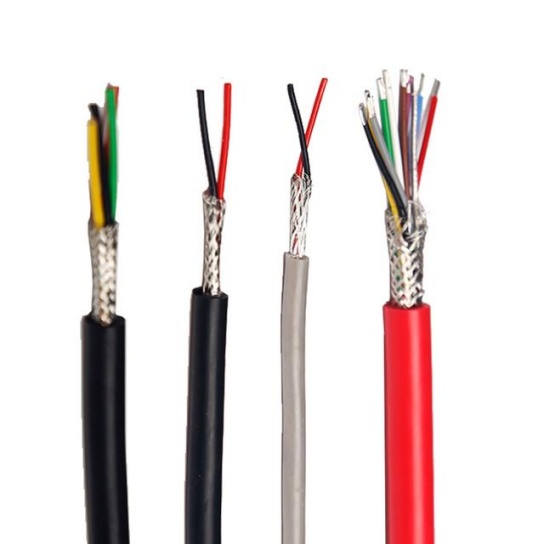
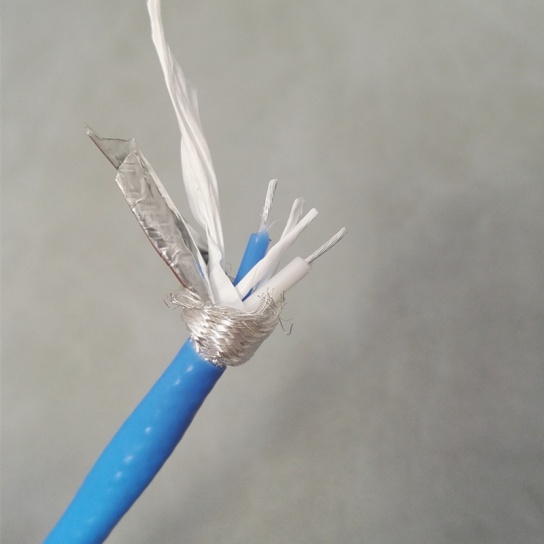
Aircraft are filled with electronic components that emit electromagnetic radiation, including radar systems, engines, and avionic computers. This electromagnetic interference (EMI) and radio-frequency interference (RFI) can disrupt high-frequency signals, leading to data errors or communication failures. High-frequency aircraft cable assemblies incorporate robust shielding to block external interference and prevent the cables themselves from emitting interference that could affect other components. Shielding options include braided shields (made of copper or aluminum), foil shields, or a combination of both. The choice of shielding depends on the level of interference in the application; for example, cables used near radar systems may require double shielding to ensure maximum protection.
3. Mechanical Durability
Aircraft experience constant vibration during flight, as well as mechanical stress during installation, maintenance, and turbulence. High-frequency cable assemblies must be mechanically durable to withstand these conditions without damage to the conductor, insulation, or shielding. This includes using flexible yet strong jacket materials (such as FEP or PEEK) that resist abrasion, tearing, and chemical exposure (from fuels, oils, and cleaning agents). Additionally, the cable’s construction—such as stranded conductors instead of solid conductors—enhances flexibility and resistance to fatigue from repeated bending or vibration.
4. Compliance with Aviation Standards
Aviation is a highly regulated industry, and all components—including high-frequency cable assemblies—must comply with strict standards to ensure safety and reliability. Key standards include those set by the Federal Aviation Administration (FAA), European Union Aviation Safety Agency (EASA), and SAE International (e.g., SAE AS22759 for aerospace cables). Compliance with these standards ensures that the cables meet requirements for flame resistance, smoke emission, toxicity, and electrical performance. For example, flame-resistant cables are critical in aircraft, as they must prevent the spread of fire and release minimal smoke and toxic fumes in the event of a fire, protecting passengers and crew.
Technical Features of High-Performance High-Frequency Aircraft Cable Assemblies
To meet the demanding requirements of aviation communication systems, high-frequency aircraft cable assemblies incorporate advanced technical features that set them apart from standard industrial cables. These features are designed to optimize signal transmission, enhance durability, and ensure compatibility with modern avionic systems.
Impedance Control
Impedance is a critical electrical property that measures the opposition to the flow of alternating current (AC) in a cable. For high-frequency signals, maintaining a consistent impedance (typically 50 ohms or 75 ohms for aviation applications) is essential to prevent signal reflection, which can cause distortion and loss. High-frequency aircraft cable assemblies are precision-manufactured with controlled conductor sizes, dielectric thickness, and shielding to ensure uniform impedance along the entire length of the cable. This impedance matching between the cable and the connected components (such as antennas, transceivers, and sensors) maximizes signal transfer efficiency and minimizes reflections.
Low Signal Attenuation
Attenuation refers to the loss of signal strength as it travels through the cable. For high-frequency signals, attenuation increases with frequency, making it a major concern for long cable runs in aircraft. High-frequency cable assemblies address this by using low-loss dielectric materials (such as PTFE or foam dielectric) and high-conductivity conductors (such as silver-plated copper or tinned copper). These materials reduce the resistance and dielectric losses that contribute to attenuation, ensuring that signals remain strong even over longer distances. For example, in a large commercial aircraft, cables running from the cockpit to the tail section must maintain low attenuation to ensure reliable communication between the flight crew and rear-mounted avionic components.
Customizable Configurations
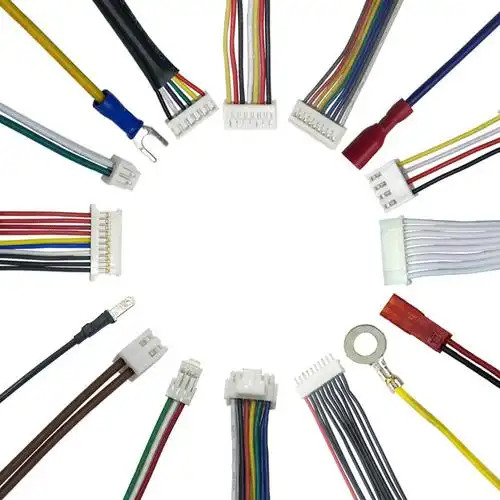
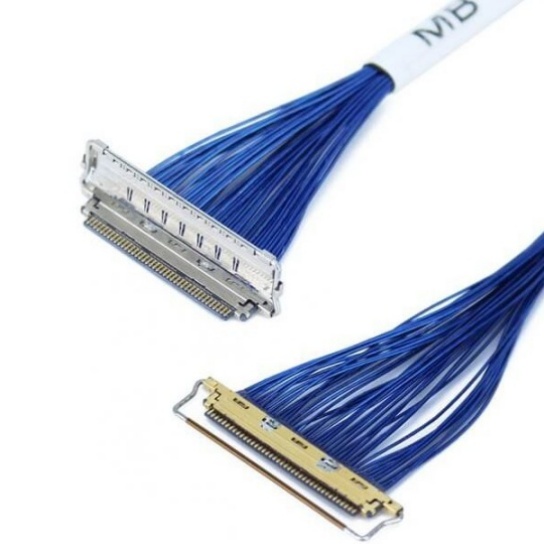
Every aircraft and communication system has unique requirements, and high-frequency cable assemblies must be customizable to fit specific applications. This includes options for cable length, connector types, shielding configurations, and jacket materials. Common connectors used in aviation high-frequency applications include SMA (SubMiniature version A), BNC (Bayonet Neill-Concelman), and TNC (Threaded Neill-Concelman) connectors, which are designed for high-frequency performance and secure mating. Customization also extends to the cable’s stranding (for flexibility) and jacket color (for easy identification in complex wiring harnesses). By offering customizable configurations, manufacturers can ensure that high-frequency cable assemblies integrate seamlessly with existing avionic systems, reducing installation time and improving reliability.
Applications of High-Frequency Aircraft Cable Assemblies in Communication Systems
High-frequency aircraft cable assemblies are used in a wide range of communication and avionic systems across commercial, military, and general aviation. Below are some of the key applications where these components play a critical role:
1. Air-to-Ground (A/G) Communication
Air-to-ground communication allows pilots to communicate with air traffic control (ATC) towers, providing essential information such as flight plans, altitude, and weather conditions. High-frequency cable assemblies transmit the radio frequency (RF) signals between the aircraft’s transceiver and antenna, ensuring clear and reliable communication even at high altitudes. In this application, low signal attenuation and EMI shielding are particularly important, as ATC signals must be received and transmitted without interference from other aircraft or ground-based sources.
2. Satellite Communication (SatCom)
Satellite communication systems enable aircraft to maintain connectivity over remote areas where ground-based ATC coverage is limited. These systems rely on high-frequency cable assemblies to transmit signals between the satellite antenna and the onboard SatCom unit. With the adoption of high-throughput satellites (HTS) and 5G-enabled SatCom, the demand for high-bandwidth, low-loss cables has increased, as these systems require the transmission of large volumes of data (such as in-flight internet and real-time aircraft monitoring) at high speeds.
3. Avionic Data Networks
Modern aircraft are equipped with complex avionic data networks that connect various components, including the flight control system, navigation system, and engine monitoring system. These networks use high-frequency cable assemblies to transmit high-speed data between sensors, processors, and displays. For example, the ARINC 664 (Ethernet) standard, which is widely used in commercial aircraft, requires cables that can handle data rates of up to 1 Gbps or higher. High-frequency cable assemblies with controlled impedance and low crosstalk are essential to ensure that data is transmitted accurately and in real time, supporting critical flight operations.
4. In-Flight Entertainment (IFE) and Passenger Connectivity
In-flight entertainment systems, such as seatback screens and wireless internet, rely on high-frequency cable assemblies to distribute content and connectivity throughout the aircraft. These systems require cables that can handle high-bandwidth signals, such as 4K video streaming and high-speed internet, without signal degradation. High-frequency cables also support the wireless access points (WAPs) used for in-flight Wi-Fi, ensuring that passengers have a seamless connectivity experience even during long-haul flights.
Why Choose FRS for High-Frequency Aircraft Cable Assemblies?
When it comes to high-frequency aircraft cable assemblies, choosing a reliable and experienced manufacturer is essential to ensure the safety and performance of your communication systems. FRS is a leading brand in the aerospace cable assembly industry, with a proven track record of delivering high-quality, compliant, and innovative solutions tailored to the unique needs of aviation customers.
At FRS, we prioritize technical excellence and compliance with the strictest aviation standards. All our high-frequency aircraft cable assemblies are designed and manufactured to meet FAA, EASA, and SAE requirements, including flame resistance (SAE AS22759), smoke and toxicity (FAR 25.853), and electrical performance. Our engineering team uses advanced materials—such as PTFE dielectrics, silver-plated copper conductors, and double-shielding configurations—to ensure that our cables deliver superior signal integrity, low attenuation, and maximum EMI protection, even in the harshest airborne environments.
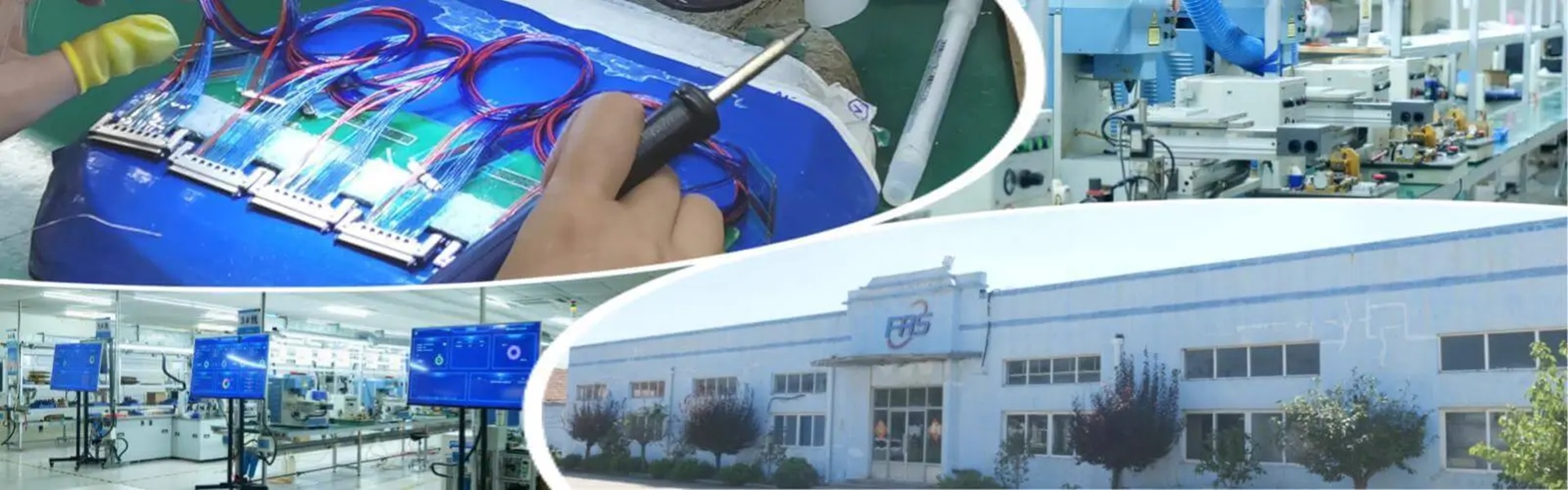
We understand that every aviation application is unique, which is why we offer fully customizable high-frequency cable assemblies. From custom lengths and connector types to specialized shielding and jacket materials, our team works closely with customers to design solutions that integrate seamlessly with their existing systems, reducing installation time and improving reliability. Our state-of-the-art manufacturing facilities are equipped with precision machinery and rigorous quality control processes, ensuring that every cable assembly meets our exacting standards for performance and durability.
With years of experience serving commercial airlines, military aircraft manufacturers, and avionic maintenance providers, FRS has built a reputation for delivering on-time, cost-effective, and high-performance high-frequency aircraft cable assemblies. We are committed to supporting the advancement of aviation communication systems by continuously innovating our products, staying ahead of emerging technologies such as 5G and next-generation SatCom.
For your high-frequency aircraft cable assembly needs, trust FRS to provide the reliability, performance, and compliance that your communication systems demand. Contact us today to learn more about our products and how we can tailor a solution to meet your specific requirements.