High-Current Aircraft Cable Assemblies for Power-Intensive Applications
In the rapidly evolving landscape of aviation, power-intensive applications have become a cornerstone of modern aircraft design. From large commercial airliners to advanced military jets and emerging electric aviation platforms, the demand for reliable, high-performance power transmission has never been greater. At the heart of this power delivery ecosystem lies a critical component: high-current aircraft cable assemblies. These specialized assemblies are engineered to handle the substantial electrical loads required by power-intensive systems, ensuring seamless operation, enhanced safety, and optimal performance even in the harshest aerospace environments. For businesses and engineers seeking solutions that meet the rigorous demands of aviation power systems, understanding the nuances of high-current aircraft cable assemblies is essential to making informed decisions and maintaining a competitive edge.
The Critical Role of High-Current Aircraft Cable Assemblies in Power-Intensive Aviation
Power-intensive applications in aviation encompass a wide range of systems, each with unique electrical requirements. These include engine starters, hydraulic power units (HPUs), environmental control systems (ECS), electric landing gear, and advanced avionics suites, to name just a few. Unlike standard electrical components, these systems draw significant current—often in the hundreds of amps—for extended periods, placing immense stress on the cables and connectors that transmit power. High-current aircraft cable assemblies are specifically designed to mitigate the challenges associated with this heavy load, addressing issues such as heat dissipation, voltage drop, and mechanical durability that could otherwise lead to system failures, downtime, or safety risks.
One of the primary concerns in high-current power transmission is thermal management. When electrical current flows through a conductor, resistance generates heat. In high-current scenarios, this heat can quickly accumulate, potentially melting insulation, damaging connectors, or degrading the overall performance of the cable assembly. High-current aircraft cable assemblies are engineered with materials and designs that prioritize heat dissipation, ensuring that operating temperatures remain within safe limits even under peak load conditions. This not only protects the cable assembly itself but also safeguards adjacent components in the aircraft’s crowded electrical bay, preventing cascading failures.
Voltage drop is another critical factor that high-current aircraft cable assemblies must address. As current travels through a cable, resistance causes a reduction in voltage at the load end. For power-intensive systems, even a small voltage drop can compromise performance—for example, leading to slower engine cranking, inefficient HPU operation, or unreliable avionics. High-current cable assemblies minimize voltage drop through the use of low-resistance conductors and optimized conductor cross-sections, ensuring that the intended voltage reaches the system exactly when and where it is needed.
Key Characteristics of High-Quality High-Current Aircraft Cable Assemblies
Not all high-current aircraft cable assemblies are created equal. To meet the stringent requirements of aviation applications, top-tier assemblies incorporate a range of specialized features and materials. Understanding these key characteristics is vital for identifying solutions that deliver long-term reliability and performance.
1. Conductor Material and Design
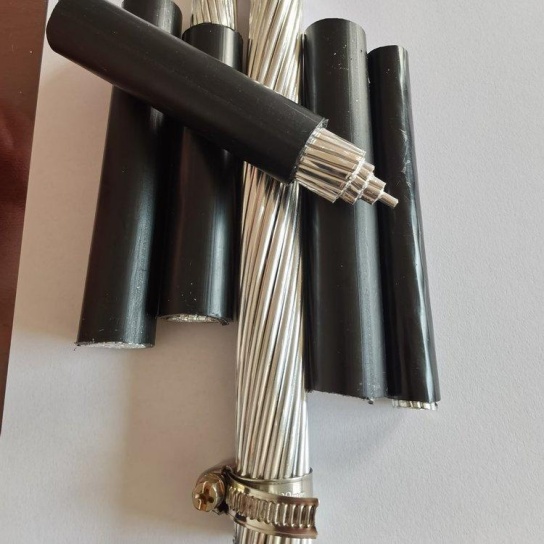
The conductor is the backbone of any cable assembly, and for high-current applications, material selection is paramount. Copper is the most common conductor material due to its excellent electrical conductivity and ductility. However, in weight-sensitive aviation applications, copper-clad aluminum (CCA) or pure aluminum conductors may be used, offering a balance between conductivity and lightweight performance. High-current assemblies often feature stranded conductors rather than solid ones, as stranded designs provide greater flexibility, making them easier to route through the tight spaces of an aircraft. Additionally, stranded conductors are more resistant to fatigue from vibration—a common stressor in aviation environments.
2. Insulation and Jacketing Materials
Insulation and jacketing materials play a dual role: protecting the conductor from electrical shorts and shielding it from environmental hazards. For high-current aircraft cable assemblies, these materials must withstand extreme temperatures (ranging from -65°C to 200°C or higher), exposure to fuels, oils, chemicals, and moisture, as well as mechanical abrasion. Common insulation materials include cross-linked polyethylene (XLPE), ethylene propylene diene monomer (EPDM), and polytetrafluoroethylene (PTFE). XLPE offers excellent thermal stability and chemical resistance, while EPDM excels in low-temperature flexibility. PTFE, though more expensive, provides superior heat resistance and is ideal for the most demanding high-temperature applications. The outer jacket, often made of materials like polyurethane (PU) or nylon, adds an extra layer of protection against physical damage and environmental contaminants.
3. Shielding效能
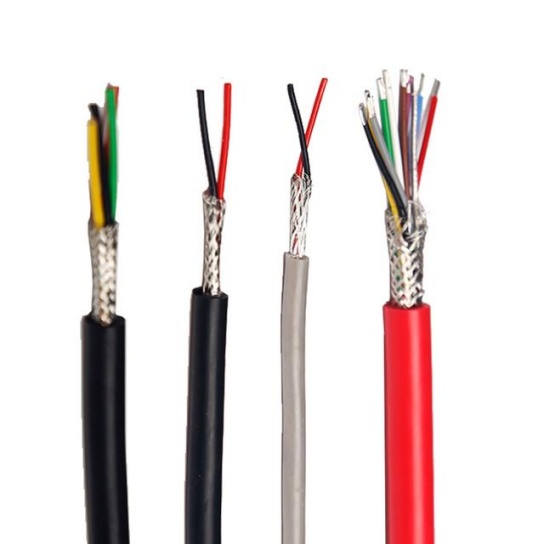
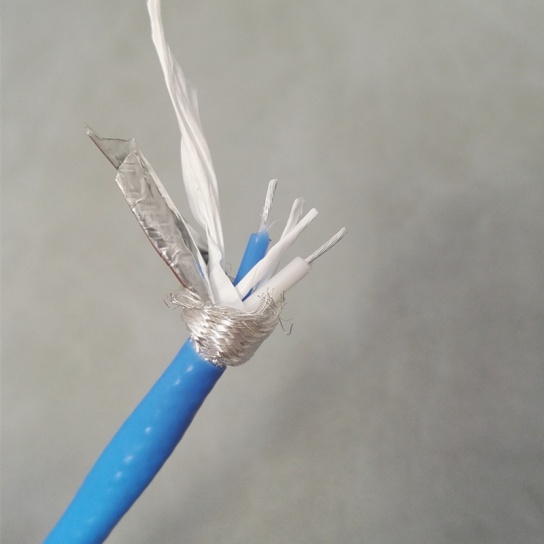
Aviation systems are highly sensitive to electromagnetic interference (EMI) and radio frequency interference (RFI), which can disrupt the operation of avionics, communication systems, and other critical electronics. High-current aircraft cable assemblies generate significant electromagnetic fields due to their high current flow, making effective shielding essential to prevent EMI/RFI from affecting nearby components. Shielding options include braided shields (typically made of tinned copper or aluminum), foil shields, or a combination of both. Braided shields offer excellent flexibility and mechanical strength, while foil shields provide complete coverage against high-frequency interference. The choice of shielding depends on the specific interference environment of the application, ensuring that the cable assembly does not act as a source of EMI and remains immune to external interference.
4. Mechanical Strength and Durability
Aircraft operate in dynamic environments characterized by vibration, shock, and constant movement. High-current cable assemblies must be mechanically robust to withstand these conditions without degradation. This includes reinforced connectors, strain relief features, and ruggedized jacketing. Connectors are particularly critical, as they are often the weakest point in a cable assembly. High-quality connectors for high-current applications are designed with large contact areas to minimize resistance and heat, and they feature secure locking mechanisms to prevent accidental disconnection during flight. Strain relief boots or clamps distribute stress at the connector-cable interface, preventing the cable from pulling loose or becoming damaged due to repeated bending.
5. Customization Capabilities
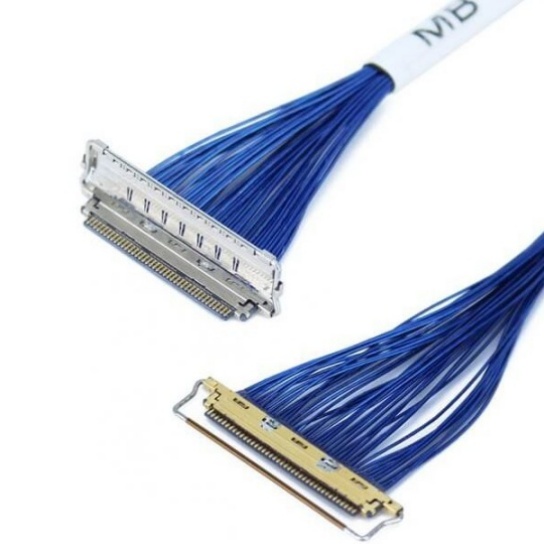
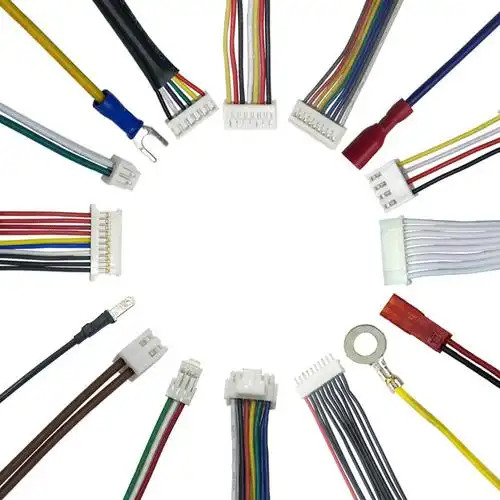
Every aviation application has unique requirements, from cable length and connector type to environmental exposure and space constraints. High-quality high-current aircraft cable assembly manufacturers offer extensive customization capabilities to meet these specific needs. This includes custom conductor sizes, insulation/jacketing materials, shielding configurations, and connector options (such as MIL-DTL-38999, MIL-DTL-26482, or SAE AS39029 connectors). Customization ensures that the cable assembly fits seamlessly into the aircraft’s design, optimizing performance and reducing the risk of compatibility issues.
Applications of High-Current Aircraft Cable Assemblies Across Aviation Sectors
High-current aircraft cable assemblies are utilized across a wide range of aviation sectors, each with distinct power requirements and operating conditions. Below are some of the key applications where these assemblies play a vital role:
Commercial Aviation
Large commercial airliners, such as the Boeing 787 Dreamliner or Airbus A350, rely on power-intensive systems to support their advanced features. Engine starters, which require high current to crank the aircraft’s turbines, depend on robust cable assemblies to deliver the necessary power quickly and reliably. Environmental control systems, which maintain cabin temperature and pressure, also draw significant current, especially during takeoff and landing. Additionally, modern commercial aircraft feature electric braking systems and in-flight entertainment (IFE) suites with high-power demands, all of which are supported by high-current cable assemblies.
Military Aviation
Military jets, transport aircraft, and helicopters operate in some of the harshest environments, from extreme temperatures to combat zones with exposure to debris and chemical agents. High-current cable assemblies in military aviation are used in systems such as weapons systems, radar arrays, electronic warfare (EW) suites, and auxiliary power units (APUs). These assemblies must meet strict military specifications (such as MIL-SPEC) to ensure reliability in mission-critical scenarios, where failure is not an option.
General Aviation
General aviation aircraft, including private planes and公务机, are increasingly incorporating power-intensive systems to enhance comfort and performance. Electric landing gear, high-power avionics, and climate control systems all require high-current cable assemblies. In this sector, weight reduction is often a key consideration, making lightweight conductor materials and compact designs a priority.
Electric and Hybrid-Electric Aviation
The emerging field of electric and hybrid-electric aviation represents one of the fastest-growing markets for high-current aircraft cable assemblies. Electric aircraft (e-planes) and hybrid-electric propulsion systems rely entirely on electrical power for thrust, requiring cable assemblies that can handle currents in the thousands of amps. These assemblies must be lightweight, efficient, and capable of withstanding the unique thermal and mechanical stresses of electric propulsion. As the aviation industry moves toward sustainability, high-current cable assemblies will play an even more critical role in enabling the transition to clean energy.
Manufacturing and Quality Control Standards for High-Current Aircraft Cable Assemblies
Aviation is one of the most regulated industries in the world, and high-current aircraft cable assemblies must adhere to strict international standards to ensure safety and performance. Key standards include those set by the Society of Automotive Engineers (SAE), the International Organization for Standardization (ISO), and the European Aviation Safety Agency (EASA). For example, SAE AS50881 specifies requirements for aerospace cables, while ISO 19642 covers aircraft electrical wire harnesses and cable assemblies.
Quality control is a cornerstone of manufacturing high-current aircraft cable assemblies. Reputable manufacturers implement rigorous testing procedures throughout the production process, from raw material inspection to final assembly testing. Raw materials, such as conductors and insulation, are tested for conductivity, thermal stability, and chemical resistance. During assembly, cables are inspected for proper crimping, shielding coverage, and insulation integrity. Final testing includes electrical tests (such as continuity, insulation resistance, and voltage withstand), mechanical tests (such as flex and vibration resistance), and environmental tests (such as temperature cycling and humidity exposure). These tests ensure that each cable assembly meets or exceeds the required specifications and is capable of performing reliably in real-world aviation conditions.
Why FRS is Your Trusted Partner for High-Current Aircraft Cable Assemblies
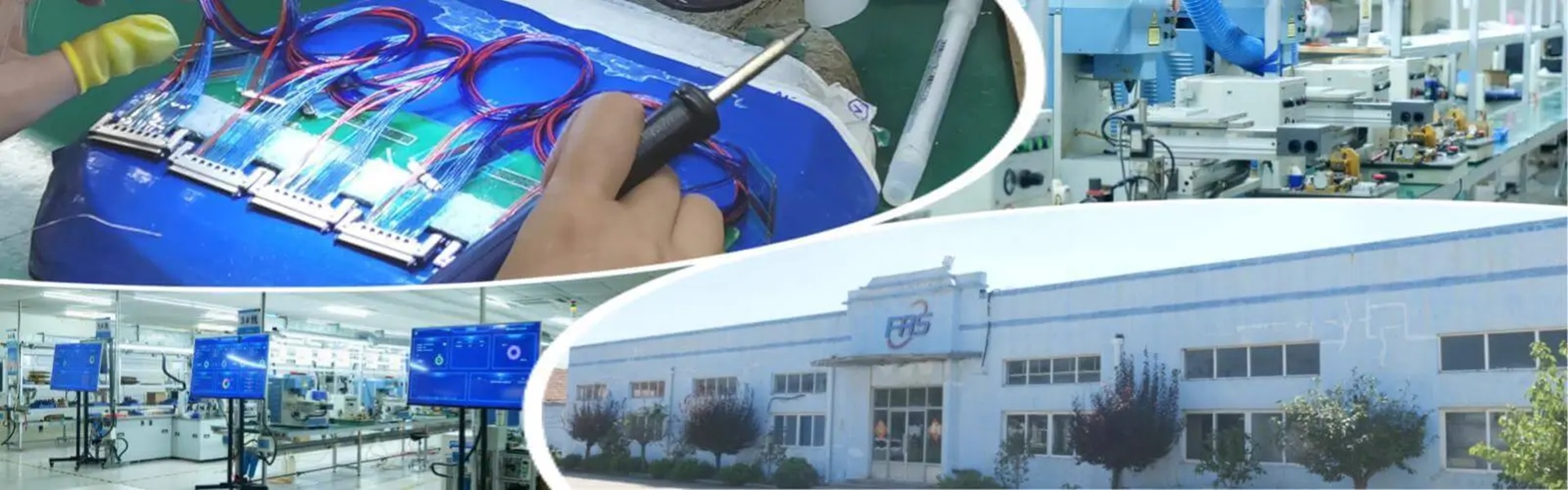
When it comes to high-current aircraft cable assemblies for power-intensive applications, FRS stands out as a leading manufacturer with a proven track record of excellence. For decades, FRS has been at the forefront of aerospace cable assembly innovation, delivering solutions that meet the most demanding requirements of commercial, military, and emerging electric aviation sectors.
At FRS, we understand that every aviation application is unique. That’s why we offer fully customizable high-current cable assemblies, tailored to your specific conductor size, insulation material, shielding configuration, and connector needs. Our team of experienced engineers works closely with clients to design solutions that optimize performance, reduce weight, and ensure seamless integration into your aircraft’s systems. We use only the highest-quality materials, including high-conductivity copper, heat-resistant PTFE, and ruggedized connectors, to ensure that our cable assemblies withstand extreme temperatures, vibration, and environmental hazards.
Quality is ingrained in every aspect of our manufacturing process. FRS is certified to ISO 9001 and AS9100, the highest quality standards for aerospace and defense. Our state-of-the-art testing facilities conduct rigorous electrical, mechanical, and environmental tests to ensure that every cable assembly leaving our factory meets or exceeds SAE, ISO, and MIL-SPEC requirements. We also implement strict traceability protocols, allowing you to track every component of your cable assembly from raw material to final delivery.
Whether you’re developing a next-generation commercial airliner, a cutting-edge military jet, or a revolutionary electric aircraft, FRS has the expertise and capabilities to deliver high-current aircraft cable assemblies that power your success. Our commitment to innovation, quality, and customer satisfaction makes us the ideal partner for all your power-intensive aviation needs. Choose FRS, and experience the difference that a trusted, experienced manufacturer can make for your aircraft’s performance and reliability.