Global UAV Market Growth Drives Demand for High-Shielding Aviation Signal Cables
The global UAV market is expanding rapidly, creating a surge in demand for high-performance UAV aviation signal cables. These cables are critical for flight control, data links, and payload systems, ensuring reliable operation in harsh environments.
🚀 Market Expansion and Cable Demand
The UAV sector is experiencing significant growth, with military expenditure on drones projected to exceed $14 billion annually by 2026. Control cables account for 8–12% of subsystem costs in military UAVs, highlighting their importance.
This growth is mirrored in the broader aerospace and defense cable market, which is projected to reach $6.5 billion by 2025, growing at a CAGR of 8.5% from 2025 to 2033. Communication systems, a key segment, are a major driver, with UAVs being a significant contributor.
🔌 The Critical Role of UAV Aviation Signal Cables
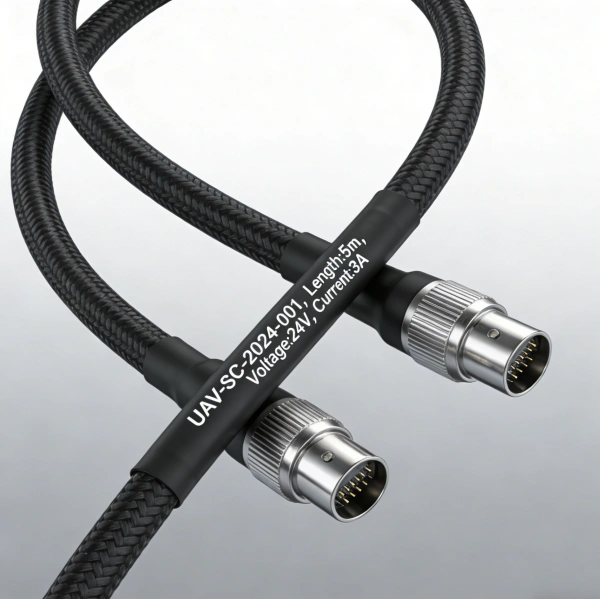
UAV aviation signal cablesare the data and control backbone of an unmanned aircraft, connecting essential systems like the flight controller, GNSS, cameras, and radios.
Flight Control:Links the autopilot to ESCs, servos, and sensors. Signal integrity is paramount, as failures can lead to loss of control.
Data Links:Connects telemetry, video, and command uplinks. These RF/microwave coaxial or high-speed digital links must maintain signal integrity over long distances and in high-interference environments.
Payload Interconnects:Carries high-bandwidth sensor data (e.g., 4K/8K video, LiDAR) from gimbals and sensors to onboard processors and downlink systems.
⚙️ Key Performance Requirements
Designing cables for UAVs involves meeting stringent demands for weight, size, and performance.
Lightweight & Compact:Every gram saved enhances flight endurance and payload. This is achieved using high-performance alloys, advanced polymers, and miniaturized constructions like micro-coax and fine-pitch differential pairs.
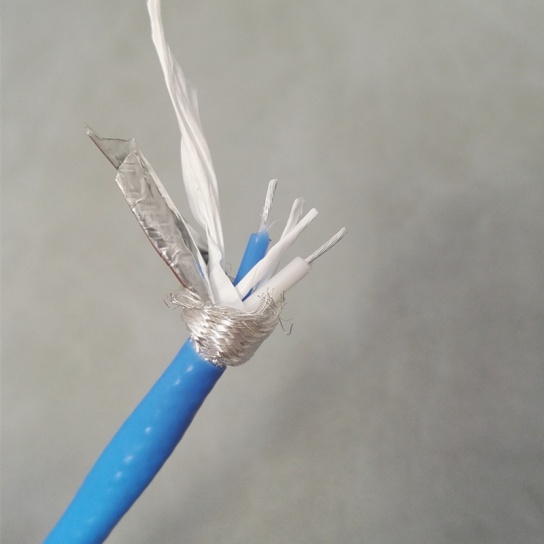
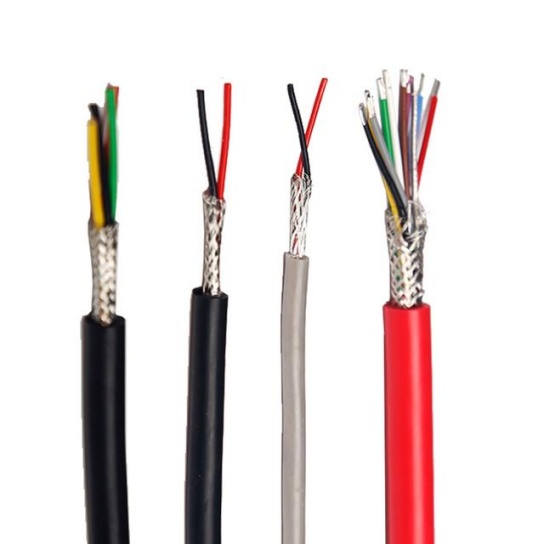
High Shielding & EMI Resistance:UAVs operate in environments saturated with electromagnetic noise. Effective shielding (braided, foil, or hybrid) is essential to prevent signal degradation and ensure data integrity for critical systems like GNSS and flight control.
High-Speed Data Support:Modern UAVs require cables that support protocols like Gigabit Ethernet, USB 3.1, HDMI, and LVDS for high-bandwidth data transfer. Bend-insensitive single-mode fibers (e.g., G657A2) are increasingly used for long-distance, high-bandwidth links.
Environmental Durability:Cables must withstand extreme temperatures, vibration, moisture, and chemicals. Materials like PTFE, ETFE, and polyimide are chosen for their stability, while robust jacketing protects against abrasion and UV radiation.
🛠️ Common Cable Types and Architectures
Different UAV applications require specific cable solutions.
RF Coaxial Cables:Used for video links, telemetry, and antenna feeds. They must balance low loss, phase stability, and flexibility.
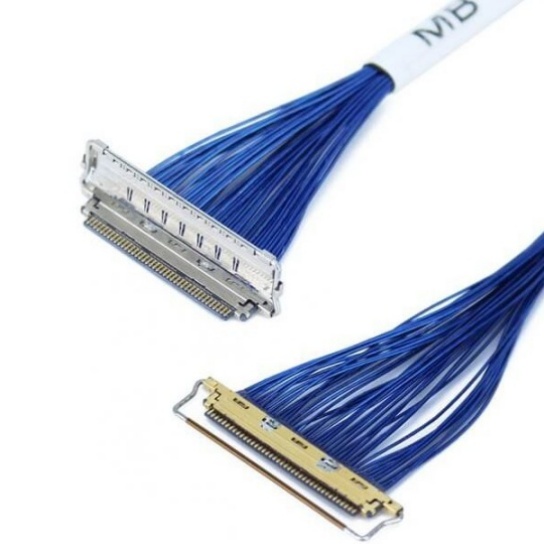
High-Speed Differential Cables:Employed for data buses (LVDS, Ethernet) and sensor links. They feature precise impedance control and excellent EMI rejection.
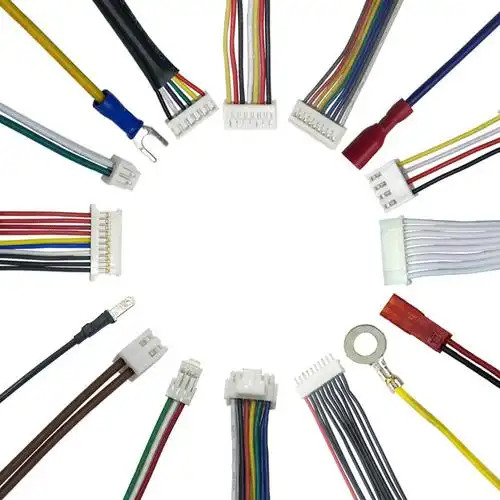
Multi-Conductor Control Cables:Bundle power and control wires for actuators and sensors. They require careful shielding to prevent crosstalk.
Fiber Optic Cables:Used in high-end UAVs for high-bandwidth, low-latency data and control. Bend-insensitive fibers like G657A2 are ideal for tight spaces.
Hybrid & Specialized Cables:Solutions like photoelectric hybrid tethered cables combine power and fiber in a single, lightweight cable for extended flight endurance.
🎯 Sector-Specific Demands
Different UAV sectors prioritize different cable characteristics.
Military & Defense:Demand the highest reliability for missions in EMI-heavy, contested environments. Cables must meet stringent standards (MIL-DTL, MIL-STD) for fire safety, smoke density, and fluid resistance.
Commercial & Industrial:While cost-sensitive, they require high reliability for BVLOS operations. Key concerns include weight, EMI, and compliance with aviation standards (e.g., DO-160) for certification.
📋 UAV Aviation Signal Cable Selection Guide
Selecting the right cable involves a systematic approach:
Define the Application:Identify the function (e.g., RF video, high-speed data) and operating environment (altitude, temperature, EMI).
Match Electrical Specs:Ensure the cable meets the required frequency, data rate, impedance, and shielding effectiveness.
Prioritize Mechanical Fit:Choose a cable with the right diameter, bend radius, and flexibility for the UAV’s design and assembly.
Verify Environmental Ratings:Confirm the cable can withstand the UAV’s operational conditions, including temperature, vibration, and moisture.
Plan for Manufacturing & Integration:Ensure the cable is compatible with automated assembly and allows for efficient, reliable routing and strain relief.
🔮 Future Trends
The future of UAV aviation signal cablesis shaped by several key trends:
Material Innovation:New polymers and composites will further reduce weight and improve performance.
Integration & Smart Cables:Cables may integrate sensing capabilities for real-time health monitoring.
Miniaturization:Driven by the demand for more data in smaller UAVs, micro-coax and fine-pitch differential pairs will evolve.
Standardization & Certification:Global standards will become increasingly important for interoperability and market access.
From commercial airliners to military drones, aviation cables are the unsung heroes ensuring reliable power, data, and signal transmission in the skies. These specialized cables are engineered to withstand extreme conditions—think turbule.
Designed to meet the rigorous demands of modern aviation and defense systems, Lightweight MIL-SPEC Aviation Wiring Cables represent the pinnacle of reliability, durability, and performance. Engineered to comply with stringent military sp.
Premium Aviation Cables for Aircraft Systems: Elevating Safety and Performance
In the demanding world of aviation, reliability and precision are non-negotiable. Premium Aviation Cables for Aircraft Systems are engineered to meet the r.
When it comes to aviation safety and performance, every component must meet the highest standards—especially electrical systems. High-Temp Resistant Aviation Electrical Cables are engineered to deliver unparalleled durability and reliabi.
Product Overview: aviation cable
Machine vision cables are specialized components designed to ensure high-speed, stable data transmission and signal integrity in automated imaging systems. Key features include:
Technical Specifica.