Ensuring Reliability in Aviation Maintenance: The Critical Role of High-Quality Aviation Cables
1. Introduction to Aviation Cables in Maintenance Systems
In the intricate world of aviation, where safety and precision are non-negotiable, every component plays a pivotal role in ensuring aircraft reliability. Aviation cables, often overlooked but indispensable, are the lifelines of maintenance systems, facilitating seamless communication, power distribution, and data transfer across complex aircraft architectures. This article delves into the essential role of aviation cables in maintenance systems, exploring their key features, applications, and the benefits of investing in high-quality solutions. By understanding their criticality, aviation professionals can make informed decisions to enhance maintenance efficiency and aircraft safety.
2. The Vital Role of Aviation Cables in Maintenance Systems
2.1. Powering Aircraft Maintenance Operations
Aviation cables serve as the primary conduit for electrical power in maintenance systems, ensuring a stable supply to critical equipment such as diagnostic tools, ground support machinery, and onboard avionics during inspections. These cables are designed to withstand high voltage and current loads, minimizing energy loss and overheating risks. For example, in ground maintenance, heavy-duty cables power hydraulic pumps and engine test stands, while in-flight, they support the continuous operation of maintenance-related systems like the Onboard Maintenance System (OMS), which monitors aircraft health in real time.
2.2. Data Transmission for Diagnostic Precision
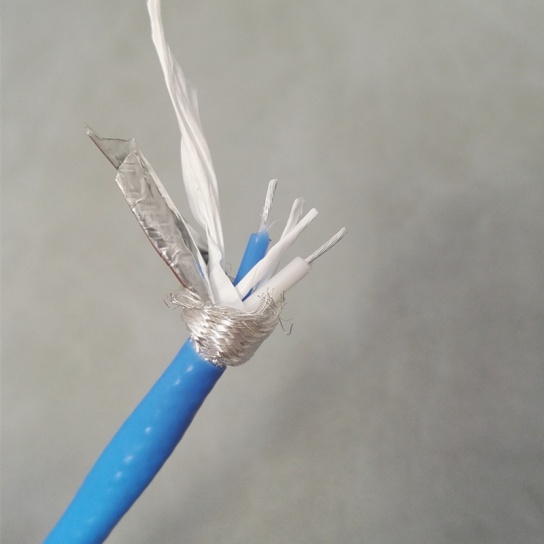
In modern aviation, maintenance systems rely on vast amounts of data to identify faults and optimize performance. Aviation cables enable the secure and high-speed transfer of data from sensors, avionics, and maintenance modules to ground control systems. High-quality cables with advanced shielding technologies prevent electromagnetic interference (EMI), ensuring accurate data transmission for diagnostics, such as engine performance analysis or structural health monitoring. This precision is critical for predictive maintenance, allowing teams to address issues proactively and reduce downtime.
2.3. Integration with Onboard Maintenance Systems (OMS)
The OMS, a cornerstone of modern aircraft maintenance, depends on robust aviation cables to integrate data from various subsystems, including engines, landing gear, and avionics. These cables connect OMS components to display units and diagnostic software, enabling technicians to access real-time maintenance alerts and historical data. For instance, cables in OMS networks must maintain signal integrity under extreme conditions, such as rapid temperature changes or high-vibration environments, to ensure reliable fault detection and system calibration.
3. Key Features of Aviation Cables for Maintenance Systems
3.1. Extreme Environmental Resistance
Aviation cables must endure harsh conditions typical of aircraft operations, including temperatures ranging from -55°C to +260°C, exposure to fuels, lubricants, and hydraulic fluids, and prolonged vibration. Specialized materials like teflon, silicone, or polyimide insulation protect cables from chemical corrosion and thermal degradation, ensuring longevity and consistent performance. For example, cables used in engine bays must withstand high heat and oil exposure, while those in external areas require resistance to UV radiation and moisture.
3.2. Compliance with International Standards
Adherence to strict industry standards is non-negotiable for aviation cables. Organizations like the Federal Aviation Administration (FAA), European Union Aviation Safety Agency (EASA), and International Civil Aviation Organization (ICAO) define requirements for cable performance, including flammability, smoke emission, and mechanical strength. Cables must pass tests for flame resistance (e.g., FAR 25.853 for aircraft interiors) and demonstrate low toxicity in case of fire, ensuring compliance with safety regulations and facilitating global airworthiness certification.
3.3. Design for Durability and Ease of Maintenance
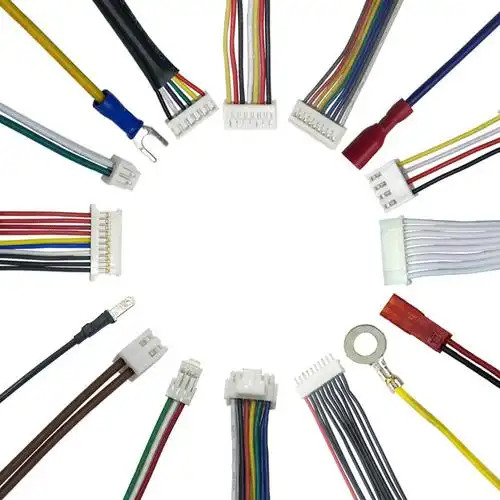
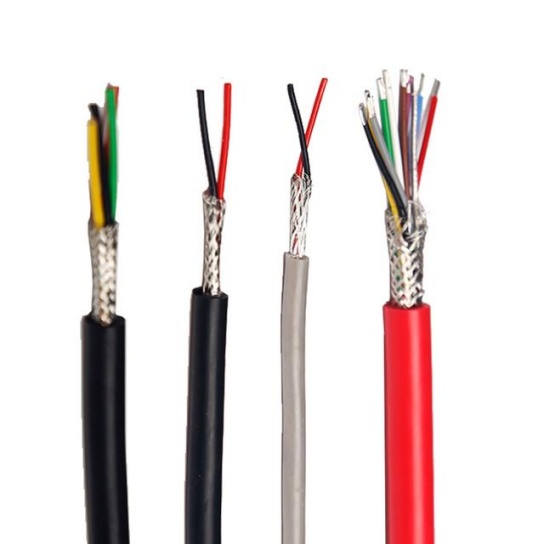
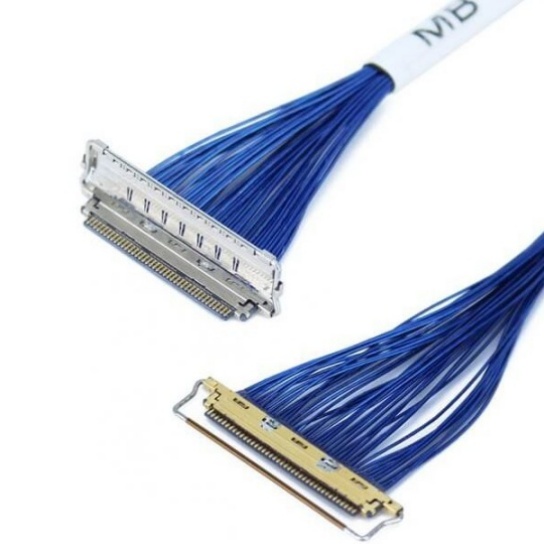
Modern aviation cables feature lightweight yet robust constructions, such as braided shields for mechanical protection and flexible conductors for ease of installation in tight spaces. Modular designs with standardized connectors reduce installation time during maintenance, while color-coded insulation and clear labeling enhance troubleshooting efficiency. Additionally, cables with self-healing insulation or redundant conductor layers provide a safety margin against wear and tear, minimizing the risk of sudden failures during critical operations.
4. Advantages of High-Quality Aviation Cables in Maintenance
4.1. Enhanced Safety and Risk Mitigation
Investing in premium aviation cables directly improves aircraft safety by reducing the likelihood of electrical faults, which can lead to system failures, fires, or communication breakdowns. Reliable cables minimize the risk of arc faults or short circuits, particularly in high-voltage systems, while their resistance to environmental factors ensures consistent performance across all flight phases. For maintenance teams, this translates to fewer unplanned inspections and a lower probability of safety incidents linked to cable degradation.
4.2. Operational Efficiency and Cost Savings
High-quality cables reduce downtime by enduring longer service life and requiring less frequent replacement. Their superior conductivity and signal integrity also enhance the efficiency of maintenance tools and diagnostic equipment, enabling faster fault detection and repair. While initial costs may be higher, the total cost of ownership is lower due to reduced maintenance labor, fewer replacement parts, and minimized aircraft grounding time. For airlines and MRO (Maintenance, Repair, and Overhaul) providers, this efficiency directly impacts operational budgets and service reliability.
4.3. Support for Advanced Aviation Technologies
As aviation evolves toward smarter, more connected systems—such as IoT-enabled maintenance platforms and electric propulsion—cables must keep pace with technological advancements. High-bandwidth cables capable of supporting data-intensive applications like real-time analytics and remote diagnostics are essential for integrating cutting-edge maintenance solutions. By choosing future-proof cables, aviation stakeholders ensure compatibility with emerging technologies, avoiding obsolescence and enabling seamless system upgrades.
5. How to Choose the Right Aviation Cables for Maintenance Systems
5.1. Assess Environmental and Operational Requirements
Begin by identifying the specific conditions cables will endure, such as temperature ranges, exposure to fluids, and vibration levels. For example, cables in 湿热 environments require moisture-resistant insulation, while those in high-power systems need thick conductors to handle current loads. Consulting with manufacturers to customize cables for unique operational challenges can optimize performance and longevity.
5.2. Verify Regulatory Compliance and Certifications
Always prioritize cables with clear certifications from aviation authorities, ensuring they meet or exceed safety and performance standards. Request documentation for flame resistance, chemical compatibility, and mechanical tests, and confirm compliance with regional regulations (e.g., FAA in the U.S., EASA in Europe). Non-compliant cables may compromise airworthiness and lead to costly regulatory penalties.
5.3. Partner with Reputable Manufacturers
Choosing a trusted manufacturer is crucial for accessing high-quality cables and expert support. Look for suppliers with a proven track record in aviation engineering, advanced manufacturing capabilities, and a commitment to innovation. A reliable partner will offer tailored solutions, technical guidance during installation, and comprehensive after-sales service, ensuring seamless integration into maintenance systems.
6. Conclusion: Elevate Maintenance Excellence with FRS Aviation Cables
In the high-stakes realm of aviation maintenance, the reliability of every component—including cables—directly impacts safety, efficiency, and operational success. High-quality aviation cables, designed for extreme environments, regulatory compliance, and technological innovation, are essential for supporting modern maintenance systems and ensuring aircraft readiness.
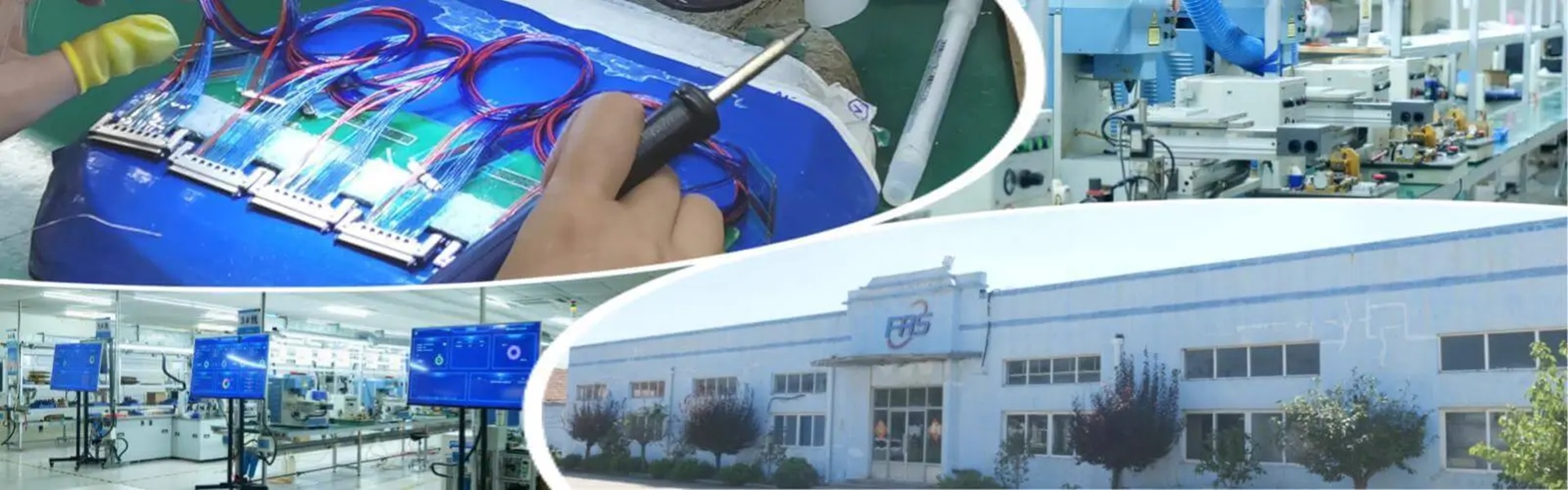
When it comes to trusted aviation cable solutions, FRS stands as a leader in the industry. With decades of expertise in manufacturing precision-engineered cables for aviation applications, FRS combines cutting-edge technology with rigorous quality control to deliver products that meet the most demanding standards. Our cables are certified by global aviation authorities, designed to withstand harsh conditions, and optimized for seamless integration with advanced maintenance systems.
Whether you need cables for OMS networks, power distribution, or high-speed data transfer, FRS offers customized solutions tailored to your specific needs. Our commitment to excellence ensures that every cable we produce enhances safety, reduces downtime, and supports the evolving needs of the aviation industry.
Partner with FRS today and experience the difference of aviation cables built for reliability, performance, and the future of maintenance. Contact us to discover how our solutions can elevate your aircraft maintenance operations to new heights.