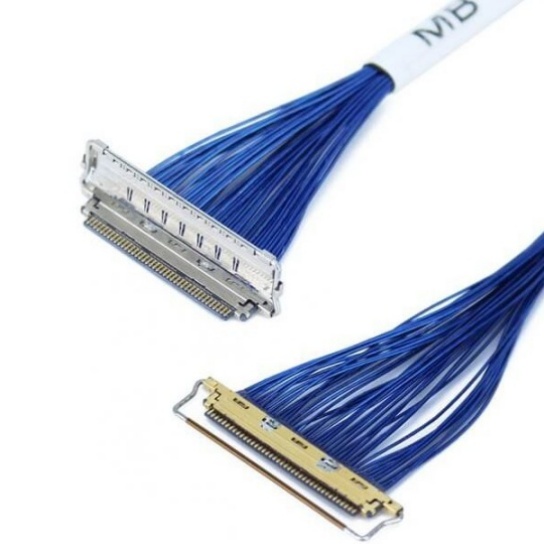
Breakthrough in Aviation Connectivity: New 1000 Base-T Aviation Ethernet Cable Cuts Aircraft Weight
The new generation of aviation Ethernet cable 1000 Base-Tis engineered to meet the industry’s demand for high-speed data transfer, reduced weight, and uncompromising reliability. This article explores the technical and practical aspects of these cables, their applications, and the future of in-flight connectivity.
💡 Why 1000 Base-T Matters in Modern Aviation
Modern aircraft rely on a vast digital backbone for avionics, in-flight entertainment (IFE), and flight data acquisition. Traditional ARINC 429 or MIL-STD-1553 buses are being replaced or supplemented by Ethernet-based networksthat offer higher bandwidth and simpler topologies.
1000 Base-T (IEEE 802.3ab)is the workhorse for many of these new systems, providing:
1 Gbit/s data rateover 4-pair balanced twisted-pair copper.
Full-duplex operationover distances up to 100 meters on structured cabling.
In aircraft, this translates to supporting high-resolution sensors, real-time video, and IP-based avionics networks on a unified physical layer. However, the standard 4-pair Cat5e/6 cable is often too bulky and heavy for the space- and weight-constrained environment of an aircraft.
✈️ The Shift to Lightweight Aviation Ethernet Cables
The aerospace industry is in a constant battle against weight. A key trend is the development of lightweight Ethernet cablesthat maintain or exceed standard performance while using fewer pairs or smaller conductors.
Gore: Their aerospace Ethernet cables are up to 60% lighter than alternatives, supporting Cat5e/6A/8 and data rates up to 40 Gb/s. Their Ultralight Cat6A version is 25% lighter than their standard, saving about 1.93 kg per 100 m.
CarlisleIT: Their Gigabit-Plus Ethernet cables are designed for 1–10 G Base-T performance up to 100 m and are significantly smaller and lighter than comparable cables, meeting FAR 25.853 flammability and ABD0031 smoke/toxicity requirements.
PIC Wire & Cable: Their E1G4222 is a 1000Base-T1 Single Pair Ethernet (SPE)cable. It meets IEEE 802.3-2022, Type Bstandards, supports runs up to 40 m with four in-line connectors, and uses a shielded 22 AWGconstruction. This single-pair design is a major step toward lighter, simpler cabling.
🔬 Anatomy of a 1000 Base-T Aviation Ethernet Cable
A high-performance aviation Ethernet cable 1000 Base-Tis built with several critical layers:
Conductor: Typically high-conductivity copper alloys (e.g., silver-plated copper). 22–24 AWG is common for aerospace SPE, balancing current capacity and flexibility.
Insulation: Fluoropolymers like PTFE or FEPprovide stable electrical properties and high-temperature resilience (up to 200 °C).
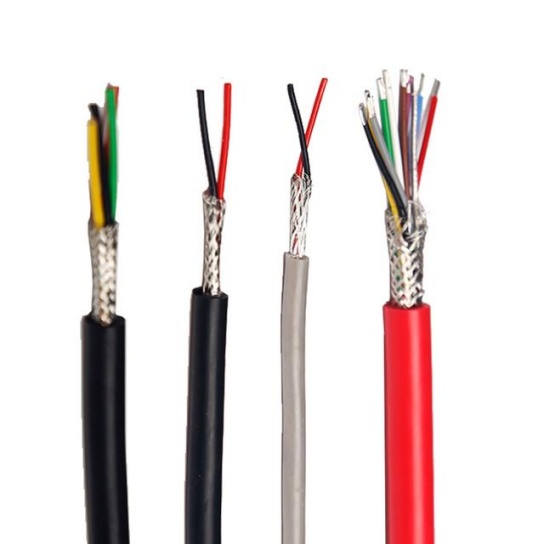
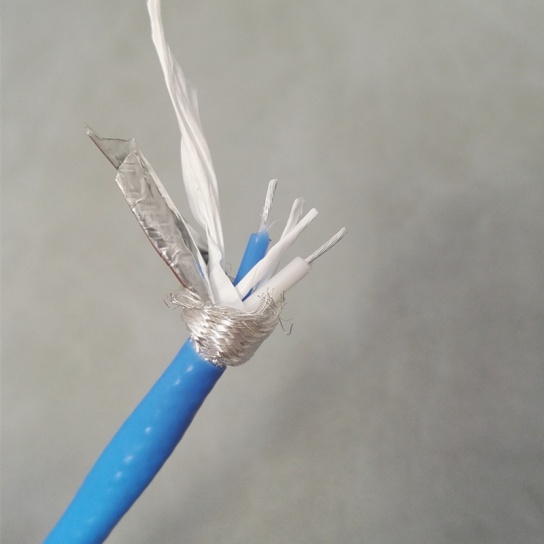
Shielding: Essential for EMI/RFI protection. Designs often feature a dual-layer shield(foil + braid) or an aluminum shield, achieving >55 dB effectiveness.
Jacket: Made from tough, low-smoke, zero-halogen (LSZH) or fluoropolymer materials that meet stringent flammability standards like FAR 25.853and ABD0031.
Standards & Compliance: Cables must meet both data standards (IEEE 802.3) and aerospace standards (ARINC 664, ABD0031, SAE AS4373, etc.).
📊 Comparing Architectures: 4-Pair vs. Single-Pair (SPE)
The industry is moving from traditional 4-pair cables to more efficient Single Pair Ethernet (SPE) solutions.
Feature
4-Pair 1000 Base-T (Cat5e/6A)
Single-Pair 1000 Base-T1 (SPE)
Pairs / Conductors
4 pairs / 8 conductors
1 pair / 2 conductors
Typical AWG
24–26 AWG
22 AWG
Cable Diameter
Larger
~30–40% smaller
Weight
Heavier
Significantly lighter
Max Distance
Up to 100 m
~40 m (with 4 connectors)
Routing
More difficult in tight spaces
Much easier in dense harnesses
EMI Shielding
Robust, but more complex
Dual-layer shield for high performance
Standards
IEEE 802.3ab, TIA-568
IEEE 802.3-2022 (Type B)
For many intra-rack or zone connections under 40 meters, SPE delivers the necessary performance with a fraction of the weight and bulk.
🛠️ Key Electrical & Mechanical Specs
While specific values vary by manufacturer, a high-quality aviation Ethernet cable 1000 Base-Twill have specs like these:
Impedance: 100 Ω ± 10 Ω
Capacitance: ~42–45 pF/m
Propagation Velocity: ~80%
Operating Temp: -55 °C to +125/150/200 °C
Shielding Effectiveness: >55 dB typical
Voltage Rating: 300–900 V RMS (conductor-to-conductor)
Bend Radius: 3–10× the cable OD, depending on construction
These parameters ensure the cable performs reliably in the harsh airborne environment, from cold-soaked aircraft on the ground to the heat of re-entry or high-power avionics bays.
🎯 Where 1000 Base-T Aviation Cables Are Used
These cables are now found in a wide range of aircraft systems:
Avionics Networks: Linking flight control computers, navigation systems, and FADEC data links.
In-Flight Entertainment (IFE): Distributing high-bandwidth video and internet to passenger seats.
Cabin Management Systems: Connecting lighting, environmental controls, and passenger service units.
Sensor & Camera Links: Transmitting HD video from EO/IR sensors or surveillance systems.
Ground Vehicle Networks: Used in military and commercial ground support equipment (GSE).
The move to Ethernet backbonessimplifies system integration, allowing data from various sources to be routed over a common physical layer, reducing overall weight and complexity.
🔗 Connectors & ARINC 800P4 Testing
Choosing the right connector is as critical as the cable itself. ARINC SPECIFICATION 800P4-2015provides standardized test methods to ensure that the connector-cable assembly meets 1000BASE-T performance requirements for insertion loss, return loss, and crosstalk.
Circular metal connectorswith size 8 or smaller contacts
Ruggedized RJ45connectors with IP67 sealing for harsh environments
📈 The Business Case: Lighter Cables, Bigger Savings
Weight savings in aviation have a direct financial impact through reduced fuel burn and increased payload.
Market Growth: The global aircraft cables market is projected to grow from 4.94Bin2025to6.59B by 2029, driven by demand for lightweight solutions.
Cable Savings: Replacing traditional Cat6A cables with Gore’s Ultralight version can save ~1.93 kg per 100 m. In a large aircraft with 10 km of cabling, that’s nearly 200 kg saved.
SPE Advantage: An SPE cable can be 30–60% lighter than a 4-pair equivalent, leading to significant weight reduction in dense harnesses.
🚀 The Future: Beyond 1000 Base-T
While 1 Gbit/s is sufficient for many current systems, the push for higher data rates continues.
Multi-Gigabit SPE: Standards are evolving to support 2.5/5/10 Gbit/sover a single pair, with distances up to 15–40 m, ideal for zone cabling.
Higher-Speed 4-Pair Cables: Solutions supporting 10G/25G/40Gover 4 pairs are being deployed for backbone links, with Gore already offering 40 Gb/s Cat8 cables.
The aviation Ethernet cable 1000 Base-Tis a critical building block today, with a clear upgrade path to multi-gigabit and 10G+ networks in the future.
✅ How to Select the Right Aviation Ethernet Cable
When specifying a cable, consider the following:
Data Rate & Distance: Ensure the cable meets or exceeds your required data rate (1000BASE-T, 2.5GBASE-T, etc.) and distance budget.
Weight & Size: Compare the cable’s diameter and weight against your harness constraints.
Environmental Specs: Verify the operating temperature range, flammability (FAR 25.853), smoke density (ABD0031), and fluid resistance.
Standards Compliance: Check for compliance with IEEE 802.3, ARINC 664, and relevant ABD0031/SAE AS4373 tests.
Connector Compatibility: Ensure the cable is compatible with your chosen connector family and has passed ARINC 800P4 testing if required.
🌐 Conclusion: The New Standard in Avionics Networking
The new generation of aviation Ethernet cable 1000 Base-Tis more than just a cable; it’s a critical enabler of lighter, more connected, and more efficient aircraft. By combining proven Ethernet performance with aerospace-grade materials and construction, these cables are helping to redefine in-flight networking.
For engineers and procurement teams, understanding the trade-offs between 4-pair and single-pair architectures, as well as the stringent requirements of the aviation environment, is key to making the right choice for the next generation of aircraft systems.
From commercial airliners to military drones, aviation cables are the unsung heroes ensuring reliable power, data, and signal transmission in the skies. These specialized cables are engineered to withstand extreme conditions—think turbule.
When it comes to aviation safety and performance, every component must meet the highest standards—especially electrical systems. High-Temp Resistant Aviation Electrical Cables are engineered to deliver unparalleled durability and reliabi.
Designed to meet the rigorous demands of modern aviation and defense systems, Lightweight MIL-SPEC Aviation Wiring Cables represent the pinnacle of reliability, durability, and performance. Engineered to comply with stringent military sp.
Premium Aviation Cables for Aircraft Systems: Elevating Safety and Performance
In the demanding world of aviation, reliability and precision are non-negotiable. Premium Aviation Cables for Aircraft Systems are engineered to meet the r.
Product Overview: aviation cable
Machine vision cables are specialized components designed to ensure high-speed, stable data transmission and signal integrity in automated imaging systems. Key features include:
Technical Specifica.