Aviation RF Cable: What It Is and Where It’s Used
Aviation RF cable is a specialized coaxial cable engineered to carry high-frequency radio frequency (RF) signals between antennas, radios, radars, and other avionics systems on aircraft and spacecraft. Unlike standard wires, it is designed to maintain signal integrity in the harsh airborne environment, where factors like weight, temperature, vibration, and electromagnetic interference are critical.
What Makes Aviation RF Cable Different?
Aviation RF cables are a subset of RF coaxial cables, but they are built to far more demanding standards.
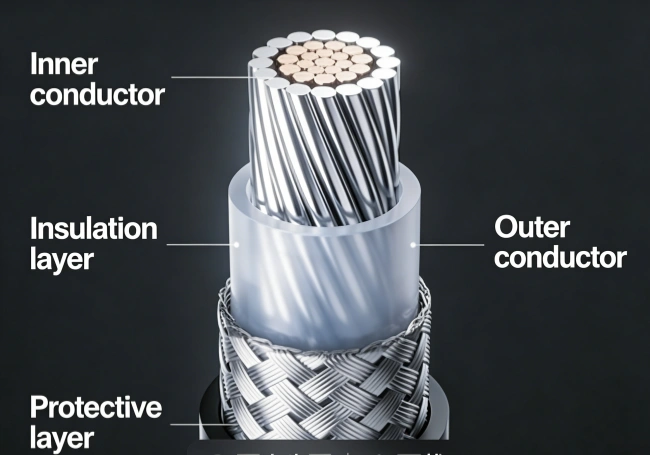
- RF Coaxial Cable Basics: All coaxial cables have a central conductor, an insulating dielectric, a metallic shield, and an outer jacket. This structure confines the electromagnetic field, enabling efficient, low-loss transmission of high-frequency signals for applications like Wi-Fi and cellular networks.
- The “Aviation” Difference: Aviation-grade cables are designed to excel in environments where failure is not an option. Key differentiators include:
- Harsh Environment Durability: They must withstand extreme temperatures (from -65°C to over 200°C), intense vibration, moisture, hydraulic fluids, and fuel.
- Lightweight Construction: To improve fuel efficiency and payload, aerospace cables use advanced, lightweight materials, often reducing weight by 20-75% compared to standard RG/MIL-C-17 cables.
- High Shielding & Low Loss: To combat signal interference in crowded avionics bays, they feature multiple shielding layers (e.g., braid + foil) and low-loss dielectrics like PTFE or FEP.
- Stringent Certification: Cables must pass rigorous tests for fire safety (low smoke, low toxicity), flammability (per FAR/CS-25), and environmental resistance, adhering to standards like RTCA DO-160 and MIL-STD-810.
Anatomy of an Aviation RF Cable
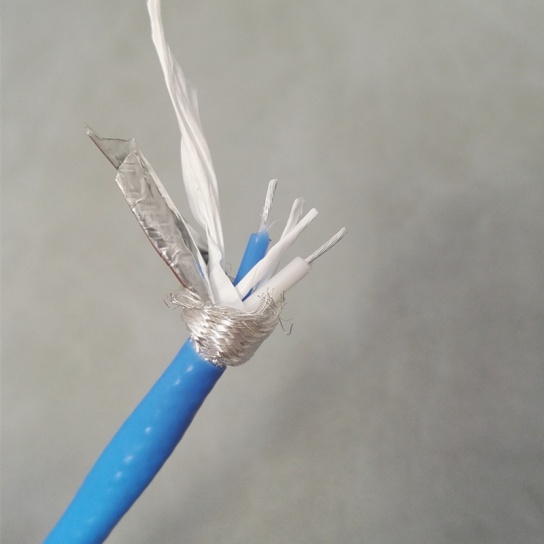
A typical aviation RF cable consists of four main layers, each selected for optimal performance:
- Center Conductor: Usually silver-plated copper or copper-clad steel, chosen for its high conductivity and resistance to corrosion.
- Dielectric Insulation: Materials like PTFE (Teflon), FEP, or expanded PTFE provide stable electrical properties and low loss across a wide temperature range.
- Shielding: A combination of braided metal (e.g., silver-plated copper) and foil provides 70-90+ dB of shielding effectiveness against EMI/RFI. Some designs use high-strength aramid fibers (like Kevlar) for both strength and weight savings.
- Outer Jacket: Made from tough, chemical-resistant, and flame-retardant materials like FEP, ETFE, or polyimide, often with low-smoke, zero-halogen (LSZH) properties for safety.
Key Types of Aviation RF Cables
Aviation RF cables are categorized by their construction and intended use:
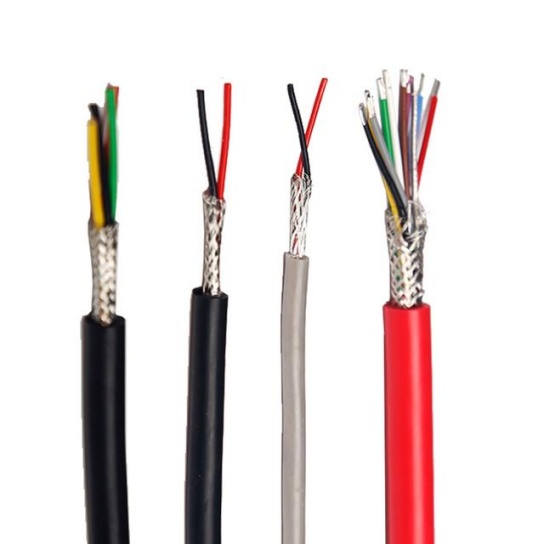
- Flexible RF Cables: Designed for routing through tight spaces and areas with vibration. They are the most common type for aircraft interiors.
- Semi-Rigid & Formable Cables: Have a solid outer conductor, offering superior shielding and phase stability. Used in high-frequency, fixed installations like radar and test equipment.
- Ultra-Lightweight Cables: Utilize advanced materials (e.g., aramid fibers) to drastically reduce weight (up to 80% less than RG equivalents) while maintaining performance. Ideal for UAVs and commercial aircraft.
- Phase-Stable / Low-Loss Cables: Engineered for applications requiring precise phase and amplitude, such as phased-array antennas and electronic warfare systems. They maintain performance over a wide temperature range and under flexing.
- Standard RG-Type Cables: Commercial-grade cables like RG316 and RG400 are sometimes used in general aviation or non-critical areas due to their availability and lower cost.
Where Aviation RF Cables Are Used
Aviation RF cables are the critical links in virtually every airborne RF system.
- Communications Systems: Connect VHF/UHF/HF radios, satellite communications (SATCOM), cellular links, and Iridium systems. Cables must be low-loss and resistant to fuel and moisture.
- Navigation Systems: Route signals for GPS, VOR, ILS, and radar altimeters. These require high stability and low phase noise for accurate positioning.
- Surveillance & Collision Avoidance: Interconnect transponders and antennas for ADS-B, TCAS, and weather radar. Reliability is paramount for flight safety.
- Test & Ground Support Equipment: Used in avionics test sets and AOG (Aircraft on Ground) kits to diagnose and validate RF systems on the ground.
How to Choose the Right Aviation RF Cable
Selecting the correct cable involves balancing several factors:
- Frequency & Loss: Determine the operating frequency and acceptable signal loss (dB/100 ft). Higher frequencies demand cables with lower loss.
- Impedance: Match the cable’s impedance (typically 50 Ω for RF/microwave, 75 Ω for video) to the connected equipment.
- Environmental Conditions: Consider the installation location’s temperature, exposure to fluids, and required flexibility.
- Weight & Bend Radius: In aircraft, minimizing weight is crucial. Ensure the cable’s bend radius meets the aircraft’s routing constraints.
- Standards & Certification: Verify the cable meets the necessary aviation standards (e.g., RTCA DO-160, MIL-STD, EN 3475) and any specific OEM requirements.
The Future of Aviation RF Cables
The future of aviation RF cables is focused on pushing the boundaries of performance while reducing size and weight. Trends include:
- Advanced Lightweight Materials: New fibers and composites are enabling even lighter, stronger cables.
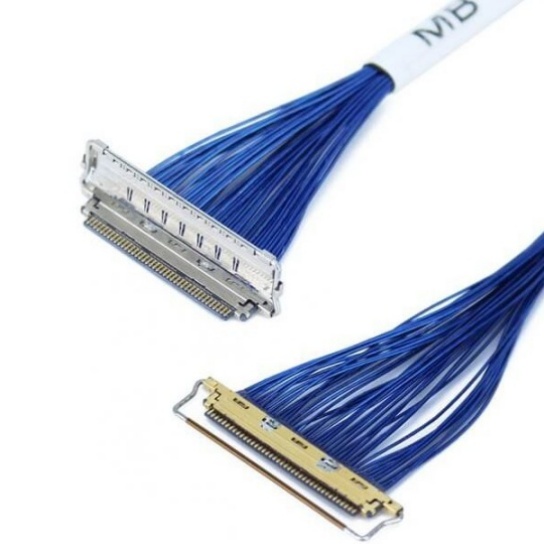
- Miniaturization: Development of smaller, more flexible microwave/MMW cables for densely packed avionics.
- Integrated Assemblies: Combining power, data, and RF into single, multifunction cables to reduce weight and complexity.
- Smart Cables: Embedding sensors for real-time health monitoring of the cable system.