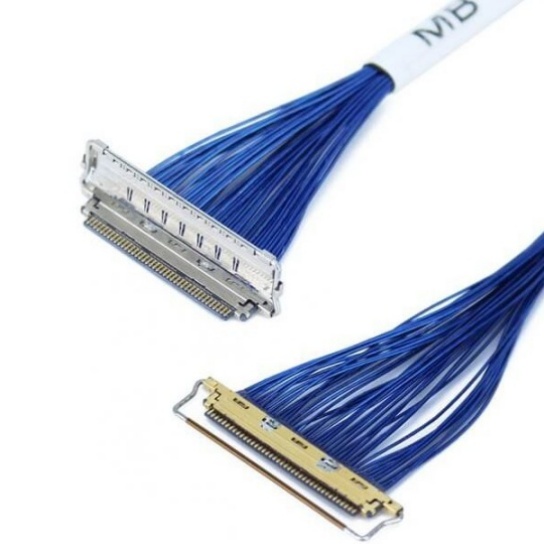
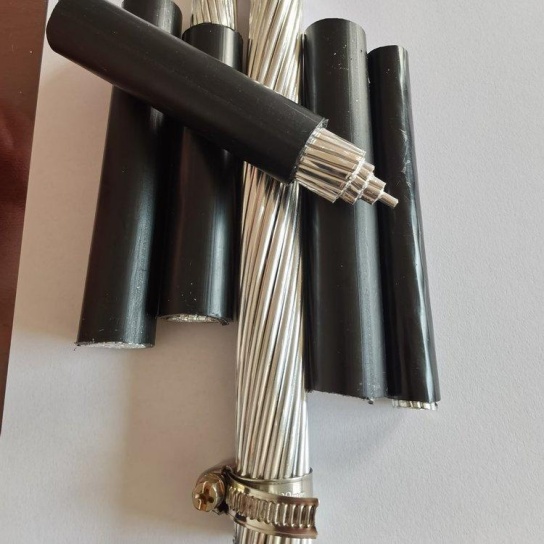
Aviation Cables for VHF Communication: Key Considerations for Reliable Airborne Connectivity
VHF (Very High Frequency) communication is the backbone of airborne operations, enabling pilots to communicate with air traffic control (ATC), ground crews, and other aircraft within a 100–200 nautical mile range. While radios and transceivers often take the spotlight, aviation cables for VHF communication are the unsung enablers—their performance directly impacts signal clarity, latency, and overall flight safety. Unlike standard industrial cables, these specialized cables must withstand the extreme conditions of the aerospace environment while maintaining consistent signal transmission in the VHF band (118–137 MHz).
1. Critical Performance Requirements for VHF Aviation Cables
Aviation cables for VHF communication face unique challenges, from temperature fluctuations to electromagnetic interference (EMI). Meeting the following performance standards is non-negotiable for reliable operation:
- Wide Temperature Resistance: Aircraft cabins and avionics bays experience temperatures ranging from -65℃ (at high altitudes) to 150℃ (during ground operations or engine heat exposure). Cables must use insulation materials like ETFE (Ethylene Tetrafluoroethylene) or PTFE (Polytetrafluoroethylene) to remain flexible and non-conductive across this range.
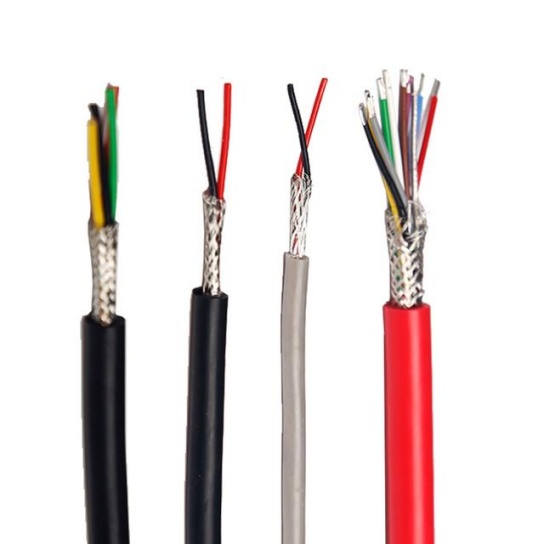
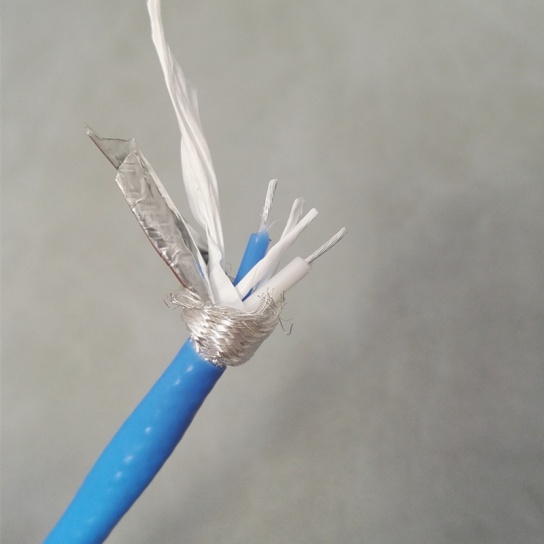
- EMI Shielding: The aerospace environment is crowded with electronic systems—radars, navigation tools, and engine controls—all of which emit EMI. Unshielded VHF cables pick up this interference, causing static or signal dropouts. Premium VHF aviation cables use double shielding (a tinned copper braid + aluminum foil) to block 99% of EMI, ensuring clear communication.
- Mechanical Durability: Vibration from engines, turbulence, and frequent takeoff/landing cycles can degrade cables over time. Cables must have a robust jacket (e.g., PFA) and stranded copper conductors to resist fatigue, bending, and abrasion—even when routed through tight aircraft compartments.
- Low Signal Attenuation: In the VHF band, signal loss (attenuation) increases with cable length and frequency. High-quality VHF cables use thick, high-purity copper conductors and low-dielectric-constant insulation to keep attenuation below 0.5 dB/m at 137 MHz—critical for long-range ATC communications.
2. Key Selection Criteria for VHF Aviation Cables
Choosing the right cable goes beyond meeting basic standards; it requires aligning with specific aircraft and operational needs:
- Compliance with Aerospace Standards: Cables must be certified to global aviation standards to ensure safety and compatibility. Look for approvals like UL 10269 (for general aviation), SAE AS22759 (for military and commercial aircraft), and EN 3475-701 (European aerospace). Non-certified cables pose fire risks and may fail during critical flights.
- Application-Specific Design: Different aircraft have unique requirements. For example:
- Commercial airliners need lightweight, flame-retardant cables (to meet FAA fire safety rules).
- Military aircraft require cables with additional chemical resistance (to withstand fuel, hydraulic fluids, and harsh solvents).
- General aviation (small planes) may prioritize cost-effectiveness, but still need cables with basic EMI shielding and temperature resistance.
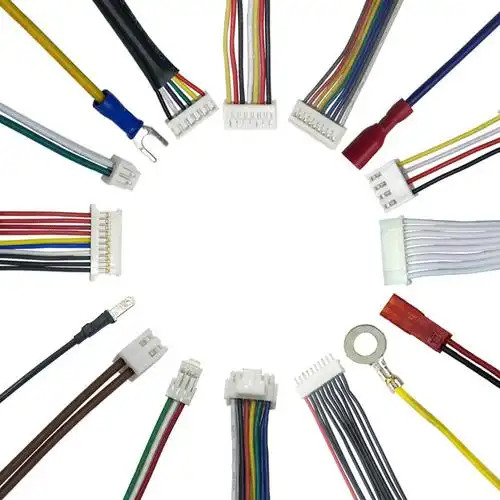
- Connector Compatibility: VHF cables must pair with aviation-grade connectors (e.g., BNC, TNC, or SMA) that match the radio’s output. Poorly matched cables/connectors create impedance mismatches (measured in ohms), leading to signal reflection and loss. Most VHF aviation systems require 50-ohm cables to align with standard transceiver impedance.
3. Maintenance Best Practices for Longevity
Even the highest-quality VHF aviation cables require proper care to avoid premature failure:
- Avoid Over-Bending: Cables have a minimum bending radius (typically 5–10x the cable diameter). Bending beyond this limit damages the shielding and conductors, increasing attenuation. Always follow the manufacturer’s routing guidelines.
- Seal Connection Points: Moisture and dust can infiltrate connector interfaces, causing corrosion. Use silicone gaskets or heat-shrink tubing to seal connections, especially in exposed areas like wing-mounted antennas.
- Regular Inspections: During scheduled maintenance, check cables for signs of wear—cracked jackets, loose shielding, or discolored insulation. Use an impedance tester to verify signal integrity; replace cables if impedance deviates by more than 5% from the 50-ohm standard.
Trust FRS for Premium Aviation Cables for VHF Communication
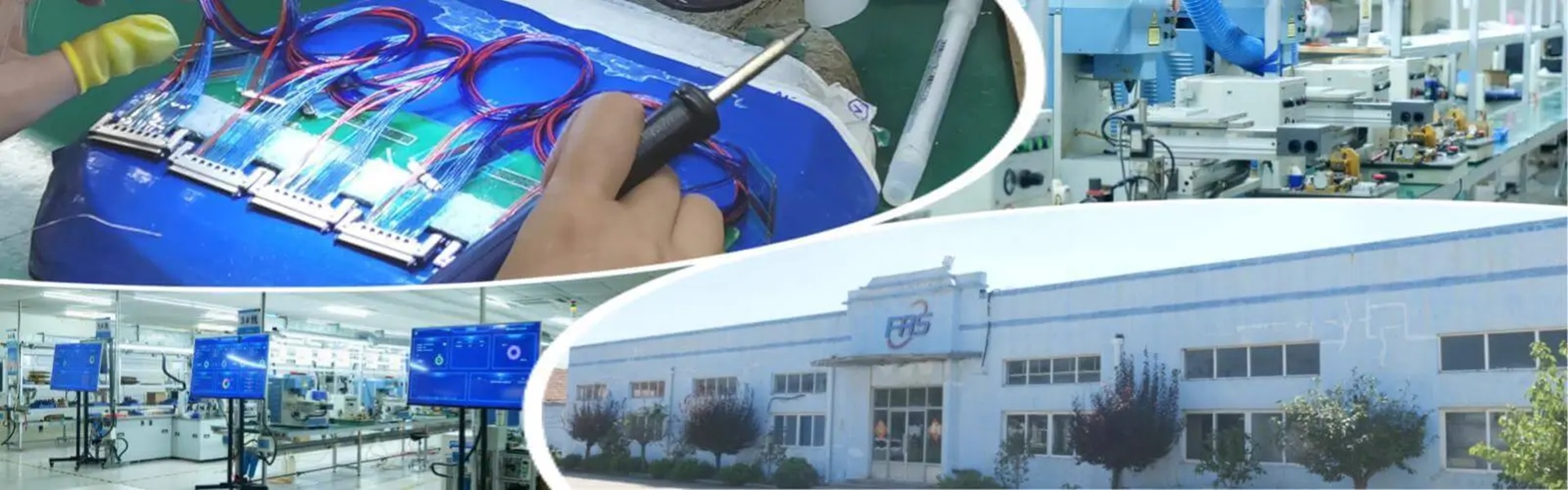
When reliability and safety are non-negotiable, FRS stands as a leading manufacturer of aerospace-grade VHF communication cables. Our cables meet or exceed SAE AS22759, UL 10269, and EN 3475-701 standards, with double EMI shielding, ETFE/PTFE insulation, and fire-retardant jackets to thrive in extreme airborne conditions. We offer custom solutions for commercial airliners, military aircraft, and general aviation—tailoring conductor gauge, shielding, and jacket materials to your exact needs. With rigorous quality control (every cable undergoes 100% attenuation and impedance testing) and on-time delivery, FRS is the trusted partner for aviation manufacturers worldwide. Choose FRS, and ensure your VHF communication stays clear, consistent, and safe—every flight, every time.