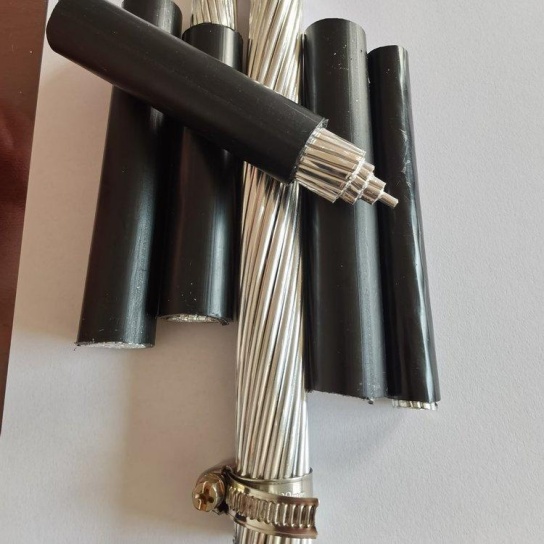
Aviation Cables for TCCA approval
In the global aviation industry, compliance with stringent regulatory standards is non-negotiable, as it directly impacts flight safety, operational reliability, and market access. For manufacturers and operators targeting the Canadian market, obtaining approval from Transport Canada Civil Aviation (TCCA) is a critical milestone—especially for aviation cables, which serve as the “nervous system” of aircraft, transmitting power, data, and signals across vital systems. This article delves into the key considerations, technical requirements, and approval processes for aviation cables seeking TCCA certification, equipping industry professionals with actionable insights to navigate the regulatory landscape.
Why TCCA Approval Matters for Aviation Cables
TCCA, Canada’s national aviation regulatory authority, enforces standards aligned with international benchmarks (such as ICAO Annexes) while tailoring requirements to address regional operational conditions. For aviation cables, TCCA approval is not merely a bureaucratic formality; it is a testament to a product’s ability to withstand the extreme demands of aerospace environments, including temperature fluctuations (-65°C to 200°C+), vibration, moisture, chemical exposure, and electromagnetic interference (EMI). Without TCCA certification, cables cannot be installed or used in Canadian-registered aircraft, limiting market reach for manufacturers and posing compliance risks for airlines and MRO (Maintenance, Repair, and Overhaul) providers.
Moreover, TCCA approval enhances global credibility. Many countries recognize TCCA’s rigorous evaluation processes, making it a stepping stone for market expansion beyond Canada. For aviation cable manufacturers, this certification differentiates products in a competitive landscape, reassuring customers of quality and safety.
Key Technical Requirements for TCCA-Approved Aviation Cables
TCCA does not set standalone cable standards but references and enforces established aerospace specifications, often aligning with Society of Automotive Engineers (SAE) and International Electrotechnical Commission (IEC) standards. Below are the core technical criteria that aviation cables must meet for TCCA approval:
- Material Compliance: Conductors must use high-purity copper or copper alloys for optimal conductivity, while insulators and jacketing materials (e.g., PTFE, FEP, ETFE) must be flame-retardant, low-smoke, and low-toxicity. TCCA requires materials to pass tests for resistance to aviation fluids (fuel, oil, hydraulic fluid) and ozone degradation.
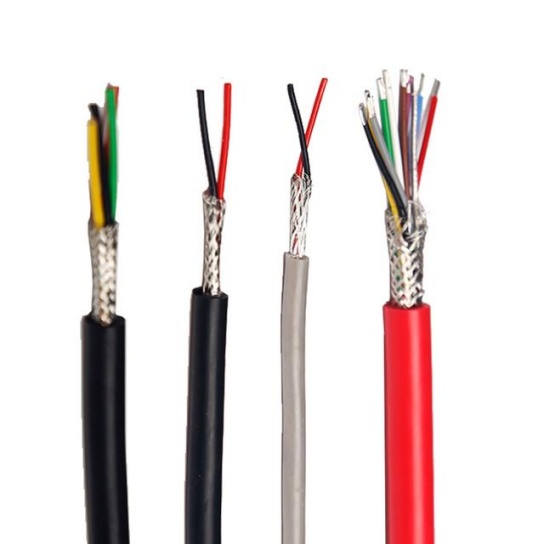
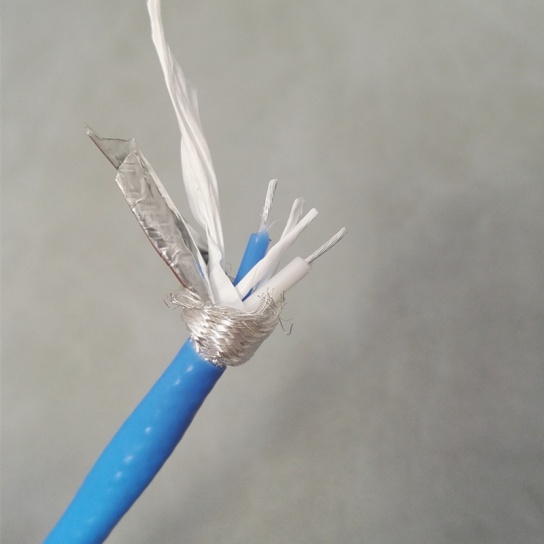
- Electrical Performance: Cables must maintain stable impedance, voltage rating, and current-carrying capacity under extreme conditions. EMI shielding (e.g., braided copper, foil) is mandatory for data/signaling cables to prevent interference with sensitive avionics systems.
- Mechanical Durability: Cables must withstand repeated flexing, vibration (per SAE AS1072), and impact without compromising structural integrity. Tensile strength, elongation, and abrasion resistance tests are standard.
- Environmental Resilience: Compliance with temperature cycling (per MIL-STD-810), humidity exposure, and altitude testing ensures cables perform in diverse flight scenarios, from ground operations to high-altitude cruising.
The TCCA Approval Process for Aviation Cables
Navigating TCCA approval requires a structured approach, involving documentation, testing, and regulatory review. The process typically follows these stages:
- Pre-Application Preparation: Manufacturers must define the cable’s intended use (e.g., power distribution, avionics data) and identify applicable standards (e.g., SAE AS22759 for general-purpose aviation cables). This stage involves compiling technical data sheets (TDS), material certificates, and design drawings.
- Testing and Validation: Cables undergo third-party testing by TCCA-accredited laboratories. Tests include electrical performance (impedance, insulation resistance), environmental exposure (temperature, humidity), flame retardancy (per FAR 25.853), and mechanical durability. Test reports must demonstrate compliance with all referenced standards.
- Submission and Review: Manufacturers submit an application package to TCCA, including test reports, design documentation, and quality management system (QMS) certification (e.g., ISO 9001, AS9100). TCCA reviewers assess the package for completeness and compliance, may request additional data, and conduct factory audits if necessary.
- Approval Issuance: Upon successful review, TCCA issues a Technical Standard Order (TSO) or a Part 21 Approval, depending on the cable’s classification. This approval is valid for the product’s design, and manufacturers must maintain QMS compliance to retain certification.
Common Pitfalls to Avoid During TCCA Certification
Even experienced manufacturers may encounter challenges in the TCCA approval process. Common pitfalls include:
- Inadequate documentation of material traceability, leading to delays in review.
- Testing by non-accredited laboratories, which TCCA may reject.
- Overlooking regional environmental requirements (e.g., cold-temperature performance for Canadian winters).
- Failing to update QMS processes to align with TCCA’s auditing standards.
Proactive engagement with TCCA early in the design phase and partnering with experienced testing labs can mitigate these risks.
FRS: Your Trusted Partner for TCCA-Approved Aviation Cables
When it comes to TCCA-approved aviation cables, FRS stands out as a leading manufacturer with a proven track record of regulatory compliance and technical excellence. With over a decade of experience in aerospace cable design, FRS adheres to the strictest SAE, IEC, and TCCA standards, ensuring every cable meets or exceeds performance requirements for Canadian and global aviation markets.
FRS’s state-of-the-art manufacturing facilities are equipped with advanced testing capabilities, including temperature cycling chambers, EMI shielding labs, and flame-retardancy test benches—all operated by a team of aerospace engineers dedicated to quality. From custom-designed avionics cables to standard power distribution solutions, FRS delivers products that combine durability, reliability, and TCCA compliance, backed by responsive customer support and on-time delivery.
For aviation manufacturers, airlines, and MROs seeking TCCA-approved cables you can trust, FRS is the partner that turns regulatory challenges into market opportunities. Contact FRS today to learn how our aviation cables can elevate your project’s safety and compliance.