Aviation Cables for special applications
In the dynamic and high-stakes world of aviation, every component plays a critical role in ensuring safety, reliability, and optimal performance. Among these essential components, aviation cables stand out as the lifelines of aircraft systems, facilitating the seamless transmission of power, data, and signals across various onboard applications. However, when it comes to special applications in aviation—such as extreme temperature environments, high-vibration zones, or mission-critical electronic systems—standard aviation cables often fall short. This is where aviation cables designed specifically for special applications come into play, engineered to meet the unique and stringent demands of these challenging scenarios. In this article, we will delve into the key aspects of aviation cables for special applications, exploring their core requirements, main types, quality standards, and why they are indispensable in modern aviation.
Core Requirements of Aviation Cables for Special Applications
Special applications in aviation impose a set of rigorous requirements on aviation cables that go beyond the basic specifications of standard cables. These requirements are driven by the need to ensure uninterrupted operation, durability, and safety in environments that are often harsh and unforgiving.
1. High Temperature Resistance
Many special applications in aviation, such as engine compartments, exhaust systems, and near-heat-generating components, expose aviation cables to extreme temperatures. In these areas, temperatures can range from as low as -65°C (-85°F) in cold atmospheric conditions to as high as 260°C (500°F) or more near engines. Aviation cables for these applications must be constructed with materials that can withstand such wide temperature fluctuations without degrading. Common insulation materials used include polytetrafluoroethylene (PTFE), fluorinated ethylene propylene (FEP), and ethylene tetrafluoroethylene (ETFE), which offer excellent thermal stability and resistance to heat aging. These materials prevent the cable’s insulation from melting, cracking, or losing its electrical properties under extreme heat, ensuring reliable power and signal transmission.
2. Superior Vibration and Shock Resistance
Aircraft experience constant vibration during takeoff, flight, and landing, especially in areas like the fuselage, wings, and landing gear. Special applications, such as those involving rotating components or heavy machinery on board, may subject aviation cables to even higher levels of vibration and shock. To withstand these forces, aviation cables for special applications are designed with robust construction. This includes stranded conductors made of high-quality copper or copper alloys, which provide flexibility and resistance to fatigue from repeated vibration. Additionally, the cables may feature reinforced jackets and shielding layers that absorb and dampen vibration, preventing internal damage to the conductors and insulation. This ensures that the cables maintain their structural integrity and electrical performance over the long term, even in high-vibration environments.
3. Excellent Electromagnetic Interference (EMI) Shielding
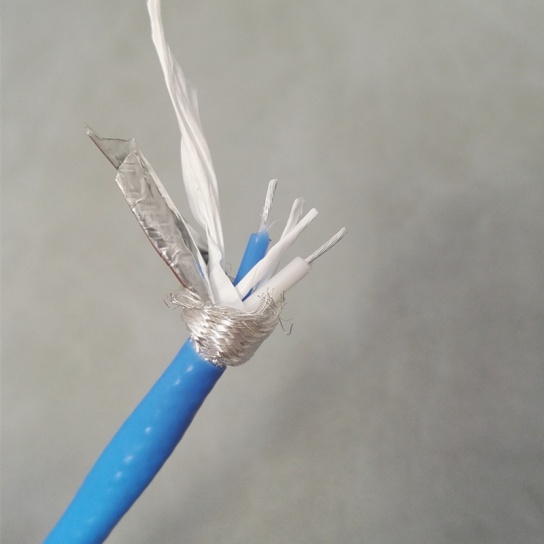
Modern aircraft are equipped with a wide range of electronic systems, including navigation, communication, radar, and avionics. These systems generate and are susceptible to electromagnetic interference (EMI), which can disrupt signal transmission and compromise the safety and functionality of the aircraft. Aviation cables for special applications in electronic systems must have effective EMI shielding to prevent interference. Shielding options include braided shields made of copper or aluminum, foil shields, or a combination of both. Braided shields provide excellent coverage and flexibility, while foil shields offer superior protection against high-frequency interference. The shielding not only blocks external EMI from affecting the signals within the cable but also prevents the cable’s own signals from interfering with other nearby electronic components. This is crucial for maintaining the accuracy and reliability of critical electronic systems in the aircraft.
4. Lightweight and Space-Saving Design
Weight and space are at a premium in aviation, as every extra pound adds to fuel consumption and every inch of space is valuable for accommodating other essential components. Aviation cables for special applications must be lightweight without sacrificing performance or durability. This is achieved through the use of lightweight materials for conductors, insulation, and jackets. For example, some cables use aluminum conductors instead of copper (where electrical requirements allow) to reduce weight. Additionally, the cables are designed with compact profiles, allowing them to be routed through tight spaces in the aircraft’s structure. The lightweight and space-saving design of these cables contributes to the overall efficiency and performance of the aircraft, helping to reduce fuel costs and improve maneuverability.
5. Resistance to Chemicals and Fluids
Aircraft operate in environments where they may come into contact with various chemicals and fluids, such as jet fuel, hydraulic fluids, lubricants, and de-icing solutions. These substances can be corrosive and damaging to standard cables, leading to insulation breakdown, conductor corrosion, and ultimately, cable failure. Aviation cables for special applications are engineered to resist these chemicals and fluids. The insulation and jacket materials are selected for their chemical inertness, ensuring that they do not react with or degrade when exposed to common aviation fluids. This resistance ensures that the cables remain functional and reliable even in the presence of chemical contaminants, reducing the risk of system failures due to cable damage.
Main Types of Aviation Cables for Special Applications
Based on the specific requirements of different special applications in aviation, there are several main types of aviation cables tailored to meet these needs. Each type is designed with unique features and properties to excel in its intended use case.
1. High-Temperature Aviation Cables
As mentioned earlier, high-temperature aviation cables are designed for use in areas exposed to extreme heat, such as engine compartments, exhaust manifolds, and heat exchangers. These cables typically use PTFE or FEP insulation, which can withstand continuous operating temperatures of up to 260°C (500°F) and short-term exposure to even higher temperatures. The conductors are often made of tinned copper to resist corrosion, and the jacket may be made of a heat-resistant material like PTFE or a silicone rubber compound. High-temperature aviation cables are available in various configurations, including single-conductor, multi-conductor, and coaxial, to suit different power and signal transmission needs in high-heat environments.
2. Shielded Aviation Cables
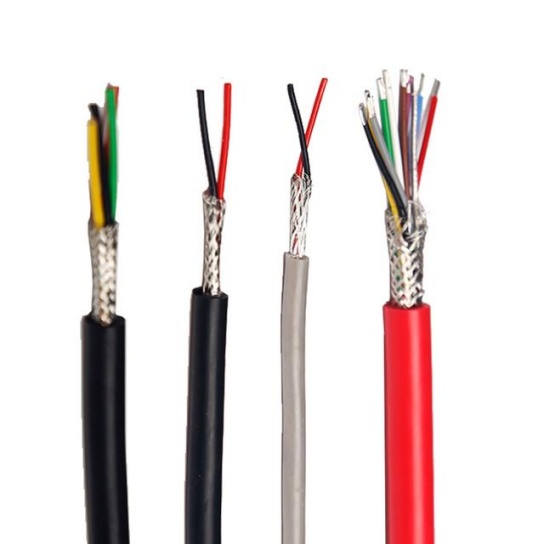
Shielded aviation cables are essential for applications involving sensitive electronic systems, such as avionics, navigation, and communication equipment. These cables feature one or more layers of shielding to protect against EMI. The most common shielding configurations are braided shields (with coverage ranging from 70% to 95%), foil shields (typically aluminum-polyester laminate), or a combination of braided and foil shields (known as double shielding) for maximum protection. Shielded aviation cables may also have a drain wire, which is used to ground the shield and enhance EMI protection. These cables are designed to maintain signal integrity, ensuring that data and signals are transmitted accurately without interference from other electronic components on the aircraft.
3. Flexible Aviation Cables
Flexible aviation cables are used in applications where the cable needs to bend and move repeatedly, such as in movable control surfaces (e.g., ailerons, elevators, rudders), landing gear systems, and door mechanisms. These cables are constructed with highly flexible conductors, such as finely stranded copper, which allows for repeated bending without fatigue or breakage. The insulation and jacket materials are also selected for flexibility, often using materials like silicone rubber or thermoplastic elastomers. Flexible aviation cables may also feature a braided reinforcement layer to enhance their mechanical strength while maintaining flexibility. Their ability to withstand repeated flexing makes them ideal for dynamic applications in the aircraft where movement is required.
4. Lightweight Aviation Cables
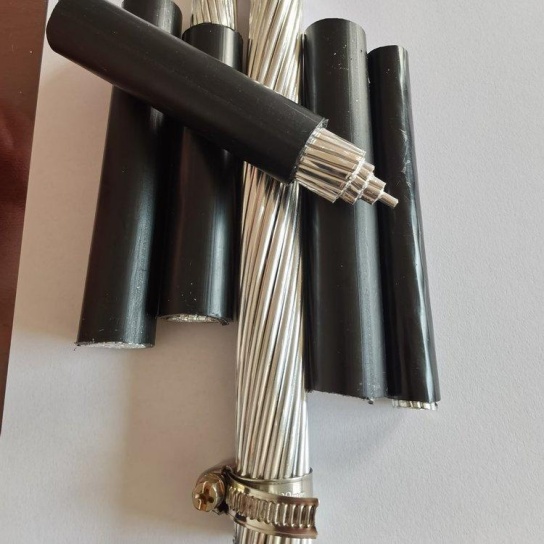
Lightweight aviation cables are designed to reduce the overall weight of the aircraft, making them suitable for use in various applications where weight savings are a priority. These cables may use aluminum conductors instead of copper, as aluminum is lighter than copper while still offering good electrical conductivity (though copper is still preferred for high-current applications). The insulation and jacket materials are also lightweight, such as thin-walled FEP or ETFE. Despite their reduced weight, lightweight aviation cables maintain the necessary performance characteristics, including temperature resistance, chemical resistance, and electrical conductivity, to meet the demands of aviation applications.
5. High-Voltage Aviation Cables
High-voltage aviation cables are used in applications that require the transmission of high electrical voltages, such as in electric aircraft propulsion systems, power distribution systems for large aircraft, and auxiliary power units (APUs). These cables are designed with thick, high-dielectric-strength insulation to prevent electrical breakdown and arcing. The insulation materials are carefully selected to withstand the high voltages, often using materials like cross-linked polyethylene (XLPE) or PTFE. High-voltage aviation cables may also feature shielding to protect against EMI and ensure safety. They are constructed to meet strict safety standards, as high-voltage systems pose a greater risk of electrical hazards if not properly insulated and protected.
Quality and Compliance Standards for Aviation Cables for Special Applications
Aviation is one of the most regulated industries in the world, and aviation cables for special applications must adhere to strict quality and compliance standards to ensure safety and reliability. These standards are set by international organizations, government agencies, and industry bodies, and they cover every aspect of the cable’s design, materials, manufacturing, and testing.
1. International Aviation航天 Quality Standards
The International Organization for Standardization (ISO) and the Society of Automotive Engineers (SAE) are two of the leading organizations that develop standards for aviation components, including aviation cables. ISO 19069 specifies the requirements for aerospace cables, covering aspects such as conductor materials, insulation materials, electrical performance, mechanical performance, and environmental resistance. SAE standards, such as SAE AS22759 (for general-purpose aerospace cables) and SAE AS4074 (for high-temperature aerospace cables), provide detailed specifications for different types of aviation cables, ensuring that they meet the rigorous demands of the industry.
2. Industry-Specific Compliance Requirements
In addition to international standards, aviation cables must also comply with requirements set by regulatory bodies such as the Federal Aviation Administration (FAA) in the United States and the European Union Aviation Safety Agency (EASA) in Europe. These bodies conduct rigorous testing and certification processes to ensure that aviation components, including cables, meet safety and performance standards. For example, the FAA requires that aviation cables pass tests for flame resistance, smoke density, and toxicity, as fires in aircraft can be extremely hazardous. EASA has similar requirements, ensuring that cables used in European-registered aircraft meet the same high levels of safety.
3. Quality Testing and Certification Processes
To ensure compliance with these standards, aviation cables for special applications undergo a series of rigorous quality tests during and after manufacturing. These tests include electrical tests (such as insulation resistance, dielectric strength, and conductor resistance), mechanical tests (such as tensile strength, flexibility, and abrasion resistance), environmental tests (such as temperature cycling, humidity resistance, and chemical resistance), and flame and smoke tests. Only after passing all these tests are the cables certified for use in aviation applications. Manufacturers must also maintain strict quality control processes throughout the production cycle, from the selection of raw materials to the final inspection of finished products, to ensure consistent quality and reliability.
Why Choose FRS for Your Aviation Cables for Special Applications?
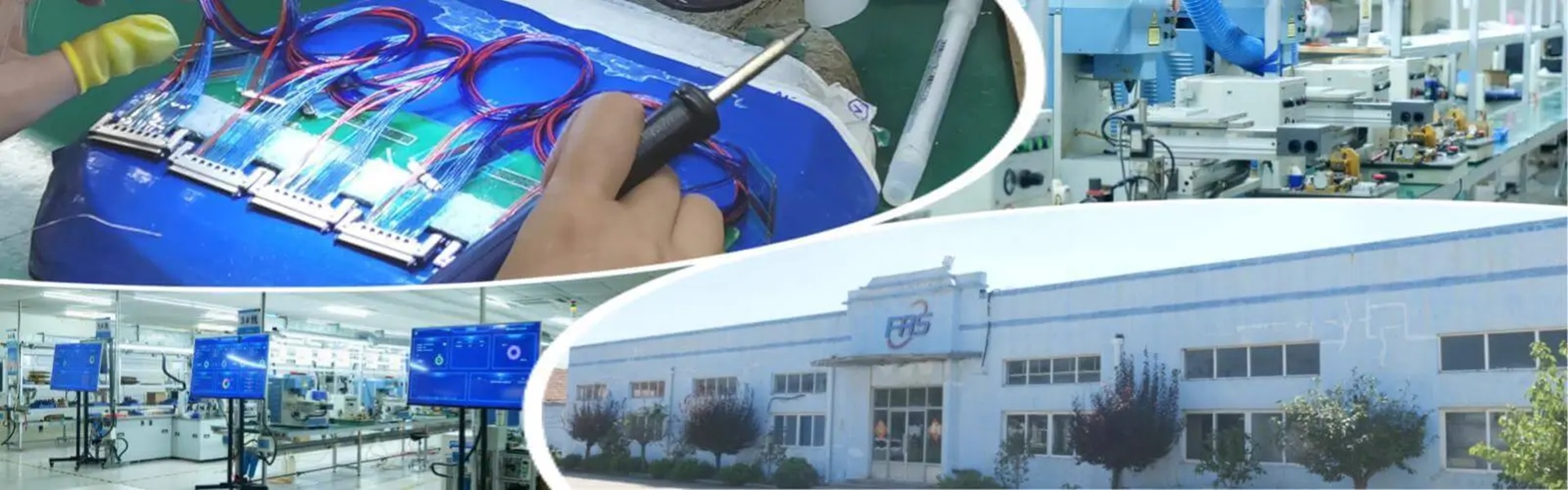
When it comes to aviation cables for special applications, choosing a reliable and experienced manufacturer is crucial to ensuring the safety, performance, and compliance of your aircraft systems. FRS is a leading brand factory specializing in the design, development, and production of high-quality aviation cables tailored to meet the unique demands of special applications. With years of experience in the aviation industry, FRS has established a reputation for excellence, combining cutting-edge technology, strict quality control, and a customer-centric approach to deliver superior products.
At FRS, we understand the critical role that aviation cables play in special applications, and we are committed to engineering cables that exceed the most stringent industry standards. Our team of skilled engineers and technicians works closely with customers to understand their specific requirements, developing customized cable solutions that meet their unique needs. We use only the highest-quality materials, including premium copper conductors, heat-resistant PTFE/FEP insulation, and durable jackets, ensuring that our cables offer exceptional temperature resistance, vibration resistance, EMI shielding, and chemical resistance.
FRS maintains state-of-the-art manufacturing facilities equipped with advanced production equipment and testing laboratories. Our manufacturing processes are certified to ISO 9001 and AS9100, the leading quality management systems for the aerospace industry, ensuring that every cable we produce meets consistent quality standards. We conduct rigorous testing on all our cables, including electrical, mechanical, environmental, and flame tests, to ensure compliance with ISO, SAE, FAA, and EASA requirements.
In addition to our commitment to quality, FRS also offers excellent customer support, providing timely delivery, technical assistance, and after-sales service. We understand that in the aviation industry, time is critical, and we work diligently to meet our customers’ deadlines without compromising on quality. Whether you need high-temperature cables for engine compartments, shielded cables for avionics systems, or flexible cables for movable components, FRS has the expertise and capabilities to deliver the perfect solution for your special application needs.
When you choose FRS for your aviation cables for special applications, you can trust that you are getting a product that is safe, reliable, and built to perform in the most challenging environments. With FRS, you are not just purchasing a cable—you are partnering with a team of aviation experts dedicated to helping you achieve the highest levels of safety and performance for your aircraft.