Aviation Cables for Quick Maintenance: Enhancing Efficiency in Aircraft Operations
1. Introduction to Aviation Cables and Quick Maintenance
In the aviation industry, downtime equates to significant financial loss and operational delays. Quick maintenance of aircraft systems is therefore critical, with aviation cables playing a pivotal role in enabling efficient repairs and inspections. These specialized cables are not just conduits for power and data; they are designed to withstand harsh in-flight conditions while facilitating rapid troubleshooting and replacement. This article explores how advanced aviation cables streamline maintenance processes, ensuring safety and operational continuity.
2. The Critical Role of Quick Maintenance in Aviation
2.1 Reducing Aircraft Downtime
Every minute an aircraft is grounded impacts fleet schedules and profitability. Aviation cables engineered for quick maintenance feature designs that allow technicians to identify, access, and replace faulty components swiftly. For example, modular cable assemblies minimize the need for extensive disassembly, cutting repair time by up to 40% compared to traditional systems.
2.2 Enhancing Safety and Regulatory Compliance
Delayed maintenance can compromise safety, risking violations of international aviation standards like those set by the Federal Aviation Administration (FAA) and International Civil Aviation Organization (ICAO). Cables with built-in diagnostic capabilities, such as resistance monitoring or wear indicators, enable proactive maintenance, ensuring compliance and reducing the risk of in-flight failures.
2.3 Operational Cost Savings
Efficient maintenance directly translates to cost savings. Quick-install cables reduce labor hours, while durable materials minimize replacement frequency. A study by the Aviation Maintenance Council found that airlines using high-performance maintenance-focused cables reported a 25% reduction in annual maintenance costs over five years.
3. Key Features of Aviation Cables for Quick Maintenance
3.1 Modular and Standardized Designs
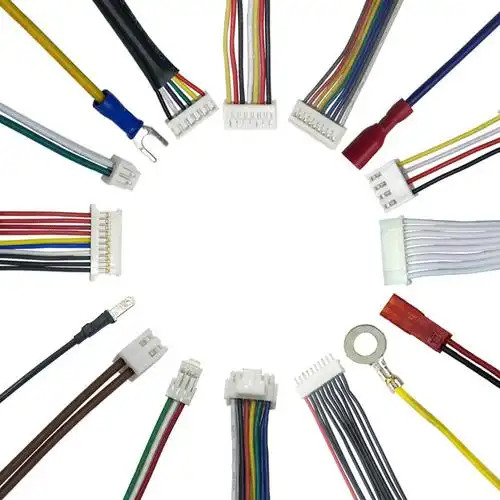
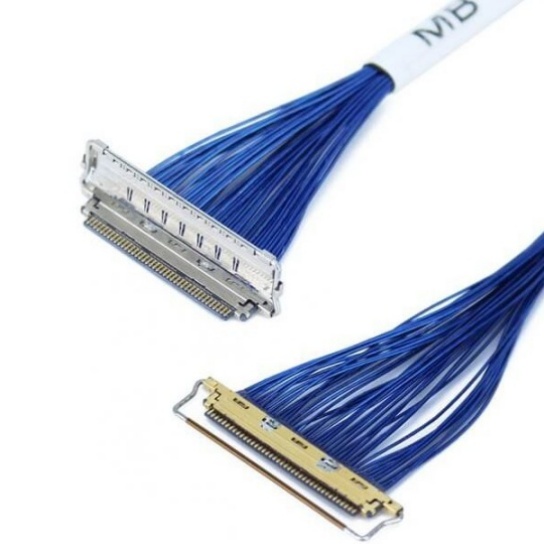
Modular cable systems with interchangeable components allow technicians to swap out faulty sections without rewiring entire systems. Standardized connectors and pin configurations adhere to industry protocols (e.g., ARINC 600), ensuring compatibility across aircraft models and reducing training time for maintenance crews.
3.2 Durability and Environmental Resilience
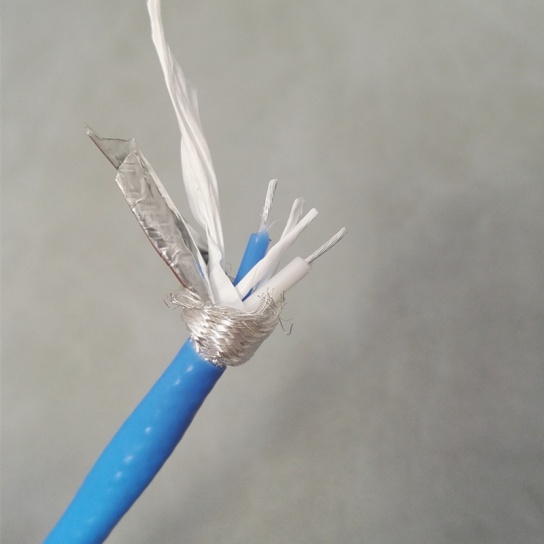
Aviation cables must withstand extreme temperatures, vibration, and chemical exposure. Materials like fluoropolymer insulation and corrosion-resistant connectors ensure longevity, even in engine bays or landing gear areas. This durability reduces the frequency of inspections and replacements, prioritizing maintenance resources for critical tasks.
3.3 Intelligent Identification and Labeling Systems
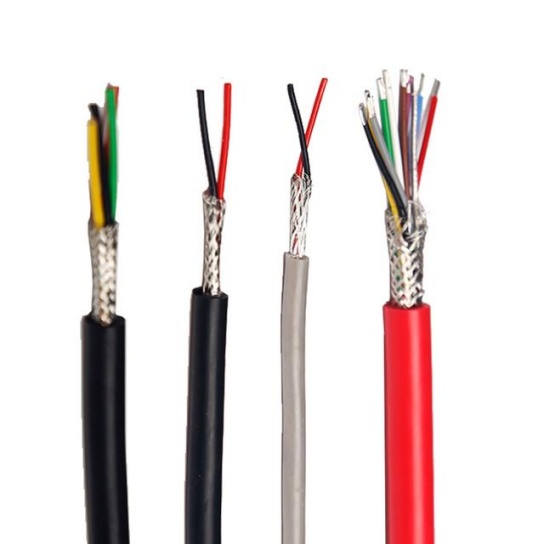
Cables equipped with clear, industry-standard labeling—such as color-coded sheaths and alphanumeric markers—enable rapid identification of functions and routes. Advanced systems may include RFID tags or QR codes that link to digital manuals, providing technicians instant access to specifications and installation guides via mobile devices.
3.4 Plug-and-Play Connectivity
Quick-release connectors with mechanical keying prevent misinstallation, ensuring secure connections in seconds. Features like snap-lock latches and self-aligning pins eliminate the need for specialized tools, accelerating component replacement during time-sensitive maintenance scenarios, such as pre-flight checks or AOG (aircraft on ground) situations.
4. FRS Brand Factory: Leading the Way in Quick-Maintenance Aviation Cables
4.1 Engineering Excellence for Maintenance Efficiency
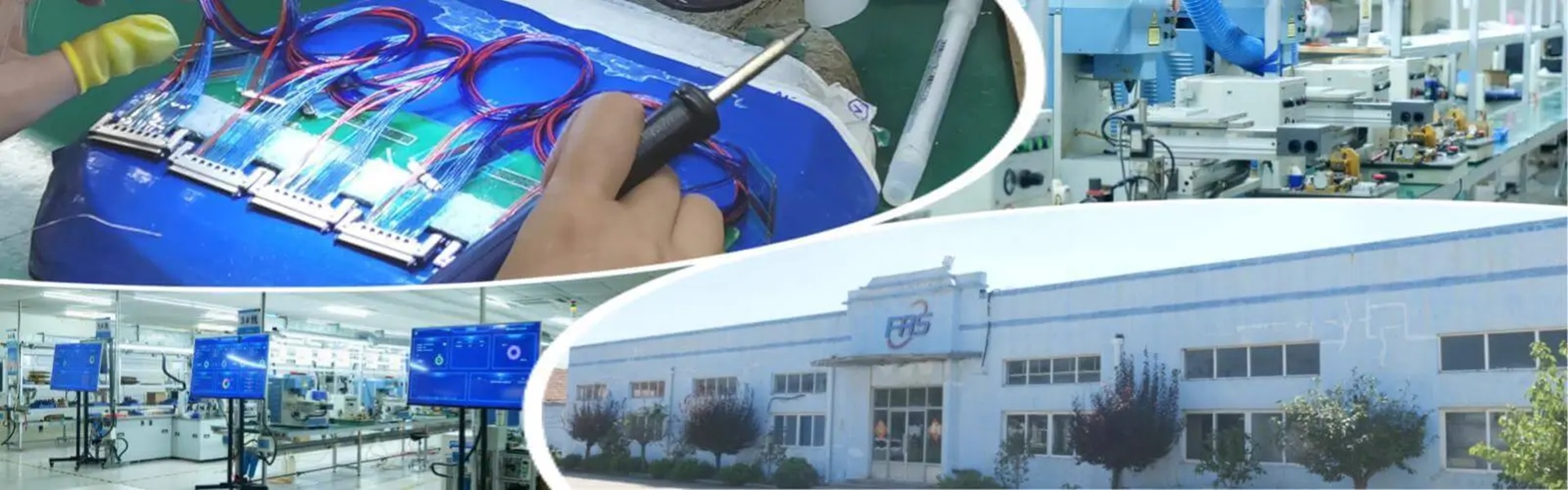
FRS Brand Factory specializes in manufacturing aviation cables designed explicitly for rapid maintenance. Their products integrate modular designs, intelligent labeling, and rugged construction, aligning with the rigorous demands of commercial, military, and general aviation sectors. Each cable undergoes stringent testing to meet FAA, EASA, and IPC-620 standards, ensuring reliability under the most challenging conditions.
4.2 Custom Solutions for Diverse Aircraft Models
Understanding that no two aircraft have identical needs, FRS offers customizable cable assemblies tailored to specific airframe configurations. Whether retrofitting legacy systems or equipping next-generation aircraft, their engineering team collaborates with clients to optimize cable routing, connectivity, and maintenance accessibility, reducing downtime from concept to installation.
4.3 Quality and Compliance Assurance
FRS prioritizes traceability and quality control, with every cable batch accompanied by detailed certification documentation. Their lean manufacturing processes eliminate waste while maintaining precision, ensuring clients receive products that not only facilitate quick maintenance but also enhance overall aircraft reliability and safety.
5. Conclusion: The Future of Efficient Aviation Maintenance
Aviation cables designed for quick maintenance are no longer a luxury but a necessity in an industry driven by safety, efficiency, and cost-effectiveness. By integrating modularity, durability, and intelligent features, these cables empower maintenance teams to work faster and more confidently, minimizing downtime and maximizing operational performance.
Soft Promotion for FRS Brand Factory
When it comes to aviation cables that prioritize both performance and maintainability, FRS Brand Factory stands as a trusted partner. With decades of expertise in crafting solutions that meet the aviation industry’s toughest standards, FRS ensures your aircraft spends more time in the sky and less time in the hangar. Discover how their innovative cable designs can transform your maintenance processes—contact FRS today to explore their range of high-quality, quick-maintenance aviation cables and experience the difference the right engineering makes.