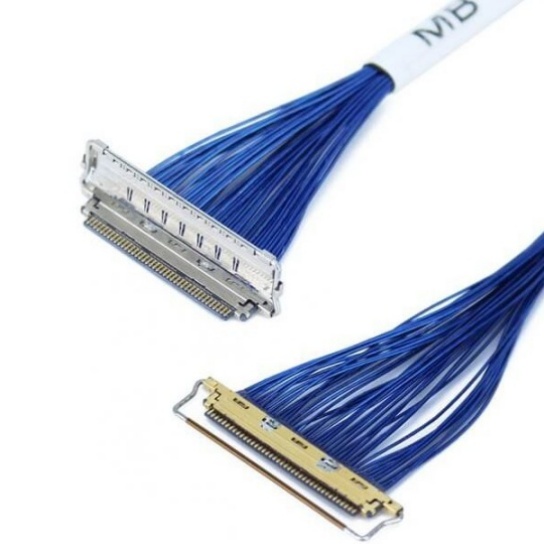
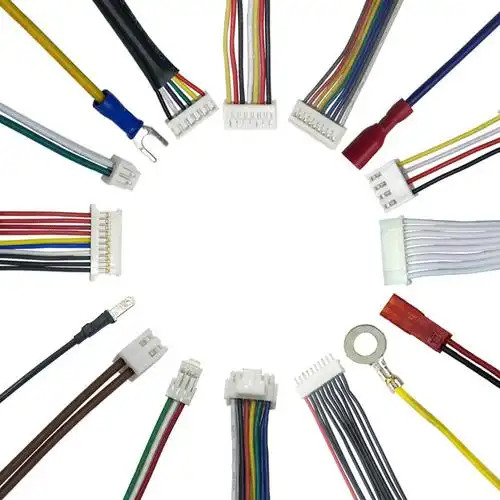
Aviation Cables for new aircraft
As the global aviation industry strides toward a new era of electrification,智能化 (intelligence), and lightweight design, the role of aviation cables in new aircraft has evolved from a mere “connecting component” to a critical backbone supporting the safety, efficiency, and advanced functionality of the entire aircraft system. Unlike traditional aircraft, modern new-generation models—such as electric vertical takeoff and landing (eVTOL) vehicles, hybrid-electric airliners, and advanced military jets—impose unprecedented demands on the performance, reliability, and adaptability of aviation cables.
Key Requirements of Aviation Cables for New Aircraft
New aircraft designs are driven by three core goals: reducing carbon emissions, enhancing operational efficiency, and integrating cutting-edge avionics. These goals directly translate to specific requirements for aviation cables:
- High-Temperature and High-Voltage Resistance: With the adoption of more electric aircraft (MEA) architectures, cables are exposed to higher operating voltages (often exceeding 500V DC) and elevated temperatures from advanced propulsion systems and compact electronic enclosures. Cables must maintain stable conductivity and insulation integrity in environments where temperatures can range from -60°C to 200°C or higher.
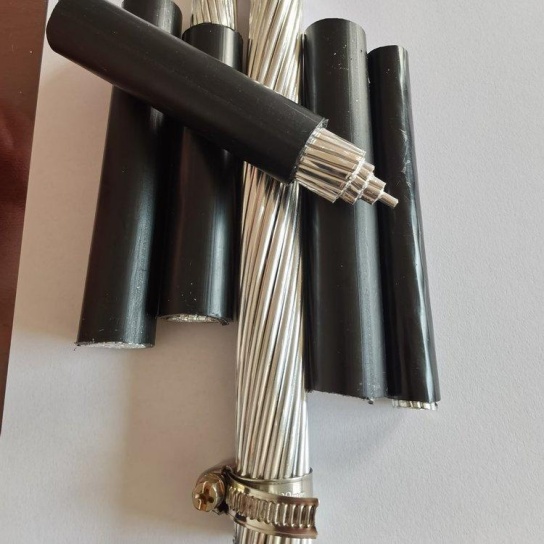
- Lightweight and Space-Saving: Every kilogram saved on the aircraft contributes to reduced fuel consumption (or battery load for electric models). Aviation cables for new aircraft use lightweight materials such as high-strength aluminum alloys and advanced polymer insulations, while also featuring smaller cross-sections without compromising current-carrying capacity. This not only reduces weight but also optimizes the use of limited space in crowded aircraft cabins and fuselages.
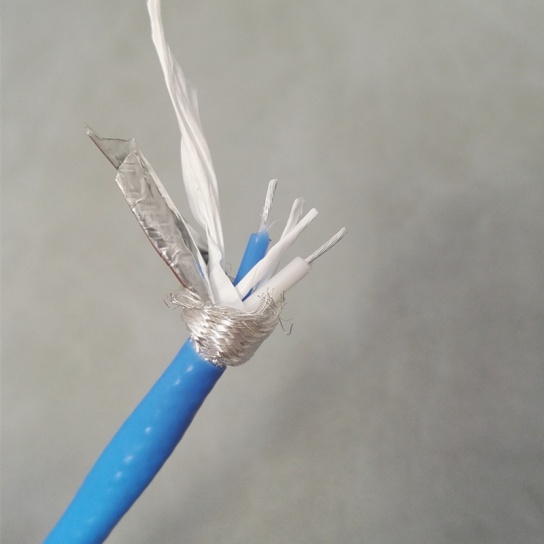
- Electromagnetic Interference (EMI) Shielding: New aircraft are equipped with a plethora of sensitive electronic systems, including radar, communication devices, and autonomous flight controllers. Aviation cables must provide robust EMI shielding to prevent signal interference between these systems, ensuring accurate data transmission and avoiding potential malfunctions that could jeopardize flight safety.
- Durability and Longevity: New aircraft are designed with longer service lives (often 20–30 years) and require minimal maintenance to lower operational costs. Cables must resist wear, abrasion, chemical exposure (such as hydraulic fluids and de-icing agents), and repeated flexing (especially in movable parts like wing flaps and landing gear) without degradation.
Technological Innovations Shaping Modern Aviation Cables
To meet the stringent demands of new aircraft, manufacturers are investing in innovative materials and designs for aviation cables:
- Advanced Insulation Materials: Traditional PVC and rubber insulations are being replaced by high-performance polymers like PEEK (Polyether Ether Ketone) and PTFE (Polytetrafluoroethylene). These materials offer superior heat resistance, chemical stability, and dielectric strength, making them ideal for harsh aviation environments.
- Fiber-Optic Integration: For high-speed data transmission (e.g., for in-flight entertainment systems, real-time sensor data, and autonomous flight controls), aviation cables are increasingly integrating fiber-optic strands. This combination of electrical conductors and optical fibers creates “hybrid cables” that reduce the number of cables needed and enhance data transfer rates.
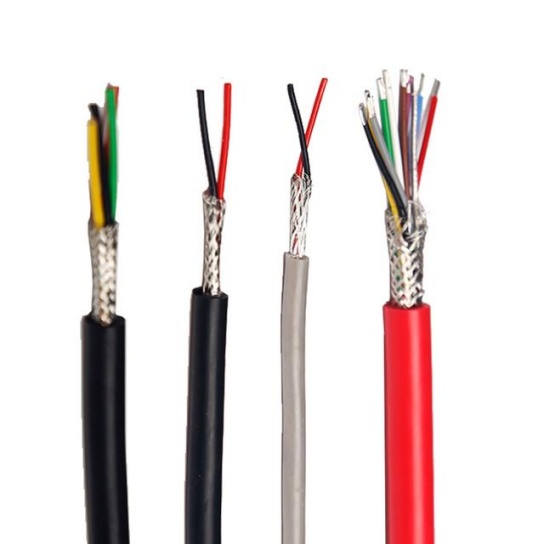
- Braided Shielding Enhancements: Instead of single-layer shielding, modern aviation cables use multi-layer braided shields made of tinned copper or aluminum. This design provides 99%+ EMI shielding effectiveness while maintaining flexibility, ensuring compatibility with the dynamic movements of aircraft components.
- Customized Configurations: New aircraft models often have unique layouts and system requirements. Manufacturers now offer customizable aviation cables, including variable conductor counts, cross-sections, and jacket materials, to tailor solutions to specific aircraft designs—from small eVTOLs to large commercial airliners.
Why FRS is the Trusted Partner for New Aircraft Aviation Cables
When it comes to sourcing high-quality aviation cables for new aircraft, FRS brand factory stands out as a leading provider with decades of expertise in the aviation and aerospace industry. FRS’s aviation cables are engineered to meet and exceed the strictest international standards, including SAE AS22759, MIL-DTL-24643, and EN 3475-601, ensuring compliance with global aviation safety regulations.
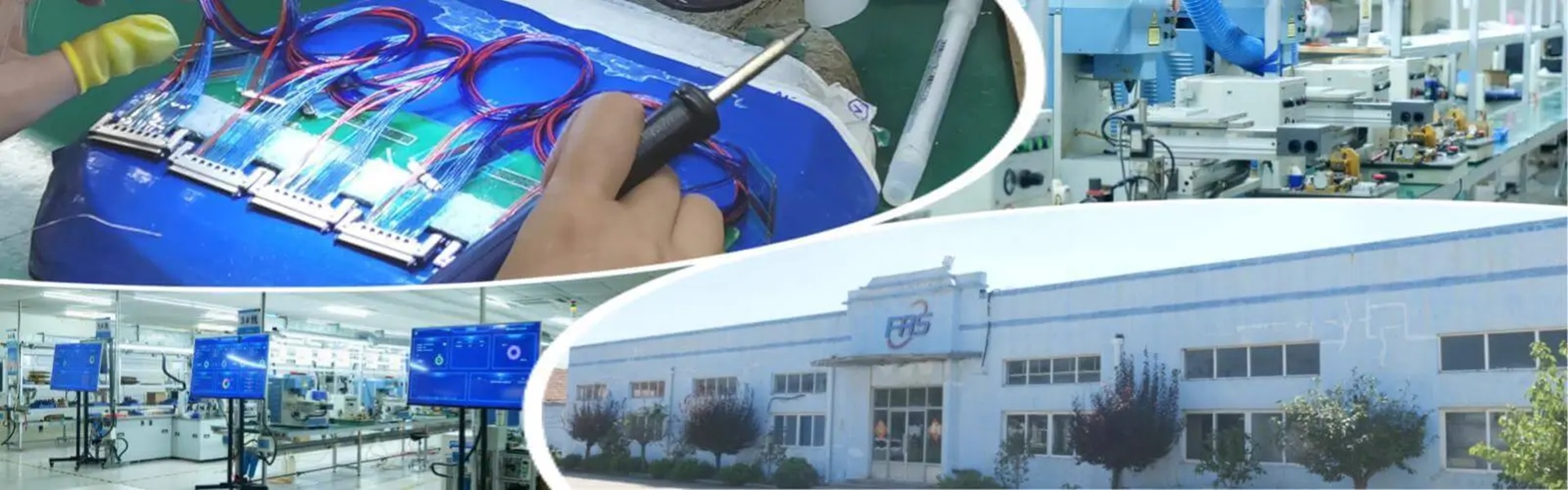
What sets FRS apart is its commitment to innovation and customer-centric solutions. The factory leverages state-of-the-art manufacturing facilities and R&D capabilities to develop cables that address the unique challenges of new aircraft—from lightweight hybrid cables for eVTOLs to high-voltage resistant cables for MEA architectures. With a focus on quality control, every FRS cable undergoes rigorous testing, including temperature cycling, voltage withstand, EMI shielding, and mechanical durability assessments, to guarantee reliability in the most demanding flight conditions.
Whether you’re designing the next generation of commercial airliners, military jets, or urban air mobility vehicles, FRS provides tailored aviation cable solutions that enhance safety, reduce weight, and support advanced aircraft functionalities. Choose FRS for your new aircraft projects—where performance and reliability take flight.