Aviation Cables for lightweight design
In the fast-paced and innovation-driven aviation industry, lightweight design has emerged as a cornerstone strategy for enhancing performance, reducing operational costs, and meeting stringent environmental regulations. Every component aboard an aircraft, no matter how small, plays a crucial role in achieving these goals—and aviation cables are no exception. As the lifelines of an aircraft’s electrical system, aviation cables transmit power, data, and signals to critical systems such as avionics, navigation, communication, and flight control. In the pursuit of lightweighting, the development of advanced aviation cables tailored for lightweight design has become a key focus for manufacturers and airlines alike.
The demand for lightweight aviation cables stems from the overarching need to optimize aircraft efficiency. Traditional aircraft cables, often made from heavy copper conductors and thick insulation materials, add unnecessary weight to the aircraft. Studies have shown that every kilogram of weight reduction can lead to significant fuel savings over an aircraft’s lifespan. For commercial airliners, which operate thousands of flights annually, this translates to millions of dollars in cost reductions and a substantial decrease in carbon emissions. Additionally, lightweighting enhances an aircraft’s payload capacity, allowing airlines to carry more passengers or cargo without compromising safety or performance. In military aviation, reduced weight improves maneuverability, range, and mission flexibility—factors that can be decisive in critical operations. Even in emerging sectors like urban air mobility (UAM) and unmanned aerial vehicles (UAVs), lightweight cables are essential for maximizing flight time and operational efficiency.
Core Characteristics of Aviation Cables for Lightweight Design
To meet the rigorous requirements of aviation lightweight design, modern aviation cables incorporate a range of advanced technologies and materials. These characteristics not only reduce weight but also ensure uncompromised performance, reliability, and safety in the harsh aviation environment.
1. Lightweight Conductor Materials
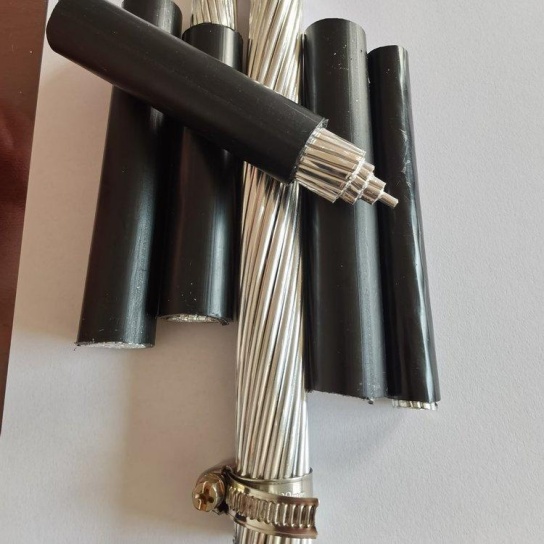
The conductor is the heart of any cable, and selecting the right material is paramount for lightweighting. While copper has long been the standard for its excellent electrical conductivity, it is relatively heavy. As a result, manufacturers are increasingly turning to alternative materials such as aluminum and copper-clad aluminum (CCA). Aluminum offers a 60% weight reduction compared to copper while maintaining good conductivity—making it an ideal choice for applications where weight is a top priority. CCA, which consists of an aluminum core coated with a thin layer of copper, combines the lightweight advantage of aluminum with the superior conductivity and corrosion resistance of copper. For high-performance applications, such as those in military or advanced avionics, manufacturers may also use specialty alloys or composite conductors that further reduce weight without sacrificing electrical performance.
2. Advanced Insulation and Sheathing Materials
Insulation and sheathing materials not only protect the conductor from physical damage and environmental factors but also contribute significantly to the cable’s overall weight. Traditional insulation materials like PVC are heavy and may not meet the high-temperature requirements of aviation applications. Instead, lightweight aviation cables use advanced polymers such as fluoropolymers (e.g., PTFE, FEP, PFA) and polyimides. These materials are not only significantly lighter than traditional options but also offer exceptional resistance to high temperatures, chemicals, oils, and radiation—critical properties for surviving the extreme conditions of the aircraft engine compartment, cabin, and exterior. Additionally, these materials have excellent dielectric strength, ensuring reliable electrical insulation even in tight spaces.
3. Optimized Cable Structure
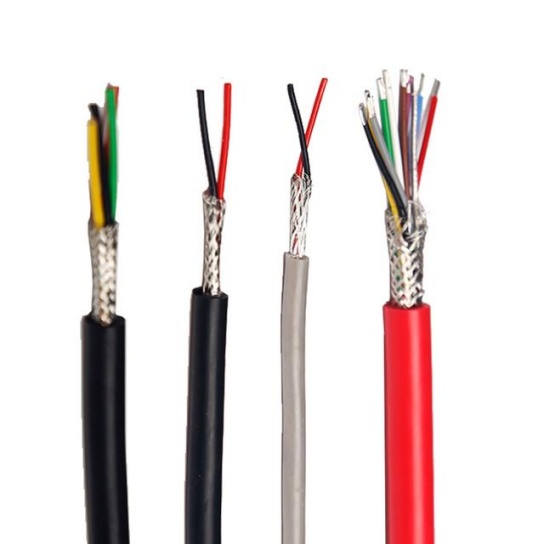
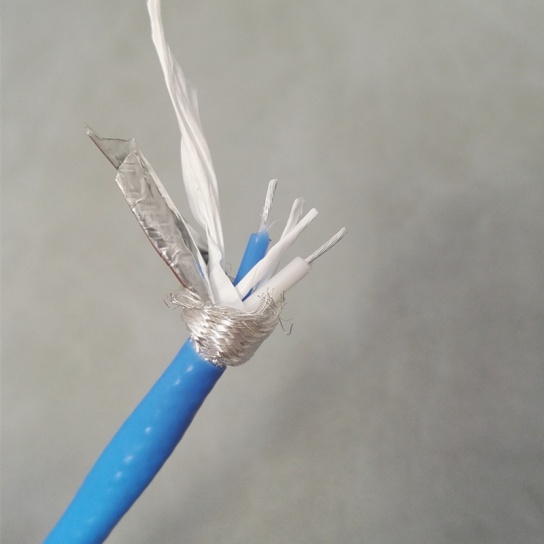
Beyond material selection, structural optimization plays a key role in reducing cable weight. Manufacturers employ innovative design techniques such as stranded conductors with smaller diameters, compact绞合 (stranding) patterns, and reduced insulation thickness (while maintaining dielectric performance). For example, using finer strands in the conductor allows for greater flexibility and a more compact design, which not only reduces weight but also makes installation easier in the limited space available aboard aircraft. Additionally, some cables feature a single-layer insulation system instead of multiple layers, further cutting down on weight without compromising protection. Shielding designs are also optimized—using lightweight braided shields or foil shields that provide effective electromagnetic interference (EMI) protection while adding minimal weight.
4. High-Strength and Durability
Lightweighting cannot come at the expense of durability. Aviation cables must withstand constant vibration, temperature fluctuations (from -65°C to 200°C or higher), mechanical stress, and exposure to harsh chemicals. To ensure longevity, lightweight cables are engineered with high-strength materials and robust construction. For instance, the sheathing may be reinforced with aramid fibers (e.g., Kevlar) to enhance tensile strength and abrasion resistance. The conductors are also designed to resist fatigue from repeated bending and vibration, ensuring reliable performance throughout the aircraft’s service life—often exceeding 20 years.
Applications of Lightweight Aviation Cables
Lightweight aviation cables are used across a wide range of aircraft systems, each with unique requirements. Their versatility and performance make them indispensable in both commercial and military aviation, as well as in emerging aviation technologies.
1. Commercial Airliners
In commercial aviation, fuel efficiency is a top priority for airlines looking to reduce operational costs and meet environmental targets. Lightweight aviation cables are used in nearly every system of a commercial airliner, including the flight control system, avionics (such as GPS, radar, and communication systems), cabin electronics (lighting, entertainment, and climate control), and engine monitoring systems. By reducing the weight of the electrical system, airlines can achieve significant fuel savings. For example, a single wide-body aircraft may use several kilometers of cable, and replacing traditional copper cables with lightweight alternatives can reduce the aircraft’s weight by tens of kilograms—leading to annual fuel savings of hundreds of thousands of liters.
2. Military Aircraft
Military aircraft require cables that are not only lightweight but also capable of withstanding extreme conditions and providing secure, reliable communication and power transmission. Lightweight aviation cables are used in fighter jets, transport aircraft, helicopters, and unmanned combat aerial vehicles (UCAVs). In fighter jets, reduced weight enhances maneuverability and speed, while in transport aircraft, it increases payload capacity for troops and equipment. Military cables also need to be resistant to EMI to prevent jamming of critical communication and navigation systems, and lightweight shielded cables are designed to meet these stringent requirements.
3. Unmanned Aerial Vehicles (UAVs) and Drones
The UAV and drone industry is rapidly growing, with applications ranging from aerial photography and surveying to logistics and military reconnaissance. For these vehicles, weight is even more critical than in manned aircraft, as it directly impacts flight time and payload capacity. Lightweight aviation cables are used to power the UAV’s motors, transmit data from sensors and cameras, and control flight systems. By using lightweight cables, drone manufacturers can extend flight time by 10-20% or increase the payload capacity for additional equipment—making the drones more versatile and cost-effective.
4. Urban Air Mobility (UAM) and Electric Vertical Takeoff and Landing (eVTOL) Vehicles
UAM and eVTOL vehicles are poised to revolutionize urban transportation, offering fast, efficient, and eco-friendly travel within cities. These electric-powered vehicles rely heavily on lightweight electrical systems, and aviation cables play a critical role in transmitting power from the battery to the motors and controlling flight systems. Lightweight cables not only reduce the vehicle’s overall weight but also help optimize the battery’s energy efficiency—extending the range and improving the performance of eVTOLs.
Performance and Compliance: Ensuring Safety in Aviation
Aviation is one of the most regulated industries in the world, and aviation cables must comply with strict international standards to ensure safety and reliability. Lightweight aviation cables are rigorously tested to meet these standards, which cover aspects such as electrical performance, mechanical strength, environmental resistance, and fire safety.
Key standards include those set by the Society of Automotive Engineers (SAE), the International Electrotechnical Commission (IEC), and the Federal Aviation Administration (FAA). For example, SAE AS22759 specifies the requirements for aircraft electrical cables, including conductor materials, insulation thickness, and temperature ratings. Cables must also pass fire tests, such as those outlined in FAR 25.853, which measure flame spread, smoke density, and toxicity—critical factors for ensuring passenger safety in the event of a fire.
In addition to meeting these standards, lightweight aviation cables undergo extensive quality control checks during manufacturing. This includes testing for conductivity, insulation resistance, tensile strength, flexibility, and resistance to vibration and temperature cycling. By adhering to these strict standards and quality control processes, manufacturers ensure that lightweight cables perform reliably in even the most demanding aviation environments.
Why Choose FRS for Your Lightweight Aviation Cable Needs?
When it comes to aviation cables for lightweight design, FRS stands out as a trusted and innovative manufacturer with decades of experience in the aerospace industry. Our commitment to excellence, cutting-edge technology, and customer-centric approach makes us the ideal partner for airlines, aircraft manufacturers, and defense contractors worldwide.
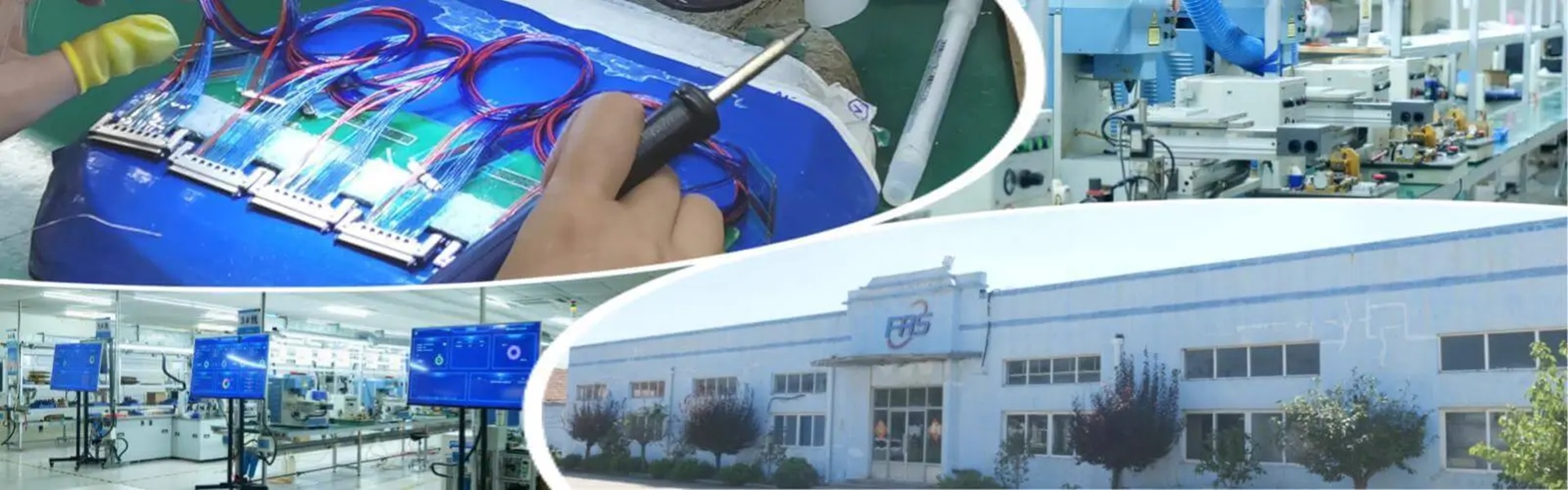
At FRS, we understand the unique challenges of aviation lightweighting, and our team of engineers and materials scientists works tirelessly to develop cables that deliver the perfect balance of weight reduction, performance, and reliability. We use only the highest-quality materials, including advanced aluminum alloys, fluoropolymers, and aramid reinforcements, to ensure our cables meet or exceed the most stringent industry standards. Our state-of-the-art manufacturing facilities are equipped with the latest technology, allowing us to produce cables with precise structural optimization—from fine-stranded conductors to thin, high-performance insulation.
What sets FRS apart is our ability to customize solutions to meet the specific needs of our customers. Whether you require cables for a commercial airliner, a military jet, or an advanced eVTOL vehicle, we can tailor our products to your exact specifications—including conductor material, insulation type, shielding design, and weight requirements. Our rigorous quality control processes, from raw material inspection to final testing, ensure that every cable leaving our factory is of the highest quality.
Furthermore, FRS is dedicated to sustainability, and our lightweight cables not only help our customers reduce fuel consumption and carbon emissions but also are manufactured using eco-friendly processes. We are committed to meeting the evolving needs of the aviation industry, and our ongoing research and development efforts ensure that we stay at the forefront of cable technology.
For aviation cables that deliver exceptional lightweight performance, uncompromised reliability, and compliance with global standards, choose FRS. Partner with us to take your aircraft’s lightweight design to the next level—and experience the difference that quality and innovation can make.