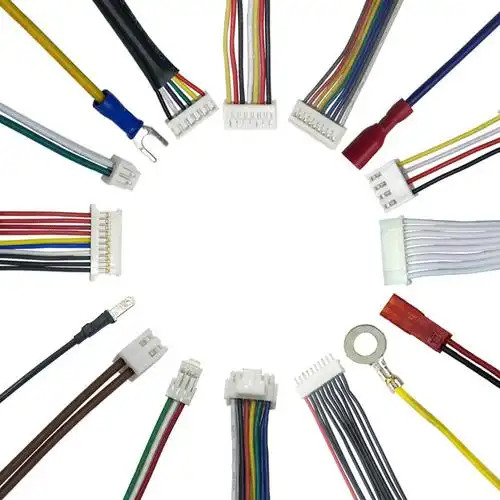
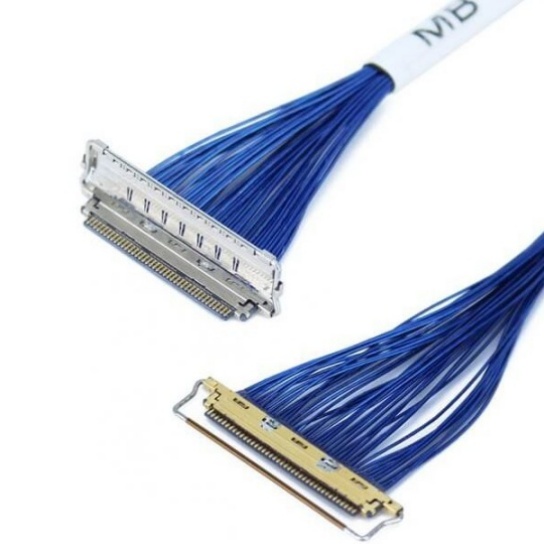
Aviation Cables for lavatory systems
In the complex ecosystem of aircraft systems, lavatory systems play a vital role in ensuring passenger comfort and overall operational efficiency. Behind the seamless functioning of these systems lies a critical component often overlooked: aviation cables. Aviation cables for lavatory systems are not ordinary wires; they are engineered to meet the stringent demands of the aerospace environment, where reliability, safety, and performance are non-negotiable.
Key Characteristics of Aviation Cables for Lavatory Systems
Aviation cables designed for lavatory systems must possess a unique set of characteristics to withstand the harsh conditions within an aircraft. Firstly, resistance to extreme environments is paramount. Aircraft lavatories experience frequent fluctuations in temperature, from the cold of high-altitude flight to the warmth of cabin conditions, as well as exposure to moisture, cleaning chemicals, and humidity. These cables are therefore constructed with materials that resist corrosion, hydrolysis, and degradation caused by such elements. For example, insulation materials like cross-linked polyethylene (XLPE) or fluoropolymers (such as PTFE) are commonly used for their excellent chemical resistance and thermal stability.
Secondly, electrical performance stability is essential. Lavatory systems rely on cables to transmit power and signals to various components, including flush mechanisms, lighting, sensors, and ventilation fans. Any disruption in electrical transmission can lead to system failures, causing inconvenience to passengers and potential operational delays. These cables are designed to maintain consistent conductivity, low electrical resistance, and effective insulation to prevent short circuits or signal interference. They also adhere to strict impedance and capacitance standards to ensure compatibility with the aircraft’s electrical system.
Thirdly, fire resistance and safety are non-negotiable in aviation. Aircraft cables must meet rigorous fire safety standards, such as those set by the Federal Aviation Administration (FAA) or the European Union Aviation Safety Agency (EASA). Aviation cables for lavatory systems are manufactured with flame-retardant materials that do not release toxic smoke or harmful gases when exposed to fire, minimizing risks to passengers and crew in emergency situations. Additionally, they are tested for resistance to mechanical stress, such as abrasion and vibration, which are common during flight.
Application-Specific Requirements
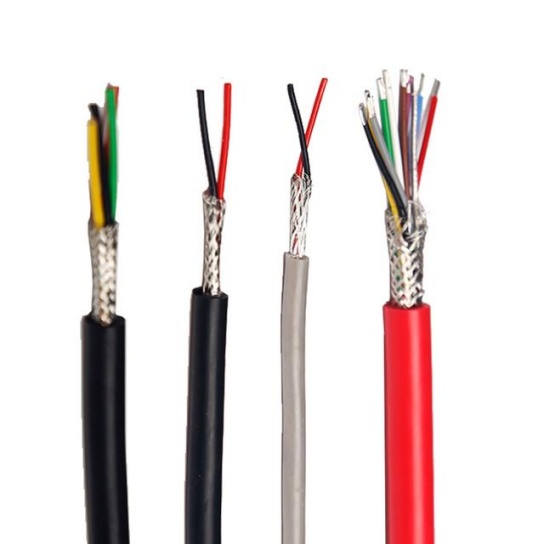
Different components of lavatory systems have specific cable requirements. For instance, flush system cables need to be durable enough to handle repeated cycles of activation and deactivation, as well as exposure to water and cleaning agents. These cables are often shielded to prevent interference from other electrical systems on the aircraft. Lighting and ventilation cables, on the other hand, may require flexibility to fit into tight spaces within the lavatory compartment, while maintaining consistent power delivery for reliable operation.
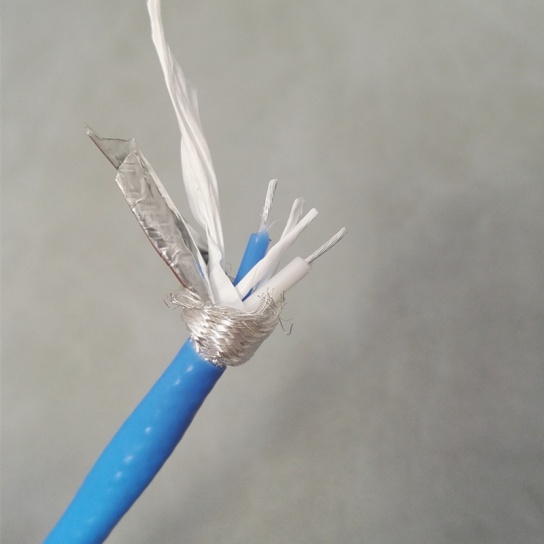
Sensors and control systems in modern aircraft lavatories, which monitor factors like occupancy, waste levels, and temperature, depend on high-precision signal cables. These cables must transmit data accurately without degradation, ensuring that the aircraft’s central systems receive real-time information to optimize lavatory functionality and maintenance scheduling. The cables used in these applications are often twisted-pair or coaxial designs to enhance signal integrity.
Considerations for Selection
When selecting aviation cables for lavatory systems, aircraft manufacturers and maintenance providers must prioritize several factors. Compliance with industry standards is the first step—cables must be certified by relevant aviation authorities to ensure they meet safety and performance requirements. Additionally, the cable’s durability and lifespan are crucial, as frequent replacement can increase maintenance costs and aircraft downtime.
Another key consideration is compatibility with the specific lavatory system design. Cables must be sized correctly to fit within the system’s wiring harnesses and connectors, and their electrical properties must align with the components they power or communicate with. Working with a reputable supplier that understands the unique needs of aviation lavatory systems is essential to ensure the right cables are selected for the job.
FRS: Your Trusted Partner for Aviation Lavatory Cables
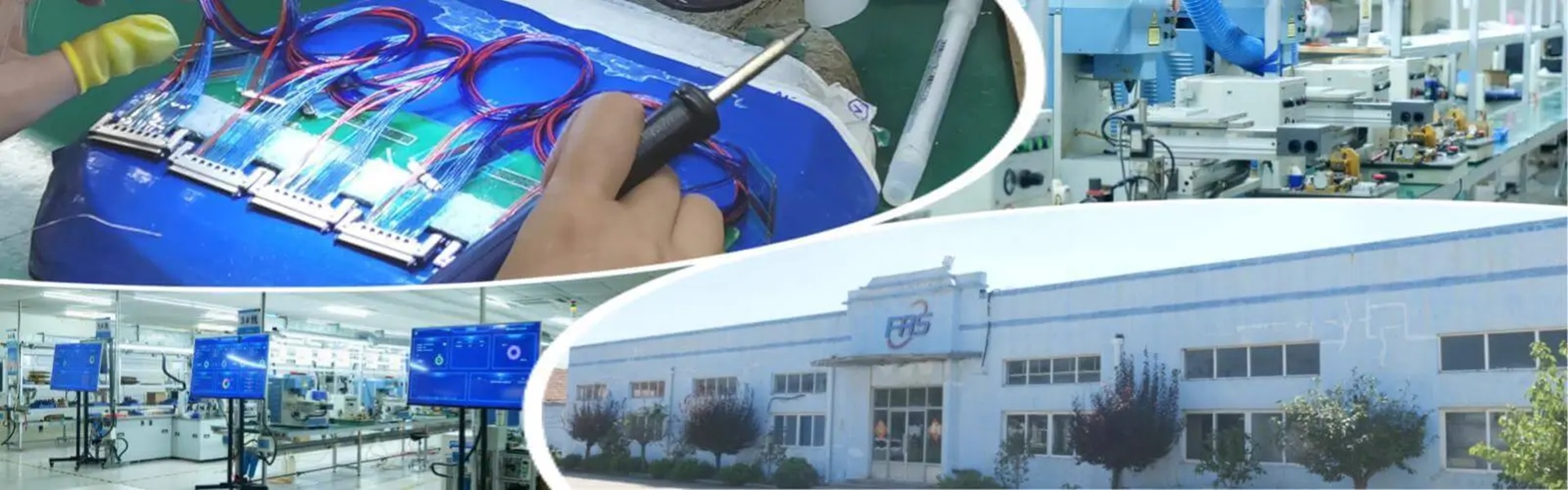
When it comes to aviation cables for lavatory systems, FRS brand factory stands out as a reliable and innovative provider. With years of experience in the aerospace industry, FRS specializes in designing and manufacturing cables that meet the strictest international aviation standards, including FAA and EASA certifications. Our cables are engineered with high-quality materials to deliver exceptional resistance to extreme environments, stable electrical performance, and superior fire safety.
At FRS, we understand the unique requirements of aviation lavatory systems and offer customized cable solutions tailored to your specific needs. Our rigorous quality control processes ensure that every cable leaving our factory is thoroughly tested for durability, reliability, and compliance. Whether you need cables for flush systems, sensors, or lighting, FRS is committed to providing products that enhance the performance and safety of your aircraft lavatory systems. Choose FRS for aviation cables you can trust.