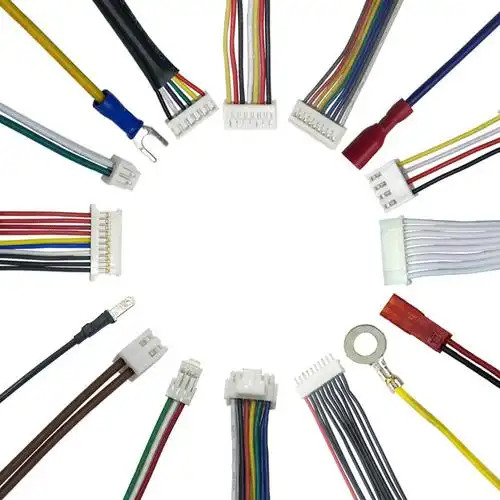
Aviation Cables for ISO standards
In the aviation industry, where safety, reliability, and performance are non-negotiable, every component plays a critical role in ensuring the smooth and secure operation of aircraft. Among these components, aviation cables stand out as the lifelines that transmit power, data, and signals across various systems—from flight control and navigation to communication and entertainment. Given the high-stakes nature of aviation, these cables cannot be manufactured or used arbitrarily. They must adhere to stringent international standards, with the International Organization for Standardization (ISO) setting the benchmark for quality, consistency, and safety. This article delves into the significance of ISO standards for aviation cables, the key standards governing their production and performance, the characteristics of ISO-compliant aviation cables, their diverse applications, and why choosing a trusted manufacturer like FRS is essential for meeting these rigorous requirements.
The Critical Role of ISO Standards in Aviation Cables
Aviation is a global industry, with aircraft crossing international borders and operating in diverse and extreme environments—from freezing temperatures at high altitudes to humid conditions in tropical regions, and even exposure to chemicals, vibration, and electromagnetic interference. In such scenarios, the failure of a single cable could lead to catastrophic consequences, including loss of communication, malfunctioning of flight controls, or even accidents. ISO standards address these risks by establishing uniform criteria for the design, materials, manufacturing processes, testing, and performance of aviation cables. These standards ensure that regardless of where the cables are produced or used, they meet the same high level of quality and reliability, fostering trust among manufacturers, airlines, and regulatory bodies worldwide.
Moreover, compliance with ISO standards is not just a matter of safety; it is also a legal and regulatory requirement in most countries. Aviation regulatory authorities such as the Federal Aviation Administration (FAA) in the United States and the European Union Aviation Safety Agency (EASA) mandate that aviation components, including cables, adhere to recognized international standards like those set by ISO. Non-compliant cables may be rejected during inspections, leading to delays in aircraft production or maintenance, and potential legal liabilities for the parties involved. Thus, ISO standards serve as a common language that unites the global aviation industry, ensuring consistency, safety, and regulatory compliance.
Key ISO Standards Governing Aviation Cables
ISO has developed a range of standards specifically tailored to aviation cables, covering various aspects of their design, performance, and testing. Understanding these standards is crucial for manufacturers, suppliers, and buyers to ensure that the cables they produce or procure meet the required specifications. Below are some of the most important ISO standards related to aviation cables:
ISO 6722: Aerospace Cables – Single-Core and Multi-Core Cables for General Purpose
ISO 6722 is one of the most widely recognized standards for aviation cables. It specifies the requirements for single-core and multi-core, insulated, and sheathed cables used in aerospace applications, excluding those intended for specific purposes such as high-temperature or high-voltage applications. The standard covers aspects such as conductor materials (typically copper or copper alloys), insulation materials (including polyvinyl chloride, polyethylene, and fluoropolymers), sheath materials, and mechanical and electrical properties. It also outlines testing methods for resistance to temperature, vibration, impact, chemical exposure, and flame propagation. Cables compliant with ISO 6722 are designed to withstand the general operating conditions of aircraft, making them suitable for a wide range of non-specialized applications.
ISO 19642: Aerospace Cables – High-Temperature Cables
Aircraft engines and certain other systems generate extremely high temperatures, requiring cables that can operate reliably in such harsh environments. ISO 19642 addresses this need by specifying the requirements for high-temperature aerospace cables. These cables are designed to withstand continuous operating temperatures ranging from 150°C to 260°C, depending on the specific type, and may also need to resist thermal shock and exposure to hot oils or fuels. The standard defines the materials for conductors, insulation (such as perfluoroalkoxy alkane or polyimide), and sheaths, as well as testing procedures for temperature resistance, dielectric strength, and mechanical durability under high-temperature conditions. Compliance with ISO 19642 ensures that cables used in high-temperature zones of aircraft maintain their performance and safety over time.
ISO 14313: Aerospace – Cables, Wires and Harnesses – Test Methods
While ISO 6722 and ISO 19642 focus on the requirements for cables, ISO 14313 provides the test methods necessary to verify compliance with these and other aviation cable standards. This standard outlines a comprehensive set of tests to evaluate the mechanical, electrical, and environmental performance of cables, wires, and wire harnesses. Tests include conductor resistance measurement, insulation resistance and dielectric strength testing, flame resistance testing (using methods such as the vertical flame test or the 60-second vertical burn test), abrasion resistance testing, vibration testing, and resistance to chemicals and fluids commonly found in aircraft (such as hydraulic fluids, jet fuel, and cleaning agents). By following the test methods specified in ISO 14313, manufacturers can ensure that their cables consistently meet the performance criteria set by other ISO standards.
ISO 26262: Functional Safety of Road Vehicles – Application to Aviation?
While ISO 26262 is primarily focused on functional safety for road vehicles, its principles are increasingly being referenced in the aviation industry, especially for cables used in safety-critical systems. Functional safety refers to the ability of a system or component to perform its intended function without causing harm. For aviation cables used in flight control, navigation, or emergency systems, functional safety is paramount. Although ISO has not yet developed a direct equivalent of ISO 26262 for aviation, many aviation cable manufacturers adopt its risk assessment and safety management methodologies to enhance the reliability of their products. This ensures that cables are designed and tested to minimize the risk of failure in safety-critical applications, aligning with the aviation industry’s commitment to zero accidents.
Characteristics of ISO-Compliant Aviation Cables
ISO-compliant aviation cables are engineered to possess a unique set of characteristics that enable them to perform reliably in the demanding aviation environment. These characteristics are directly derived from the requirements outlined in the relevant ISO standards and are essential for ensuring safety and performance. Some of the key characteristics include:
Exceptional Temperature Resistance
As mentioned earlier, aircraft operate in extreme temperature ranges. ISO-compliant cables are designed to withstand both high and low temperatures without degradation. For example, general-purpose cables under ISO 6722 can typically operate in temperatures ranging from -60°C to 125°C, while high-temperature cables under ISO 19642 can handle much higher temperatures. This temperature resistance ensures that the cables maintain their electrical conductivity and mechanical strength, even when exposed to the extreme heat of engine compartments or the freezing cold of high altitudes.
Flame Resistance and Low Smoke Emission
In the event of a fire on an aircraft, the spread of flames and the emission of toxic smoke can be as dangerous as the fire itself. ISO standards mandate that aviation cables have excellent flame resistance and emit low levels of smoke and toxic gases. Cables are tested using rigorous flame propagation tests, such as those specified in ISO 14313, to ensure that they do not support combustion or spread flames beyond a certain limit. Additionally, the insulation and sheath materials are chosen for their low smoke density and low toxicity, reducing the risk of inhalation injuries to passengers and crew in case of a fire.
Mechanical Durability
Aircraft are subject to constant vibration during flight, as well as mechanical stress during maintenance and operation. ISO-compliant aviation cables are built to be mechanically durable, with strong conductors and robust insulation and sheath materials that can withstand vibration, impact, abrasion, and bending without damage. This durability ensures that the cables do not break or fray over time, preventing short circuits or signal loss that could compromise the operation of aircraft systems.
Electromagnetic Compatibility (EMC)
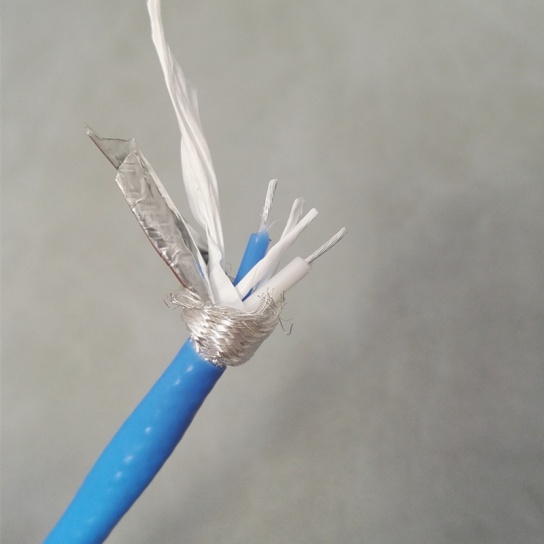
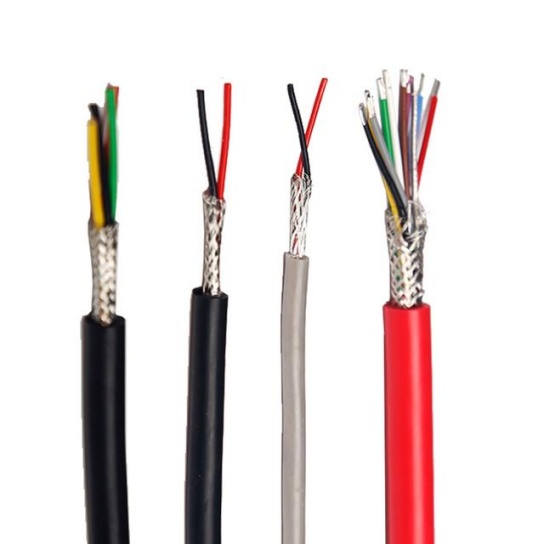
Modern aircraft are equipped with a wide range of electronic systems, including radar, communication devices, and navigation equipment. These systems generate electromagnetic fields that can interfere with the signals transmitted by aviation cables. ISO standards require that aviation cables have good electromagnetic compatibility, meaning they are both immune to external electromagnetic interference and do not emit electromagnetic radiation that could disrupt other systems. This is achieved through the use of shielding materials (such as braided copper or aluminum foil) and twisted pair configurations, which help to minimize signal interference.
Resistance to Chemicals and Fluids
Aircraft cables come into contact with various chemicals and fluids, including hydraulic fluids, jet fuel, lubricants, and cleaning agents. ISO-compliant cables are resistant to these substances, ensuring that their insulation and sheath materials do not degrade or swell when exposed to them. This chemical resistance prevents the cables from losing their electrical or mechanical properties, even in harsh chemical environments.
Applications of ISO-Compliant Aviation Cables
ISO-compliant aviation cables are used in a wide range of applications across commercial, military, and general aviation aircraft. Their versatility and reliability make them suitable for both non-safety-critical and safety-critical systems. Some of the key applications include:
Flight Control Systems
Flight control systems are among the most safety-critical components of an aircraft, as they directly govern the aircraft’s movement and stability. ISO-compliant cables are used to transmit signals between the flight control stick, rudder pedals, and the control surfaces (such as ailerons, elevators, and rudders). These cables must be extremely reliable, as any failure could lead to a loss of control of the aircraft. Cables used in flight control systems often comply with ISO 6722 or ISO 19642, depending on the temperature and environmental conditions of the installation location.
Navigation and Communication Systems
Navigation systems, such as GPS, inertial navigation systems, and radar, rely on accurate signal transmission to guide the aircraft. Communication systems, including VHF radios, satellite communication devices, and intercom systems, also require high-quality cables to ensure clear and uninterrupted communication. ISO-compliant cables with good EMC properties are essential for these systems, as they prevent signal interference that could disrupt navigation or communication.
Power Distribution Systems
Aircraft power distribution systems supply electricity to various components, including lights, avionics, and cabin systems. ISO-compliant power cables are designed to carry the required current without overheating or voltage drop. These cables must have low conductor resistance and robust insulation to ensure safe and efficient power transmission. General-purpose power cables typically comply with ISO 6722, while those used in high-temperature areas (such as near the engine) may comply with ISO 19642.
Cabin Systems
Cabin systems include passenger entertainment systems, lighting, climate control, and seat controls. While these systems are not always safety-critical, they still require reliable cables to ensure passenger comfort and satisfaction. ISO-compliant cables used in cabin systems are designed to be lightweight and flexible, making them easy to install in the confined spaces of the aircraft cabin. They also comply with flame resistance and low smoke emission requirements to ensure passenger safety in case of a fire.
Military and Specialized Aviation
Military aircraft and specialized aviation vehicles (such as helicopters, drones, and spacecraft) have even more demanding requirements for cables due to their unique operating environments. These cables may need to withstand extreme temperatures, high levels of vibration, shock, and exposure to radiation or chemical warfare agents. ISO standards provide a foundation for these specialized cables, with additional requirements often added to meet the specific needs of military or aerospace applications. Manufacturers of military aviation cables work closely with defense organizations to ensure that their products meet both ISO standards and military specifications.
Why Choose FRS for ISO-Compliant Aviation Cables?
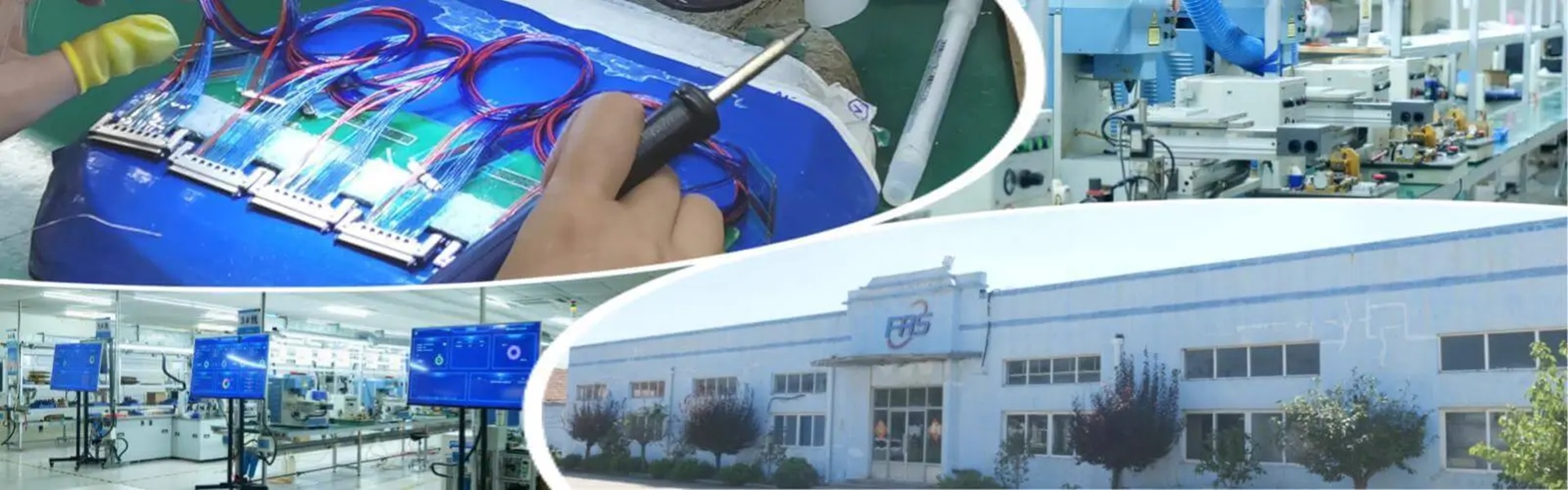
When it comes to aviation cables that meet the rigorous requirements of ISO standards, choosing the right manufacturer is crucial. FRS is a leading brand in the aviation cable industry, with decades of experience in designing, manufacturing, and supplying high-quality ISO-compliant aviation cables to customers worldwide. Our commitment to quality, safety, and innovation has made us a trusted partner for airlines, aircraft manufacturers, and defense organizations.
At FRS, we adhere strictly to all relevant ISO standards, including ISO 6722, ISO 19642, and ISO 14313, throughout every stage of the manufacturing process. From the selection of premium materials (such as high-purity copper conductors and flame-retardant fluoropolymer insulation) to the implementation of advanced manufacturing techniques and rigorous testing procedures, we ensure that every cable leaving our factory meets or exceeds the highest quality standards. Our state-of-the-art testing facilities are equipped to perform all the tests specified in ISO standards, including temperature resistance, flame propagation, EMC, and mechanical durability tests, guaranteeing the reliability and performance of our products.
In addition to compliance with ISO standards, FRS offers a high level of customization to meet the unique needs of our customers. We understand that different aircraft applications have specific requirements, and our team of experienced engineers works closely with customers to design cables that are tailored to their exact specifications—whether it’s a high-temperature cable for an engine compartment or a lightweight, flexible cable for the cabin. Our ability to provide customized solutions, combined with our strict quality control, ensures that our customers receive cables that are perfectly suited to their applications.
FRS also prides itself on its commitment to customer service and on-time delivery. We understand that in the aviation industry, time is of the essence, and delays in the supply of components can be costly. Our efficient production processes and global supply chain enable us to deliver orders quickly and reliably, ensuring that our customers’ production or maintenance schedules are not disrupted. We also provide comprehensive technical support, with a team of experts available to answer any questions and provide guidance on the selection and use of our cables.
In conclusion, ISO standards are the cornerstone of quality and safety for aviation cables, ensuring that they can perform reliably in the demanding aviation environment. FRS is dedicated to producing ISO-compliant aviation cables that meet the highest standards of quality, reliability, and performance. With our commitment to innovation, customization, and customer service, we are the ideal partner for all your aviation cable needs. Choose FRS, and experience the peace of mind that comes with using cables that are built to fly safely and reliably, every time.