Aviation Cables for IFE Systems: Key Considerations, Types, and Performance Standards
In-flight Entertainment (IFE) systems have become a critical part of the passenger experience, transforming long-haul flights from tedious waits into engaging journeys. Behind every seamless IFE experience—whether streaming movies, accessing Wi-Fi, or charging devices—lies a network of specialized aviation cables designed to meet the unique demands of the aerospace environment. Unlike standard commercial cables, aviation cables for IFE systems must balance reliability, durability, and performance to operate safely at 35,000 feet.
1. Critical Performance Requirements for IFE Aviation Cables
Aviation environments pose extreme challenges: rapid altitude changes, temperature fluctuations (-55°C to 125°C), vibration, and strict weight constraints. For IFE cables, these conditions translate to non-negotiable performance standards:
- High-Speed Data Transmission: Modern IFE systems require 4K/8K video streaming, real-time Wi-Fi, and interactive features. Cables must support bandwidths of up to 18 Gbps (for HDMI 2.1) or 10 Gbps (for USB 3.2) to avoid lag or pixelation.
- Lightweight & Space-Efficient: Every gram matters in aviation—IFE cables use compact, low-density materials (e.g., stranded copper conductors with ETFE insulation) to reduce aircraft weight without sacrificing strength.
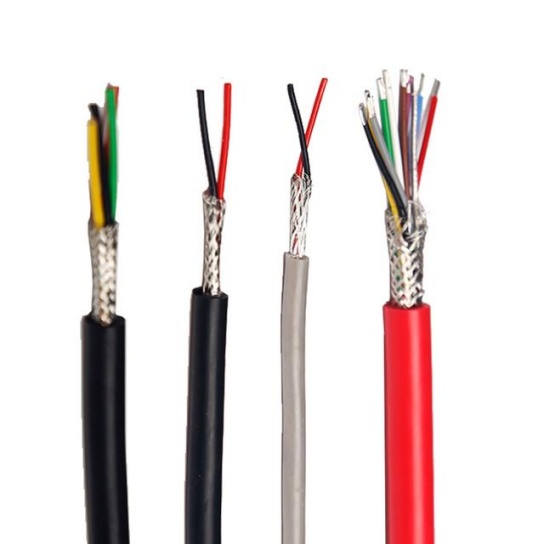
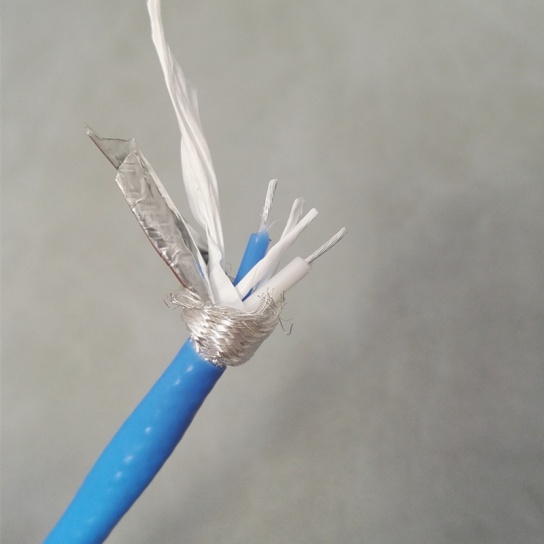
- EMI/RFI Shielding: Aircraft are filled with electronic systems (radars, navigation tools). IFE cables need multi-layer shielding (aluminum foil + braided copper) to block electromagnetic interference (EMI) and radio frequency interference (RFI), preventing signal disruption.
- Flame & Smoke Compliance: Aerospace regulations (e.g., FAA FAR 25.853) mandate cables that resist burning and produce minimal smoke/toxins in case of fire. Materials like PTFE or FEP insulation meet these safety standards.
2. Common Types of Aviation Cables for IFE Systems
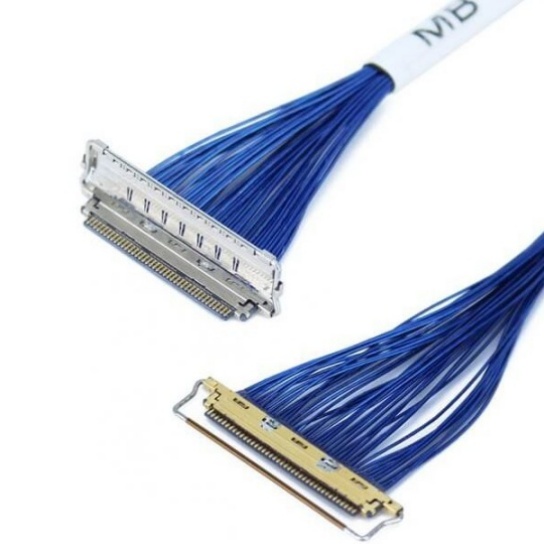
IFE systems rely on diverse cable types to connect displays, seat-back controls, power ports, and central servers. Each type serves a specific function:
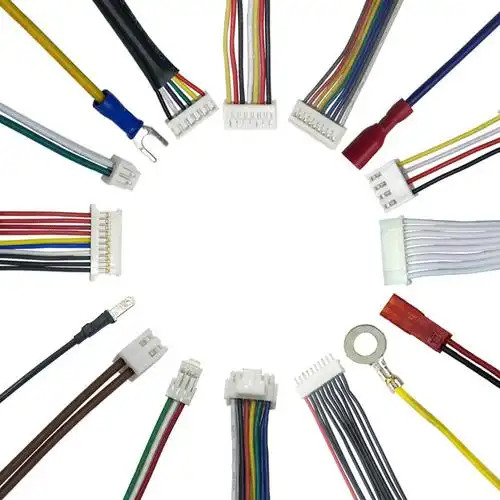
- HDMI Cables (High-Definition Multimedia Interface): Used to transmit uncompressed 4K/8K video and audio from the IFE server to seat displays. Aviation-grade HDMI cables feature ruggedized connectors (e.g., HDMI Type A with locking mechanisms) to withstand vibration.
- USB Cables (Universal Serial Bus): Enable passenger device charging and data transfer (e.g., connecting a laptop to the IFE system). Aviation USB cables are rated for 2.4A+ current and use abrasion-resistant jackets to endure frequent plugging/unplugging.
- Fiber Optic Cables: Ideal for long-distance signal transmission (e.g., connecting the front and rear of the aircraft). They are immune to EMI/RFI, lightweight, and support ultra-high bandwidths—critical for large IFE networks on wide-body planes.
- Power Cables: Supply stable power to IFE components (displays, servers, charging ports). They comply with aerospace voltage standards (115V AC/28V DC) and include overcurrent protection to prevent electrical hazards.
3. Installation & Maintenance Best Practices
Even high-quality IFE cables fail if installed or maintained improperly. Adhering to these guidelines ensures long-term reliability:
- Space-Saving Routing: Aircraft cabins have limited space. Cables should be routed along existing structural channels (e.g., under seats, inside overhead bins) to avoid tangling or damage from passenger movement.
- Compliance with Aerospace Standards: All installations must follow regulations from organizations like the FAA (U.S.), EASA (Europe), or CAAC (China). This includes using certified connectors and avoiding unapproved modifications.
- Regular Inspection: Conduct pre-flight and annual checks to identify wear—look for frayed jackets, loose connectors, or signs of corrosion. Replace cables immediately if they fail continuity or insulation resistance tests.
4. Future Trends in IFE Aviation Cables
As IFE systems evolve, so do the cables that power them. Two key trends are shaping the market:
- Higher Bandwidth Support: The shift to 8K video and immersive VR/AR experiences will demand cables with 48 Gbps+ bandwidth (e.g., HDMI 2.1a or Thunderbolt 4).
- Eco-Friendly Materials: Airlines are prioritizing sustainability. Manufacturers are developing cables using recycled copper and bio-based insulators, reducing carbon footprints without compromising performance.
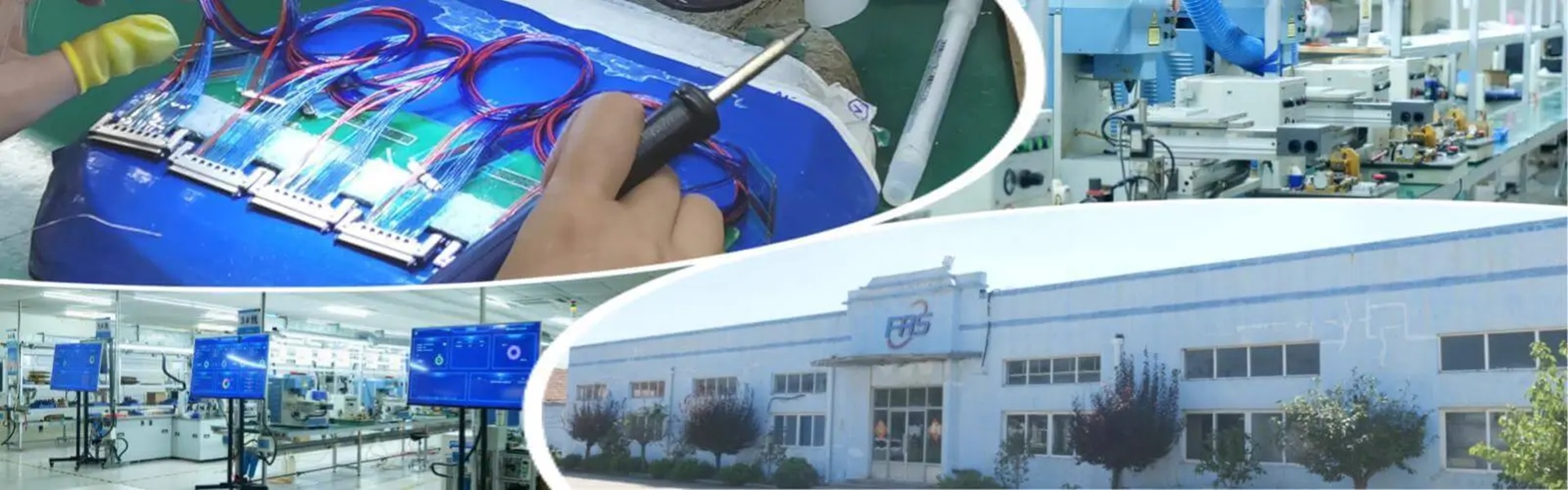
When it comes to aviation cables for IFE systems, reliability and compliance are non-negotiable—and FRS brand factory delivers on both. With over a decade of experience in aerospace cable manufacturing, FRS produces IFE cables that meet FAA, EASA, and ISO 19642 standards. Every cable undergoes rigorous testing (vibration, temperature cycling, EMI shielding) to ensure it performs flawlessly in extreme flight conditions. Whether you need custom HDMI cables for narrow-body planes or fiber optic solutions for wide-body aircraft, FRS offers tailored products that balance performance, weight, and safety. Partner with FRS to keep your IFE systems running smoothly—from takeoff to landing.