Aviation Cables for ICAO standards
In the global aviation industry, safety, reliability, and compliance are the cornerstones that ensure the smooth and secure operation of every flight. Among the numerous components that contribute to aviation safety, aviation cables play a critical role as the “nervous system” of aircraft, transmitting vital signals and power across various systems. However, not all aviation cables are created equal. To meet the rigorous demands of international aviation, these cables must adhere to the strict standards set by the International Civil Aviation Organization (ICAO). This article delves into the significance of Aviation Cables for ICAO standards, exploring their key requirements, essential characteristics, applications, and why choosing compliant cables is non-negotiable for aviation stakeholders.
Understanding ICAO: The Global Authority on Aviation Standards
The International Civil Aviation Organization (ICAO) is a specialized agency of the United Nations established in 1944 to promote the safe, secure, and efficient development of international civil aviation. With 193 Member States, ICAO sets global standards and recommended practices (SARPs) that govern all aspects of aviation, from aircraft design and manufacturing to air traffic management and airport operations. These standards are not merely guidelines but are widely adopted by national aviation regulatory bodies (such as the FAA in the United States, EASA in Europe, and CAAC in China) to ensure uniformity and high safety levels across borders.
When it comes to aviation cables, ICAO’s standards are designed to address the unique challenges posed by the aviation environment. Aircraft operate in extreme conditions—wide temperature fluctuations, high humidity, vibration, electromagnetic interference (EMI), and exposure to fuels, oils, and other harsh chemicals. ICAO’s specifications for aviation cables are therefore engineered to ensure that these components can withstand these conditions while maintaining optimal performance, thereby preventing system failures that could lead to catastrophic consequences.
Key ICAO Standards for Aviation Cables
ICAO’s standards for aviation cables cover a wide range of technical parameters, each tailored to ensure the cables’ safety and reliability. While the specific requirements may vary depending on the type of cable and its application within the aircraft, several core standards are universally applicable:
1. Flame Retardancy and Smoke Emission
One of the most critical ICAO requirements for aviation cables is flame retardancy. In the event of a fire onboard an aircraft, cables must not contribute to the spread of flames. ICAO specifies strict flame test protocols, such as those outlined in ISO 6722 (for aircraft cables) and FAR 25.853 (a U.S. standard adopted by ICAO), which measure the cable’s ability to resist ignition and prevent flame propagation. Additionally, cables must emit low levels of smoke and toxic fumes. Smoke inhalation is a major cause of fatalities in aircraft fires, so ICAO standards limit the density of smoke produced by cables when exposed to high temperatures, as well as the release of harmful substances like halogens. Cables compliant with ICAO standards often use materials such as fluoropolymers (e.g., PTFE, FEP) or cross-linked polyethylene (XLPE), which offer excellent flame retardancy and low smoke emission.
2. Temperature Resistance
Aircraft cables must operate reliably across a broad temperature range. From the extreme cold of high-altitude flight (as low as -65°C) to the heat generated by engine compartments or electrical systems (up to 150°C or higher), ICAO standards mandate that cables maintain their electrical and mechanical properties under these conditions. For example, cables used in engine areas may need to withstand continuous temperatures of 200°C, while those in the cabin or avionics bays may have a slightly lower but still stringent range. Compliance with these temperature requirements ensures that cables do not become brittle, crack, or melt, which could disrupt signal or power transmission.
3. Electrical Performance
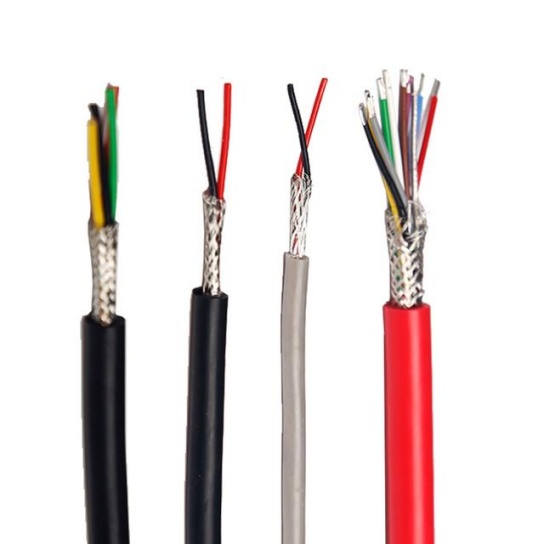
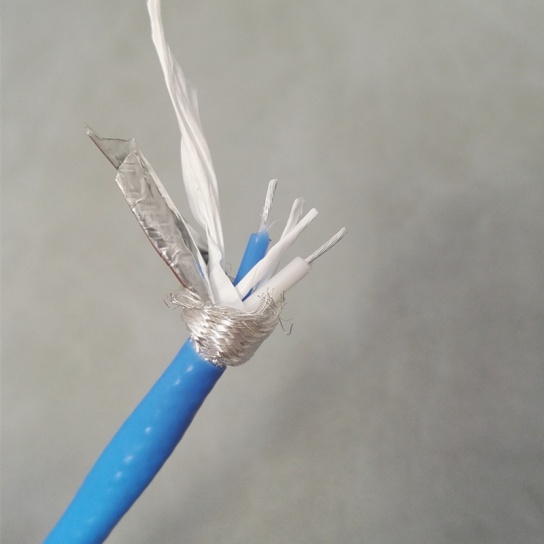
ICAO sets strict limits on the electrical performance of aviation cables to ensure accurate and uninterrupted signal transmission. This includes specifications for conductor resistance, insulation resistance, capacitance, and impedance. For instance, signal cables used in avionics systems (such as those connecting navigation equipment or flight control systems) must have low capacitance to prevent signal distortion, while power cables must have low conductor resistance to minimize power loss. Additionally, cables must be shielded to protect against electromagnetic interference (EMI) and radio frequency interference (RFI). EMI from other electrical systems onboard the aircraft can disrupt sensitive signals, so ICAO-compliant cables often feature braided shields or foil shields to isolate the conductor and maintain signal integrity.
4. Mechanical Durability
Aircraft are subject to constant vibration during takeoff, landing, and flight, as well as physical stress from installation and maintenance. ICAO standards therefore require aviation cables to have high mechanical durability, including resistance to abrasion, flexing, and impact. The cable’s insulation and jacketing materials must be tough enough to withstand repeated bending without cracking, and the conductor must be strong enough to resist breakage. For example, cables used in movable parts of the aircraft (such as wing flaps or landing gear) must have excellent flex life to endure thousands of cycles of movement without failure.
5. Chemical Resistance
Aviation cables come into contact with a variety of chemicals, including jet fuel, hydraulic fluid, engine oil, and cleaning agents. ICAO standards require cables to be resistant to these substances to prevent degradation of the insulation or jacketing. Materials like PTFE and FEP are highly resistant to most aviation chemicals, ensuring that the cable’s performance is not compromised even after prolonged exposure. This chemical resistance is particularly important in engine compartments and fuel systems, where cable failure due to chemical damage could have severe consequences.
Applications of ICAO-Compliant Aviation Cables
ICAO-compliant aviation cables are used in nearly every system of an aircraft, from critical flight controls to passenger comfort systems. Some of the key applications include:
- Avionics Systems: These systems, which include navigation, communication, and flight management systems, rely on high-performance signal cables to transmit accurate data. ICAO-compliant cables ensure that signals from GPS, radar, and other avionics equipment are not distorted by EMI, enabling pilots to make informed decisions.
- Flight Control Systems: The flight control system is one of the most critical components of an aircraft, and its cables must be extremely reliable. ICAO-compliant cables are used to connect the pilot’s controls to the aircraft’s ailerons, elevators, and rudder, ensuring that commands are transmitted instantly and accurately.
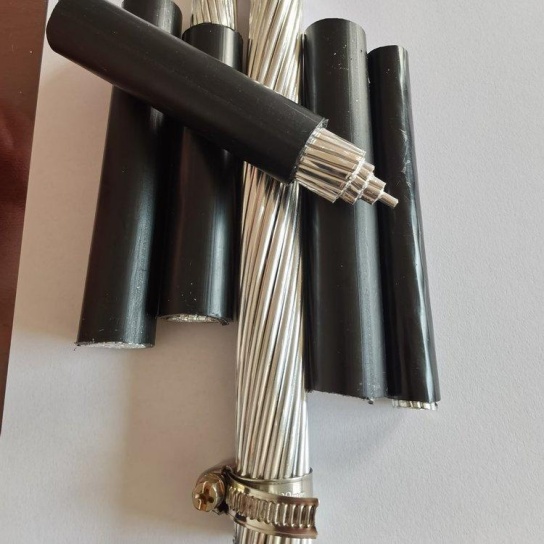
- Power Distribution: Aircraft require a reliable power supply to operate their electrical systems, from engines to lighting. ICAO-compliant power cables are designed to carry high currents without overheating, ensuring that power is distributed safely and efficiently throughout the aircraft.
- Engine and Auxiliary Power Units (APUs): The engine and APU generate high temperatures and are exposed to harsh chemicals, so the cables used in these areas must meet the most stringent ICAO standards for temperature and chemical resistance. These cables power engine controls, sensors, and other critical components.
- Cabin Systems: Even non-critical systems like cabin lighting, entertainment, and climate control rely on ICAO-compliant cables. These cables ensure that passenger comfort systems operate reliably while adhering to the same safety standards as critical flight systems.
The Consequences of Non-Compliant Aviation Cables
Choosing aviation cables that do not meet ICAO standards is a risky proposition with potentially devastating consequences. Non-compliant cables may fail under extreme conditions, leading to system malfunctions, flight delays, or even accidents. For example, a cable with poor flame retardancy could accelerate a fire onboard, while a cable with inadequate EMI shielding could disrupt navigation signals, putting the aircraft off course. Additionally, using non-compliant cables can result in regulatory penalties, as national aviation authorities strictly enforce ICAO standards. Airlines and aircraft manufacturers may face fines, grounding of aircraft, or damage to their reputation if they are found to be using non-compliant components.
Moreover, non-compliant cables often have a shorter lifespan, leading to increased maintenance costs and downtime. Replacing failed cables in an aircraft is a time-consuming and expensive process, as it requires the aircraft to be taken out of service. In contrast, ICAO-compliant cables are designed to last the lifetime of the aircraft (or a significant portion of it), reducing maintenance costs and ensuring maximum operational efficiency.
Why FRS is Your Trusted Partner for ICAO-Compliant Aviation Cables
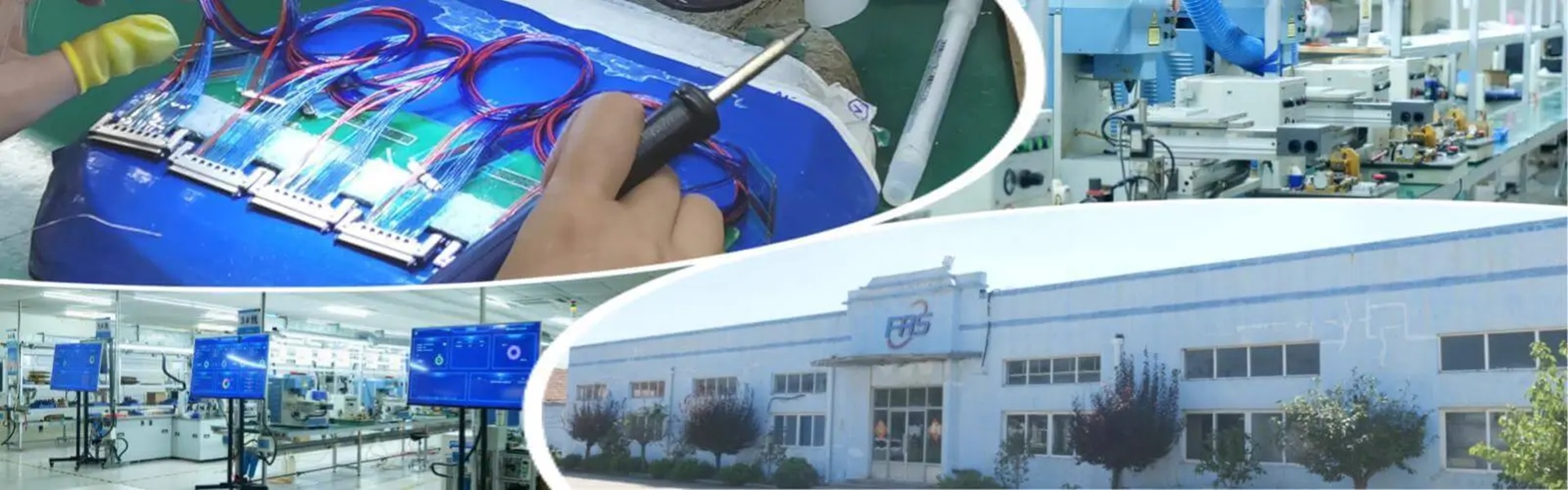
When it comes to Aviation Cables for ICAO standards, FRS stands out as a leading manufacturer committed to excellence, safety, and compliance. With decades of experience in the aviation industry, FRS has a deep understanding of ICAO’s standards and the unique requirements of aviation cables. Our state-of-the-art manufacturing facilities are equipped with advanced technology and rigorous quality control processes to ensure that every cable we produce meets or exceeds ICAO’s strict specifications.
At FRS, we use only the highest-quality materials, such as premium fluoropolymers and high-conductivity copper conductors, to manufacture our aviation cables. Our cables undergo extensive testing, including flame retardancy tests, temperature cycling tests, EMI shielding tests, and chemical resistance tests, to ensure they can withstand the harshest aviation environments. We also maintain full traceability of every cable, from raw material sourcing to final delivery, so our customers can have complete confidence in the quality and compliance of our products.
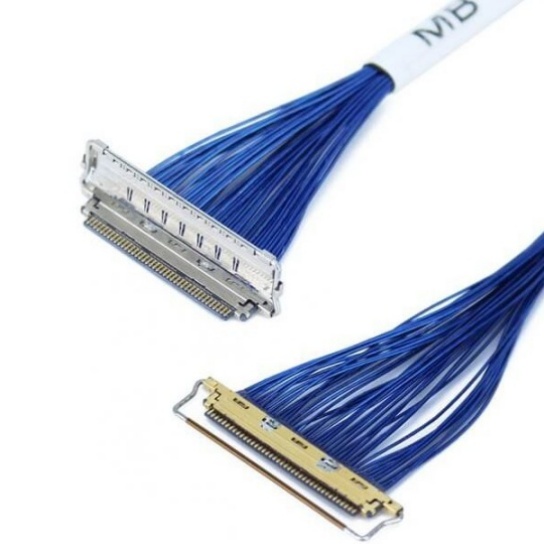
FRS offers a comprehensive range of ICAO-compliant aviation cables, including signal cables, power cables, shielded cables, and high-temperature cables, tailored to meet the specific needs of different aircraft systems. Our team of engineering experts works closely with customers to provide customized solutions, ensuring that our cables integrate seamlessly into their aircraft designs. Whether you are an aircraft manufacturer, a maintenance, repair, and overhaul (MRO) provider, or an airline, FRS has the expertise and products to support your aviation cable needs.
In the aviation industry, there is no room for compromise on safety and compliance. FRS is dedicated to delivering aviation cables that not only meet ICAO standards but also exceed customer expectations for reliability and performance. Choose FRS as your partner for Aviation Cables for ICAO standards, and experience the peace of mind that comes with working with a trusted leader in aviation cable manufacturing.